
The dark history of Nyamirambo on 8th April 1994: When fear cloaked the hills and hope fled the streets
By The Inspirer.
As dawn broke on the morning of 8th April 1994, the lively streets of Nyamirambo — usually echoing with the calls of street vendors and the rhythm of a bustling community — fell eerily silent. Just two days into what would become the Rwandan Genocide against the Tutsi, this historic neighborhood in Kigali became one of the early epicenters of violence, betrayal, and unimaginable horror.
Nyamirambo, known for its rich cultural diversity and vibrant social life, became a killing field. Neighbors turned on neighbors. Armed militias, aided by local authorities and fueled by hate propaganda, began systematic house-to-house searches. Tutsi families, already living in fear after the assassination of President Juvénal Habyarimana on April 6, found themselves trapped with nowhere to run.
Survivors recount that by mid-morning on April 8, roadblocks had been erected throughout the neighborhood. Armed men, often wearing civilian clothes and carrying machetes or clubs, stopped everyone — demanding identification cards that indicated ethnicity.
“They came with lists,” recalls Jeanette U., a survivor now living in Belgium, who was 14 at the time. “They knew where every Tutsi family lived. They called our names like teachers calling a roll call, only this time, it was a death sentence.”
In some areas, entire families were wiped out in hours. Churches, mosques, and schools — once considered sanctuaries — became scenes of betrayal. In one particularly harrowing account, dozens of Tutsis who had sought refuge in a mosque near Biryogo were forcibly dragged out and killed. Others were hunted down in alleyways, in courtyards, and even in homes where Hutu neighbors tried to hide them.
A city in shadows
While Kigali as a whole was engulfed in bloodshed, Nyamirambo stood out because of its complex social fabric — a mix of ethnicities, religions, and economic backgrounds. That diversity, which once symbolized unity, was suddenly weaponized by extremists who had been preparing for this moment for years.
Under the cover of chaos, looters moved in. Shops were broken into. Houses belonging to Tutsis were ransacked and claimed by perpetrators. Some young boys, barely teenagers, were recruited by the Interahamwe to participate in the killings — forever altering their lives.
“It was as if the whole neighborhood was possessed,” said Faustin M., a local teacher who hid in a pit latrine for weeks. “The people you had tea with, whose children played with yours, became monsters overnight.”
Memory and Justice
Today, more than three decades later, the scars of that day remain visible in Nyamirambo. Behind the newly painted buildings and busy motari stands lies a haunted past. Commemoration events, like the annual Kwibuka held every April, are moments of shared grief and reflection.
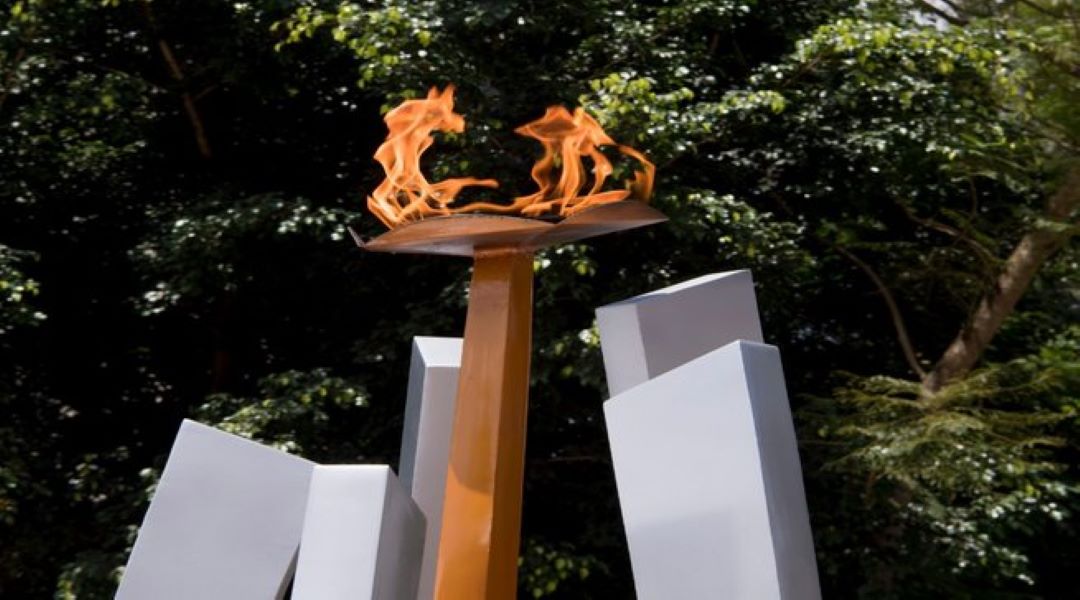
At the Nyamirambo Genocide Memorial, a modest but powerful site, families gather to lay flowers and read out the names of victims. Survivors speak of the loved ones they lost, but also of resilience — how they rebuilt their lives in the very places that nearly consumed them.
Efforts at justice — through the Gacaca courts and the International Criminal Tribunal for Rwanda — have brought some accountability. But many in Nyamirambo believe the emotional healing is a longer journey.
“You can rebuild a house, but how do you rebuild trust?” asks Claudine M., who lost both her parents that day.
A neighborhood that refuses to forget
April 8, 1994, will forever remain a dark chapter in Nyamirambo’s story. But in remembering, there is resistance. The resistance to denial. The resistance to silence. The resistance to hatred finding root again.
And as Rwanda moves forward, Nyamirambo stands as both a cautionary tale and a testament — to the dangers of division, and the power of remembrance.





Leave a Reply