
Substance Abuse in Nyagatare Drives Unprotected Sex and Rising HIV/AIDS Cases
By Elias Hakizimana.
In Nyagatare district’s Matimba sector, substance abuse is contributing to the prevalence of unprotected sexual activities, which, in turn, is leading to a rise in HIV/AIDS and other sexually transmitted infections (STIs).
Commonly abused substances include kanyanga (a local brew) and marijuana. After consuming these substances, individuals frequently engage in unprotected sex.
Jean Claude Munyaburanga, a resident of Matimba Cell, highlights the severity of the issue.
“The problem with those who consume kanyanga and marijuana is that they engage in unprotected sex, contributing to the increase in new HIV infections. At night, we encounter drunk young men and women involved in sexual activities on the streets. When someone is drunk, they lose their sense of reasoning and engage in unprotected sex. This problem greatly concerns us.” He says.
Munyaburanga urges health authorities to address the issue among the youth promptly to prevent their lives from being overtaken by AIDS and other STIs, including syphilis and gonorrhea, which are prevalent in Nyagatare.
Marceline, a young woman who also uses drugs, confirmed the problem. She stated that no one remembers to use a condom when intoxicated. As a sex worker, she notes that even when she reminds clients to use condoms, they often refuse, increasing the risk of contracting AIDS.
“It’s true that when we are drunk, we don’t remember to use condoms, and we can’t be sure that our partners are healthy. Sometimes, when you regain your senses and ask to use a condom, they refuse, resulting in us contracting HIV. After getting tested, we find out we are positive. It is a serious issue that needs awareness campaigns,” Marceline explained.
Juliette Murekatete, the Vice Mayor in charge of social affairs in Nyagatare District, confirmed that the issue exists and that authorities are actively addressing it.
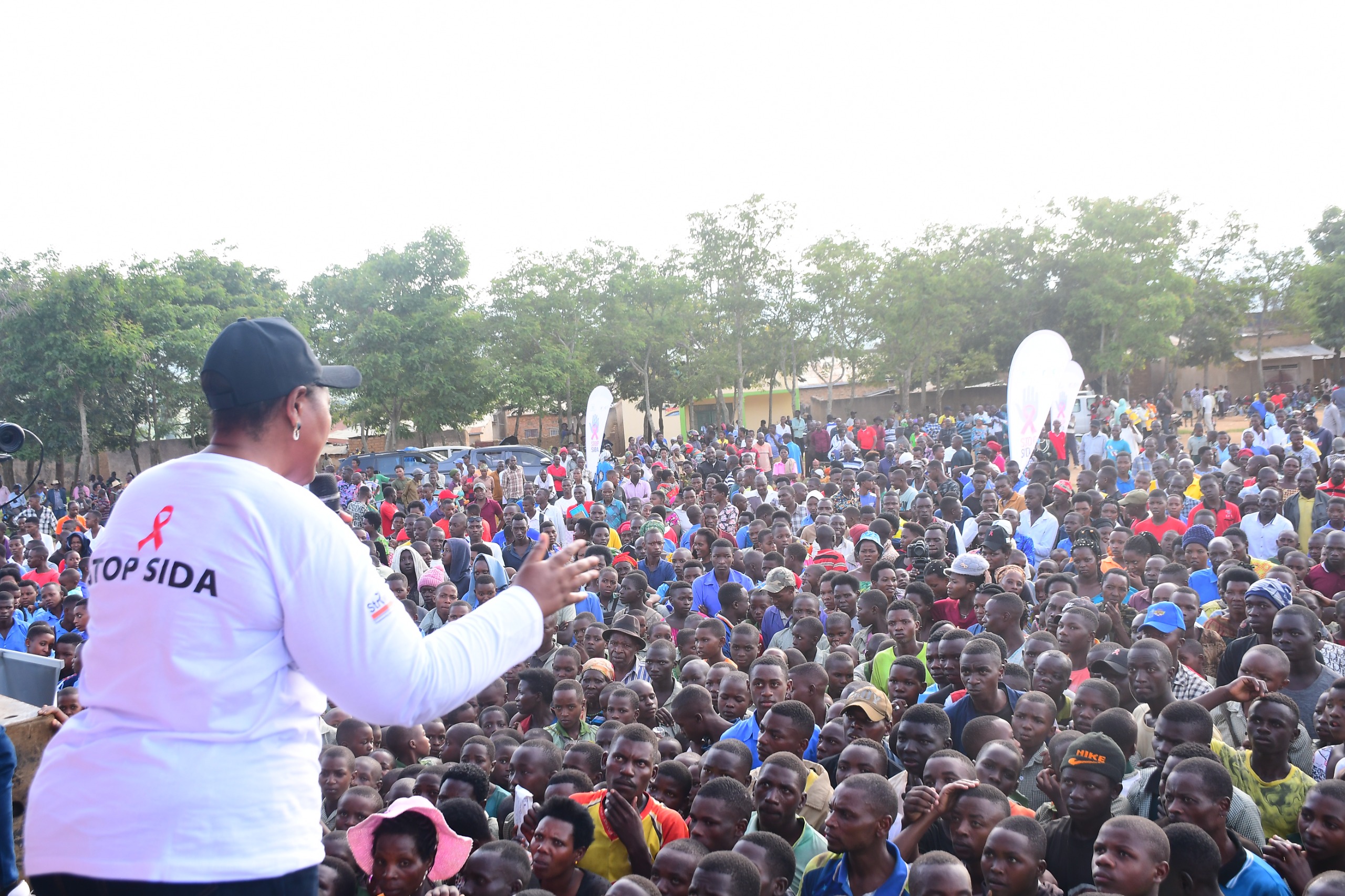
“We know some youth engage in drug use, mainly kanyanga and marijuana, which leads to unprotected sex and HIV infection. I advise those involved to stop, but we are also conducting awareness campaigns in collaboration with various partners, including the Rwanda Biomedical Center (RBC). Education is ongoing, and we will continue teaching about the dangers, and eventually, they will change,” said Juliette.
New statistics from RBC show that 219,000 people in Rwanda are on HIV treatment. Additionally, 35% of those under 24 are affected, with a new infection rate of 0.08%. The Eastern Province and Kigali City are the most affected areas. Given these figures and residents’ testimonies, the situation in Nyagatare aligns with broader national trends.
There is an urgent call for continuous awareness efforts in this district to prevent the problem from escalating.
Rwanda Biomedical Center (RBC), in collaboration with Strive Foundation Rwanda and with funding support from Abbott, is actively addressing HIV/AIDS through a community awareness campaign in the Eastern Province and Kigali City.
theinspirerpublications@gmail.com


Leave a Reply