

Rwanda’s mental health survivors call for better access to treatment, jobs
By Elias Hakizimana.
For Cansilde Mukakabanda, a university graduate from Gakenke District, supporting people with psychosocial disabilities means helping them understand their rights, earn a living and overcome stigma.
Mukakabanda represents two associations comprising 65 members who have established savings groups and started weaving baskets for sale, creating opportunities to earn an income and support one another.
“We realised that many people were facing similar challenges. We established savings groups and started weaving baskets to sell and earn money,” she said.
Through the National Organisation of Users and Survivors of Psychiatry in Rwanda (NOUSPR), members have also received training to understand their rights and help others facing mental health challenges.
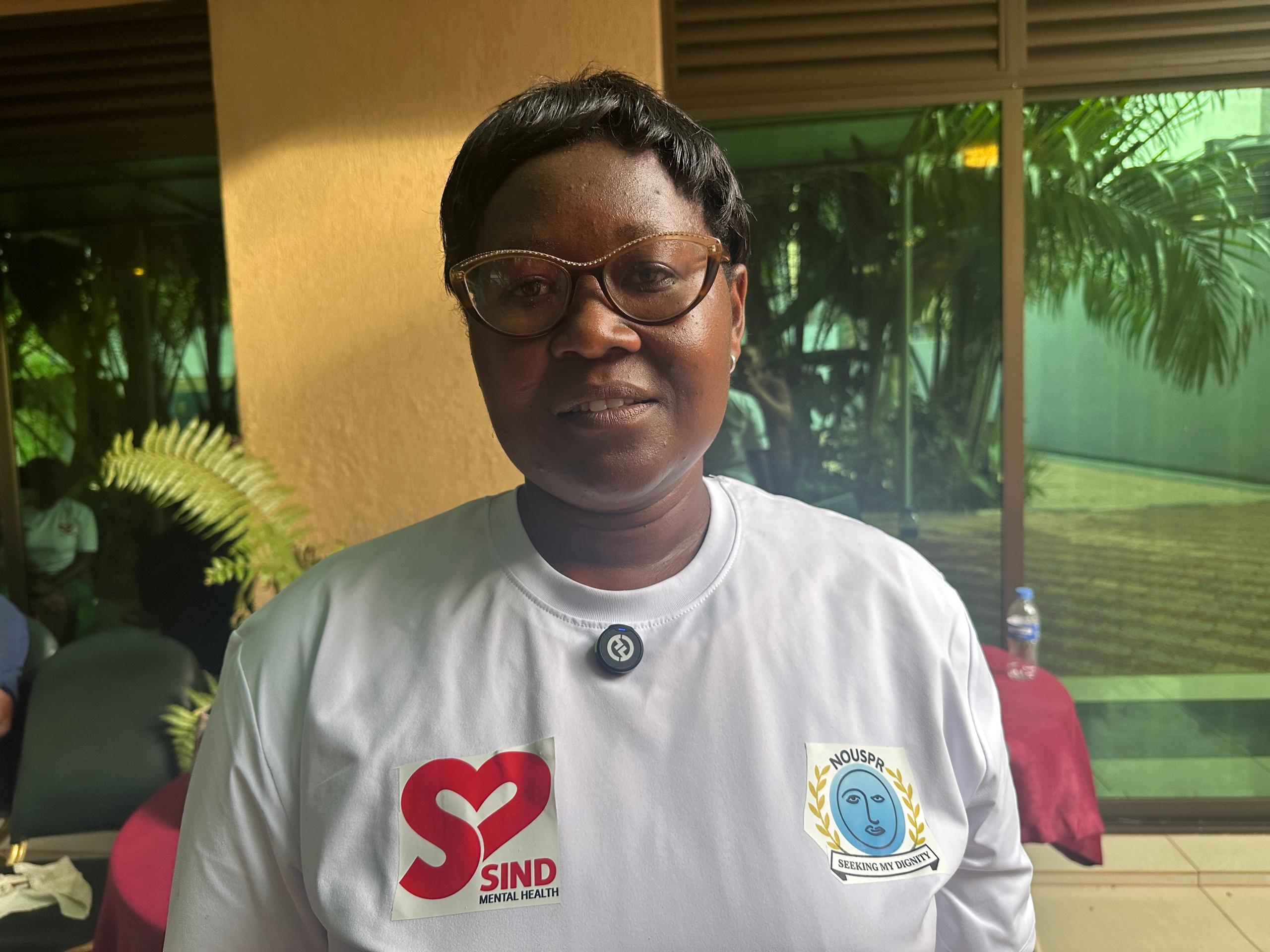
However, Mukakabanda said stigma and discrimination persisted, with some people struggling to gain the trust of local leaders and participate fully in community life.
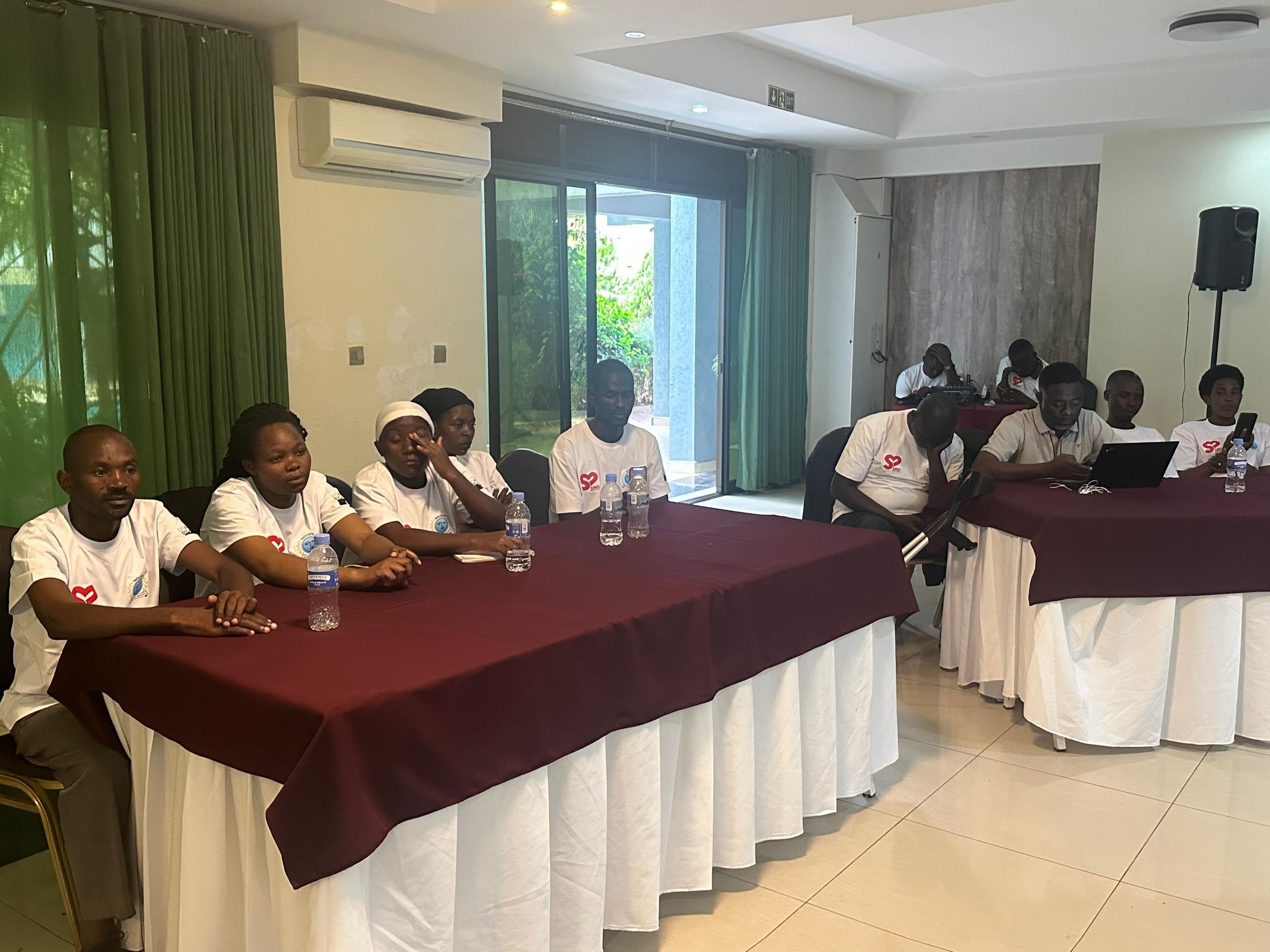
Her concerns were emphasized during an event in Kigali on October 10 to mark World Mental Health Day under the theme “Lived Experiences Heard: Real Voices, Real Change”. Participants called for better access to healthcare, employment and social protection for people with psychosocial disabilities.
Stigma and barriers to treatment
Rose Umutesi, NOUSPR chairperson, said depression was a major concern among the organisation’s members, many of whom experience isolation and inadequate family support.
She said NOUSPR’s findings indicated that at least 61 per cent of its 6,871 members experienced depression. The figure relates to the organisation’s membership, not Rwanda’s general population.
“Depression is severe among our people. Some are confined to their homes, and their families do not support them. It affects not only adults but also young people,” Umutesi said.
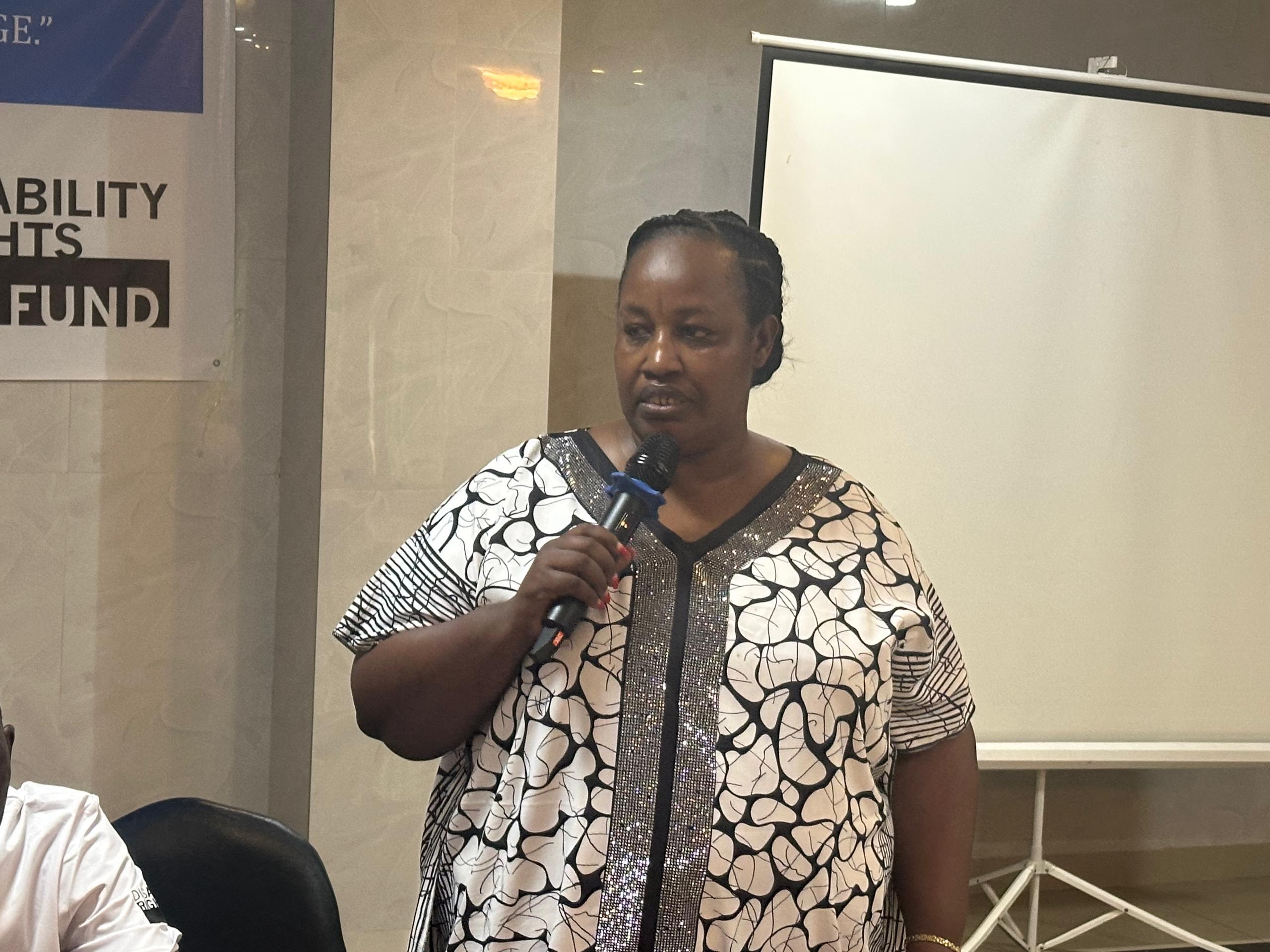
She added that some members lacked basic necessities, including food and clothing, and struggled to afford health insurance and medicines. Others faced difficulties participating in family decisions and accessing property.
Umutesi called on the government to help vulnerable people afford health insurance and medicines, including providing free treatment where possible. She also urged authorities to ensure that people with psychosocial disabilities can access ambulance car services when they need urgent medical care, like other patients.
Peer support builds confidence
Established in 2005, NOUSPR promotes the rights and inclusion of people with psychosocial disabilities.
Umutesi said more than 230 trained peer supporters, referred to as patient experts, help people in the districts where the organisation operates.
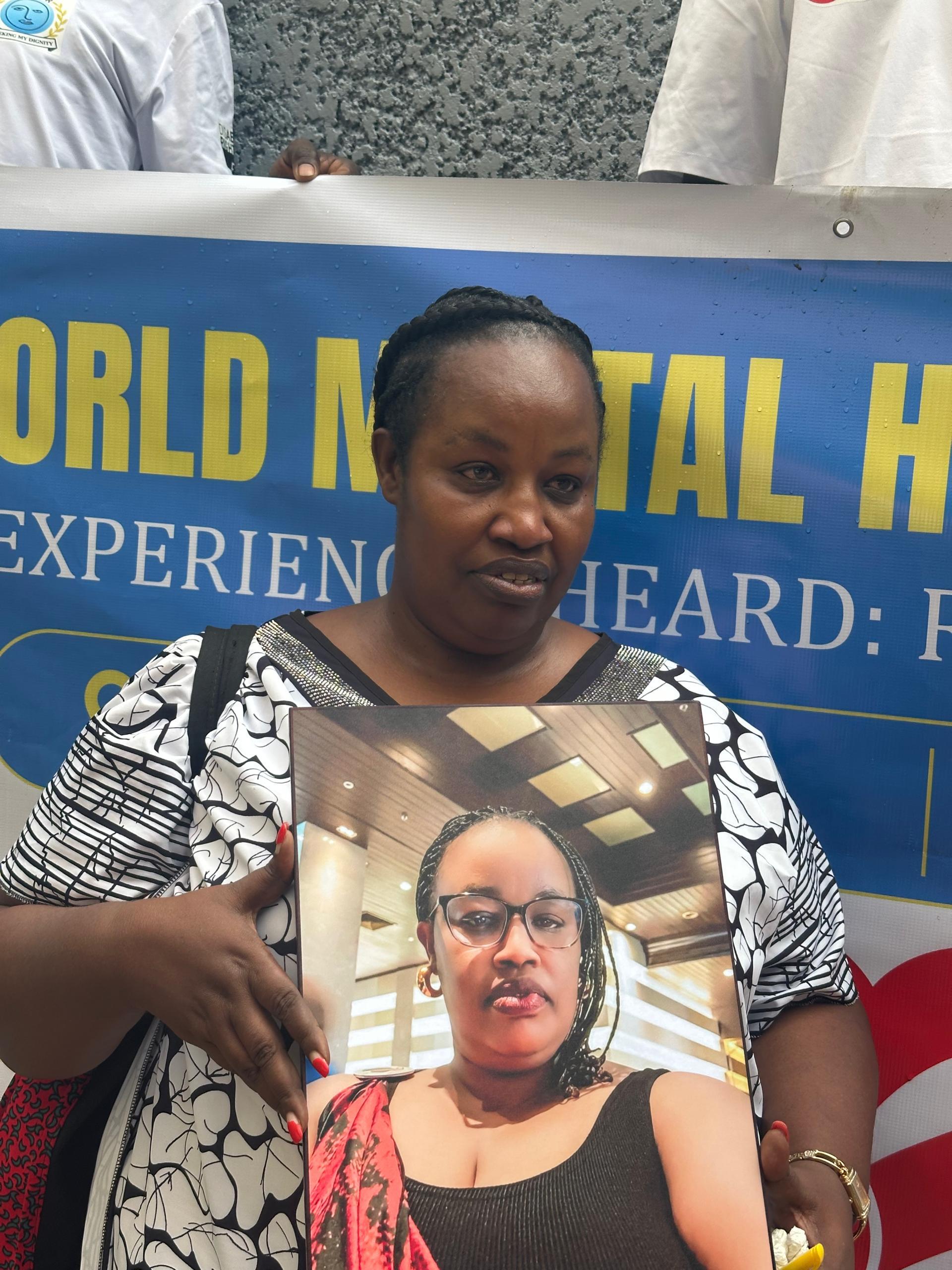
Carine Uwacu, NOUSPR’s executive secretary, said the organisation had trained 217 people in report writing, advocacy and resource mobilisation. It had also engaged leaders at district and national levels and visited members in the districts where it works.
The organisation hopes to train more people as funding becomes available, she said.
For Mukakabanda, the benefits include greater awareness of rights and opportunities to improve livelihoods. She also called for more support for people with psychosocial disabilities living on the streets, including efforts to reconnect them with their families and ensure they receive appropriate care.
Calls for stronger government support
Jonathan Iradukunda, a NOUSPR member from Nyamata in Bugesera District, is among those trained to support people with psychosocial disabilities.
He said the organisation had helped members understand their rights and recognise their value as Rwandans. Although he had noticed improvements as local authorities and service providers became more familiar with psychosocial disabilities, he said further efforts were needed.
“Local authorities need to understand how to support and serve people with psychosocial disabilities. Their knowledge and capacity need to be strengthened to serve these people more effectively,” he said.
Looking ahead, Umutesi said NOUSPR’s priorities for the next five years include improving communication between mental health experts and patients in the districts, introducing identification cards to help members receive support during mental health crises, and advocating for a law protecting people with psychosocial disabilities.
She also called on the government to explore ways of ensuring that community health workers can support people with psychosocial disabilities.
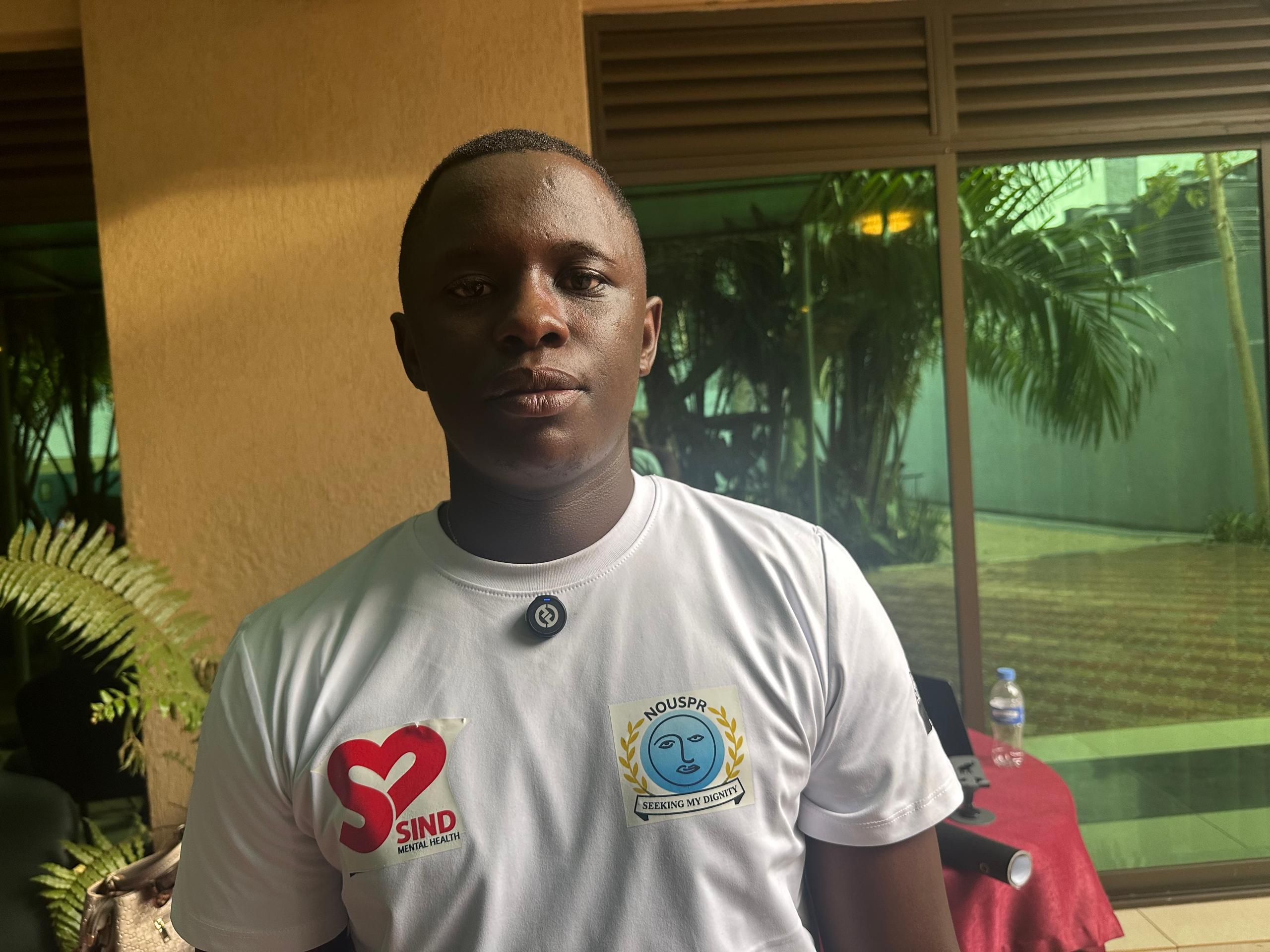 Jonathan Iradukunda speaks during an interview about the importance of protecting the rights of people with psychosocial disabilities.
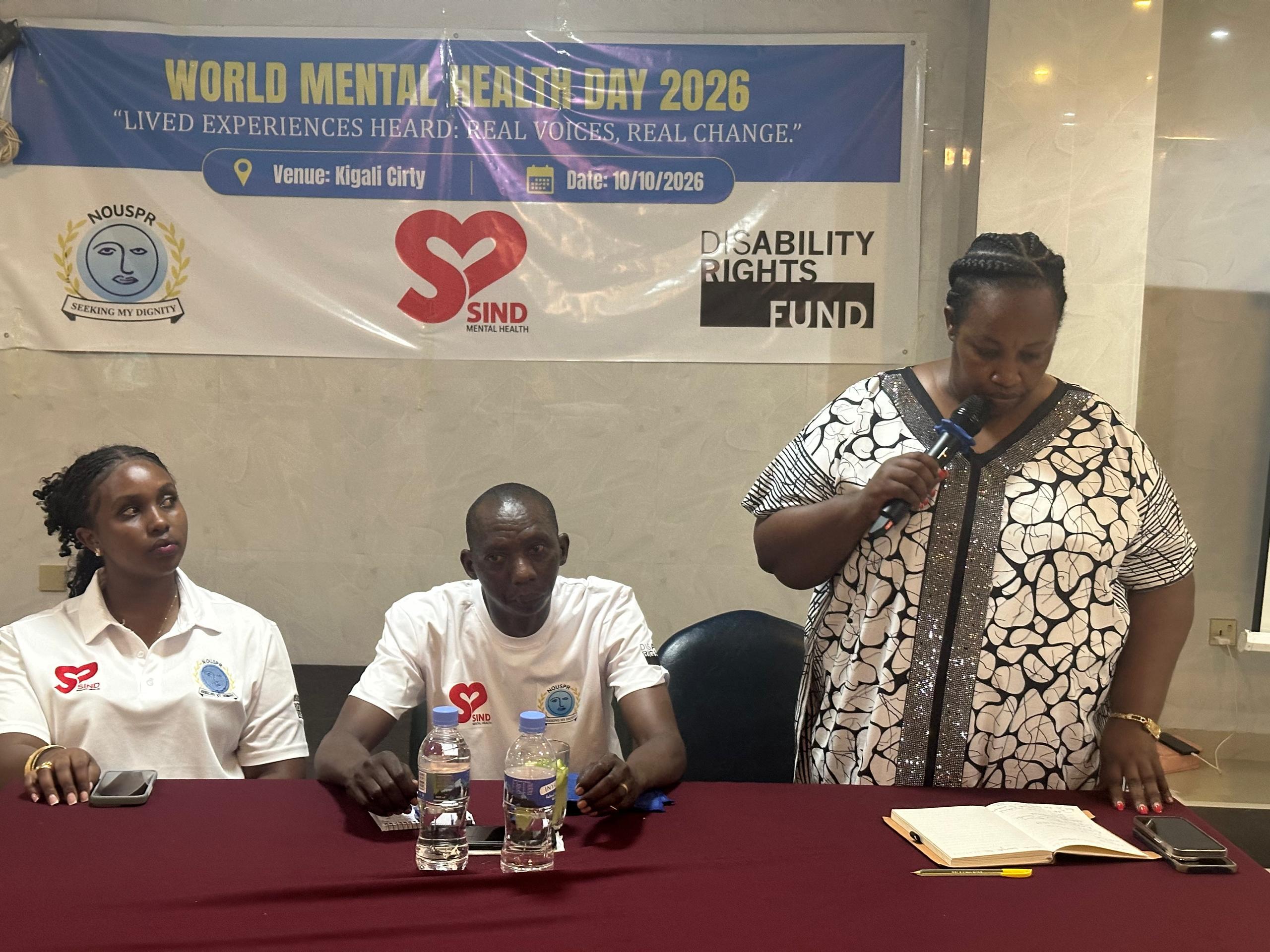
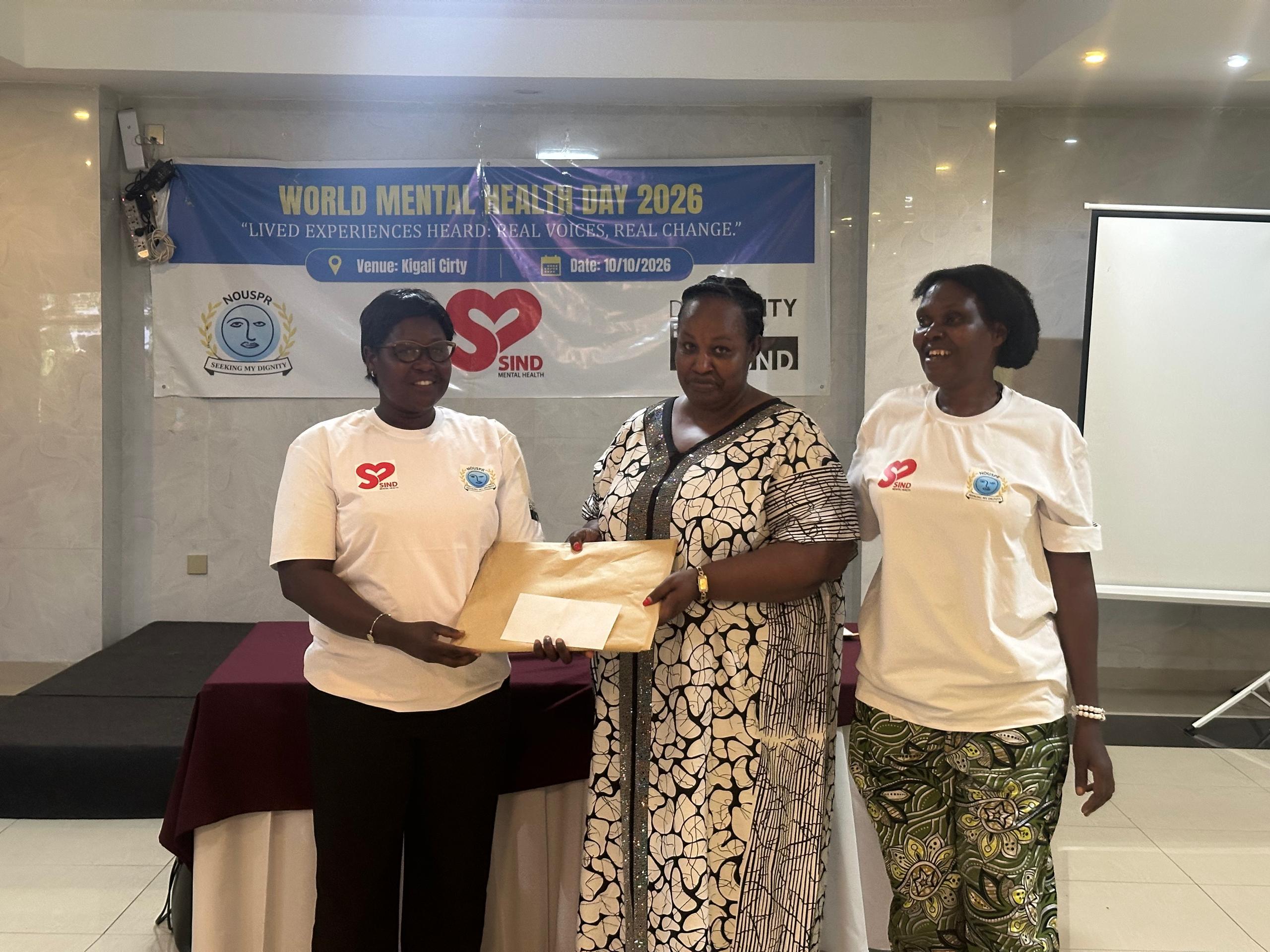 A gift handover to Rose Umutesi, NOUSPR Chairperson
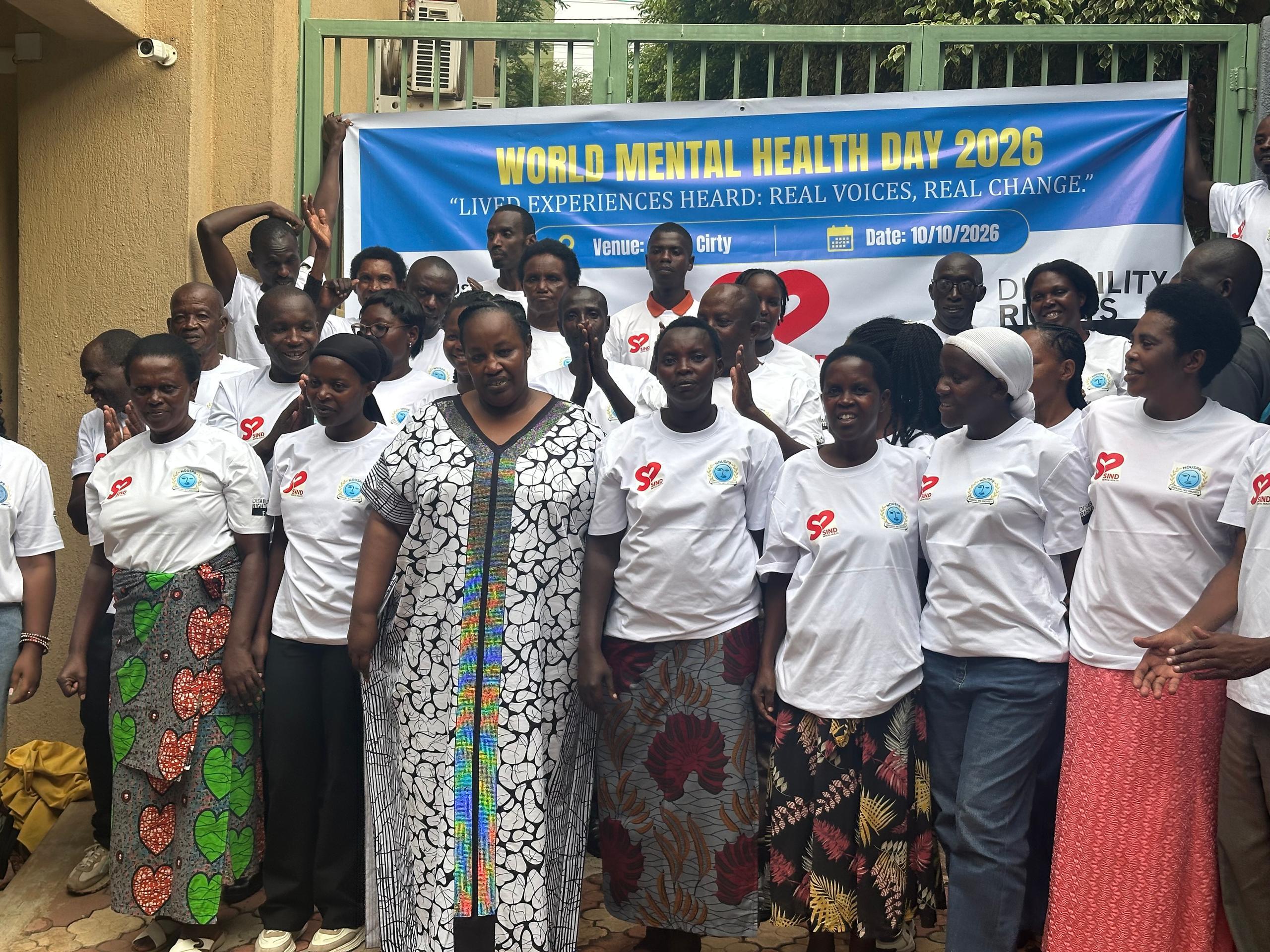 Participants pose for a group photo during the World Mental Health Day event in Kigali.
theinspirerpublications@gmail.com



Leave a Reply