

Rwandan Beekeepers Sound Alarm on Pesticides as Country Marks First World Bee Day
By Elias Hakizimana.
As Rwanda joined the world in celebrating World Bee Day for the first time on May 20, 2025, the spotlight shifted beyond ceremonial fanfare to the growing challenges and promises of the country’s beekeeping sector.
Farmers and experts raised urgent concerns about pesticides, poor awareness, and the need for youth inclusion, warning that without action, bees—and food security—remain under threat.
“Bees are dying, and most farmers don’t know pesticides are the cause,” said Medard Ndashyikirwa, a seasoned beekeeper from Kirehe District.

“We need government support to teach farmers to spray at night, when bees are asleep.”
Ndashyikirwa, who produces over two tons of honey annually from 60 hives, urged authorities to promote organic alternatives and support beekeepers with training.
Women are also taking the lead in transforming the traditionally male-dominated practice.
Consolata Twambazimana, a master trainer from Musanze District, trains 34 women in Rutsiro.
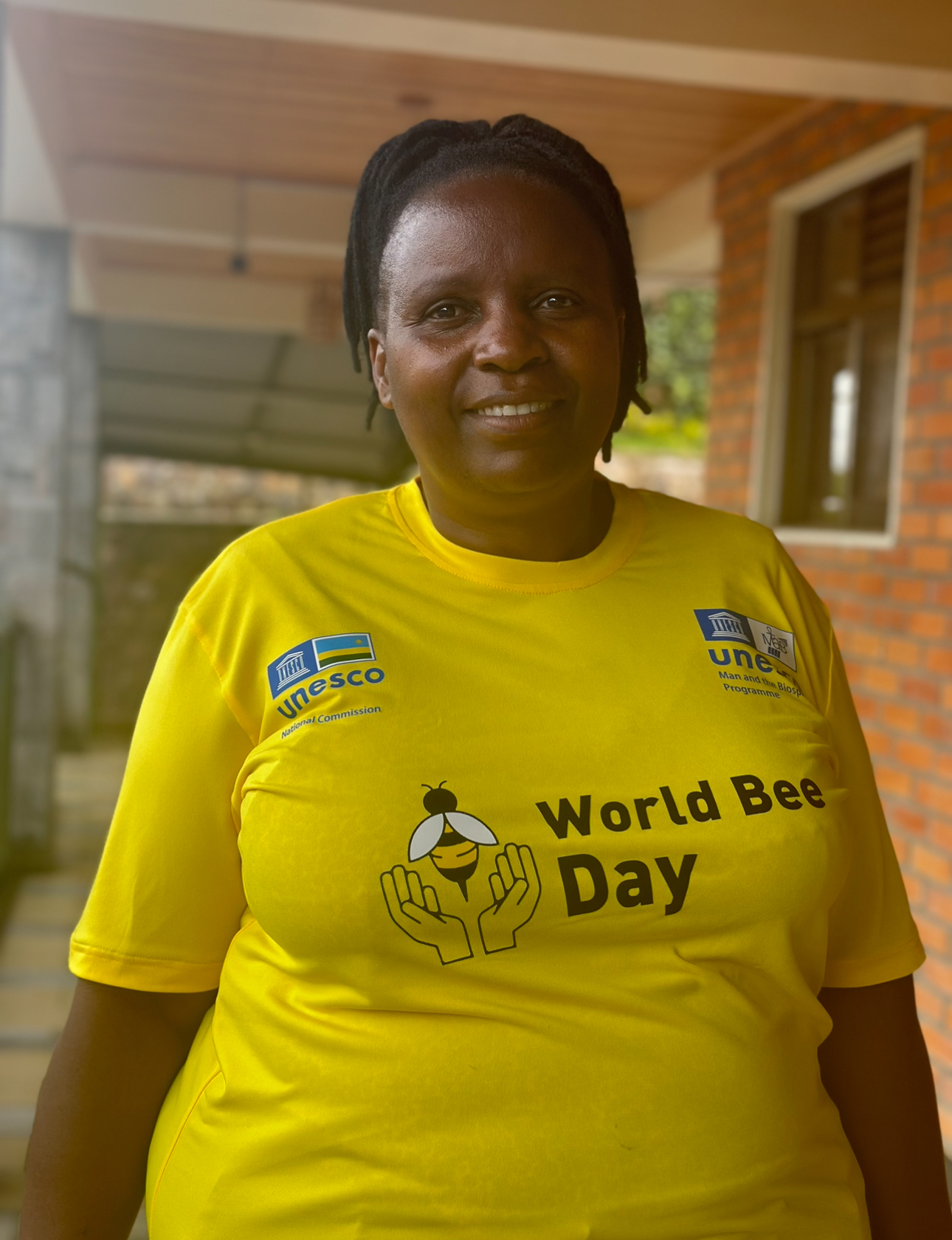
“They used to fear speaking in meetings,” she said. “Now, they run cooperatives and increase honey production.”
Young entrepreneurs like Jeanne Tuyizere from Kamonyi see hope in beekeeping but face stigma.
“This is a real profession,” she said. “But we need more training and support, especially on climate-smart techniques.”

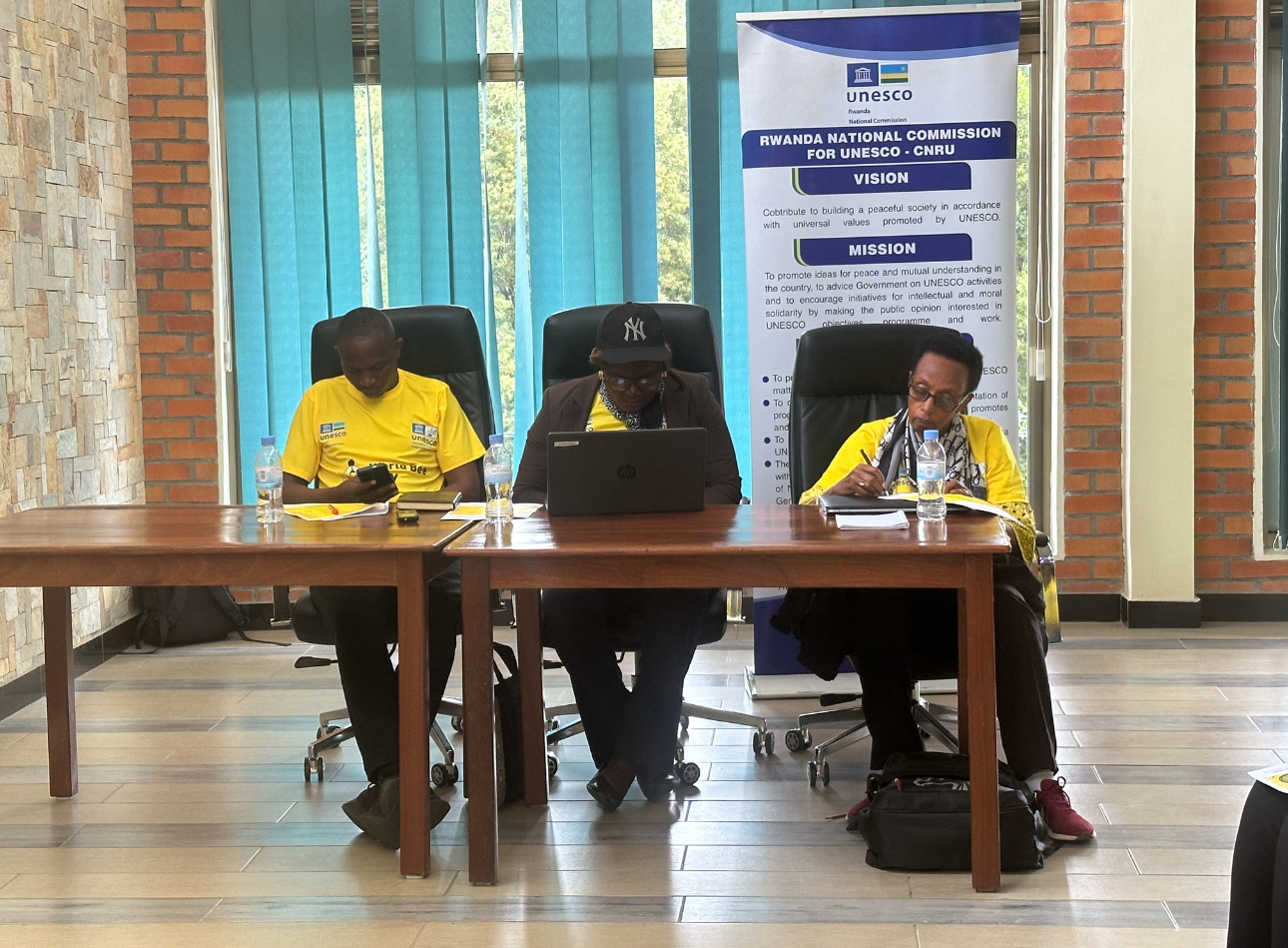
Dr. Marie-Christine Gasingirwa, Chairperson of the Rwanda National Commission for UNESCO, said the decision to celebrate World Bee Day was driven by lessons from local women beekeepers.
“They showed us the value of the full honey value chain—from production to packaging. This celebration marks the beginning of deeper investments in pollinator-friendly practices.”
As celebrations continue in the Gishwati-Mukura Biosphere Reserve, Rwandan beekeepers hope that this recognition leads to meaningful reforms—not just for bees, but for livelihoods, food systems, and the planet.
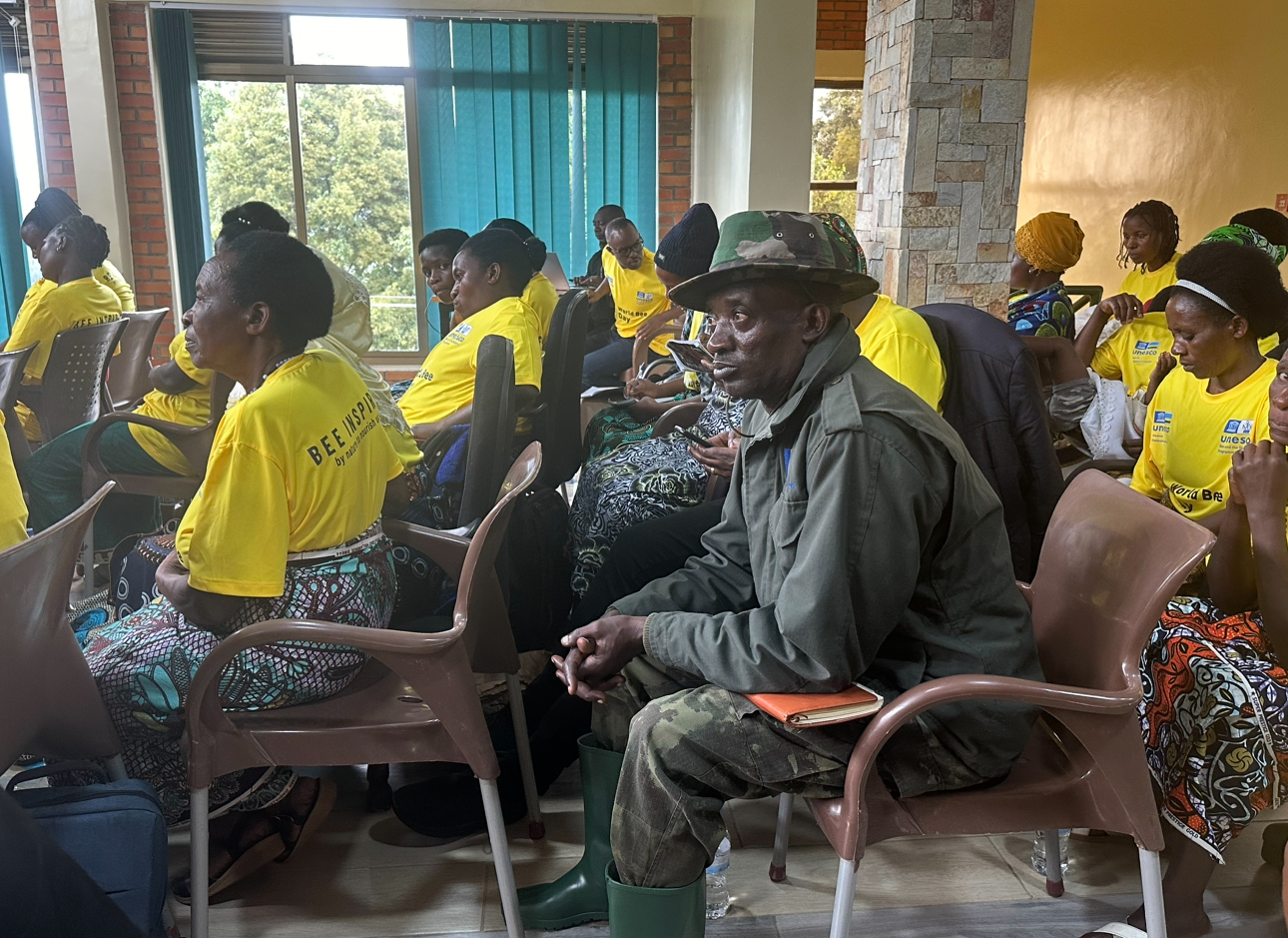
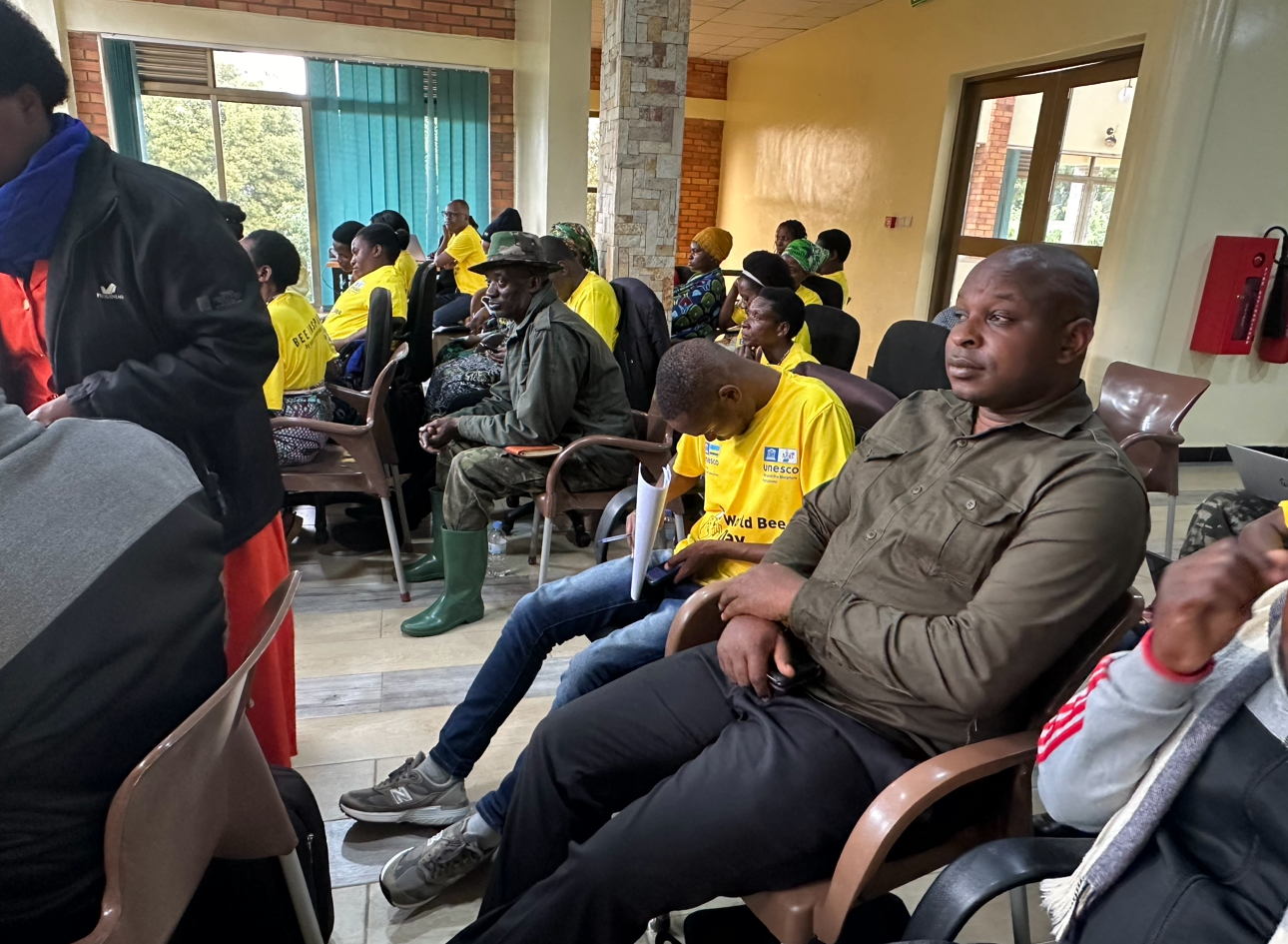
The three-day celebration, held in the Gishwati-Mukura Biosphere Reserve, was organized by the Rwanda National Commission for UNESCO (CNRU) in partnership with UNESCO’s Man and the Biosphere (MAB) Programme, the Center of Excellence in Biodiversity and Natural Resources Management (CoEB), and UNESCO’s Regional Office for Eastern Africa.
The event brought together policymakers, scientists, community members, and international partners to share knowledge and advocate for sustainable beekeeping practices.



theinspirerpublications@gmail.com


Leave a Reply