

Rwanda youth, women urged to seize AfCFTA services trade opportunities
By Bonaventure Cyubahiro.
Rwanda’s youth and women entrepreneurs have been urged to strengthen their capacity to take advantage of opportunities created by the African Continental Free Trade Area (AfCFTA), as practical barriers continue to limit their participation in cross-border trade.
The call was made during a Women and Youth Capacity Building Workshop on the AfCFTA Trade in Services Protocol held on August 13, 2026, at M-Hotel in Kigali.
“The African market is truly a source of growth, and young people have an important opportunity to create jobs and generate wealth,” said Dr. Odilia Birenam Gnassingbé-Essonam, Trade Program Coordinator at the African Capacity Building Foundation (ACBF).
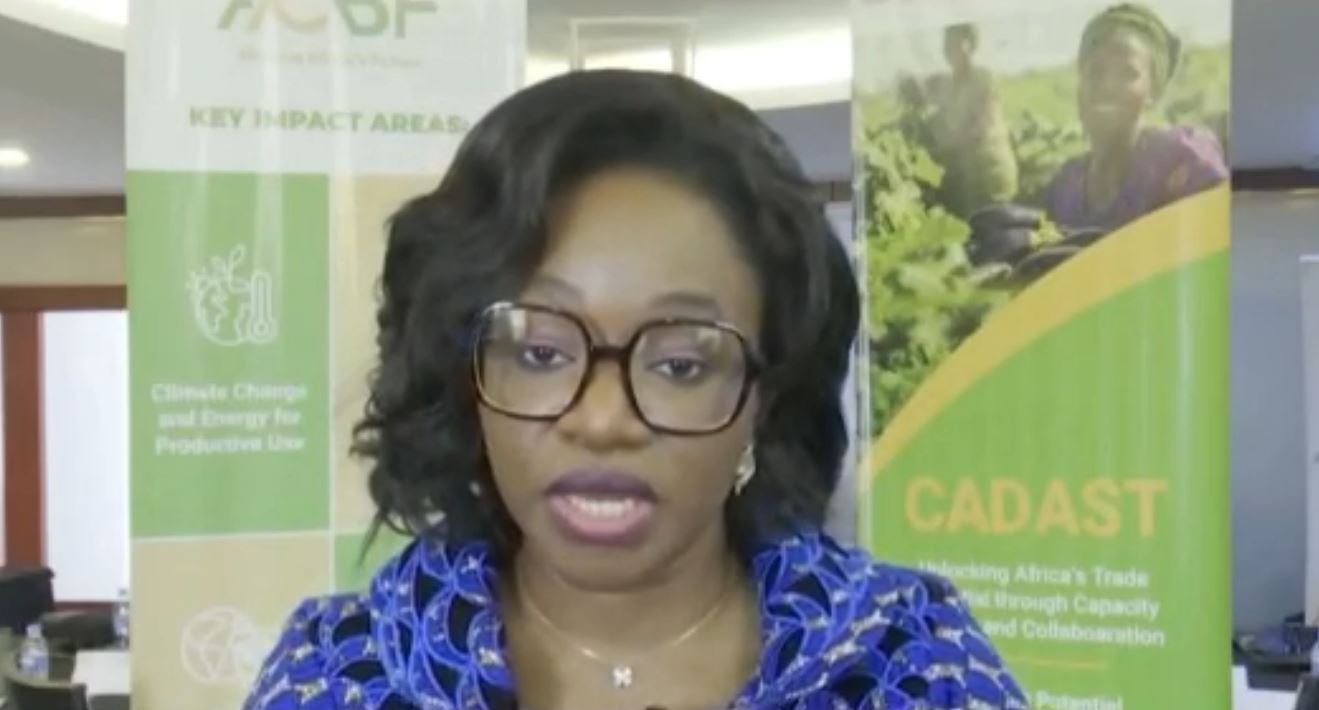
The workshop was organised by Rwanda’s national AfCFTA Champions, with financial support from ACBF under the Capacity Development for Africa’s Structural Transformation (CADAST) programme. It brought together policymakers, entrepreneurs and representatives from sectors including logistics, law, e-commerce, banking, tourism, transport and creative industries.
AfCFTA brings together 54 African Union member states into a single market of about 1.4 billion people, with a combined GDP of approximately $3.4 trillion. For Rwanda, the agreement presents opportunities to expand trade, attract investment and strengthen competitiveness.
However, participants identified several challenges facing businesses seeking to access African markets, including costly cross-border payments and currency exchange, differing regulations and documentation requirements, expensive logistics for small shipments, limited awareness of AfCFTA opportunities and complicated market-entry procedures.
These challenges are particularly significant for small and medium enterprises, e-commerce operators and businesses led by women and young people.
The workshop highlighted the need for stronger export-readiness programmes to help entrepreneurs understand market research, rules of origin, market-access requirements and international business practices.
Participants also proposed greater use of digital payment mechanisms, including the Pan-African Payment and Settlement System (PAPSS), alongside stronger regulatory harmonisation among African countries. The programme included a practical session on PAPSS, the AfCFTA Digital Hub and the non-tariff barriers reporting mechanism.
They further called for an AfCFTA one-stop information and support mechanism to help businesses navigate registration, regulations, documentation and market-entry requirements.
Increasing awareness at grassroots level was identified as another priority, with participants stressing the importance of communicating AfCFTA information through accessible channels and languages, including Kinyarwanda.
The workshop background notes that women account for nearly 70% of Rwanda’s informal cross-border traders, while more than 60% of the population is under 25. It also identifies limited access to finance, information gaps and exclusion from formal consultation platforms as barriers affecting women and youth.
Participants further called for better data on women and youth participation in services trade and stronger involvement of grassroots actors in policymaking.
The workshop aimed to generate practical recommendations to ensure Rwanda’s implementation of the AfCFTA Trade in Services Protocol responds to the needs of SMEs, women and youth, while strengthening their ability to participate in continental services markets.
theinspirerpublications@gmail.com





Leave a Reply