
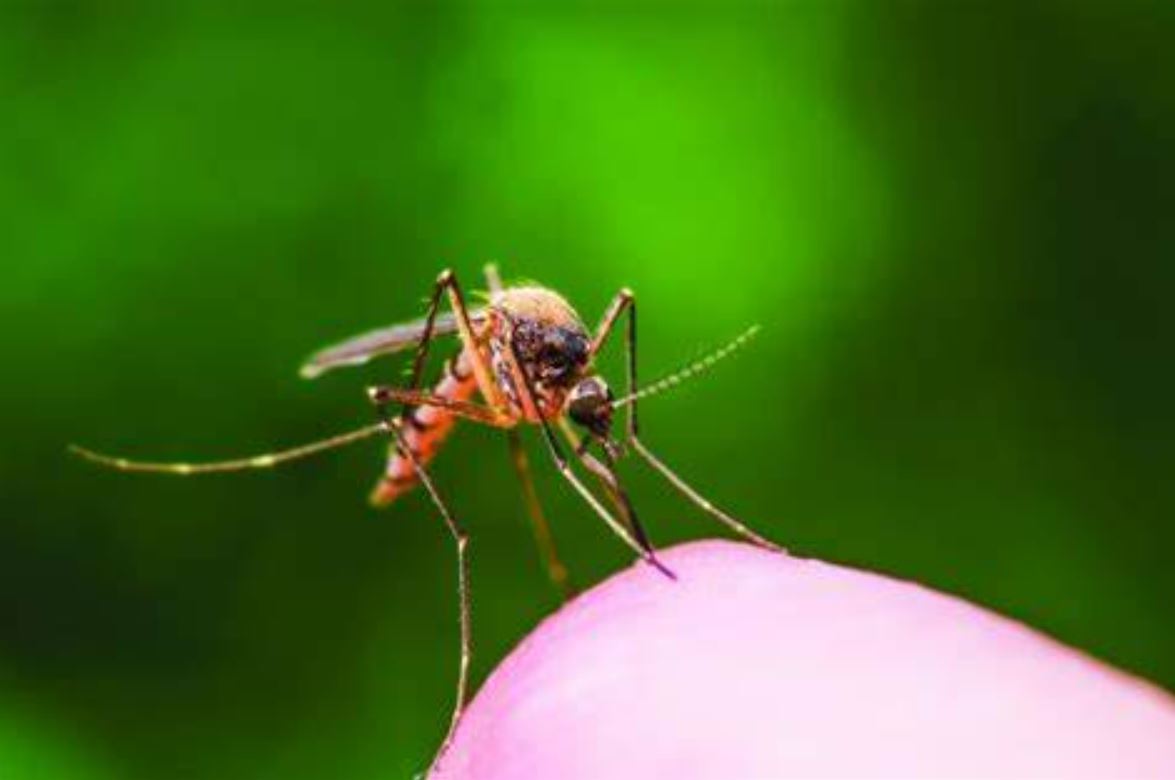
Rwanda to introduce new medication in the fight against Malaria
By The Inspirer.
The Rwanda Biomedical Center (RBC) has announced that the government is set to deploy new medications to combat the alarming rise of malaria cases observed across various parts of the country.
RBC stated that the shift to new drugs comes as the previously used medication has shown diminished effectiveness in controlling malaria, largely due to the disease developing resistance over time.
The new medications, dihydroartemisinin-piperaquine (DHAP) and artesunate-pyronaridine (ASPY), are approved by the World Health Organization (WHO) for treating uncomplicated malaria in both children and adults.
Dr. Aimable Mbituyumuremyi, Head of the Malaria Division at RBC, told The New Times that the first batch of these new drugs arrived in Rwanda last week and will be distributed to hospitals nationwide, but strictly under a doctor’s prescription for patients who need it.
He explained, “The distribution of these drugs is scheduled to begin tomorrow [January 6, 2024], allowing doctors to prescribe them for patients who do not respond to initial treatments.”
Dr. Mbituyumuremyi highlighted several factors contributing to the inefficacy of the existing medication, including its prolonged use without replacement, improper dosage administration, and the disease’s adaptation to the drugs over time.
A nationwide rollout of the new medication is planned for April 2025. At that time, both the new drugs and the existing Coartem will be used together as part of a long-term malaria treatment strategy.
To ensure the successful adoption of the new medication, RBC has updated malaria treatment protocols and trained hospital staff. The next phase will involve training health center workers and community health workers.
Malaria trends and challenges in Rwanda
Statistics from the Ministry of Health reveal that from 2016/2017 to 2023/2024, malaria cases decreased by 90%, dropping from 4.8 million cases to 620,000. During the same period, malaria-related deaths declined from 650 to 67.
However, between March and October 2024, malaria cases surged by 45.8% compared to the same period in 2023, rising from 432,000 to 630,000 cases.
This increase has been attributed to factors such as drug resistance, inconsistent malaria control efforts, and behavioral changes in mosquitoes, which now bite people outdoors as well as indoors. Additionally, inadequate monitoring of mosquito breeding sites, such as rice paddies, stagnant water used for farming, mining pits, and the cross-border spread of malaria, has exacerbated the situation, particularly in districts like Nyagatare, Gisagara, and Bugesera.
Other measures
Beyond the introduction of new medication, Rwanda is implementing various malaria control initiatives. These include indoor residual spraying in high-risk districts such as Nyagatare, Kirehe, Ngoma, Nyanza, Gisagara, Kamonyi, Bugesera, Rwamagana, and Kayonza, among other strategies aimed at reducing malaria transmission.



Leave a Reply