
Rwanda Pushes for Inclusive Economic Empowerment for Persons with Disabilities
By Elias Hakizimana.
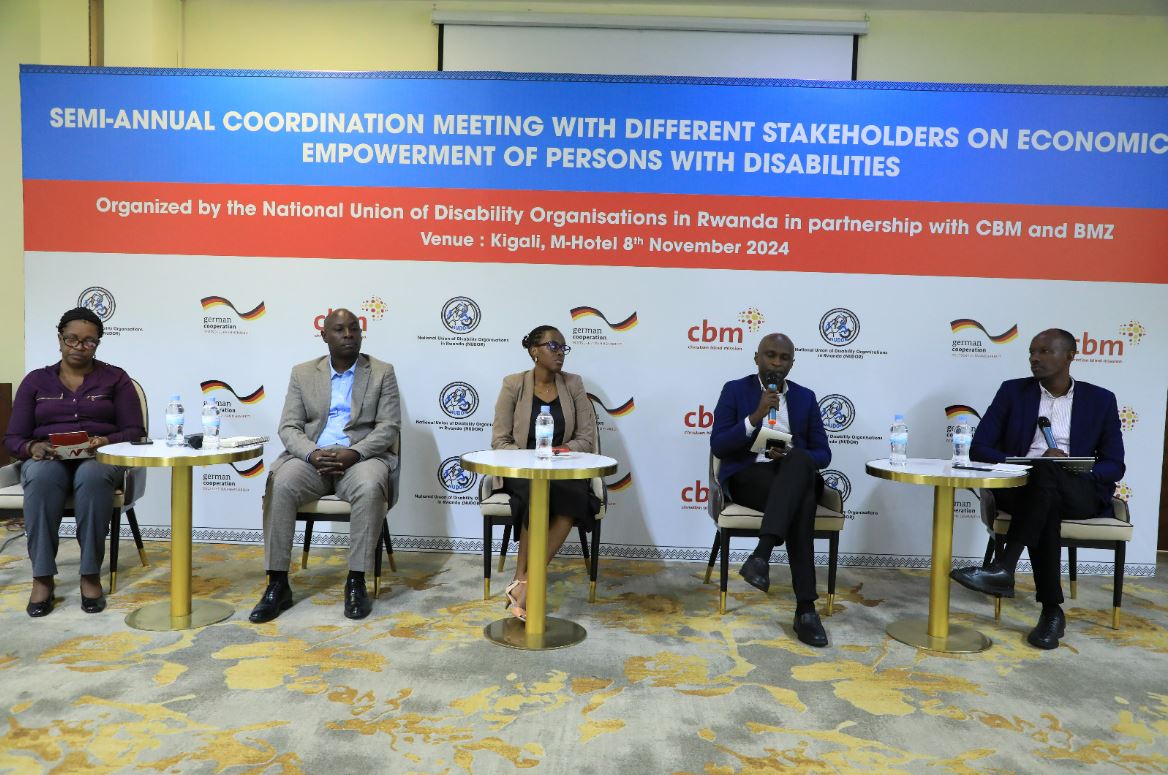
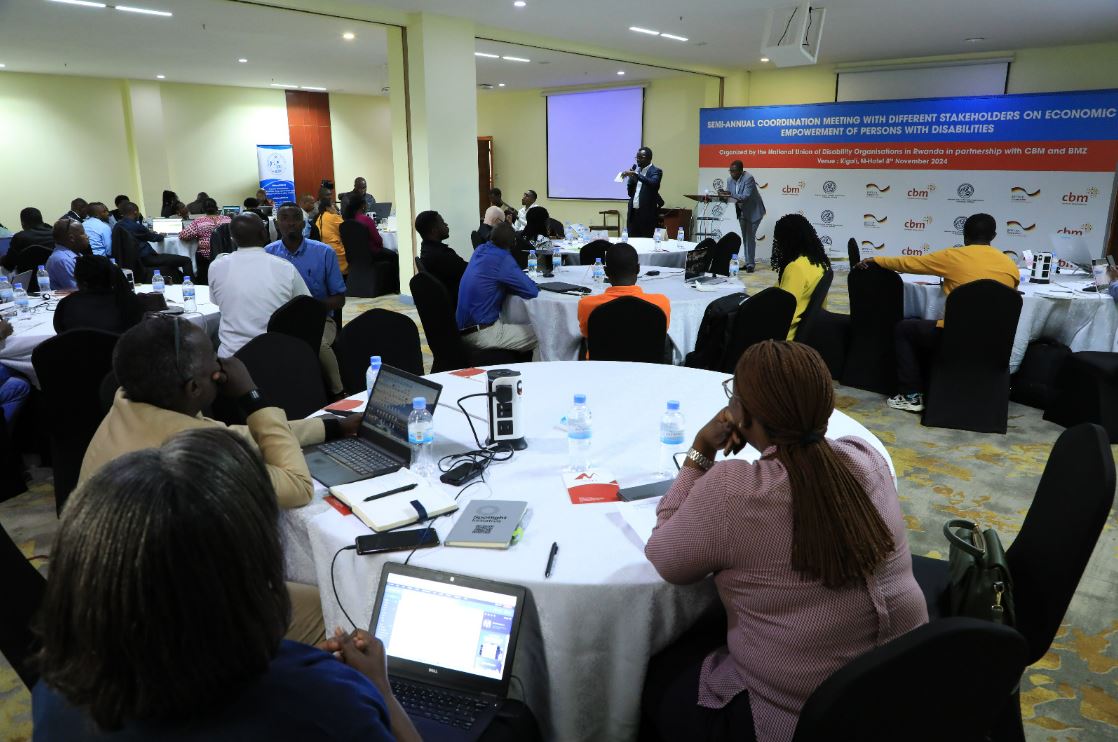
In a major step toward strengthening the socio-economic inclusion of persons with disabilities (PWDs) in Rwanda, the National Union of Disability Organizations of Rwanda (NUDOR) hosted a semi-annual coordination meeting in Kigali on Friday, November 9, 2024.
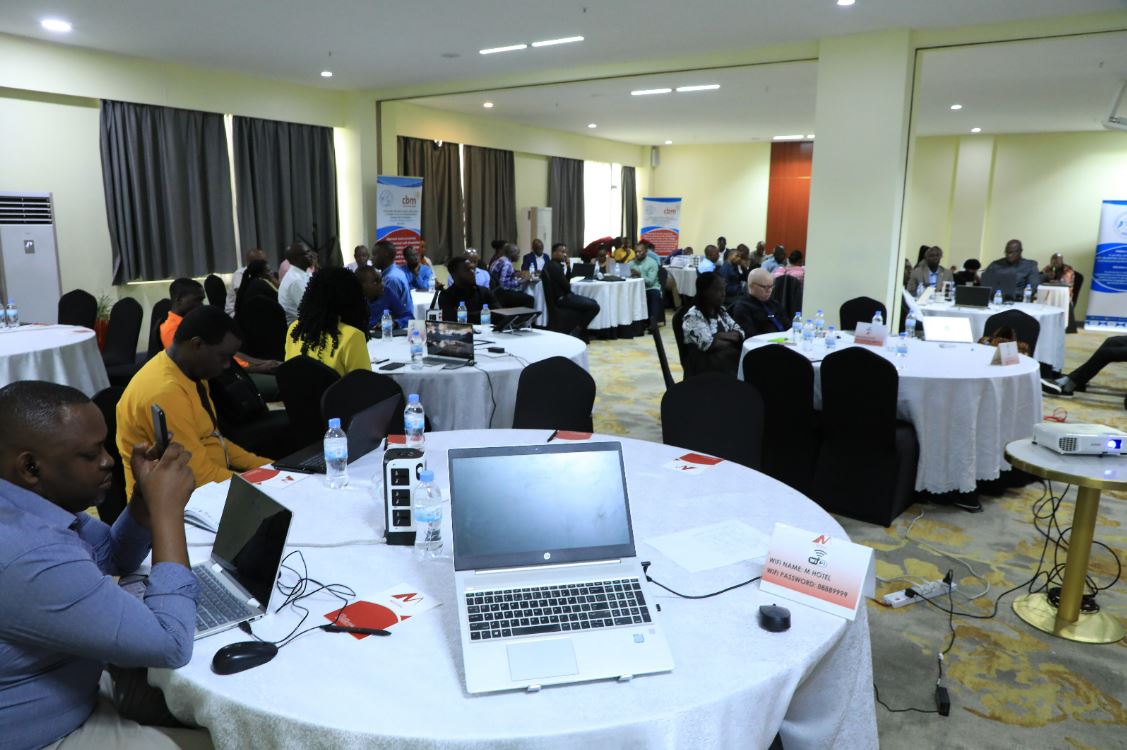
The event brought together stakeholders from across the country to discuss ongoing projects, progress, and remaining challenges in empowering PWDs to participate fully in Rwanda’s economic landscape.
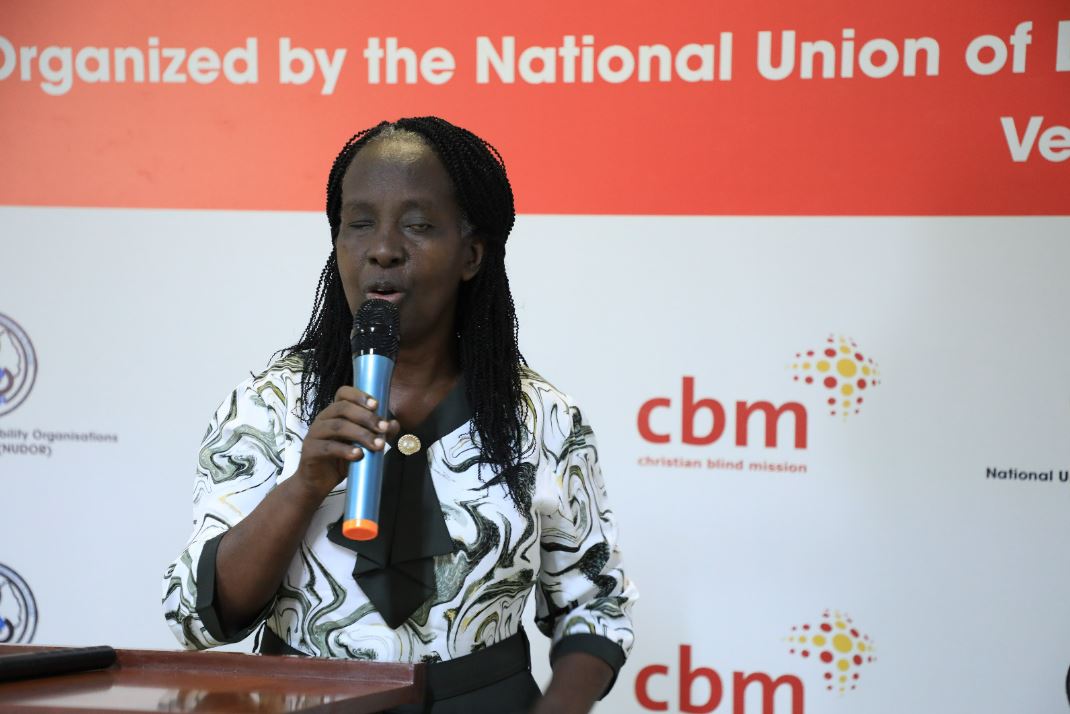
Dr. Beth Mukarwego, Chairperson and President of NUDOR highlighted the importance of integrating PWDs into district socio-economic development agendas, stating that achieving comprehensive inclusion requires cohesive action from all sectors.
“This meeting is essential for promoting the inclusion of PWDs in our country’s development framework, ensuring their rights and potential are part of the broader socio-economic plans,” Dr. Mukarwego said.
Empowerment projects impact thousands
Two key projects supported by NUDOR and partners are transforming the lives of thousands of Rwandans with disabilities.
The Dukore Twigire project, funded by CBM, targets 14,000 beneficiaries and 200 youth across four districts, aiming to foster resilience through financial literacy, small-scale farming, and entrepreneurial skills. Additionally, another NUDOR-led project spans five districts and has organized 750 groups comprising 21,675 members, including nearly 1,000 people without disabilities, underlining the initiative’s inclusive approach.
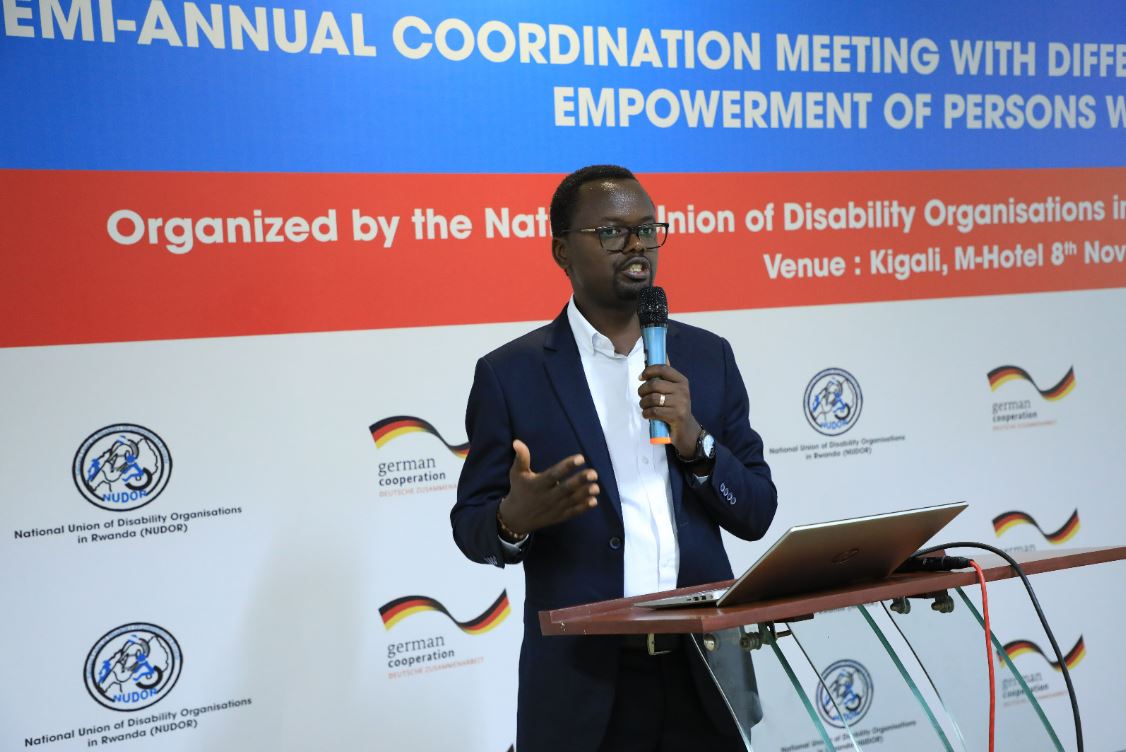
Theophile Murwanashyaka, Project Manager for NUDOR’s Economic Empowerment Program, reported that participants have saved a collective RWF 400 million over the past two years.
Through group savings and loans, members have initiated projects in agriculture and livestock, allowing them to afford essentials like health insurance, education, and housing.
“We’ve seen remarkable changes among our beneficiaries—they’re now able to manage household needs, pay for school fees, and secure health insurance for their families,” Murwanashyaka said.
Overcoming barriers to financial access
Despite the successes, significant challenges remain. Persons with disabilities face barriers in accessing financial services, with high-interest rates from microfinance institutions (MFIs) posing a substantial obstacle.
“We continue to advocate for lower interest rates tailored to PWDs’ capacity, which would allow them to invest in sustainable income-generating activities,” Murwanashyaka explained.
Aimable Irihose, Chairperson of the Rwanda Organization for Persons with Physical Disabilities (ROPPD), echoed the call for fairer financial access, noting that outdated mobility aids often prevent PWDs from attending group meetings and contributing savings.
“We recommend integrating ICT and mobile money options to make savings easier for PWDs who struggle to reach meeting locations due to inaccessible infrastructure,” Irihose added.
Need for accessible justice and infrastructure
Beyond economic challenges, barriers in the justice system and public infrastructure limit PWDs’ social participation and safety.
Pelagie Muhoracyeye from the Rwanda National Association of Deaf Women (RNADW) raised concerns over inadequate access to legal services, which can impede justice for deaf individuals.
Muhoracyeye urged authorities to train justice sector employees in sign language, stating, “Communication gaps in the judicial system prevent PWDs from receiving fair treatment and rights protection.”
Dr. Mukarwego stressed the importance of ensuring inclusive infrastructure and called for digital solutions where physical access remains challenging.
“Inclusive infrastructure is critical, and when it is unattainable, we need to prioritize digital avenues for PWDs to connect, save, and engage in economic activities,” she said.
Success stories and resilience
Attendees heard inspiring stories of PWDs who have leveraged NUDOR’s programs to build successful enterprises.
Joyce Nyiramana, a member of a savings group expressed her commitment to furthering her business. Using sign language, Nyiramana shared, “With support and training, we are fully capable of managing profitable businesses and contributing meaningfully to our economy.”
Through collective savings, entrepreneurial training, and inclusive project models, NUDOR’s socio-economic empowerment initiatives continue to demonstrate that given the right support, PWDs can thrive in various industries and contribute to Rwanda’s growth.
theinspirerpublications@gmail.com



Leave a Reply