

GLIHD calls for stronger government–civil society cooperation on human rights monitoring
By Elias Hakizimana.
The Great Lakes Initiative for Human Rights and Development (GLIHD) has called for stronger and sustained cooperation between civil society organizations (CSOs) and government institutions to improve monitoring, reporting and implementation of Rwanda’s international and regional human rights obligations.
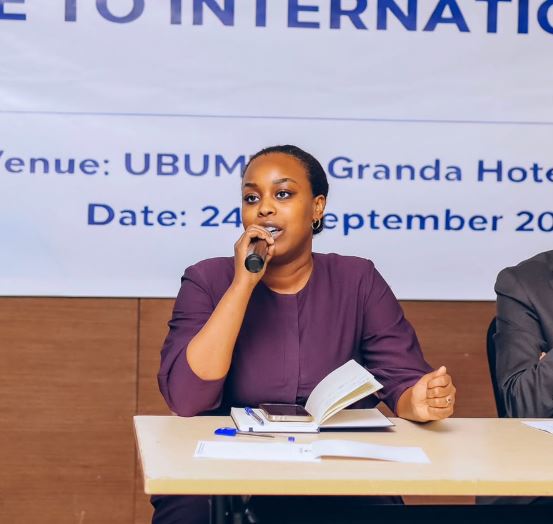
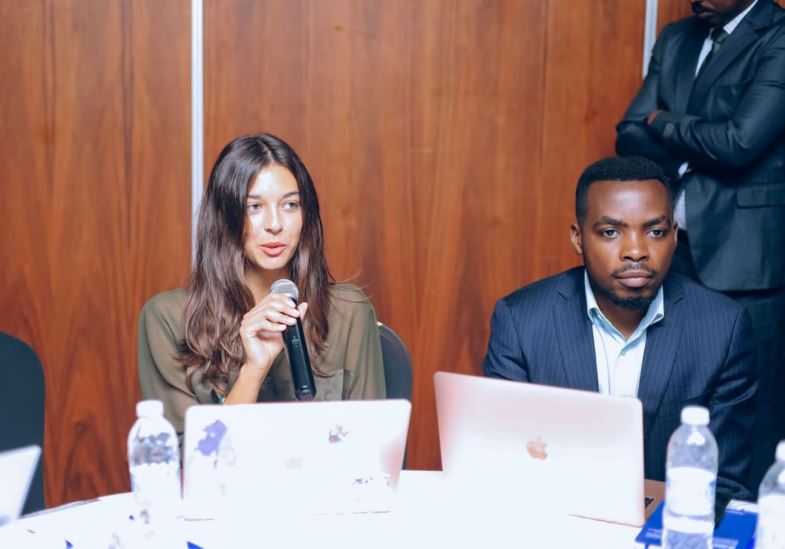
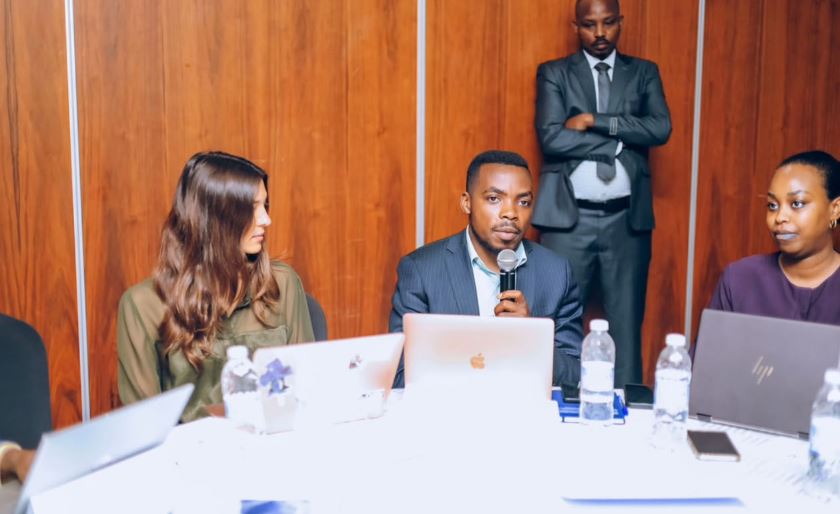
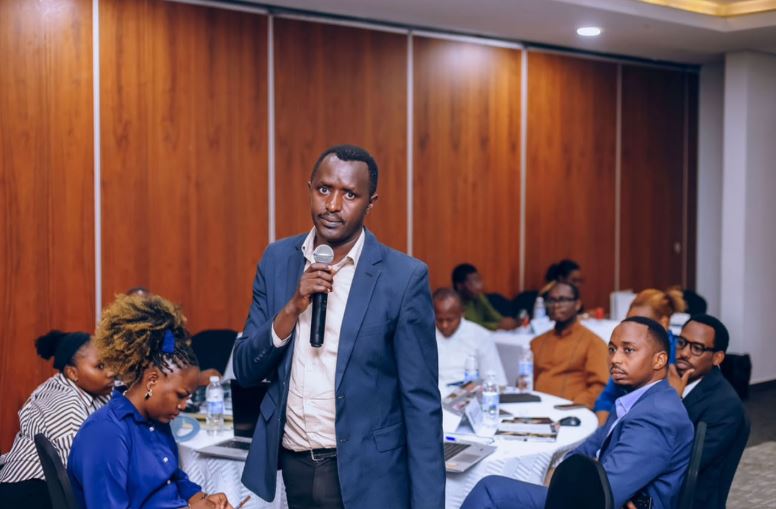
The call was made on Thursday, September 24, 2026, during a high-level meeting organized by GLIHD at Ubumwe Grand Hotel in Kigali, bringing together 47 participants, including government officials, civil society organizations, human rights groups, Organizations of Persons with Disabilities (OPDs), development partners and legal practitioners.
Supported by the United Nations Office of the High Commissioner for Human Rights (OHCHR) and Amplify Change, the meeting focused on the role of CSOs in monitoring and reporting Rwanda’s adherence to international and regional human rights treaties.
Opening the meeting, GLIHD Executive Director Advocate Vestine Umulisa said civil society plays an important role throughout the human rights monitoring process, from collecting and analysing evidence to preparing reports and following up on recommendations issued by international and regional mechanisms.
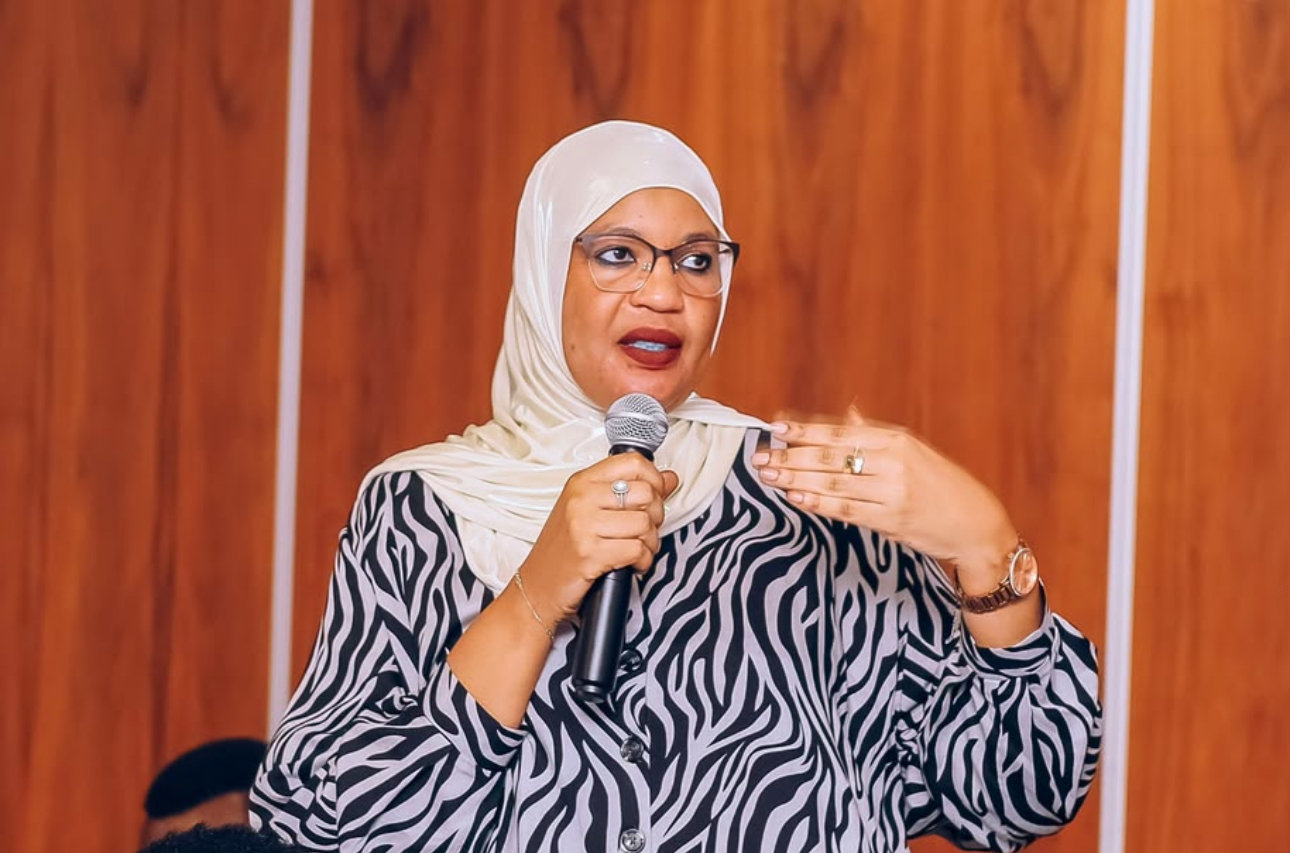
“Effective human rights monitoring should be evidence-based, constructive and inclusive,” Umulisa said.
She said CSOs can contribute through community-level monitoring, research, legal and policy analysis, advocacy, documentation and engagement with national, regional and international human rights mechanisms.
Umulisa also highlighted GLIHD’s experience in preparing and submitting alternative and shadow reports to international and regional mechanisms, including reports related to the rights of migrant workers, women, children, workers and people with disabilities.
Representing OHCHR, Human Rights Officer Evaristus Ngoran commended GLIHD for convening the dialogue and highlighted Rwanda’s acceptance of a big number of recommendations received during its latest Universal Periodic Review (UPR) as an indication of the government’s engagement with the mechanism.
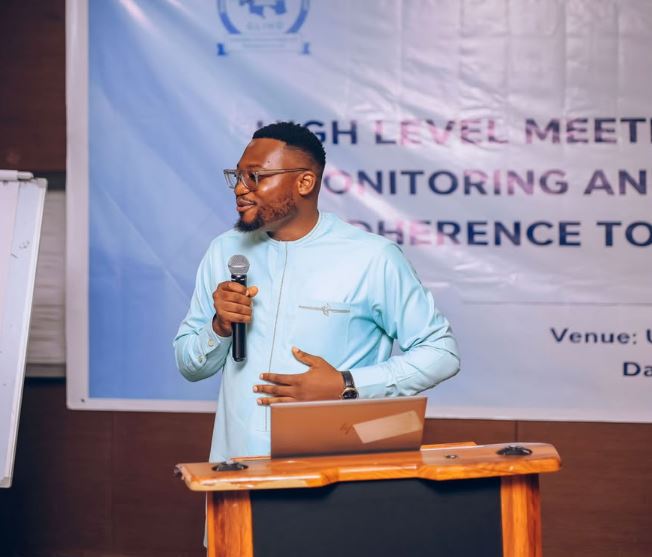
He said OHCHR continues to support the Government of Rwanda in implementing recommendations from UN human rights mechanisms and strengthening treaty-body reporting.
According to Ngoran, UN agencies are willing, within their respective mandates, to support Rwanda in implementing recommendations, while OHCHR also continues to work with umbrella NGOs in areas including civil and political rights, children’s rights and disability rights.
The meeting examined opportunities for CSO engagement with UN treaty bodies, the UPR and the African Commission on Human and Peoples’ Rights.
Participants also discussed how government–civil society cooperation has evolved since Rwanda’s first UPR cycle. They noted that engagement was initially limited, partly because the UPR was a new mechanism and there were misunderstandings and a lack of trust between government and CSOs.
However, cooperation has improved over subsequent cycles. Government institutions have increasingly provided data to CSOs during UPR reporting, while CSOs have been invited to provide input into the State report and contribute to the development of a roadmap for implementing recommendations.
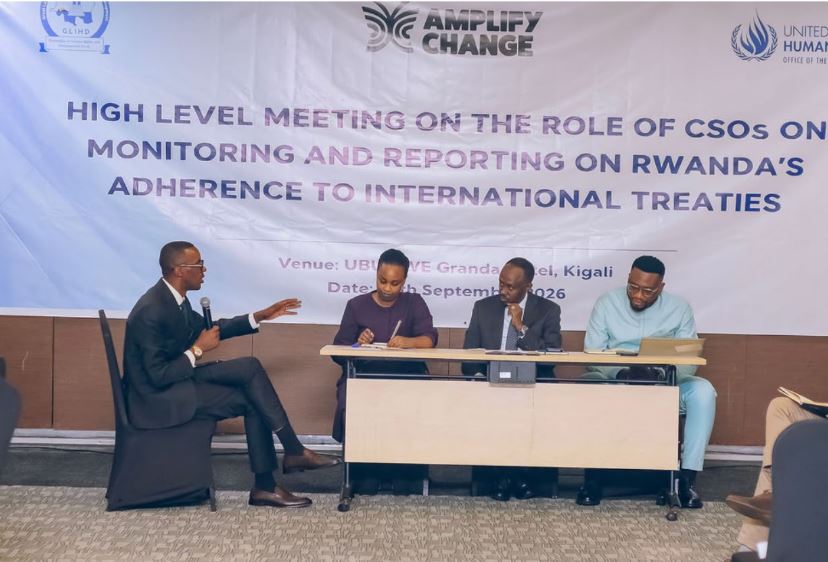
Consultant Christian Garuka also provided an overview of Rwanda’s international and regional human rights obligations, explaining that ratified treaties have legal force in the country in accordance with the Constitution.
He outlined the reporting obligations under major UN and African human rights instruments, including the submission of initial and periodic reports detailing measures taken, progress made, challenges encountered and implementation of previous recommendations.
The discussion also distinguished between UPR recommendations, which are made by states through an intergovernmental peer-review process, and concluding observations issued by UN treaty bodies made up of independent experts.
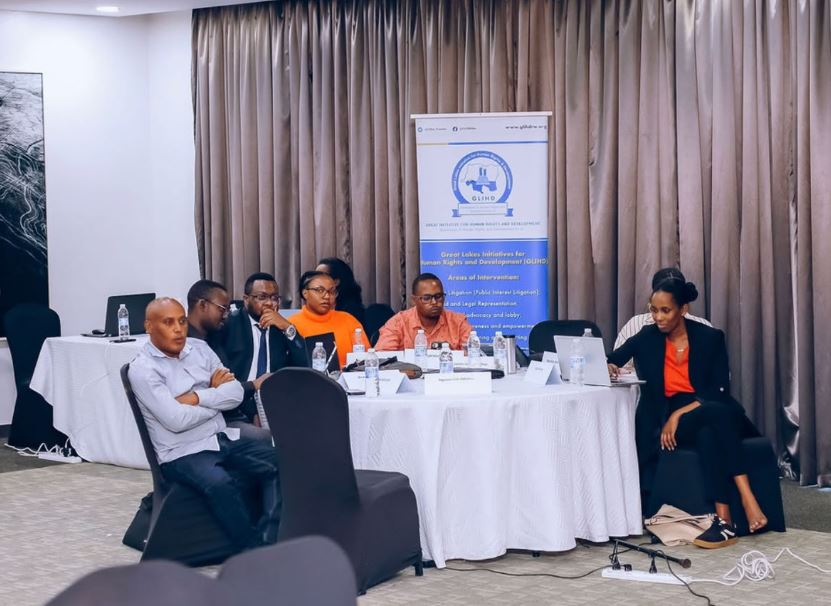
CSOs were advised to ensure that submissions are accurate, evidence-based, objective and credible, with concrete recommendations. They were also encouraged to work through coalitions to combine expertise and resources and avoid duplication.
Closing the meeting, Kananga thanked GLIHD for providing a platform for stakeholders to exchange experiences and identify practical actions to strengthen human rights monitoring and reporting.
He emphasized that human rights advocacy requires patience, resilience and determination, while encouraging stakeholders to work together to strengthen credibility, mobilize resources and use them efficiently.
The meeting provided an opportunity for government institutions, CSOs, human rights organizations and development partners to identify areas for continued cooperation in monitoring and implementing Rwanda’s international and regional human rights commitments.


theinspirerpublications@gmail.com



Leave a Reply