
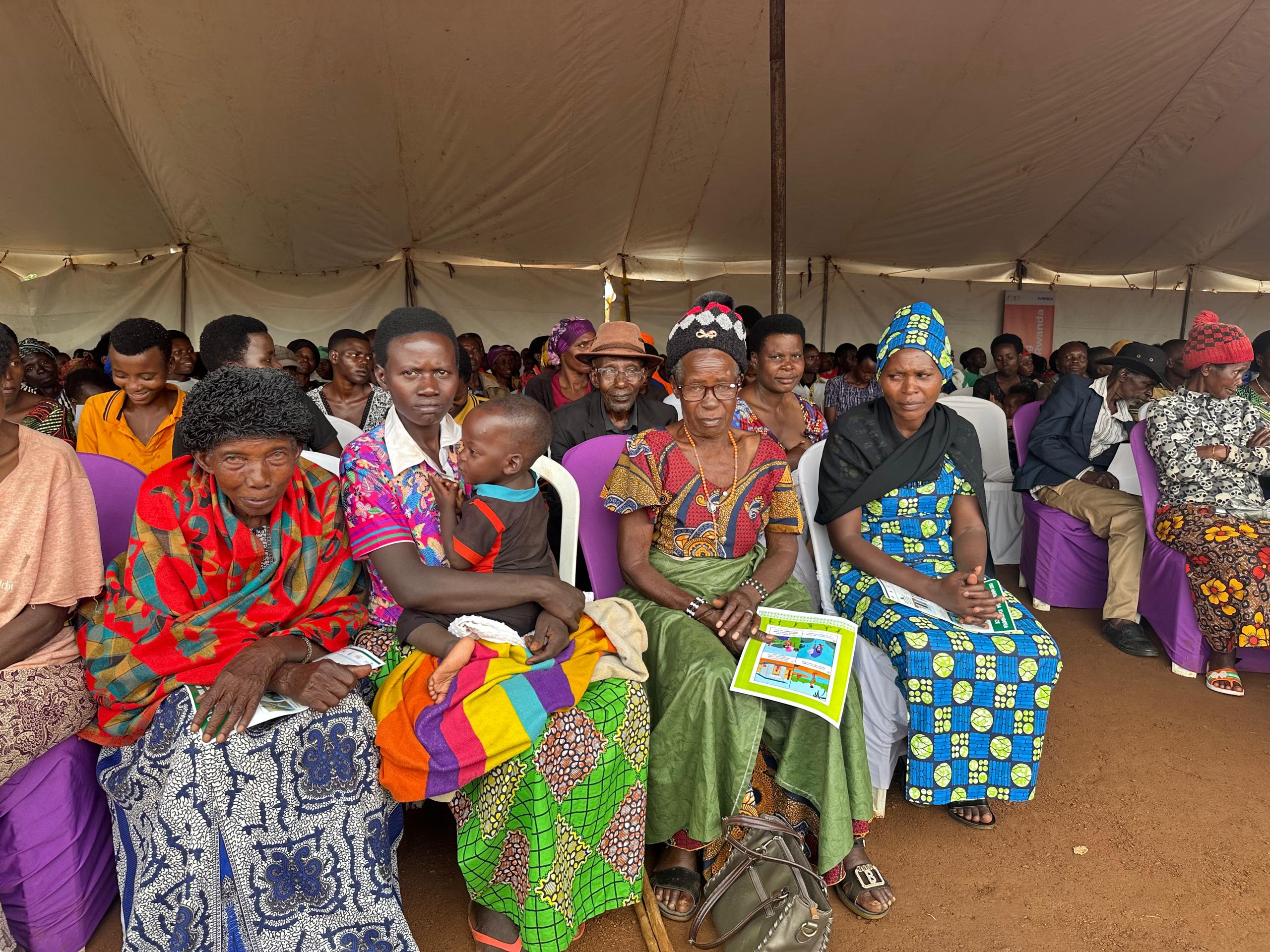
Rwanda NGOs Forum leads Bugesera campaign to eliminate intestinal worms and bilharzia
By Elias HAKIZIMANA.
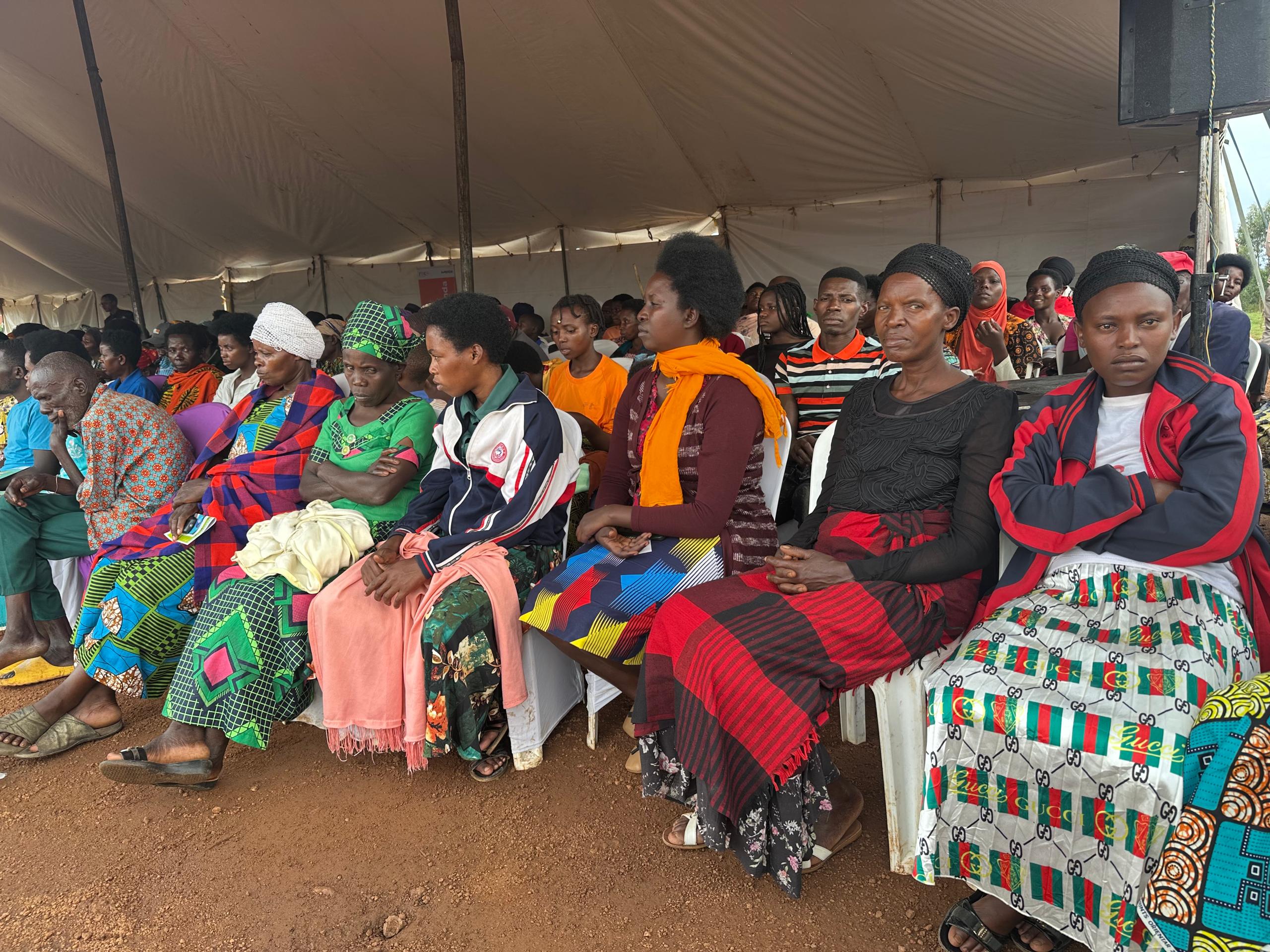
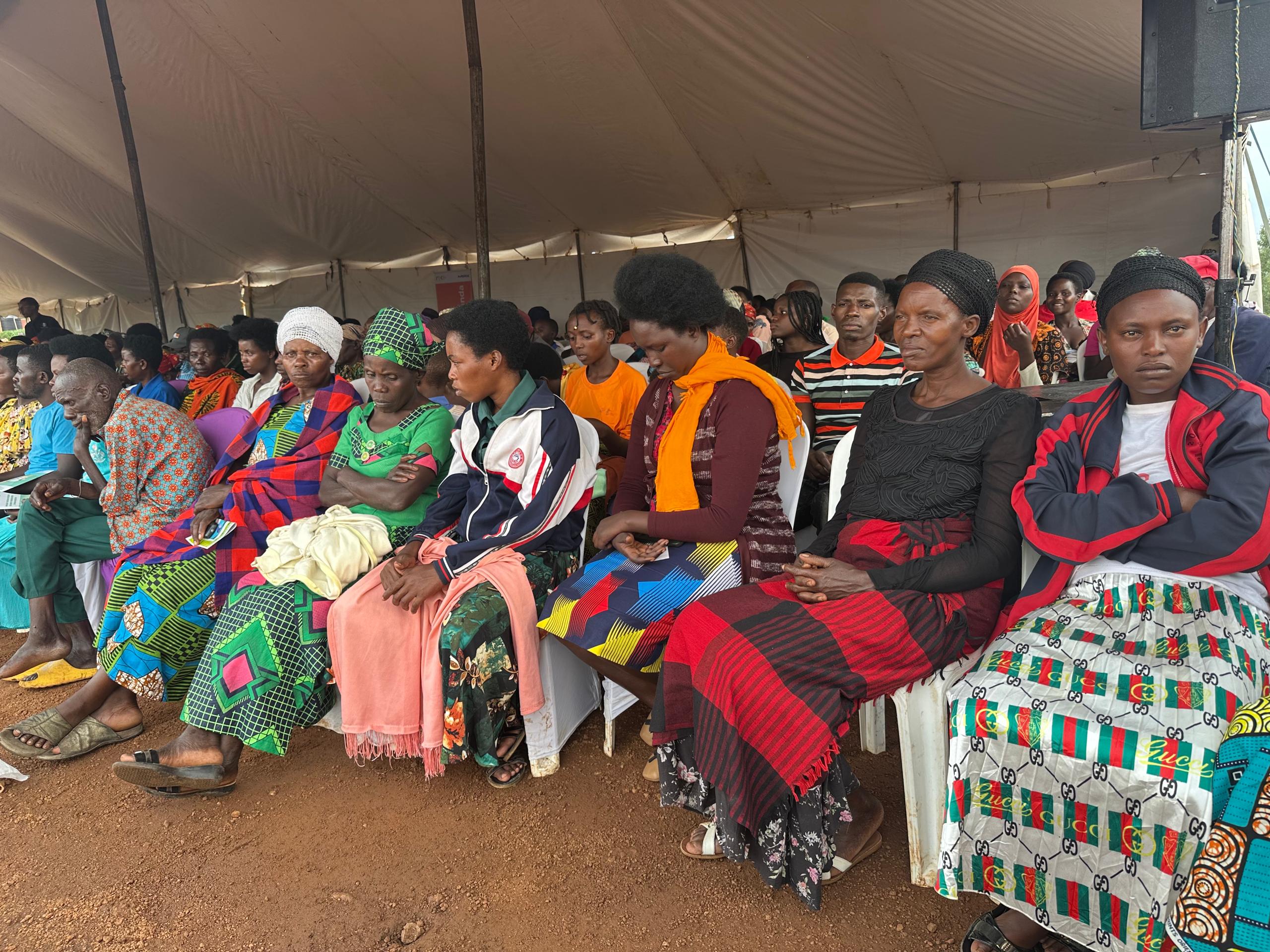
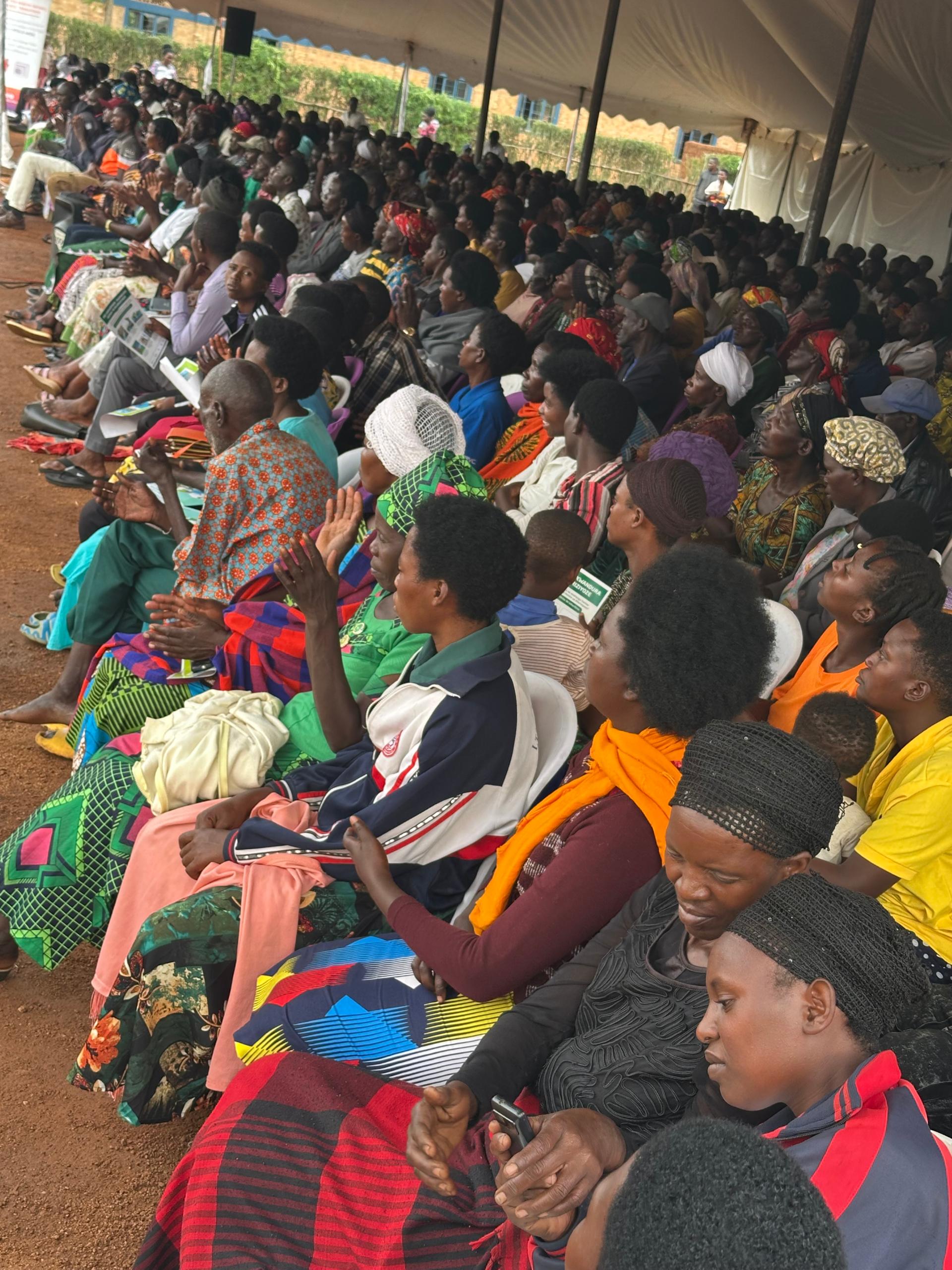
Bugesera District, in partnership with the Rwanda Biomedical Centre (RBC) and health organizations, has launched a community awareness campaign aimed at eliminating intestinal worms and bilharzia—diseases that continue to affect children and families in parts of Rwanda.
The campaign is being spearheaded by the Rwanda NGOs Forum, the main organizer coordinating local efforts.
The launch event took place on Thursday, November 20, 2025, at GS Rugarama in Bihari Cell, Ruhuha Sector. The campaign seeks to promote safe water practices, improved sanitation, and access to treatment, particularly among vulnerable groups.

Neglected diseases still affecting lives
Although preventable, diseases such as intestinal worms and bilharzia (schistosomiasis) remain a public health concern in Rwanda. Poor hygiene, unsafe water, and frequent contact with contaminated wetlands expose many communities, especially farmers and school-age children, to infection.
According to national statistics shared during the event, Bugesera and Ruhango districts remain high-risk areas.
Eric Saramba, the Coordinator of Neglected Tropical Diseases (NTDs) at the Rwanda NGOs Forum on AIDS and Health Promotion, said recent assessments show that eight out of nine people in Bugesera are exposed to intestinal worms, while 80 out of 100 people in Burera face similar risks.
“Together with the Ministry of Health and RBC, and with support from the END FUND, our goal is to reduce these infections so that by 2027, only two out of every 100 people in Bugesera and Ruhango are infected,” Saramba said. He added that Rwanda has committed to the World Health Organization (WHO) target of eliminating NTDs in low-income countries by 2030.
He emphasized that community participation is critical: “We need to listen to citizens so that our advocacy and prevention strategies address real needs on the ground.”

Students join awareness efforts
Secondary school students participated in the campaign, receiving practical lessons on hygiene and sanitation.
Manasseh Nyandwi, a Senior Three student at GS Rugarama, said he learned how unsafe hygiene practices fuel infections.
“Cleaning toilets properly and washing hands with water and soap can protect us from intestinal worms and diseases like diarrhea and cholera,” he said.
Julienne Niyomushumba, a Senior One student, stressed the importance of preventive measures, saying students “must use proper hygiene tools and avoid practices that put us at risk.”

Farmers among the most exposed
Bilharzia, transmitted through contact with contaminated water, remains a major threat to communities working in wetlands, including rice farmers.
Liberee Mukankundiye, a mother of three from Bihari Cell, said farming exposes them daily. “Our activities are in marshlands. We need boots and gloves to protect ourselves,” she explained. “I used to suffer from these diseases, but after receiving medication from the government and partners, my children and I no longer get sick. Communities must take the medicine when it is given.”
Strengthened local response
Bugesera District officials say they are working closely with RBC and local partners to expand treatment and prevention programs.
Theodore Bagaragaza, an officer in charge of health promotion and disease prevention in the district, said Bugesera’s geographic makeup increases exposure.
“Bugesera is surrounded by many lakes, and historically, these waters have contributed to persistent infections,” he said. “Partners such as the Rwanda NGOs Forum have helped by strengthening prevention and treatment, just as in the fight against malaria.”
He noted that mass drug administration campaigns are conducted twice a year, helping reduce infection rates and ensuring citizens “stay healthy and productive instead of spending time in health facilities.”
Bagaragaza called for joint efforts to fight malaria and NTDs, saying both require strong hygiene and environmental management.

A call to action
Officials and partners are urging parents, schools, and community health workers to play an active role in promoting sanitation and ensuring children receive deworming medication.
The campaign continues across Bugesera communities in the coming months, with an emphasis on protecting schoolchildren, farmers, and families living near water bodies.
“Let’s fight hygiene-related diseases and build the Rwanda we want.”


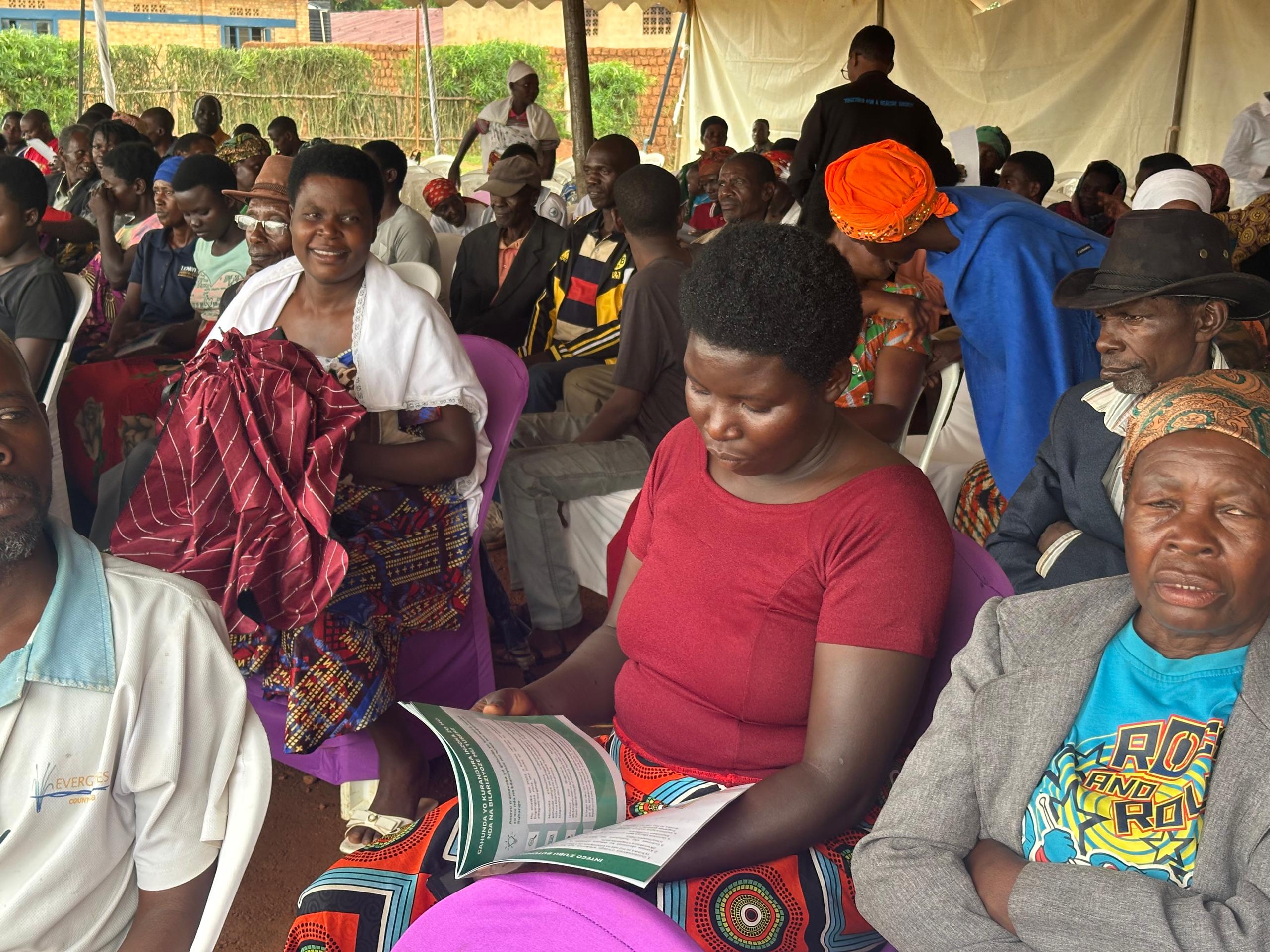
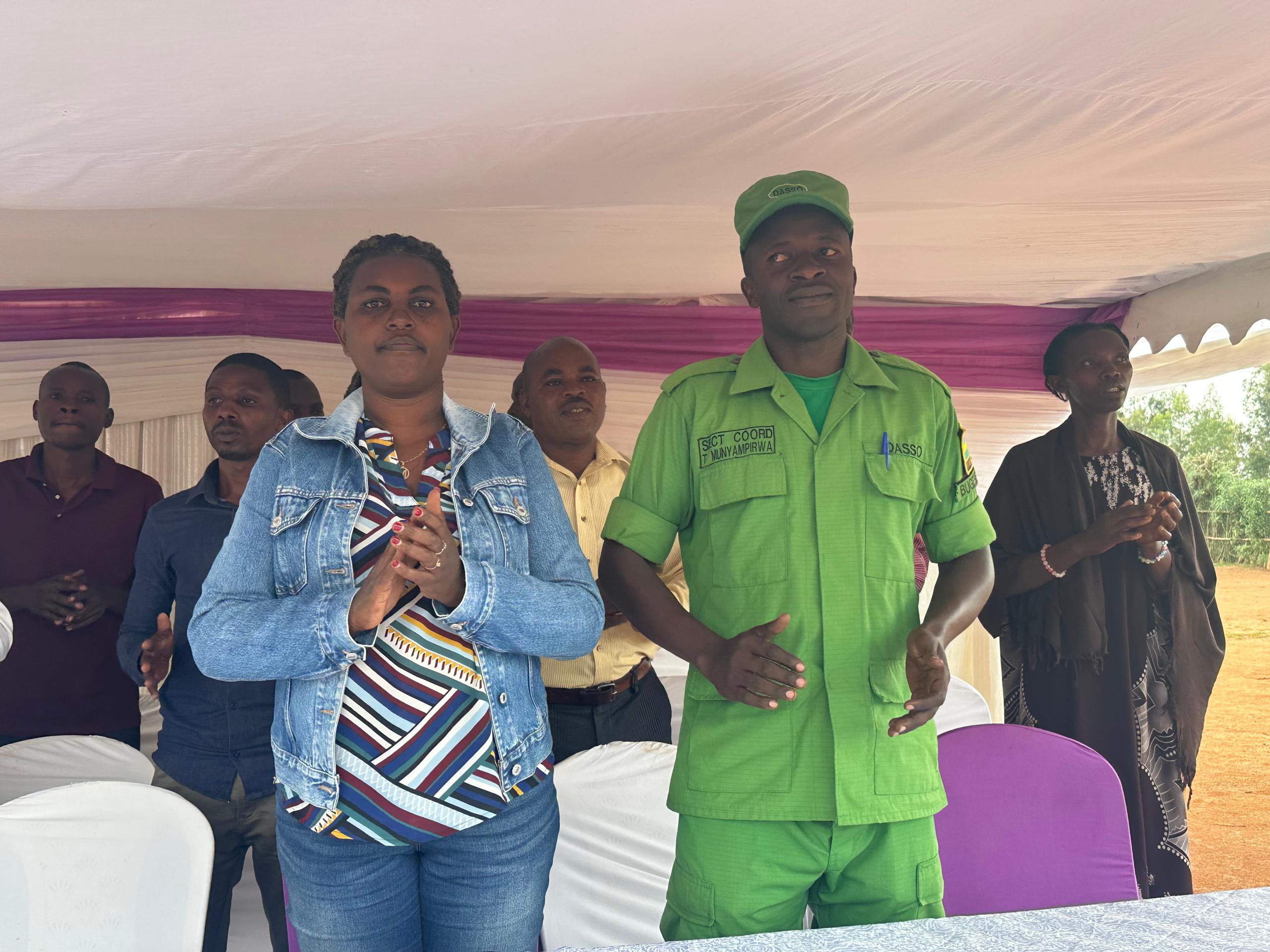 Officials from Bugesera District, Rwanda NGOs Forum, and RBC launch a campaign to eliminate intestinal worms and bilharzia at GS Rugarama in Ruhuha Sector.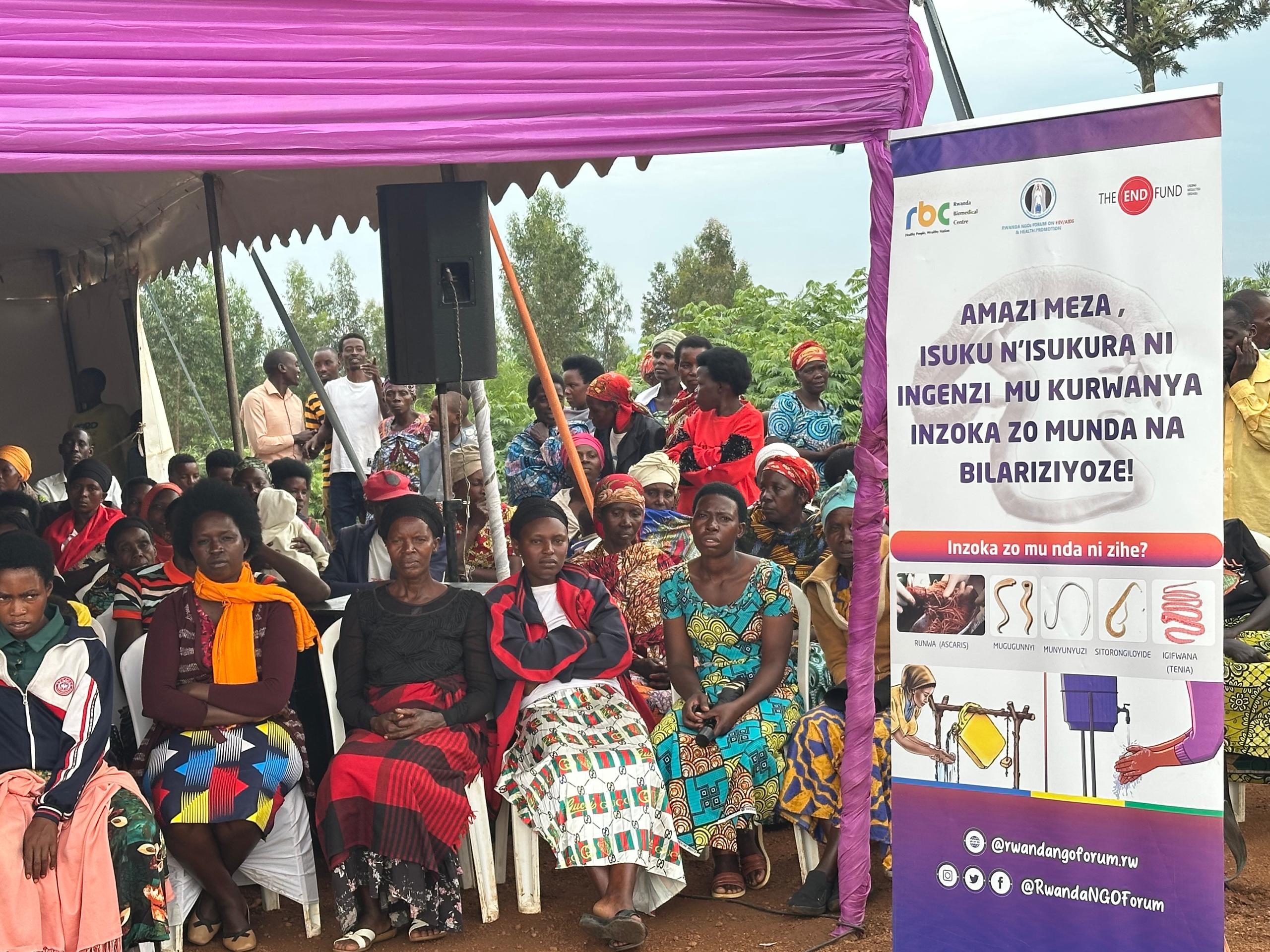
 theinspirerpublications@gmail.com


Leave a Reply