
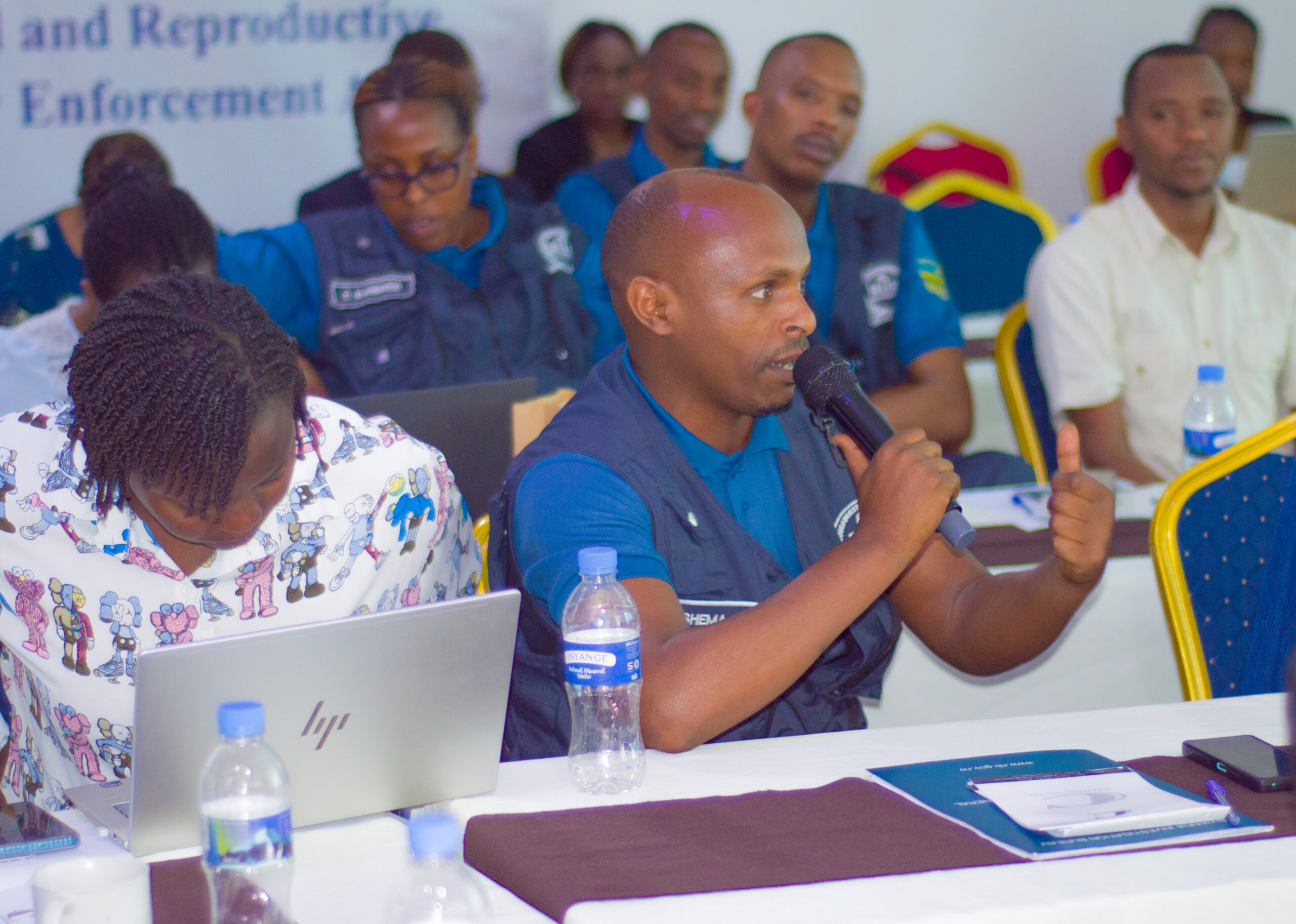
Rwanda justice officers urged to put survivors at the centre of sexual violence cases
By Elias Hakizimana.
Survivors of sexual violence can face additional distress when seeking justice because of stigma, family pressure, repeated questioning and fear that their privacy will not be protected.
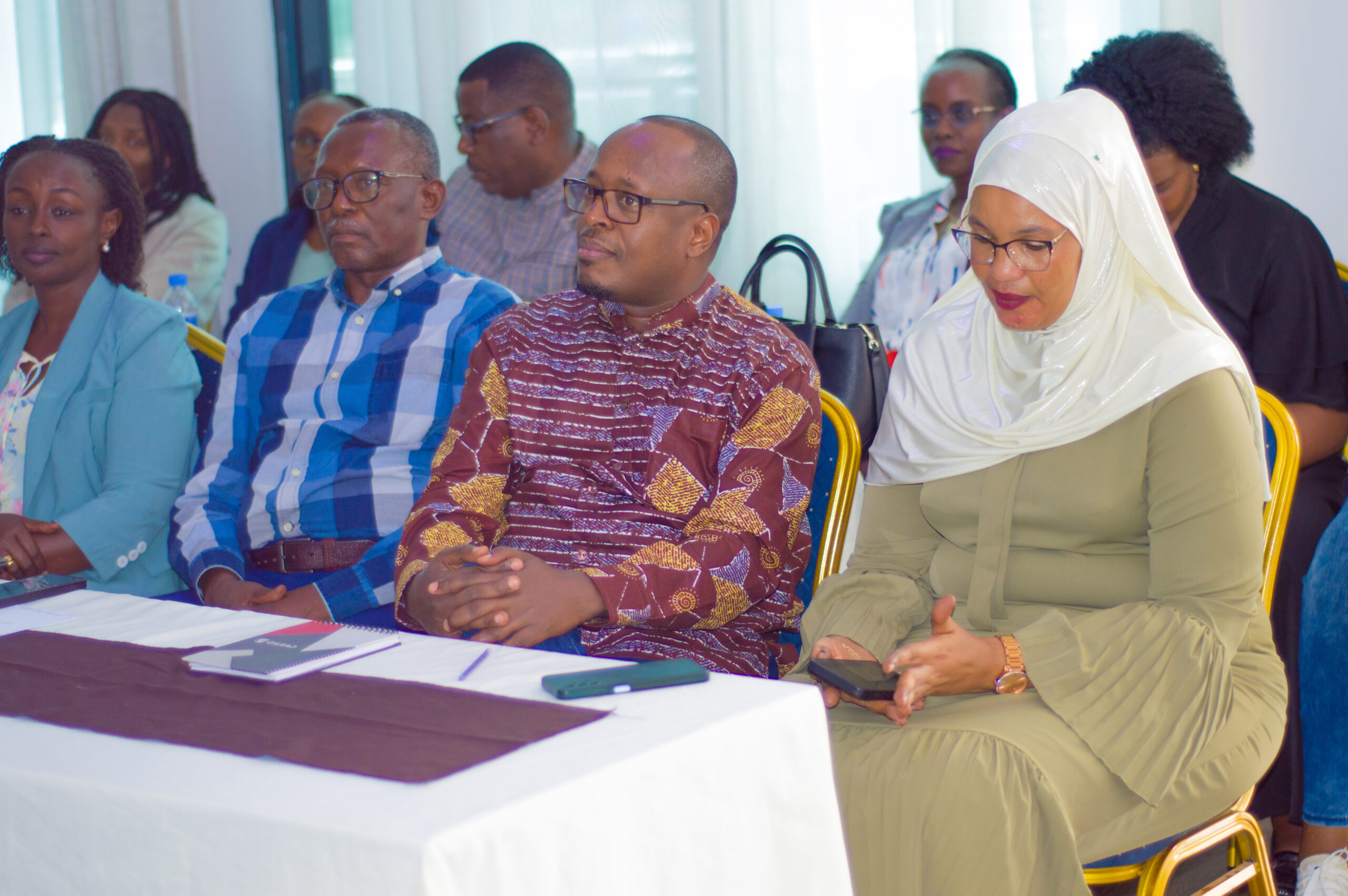
These challenges were discussed during a two-day training in Kigali that brought together investigators, prosecutors, police officers and correctional service personnel to strengthen responses to violations of sexual and reproductive health and rights.
Organised by the Great Lakes Initiative for Human Rights and Development (GLIHD) from October 15 to 16, 2026, the training focused on improving investigations, evidence management and coordination while ensuring survivors are treated with dignity.
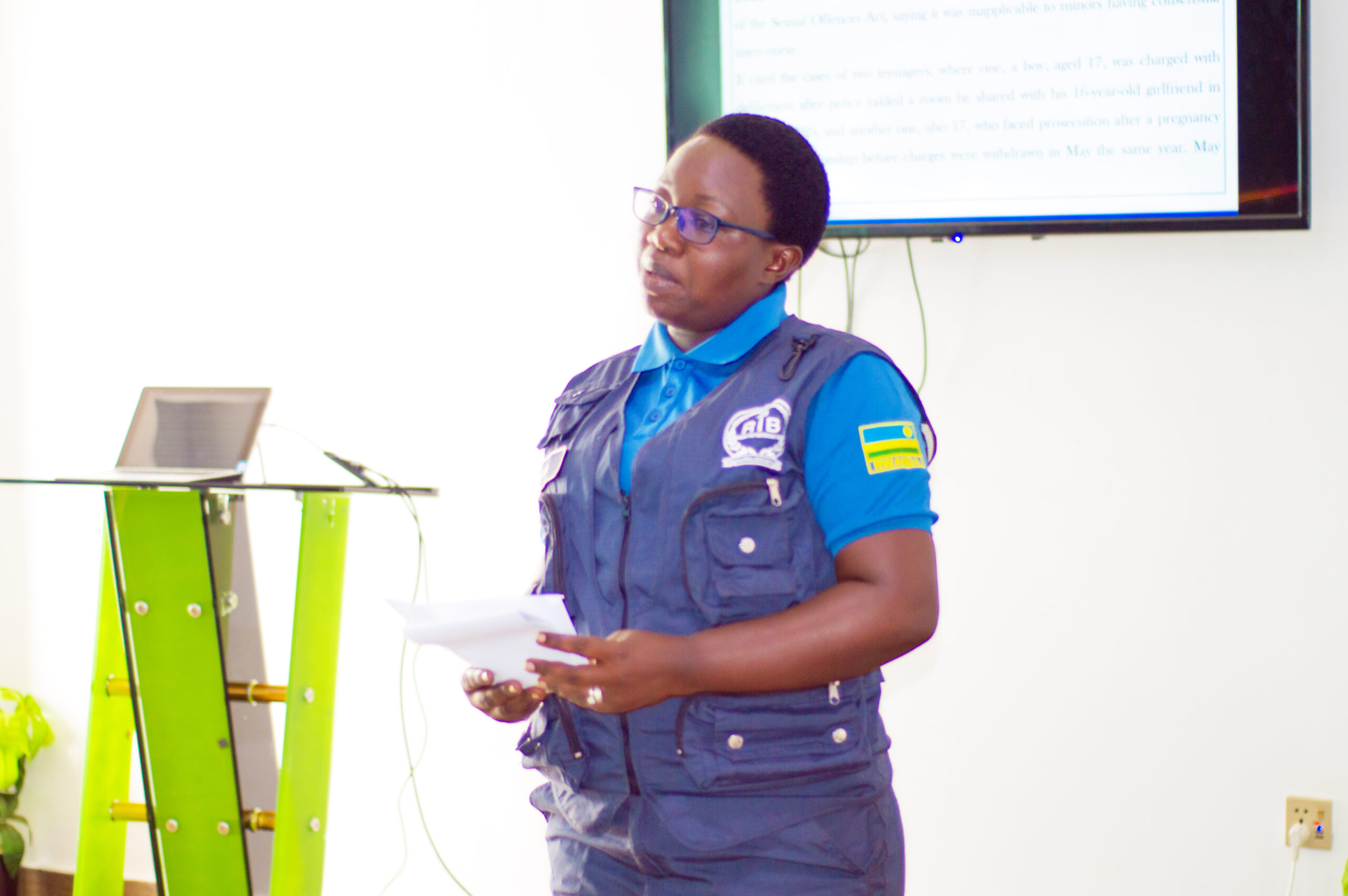
Hortance Umuhoza, a prosecutor at the Burera Prosecution Office, said delayed reporting, weak evidence collection and pressure to settle cases informally can undermine prosecution.
“Many survivors report late because of fear, shame, stigma, or pressure from family. By then, physical evidence has often disappeared and medical examination is less useful,” she said.

Umuhoza added that survivors may fear retaliation, rejection or being blamed, while some families pressure them to withdraw complaints. Such circumstances can weaken cases and discourage people from pursuing justice.
She urged investigators and prosecutors to ensure survivors are promptly referred to health facilities or Isange One Stop Centres, while medical reports, witness statements and other evidence are properly collected and preserved.
She also emphasised the need to limit repeated interviews and question survivors in safe, private settings.
“Treat survivors with respect, explain each step of the process in simple language, avoid blaming questions, and respect their consent and wishes,” she said.
Umuhoza said the most valuable lesson from the training was the need to combine a survivor-centred approach with early coordination among institutions. She intends to strengthen case files, improve referrals and work with local partners to encourage early reporting.
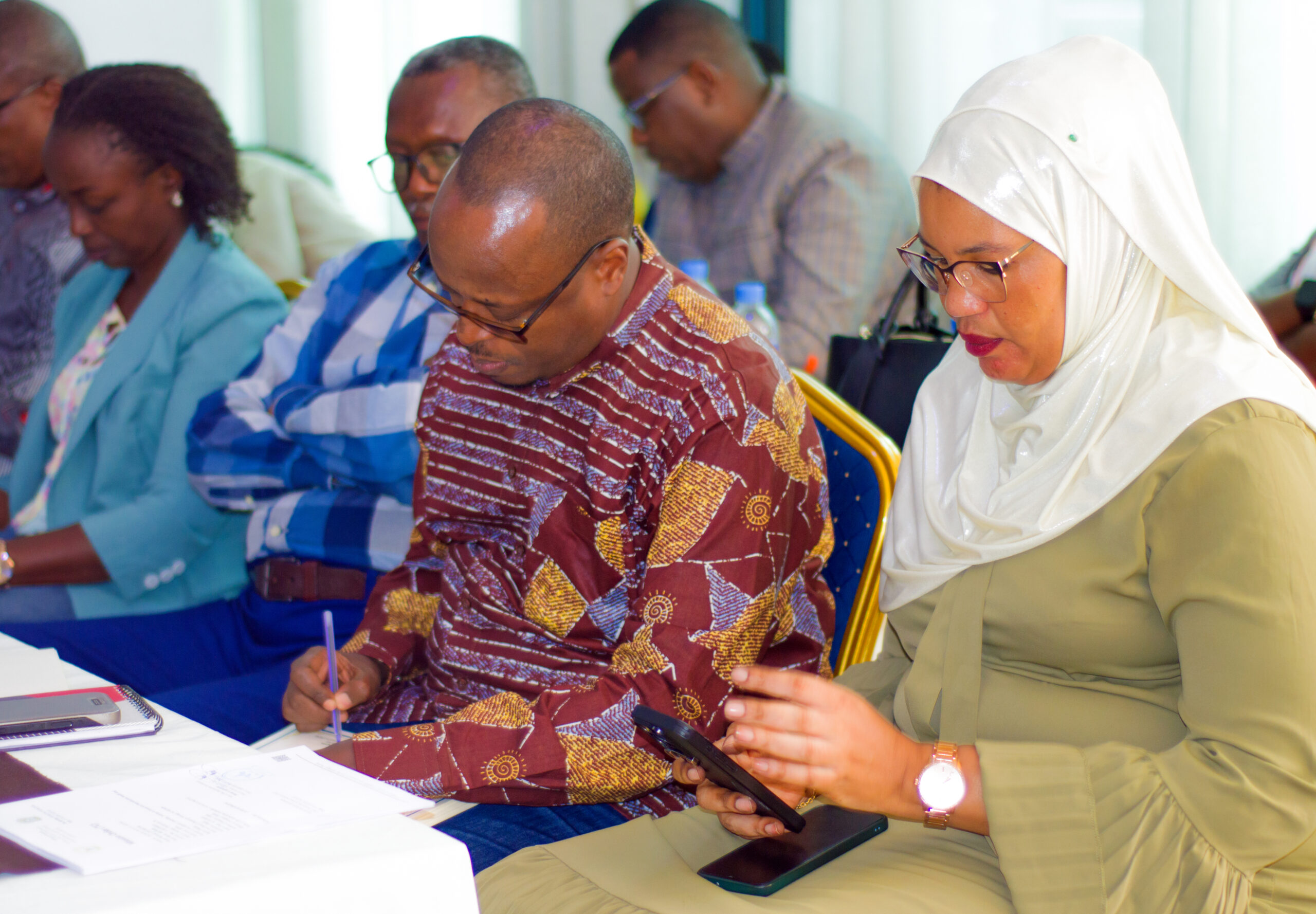
The discussions also involved officials from the Rwanda Investigation Bureau (RIB), highlighting the importance of cooperation between investigators, prosecutors and healthcare providers to ensure cases are handled effectively without compromising survivors’ privacy and safety.
Vestine Umulisa, Executive Director of GLIHD, said the training provided an opportunity for institutions to assess progress in protecting sexual and reproductive health and rights and identify areas requiring improvement.
“We wanted to discuss together what is being done and what has been done in relation to sexual and reproductive health and rights,” she said.
She referred to Rwanda’s commitments under the Maputo Protocol, which outlines obligations to promote and protect women’s rights, including their health and reproductive rights.

Dr Aflodis Kagaba, Executive Director of Health Development Initiative (HDI), said the training should encourage more inclusive responses, particularly for marginalised groups.
“We are hoping that this is really more of a reflection on how we can work together to ensure that whatever we do, we are centred in human rights,” he said.
Kagaba said HDI would continue supporting training, community awareness and collaboration among stakeholders to help people access healthcare and justice without discrimination.

The training was conducted under GLIHD’s project, Advancing SRHR Justice: Strengthening Legal Capacity and Public Interest Litigation in Rwanda, with financial support from the Swedish International Development Cooperation Agency (Sida) through HDI.
Established in 2011, GLIHD works in strategic litigation, research, advocacy, human rights monitoring and capacity building. The project seeks to improve legal protection and access to justice for people affected by sexual and reproductive health and rights violations in Rwanda.
theinspirerpublications@gmail.com
Related photos:
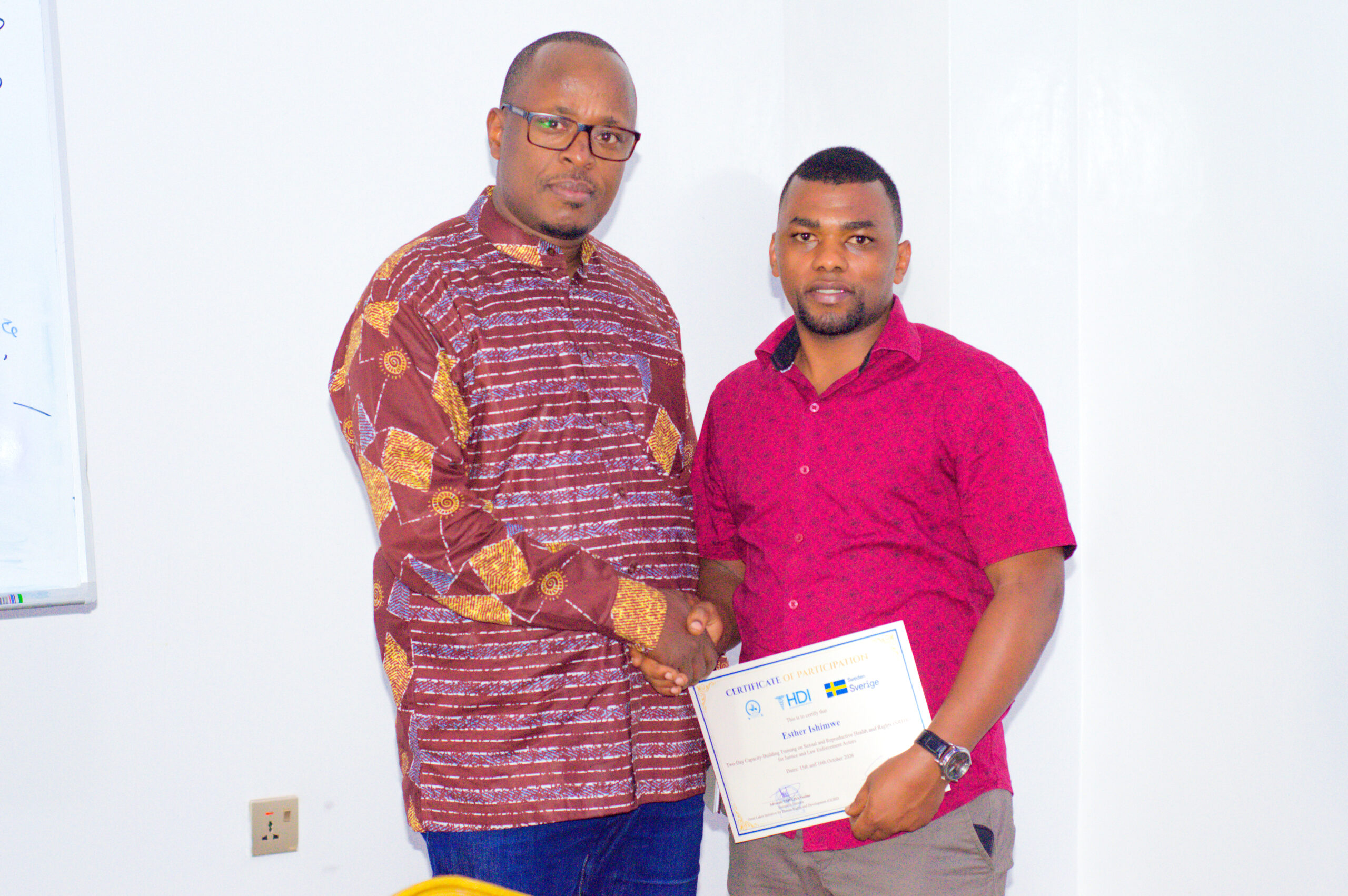
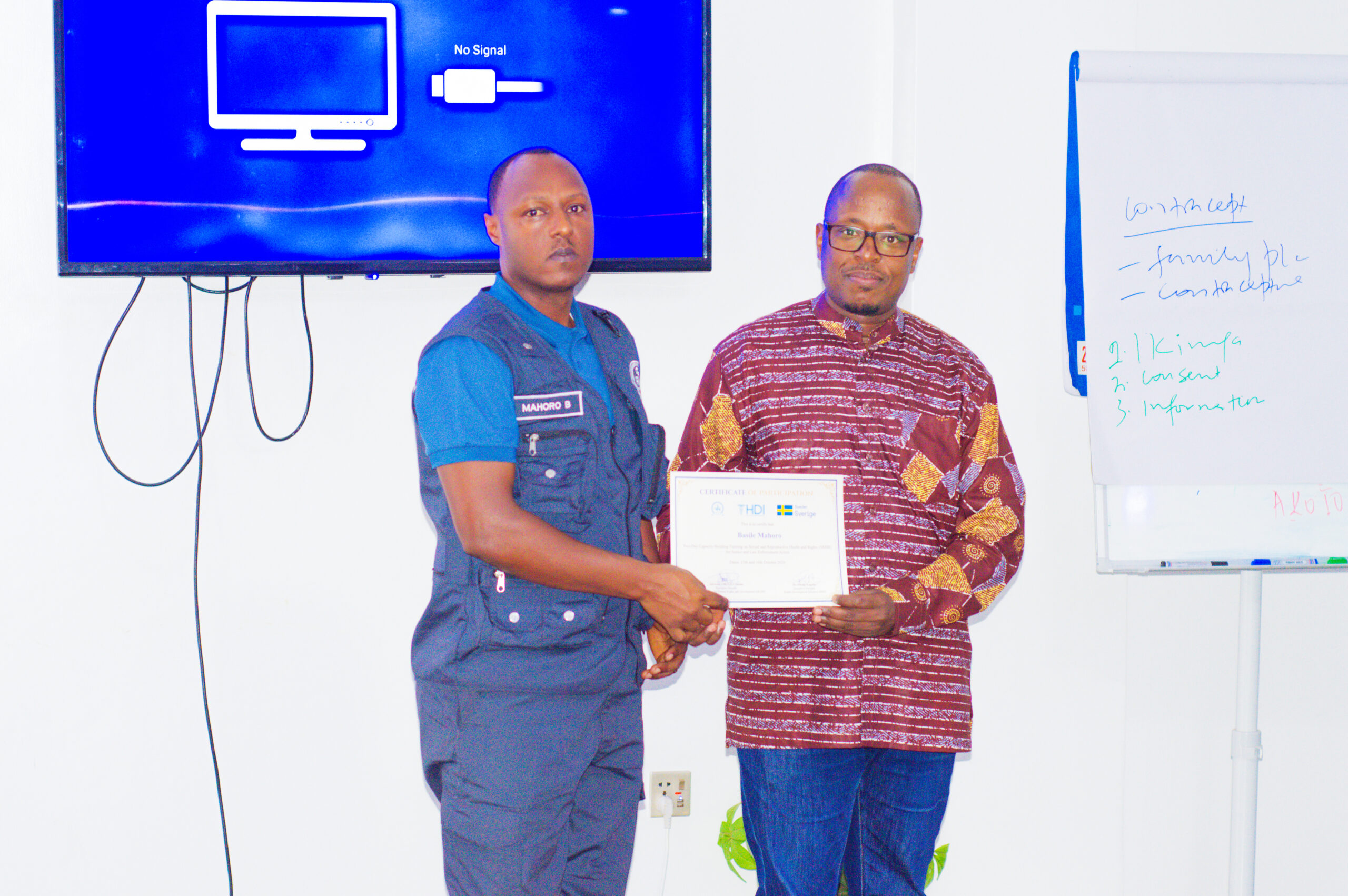


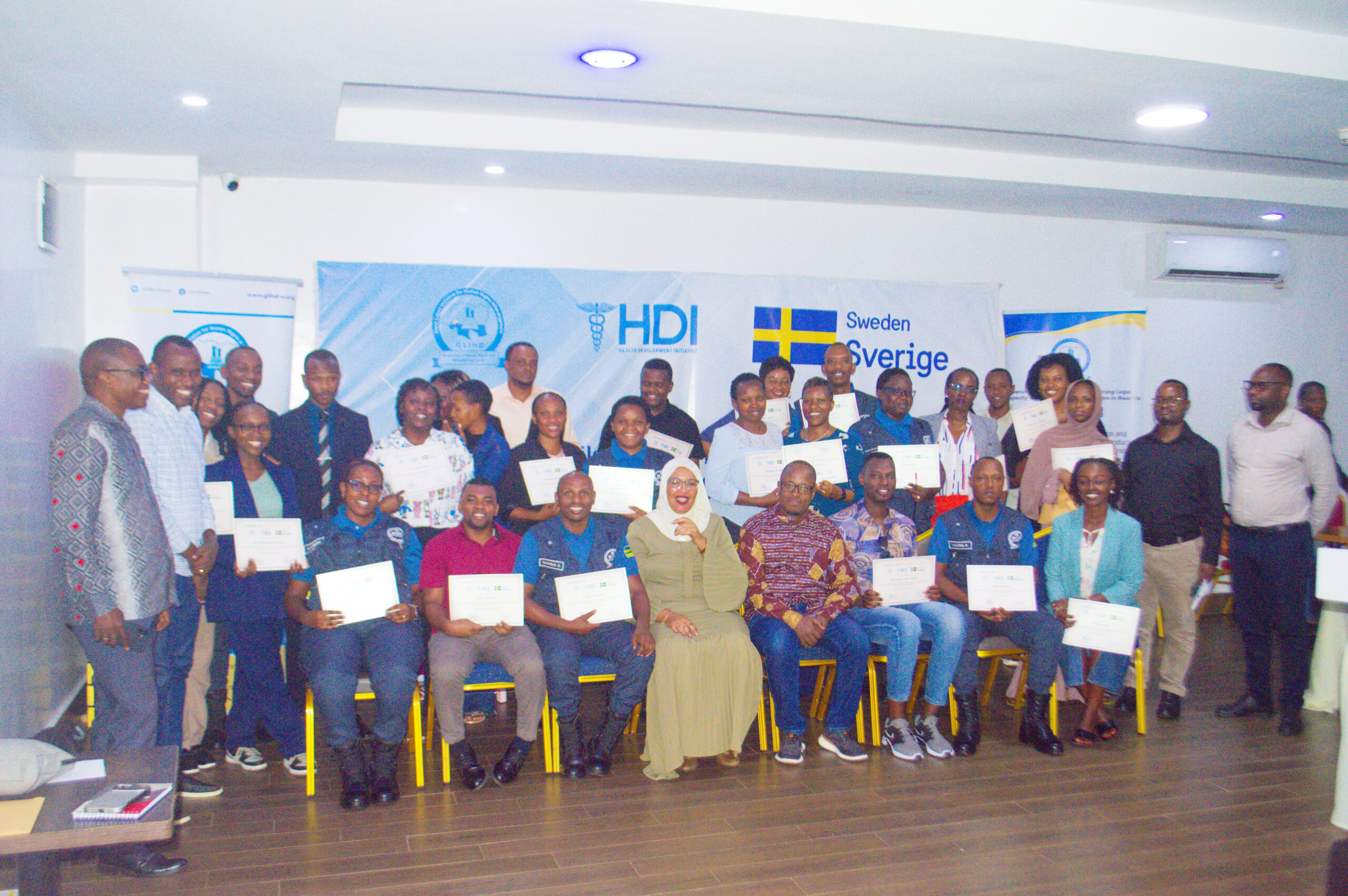 Participants pose for a group photo at the conclusion of the training.




Leave a Reply