
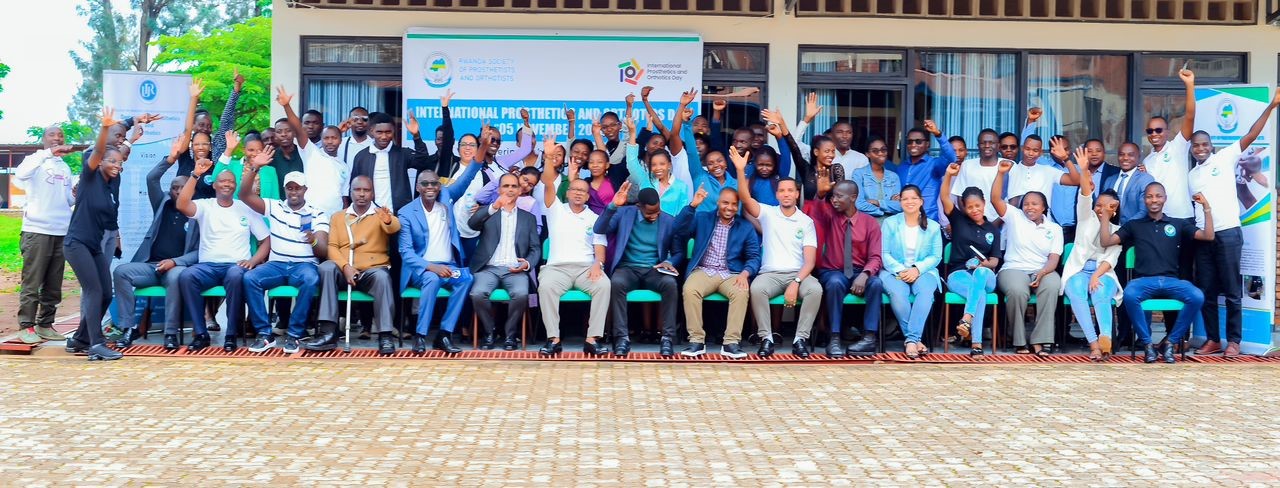
Rwanda Celebrates Inaugural International Prosthetics and Orthotics Day: A Glimpse into the Evolution of Rehabilitation Services
By Elias Hakizimana.
-
The article highlights Rwanda’s progress in the field of prosthetics and orthotics, from a challenging past to improved access and the incorporation of advanced technology.
-
It also emphasizes the importance of partnerships and support from various organizations and stakeholders in advancing the field and improving services for persons with disabilities.
In a historic moment, the Rwanda Society of Prosthetists and Orthotists (RSPO) and its partners marked the first-ever celebration of International Prosthetics and Orthotics Day on Sunday, November 5, 2023.
This day, established by the International Society for Prosthetics and Orthotics (ISPO), gathered medical professionals, orthopedists, and prosthetists to reflect on their work and address existing challenges.
Before delving into the significance of this event, it’s essential to understand the evolution of orthopedics and prosthetics services in Rwanda. The origins of this crucial field date back to pre-genocide times, but it struggled to reach its full potential due to a lack of infrastructure and skilled professionals. However, post-genocide, the demand for these services surged as many survivors needed assistance to cope with severe injuries and the loss of limbs sustained during the conflict.
“Increased disability, compounded by the consequences of the genocide and polio outbreaks, made it clear that there was a substantial need for prosthetics and orthopedics in Rwanda,” explained Innocent Mbonyinshuti, RSPO Vice President.
“We’ve come a long way since then, with professionals now equipped with university-level education and the services decentralized to district hospitals, covered by health insurance,” Mbonyinshuti added.
Despite these advancements, the cost of prosthetics and orthopedics remains a concern, prompting advocates to push for further reductions in expenses.
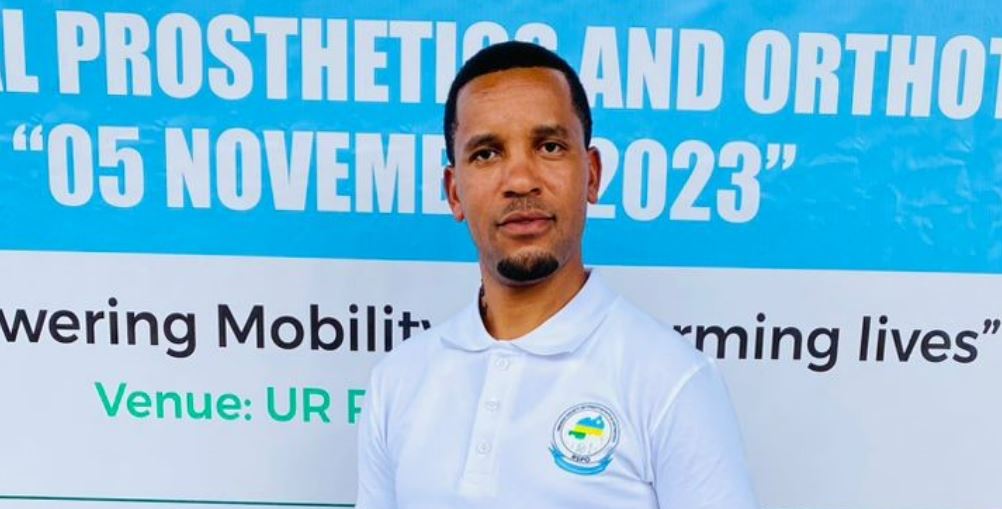
Dharia Iradukunda, a graduate of Prosthetics and Orthotics at the University of Rwanda’s Remera campus, emphasized the importance of support from investors and individuals to make these vital services more accessible to Persons with Disabilities (PWDs).
“We are happy and lucky enough to serve our people as we are employed by the Ministry of Health but, we need to upgrade our degrees from advanced diplomas to Bachelors and Masters,” Iradukunda says.
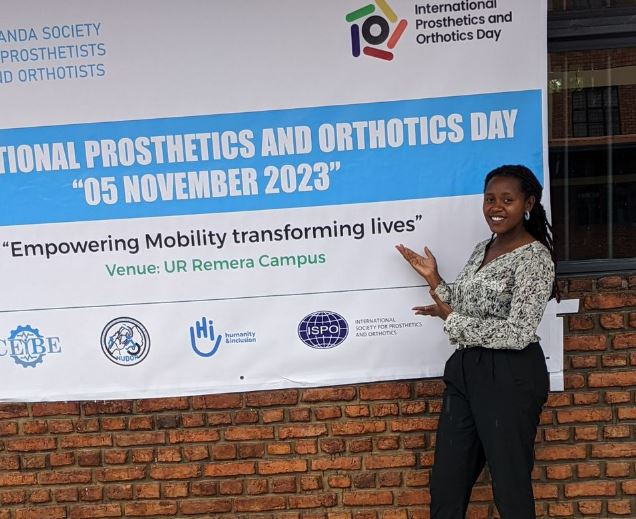
Challenges with Lack of Workshops
Fidèle Butera, a Senior Prosthetist at Gahini Rehabilitation Centre, noted that this shift has been pivotal in improving the quality and efficiency of prosthetic and orthopedic devices. However, he also raised concerns about the lack of orthopedic workshops for graduates to further enhance their skills and experience.
The International Prosthetics and Orthotics Day, previously celebrated mainly in Europe, is now a significant milestone in Rwanda and Africa.
The focus has shifted from using wood and metal to produce low-quality prosthetic limbs to using advanced components and modular systems.
Transition to 3D Printing Technology
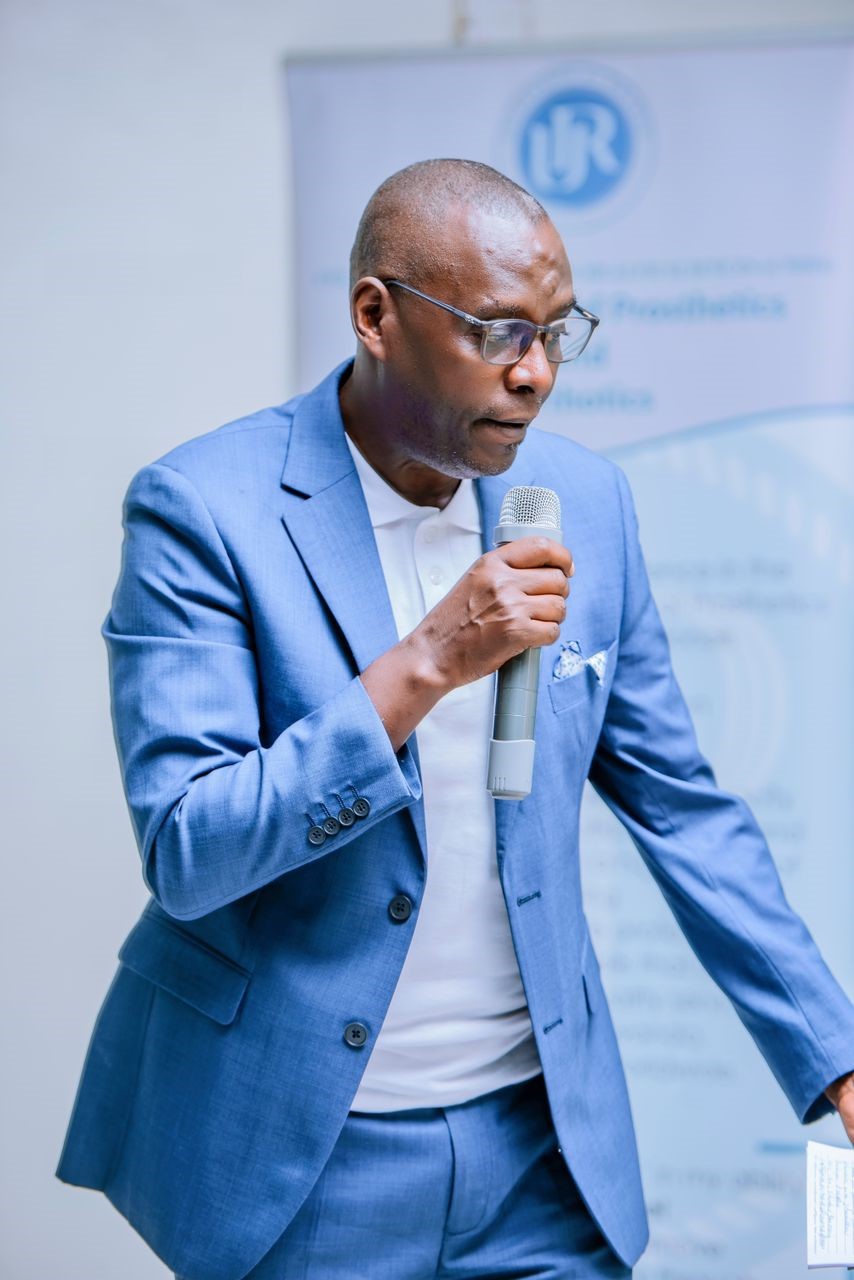
According to Jean Marie Vianney Semana, Assistant Lecturer at UR-Remera campus in the School of Orthopedics and Prosthetics manufacturing, the adoption of 3D printing technology has expedited the process of creating prosthetics, making high-quality devices more accessible to those in need.
“The journey of prosthetics and orthotics in Rwanda has seen a transition from traditional materials like leather to cutting-edge 3D printing technology.” Semana explained.
Partnership and Support
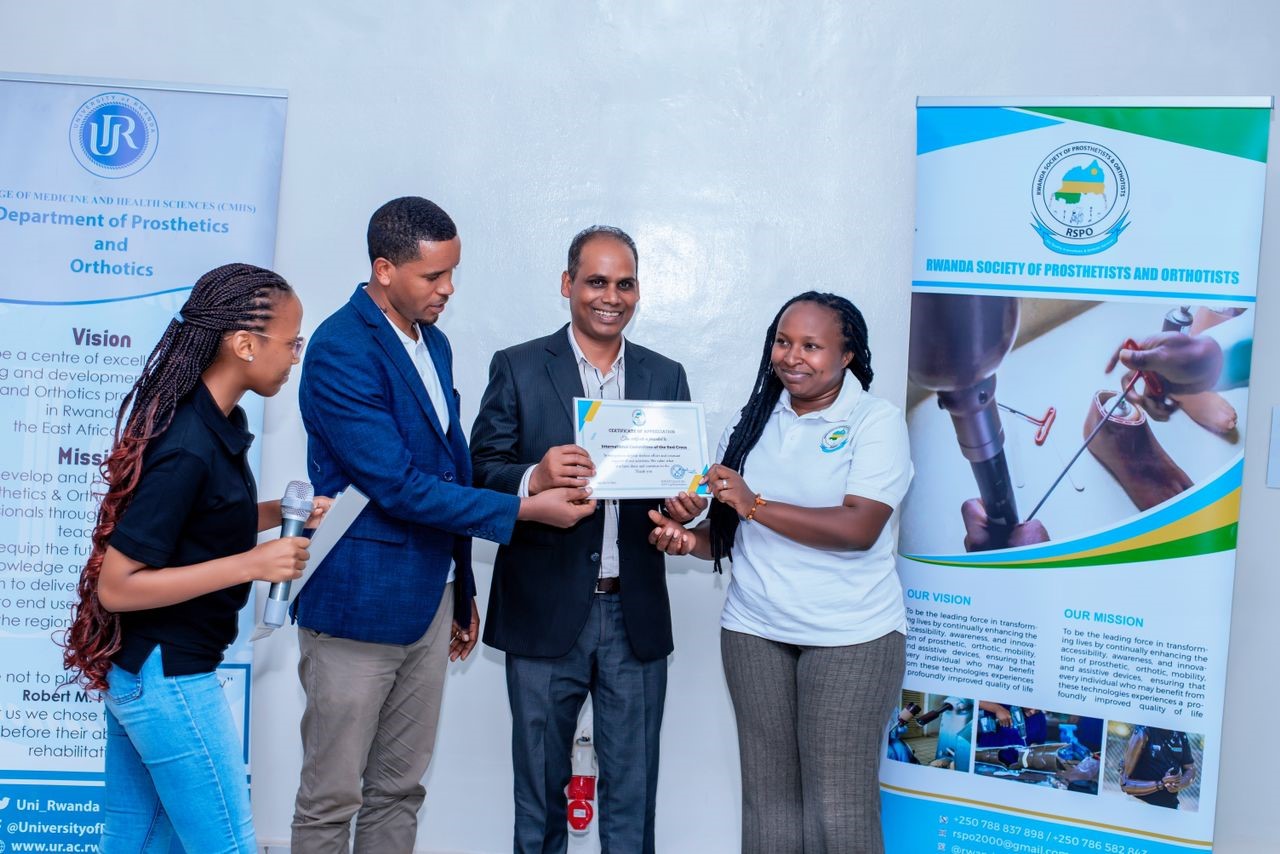
Jean d’Amour Uramutse, Health Program Manager from the National Union of Disability Organizations of Rwanda (NUDOR), praised the Ministry of Health for providing assistive devices to hospitals through Community-Based Health Insurance (CBHI). This initiative has significantly improved services for persons with disabilities.
Furthermore, the International Committee for the Red Cross (ICRC) plays a vital role in strengthening health service delivery to hospitals, providing materials and training to ensure the production of high-quality assistive devices.
The RSPO, established in 2016 with 18 university graduates, has now grown to include 68 members. This inaugural celebration of International Prosthetics and Orthotics Day serves as a testament to the remarkable progress made in the field of prosthetics and orthotics in Rwanda and showcases the country’s dedication to enhancing the lives of Persons with Disabilities.
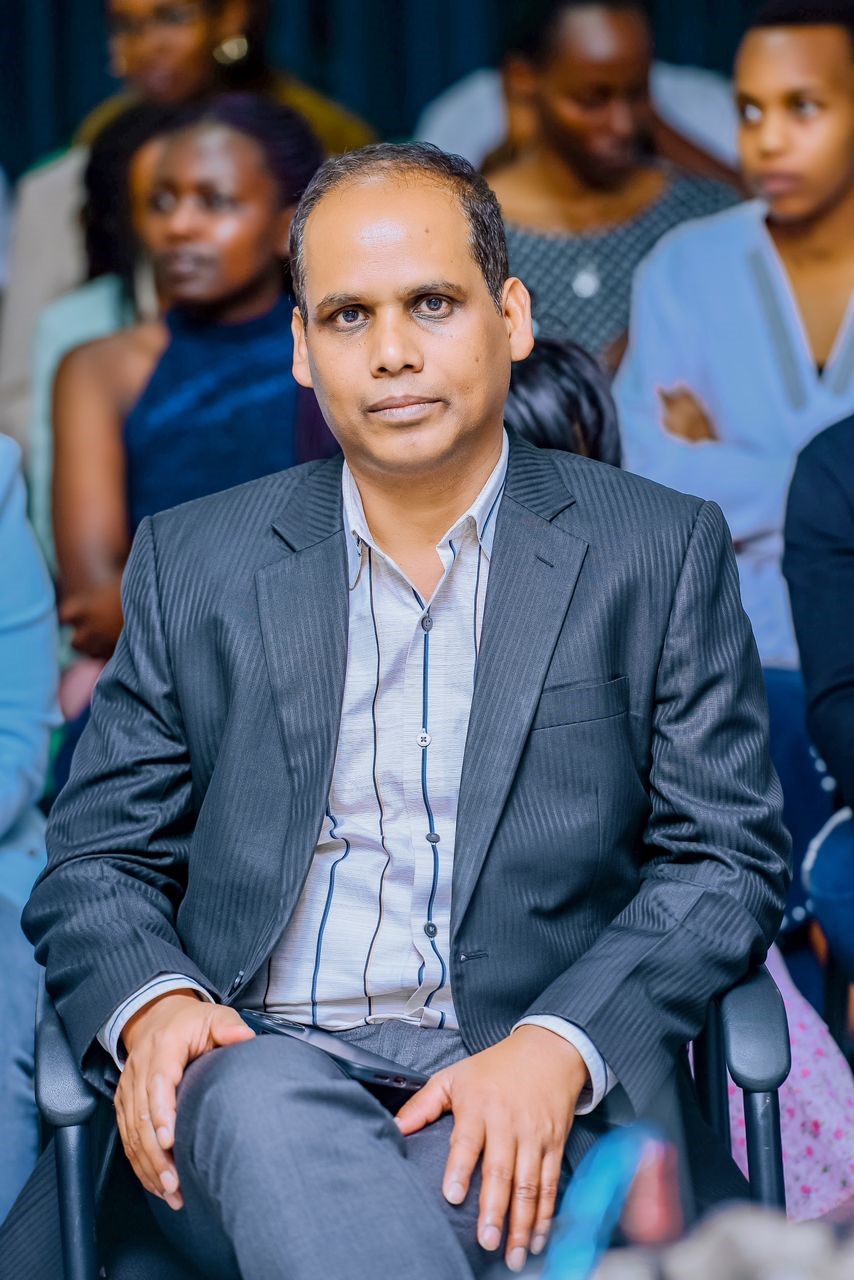
 Lack of orthopedic workshops for graduates to further enhance their skills and experience remains a concern.
 The RSPO has now over 60 members
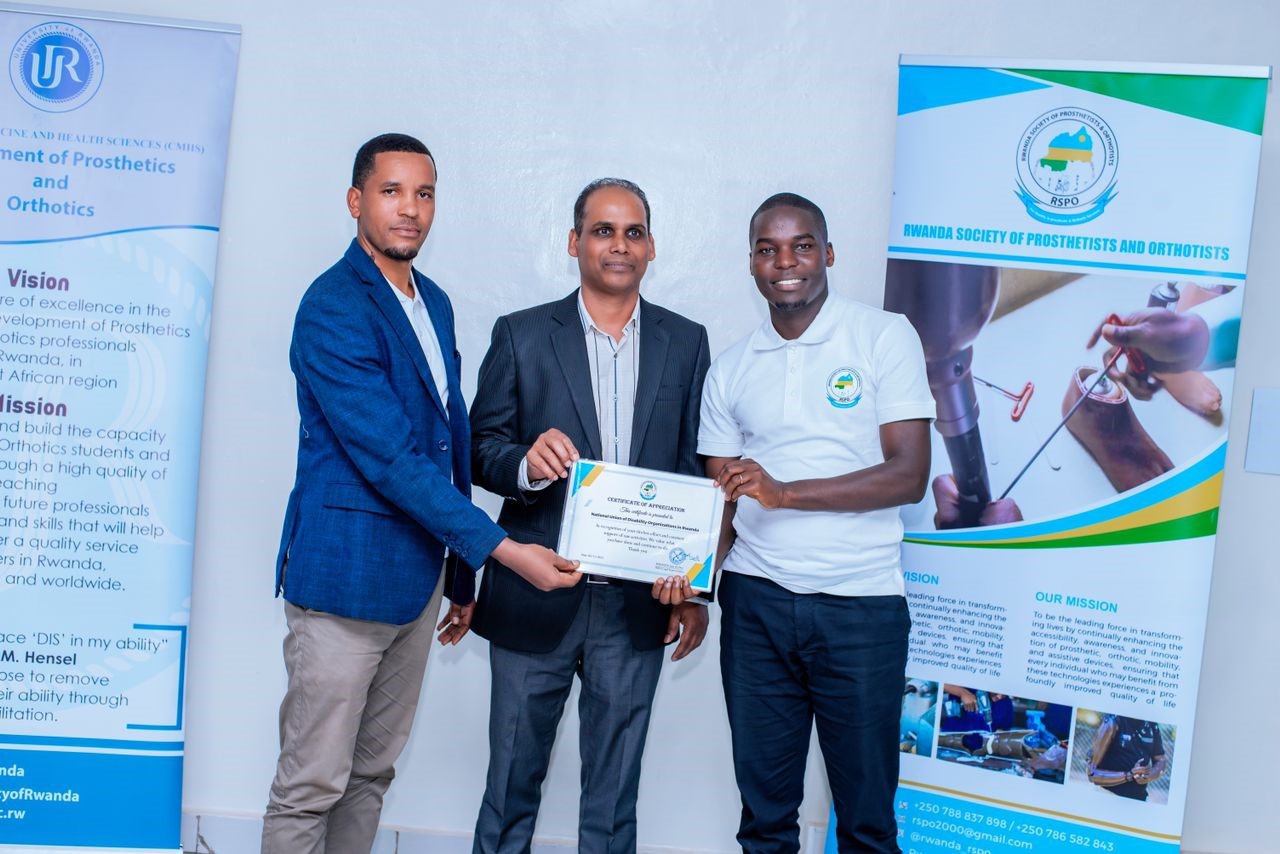 Dressed in a Ti-shirt, Jean d’Amour Uramutse, Health Program Manager from the National Union of Disability Organizations of Rwanda (NUDOR) receiving a certificate.
theinspirerpublications@gmail.com



Prosthetics and orthotics are needed as there should be accessibility of healthcare services for all .
Being disabled doesn’t mean inability , thank you for making those people with disability ability to strive for themselves. So continue working hard by treating them patinately.