
Rotary Club Seniors Kigali launches Peace Initiative
By Michel Nkurunziza.
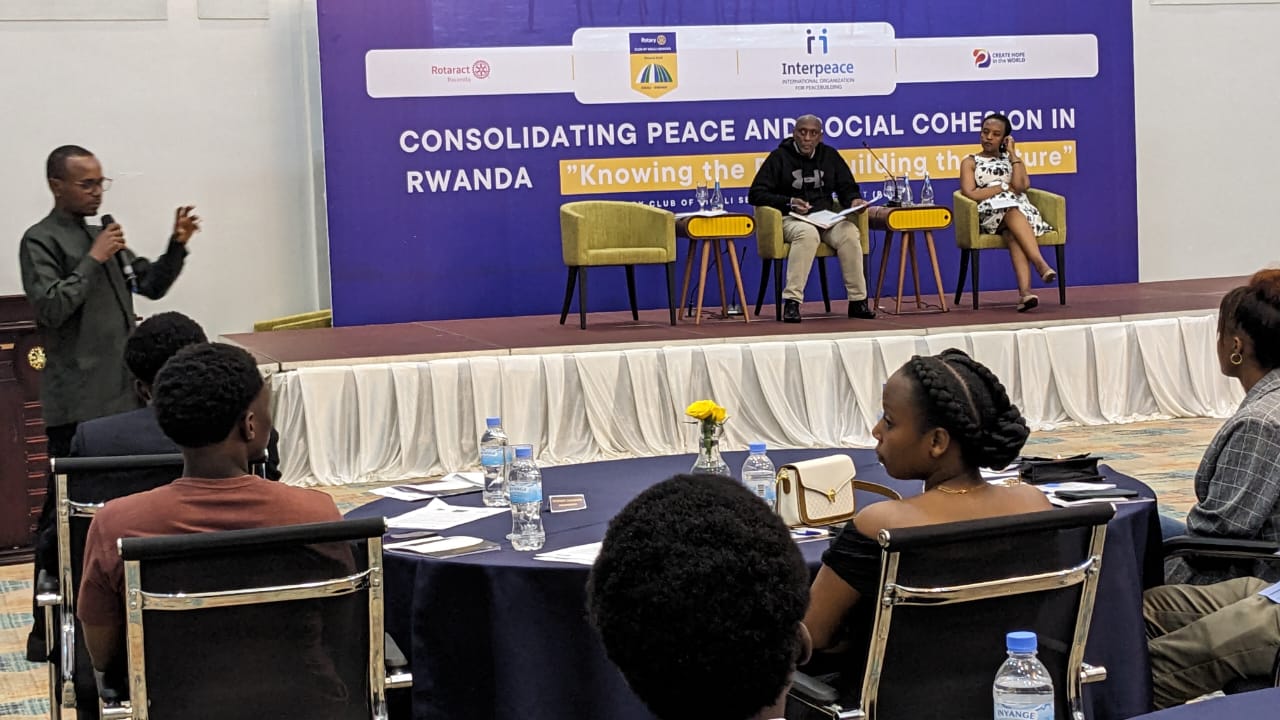
Rotary Club Seniors Kigali (RCKS) has reaffirmed its commitment to peacebuilding and conflict prevention with the launch of its Peace Initiative.
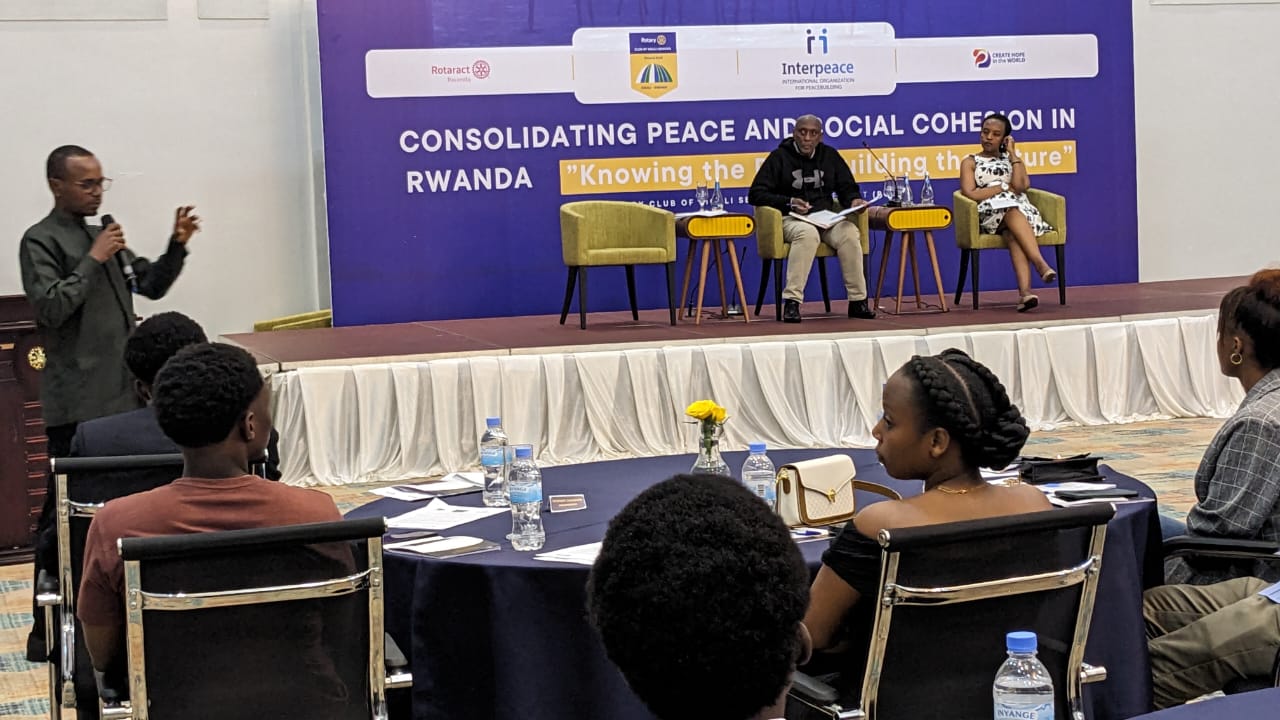
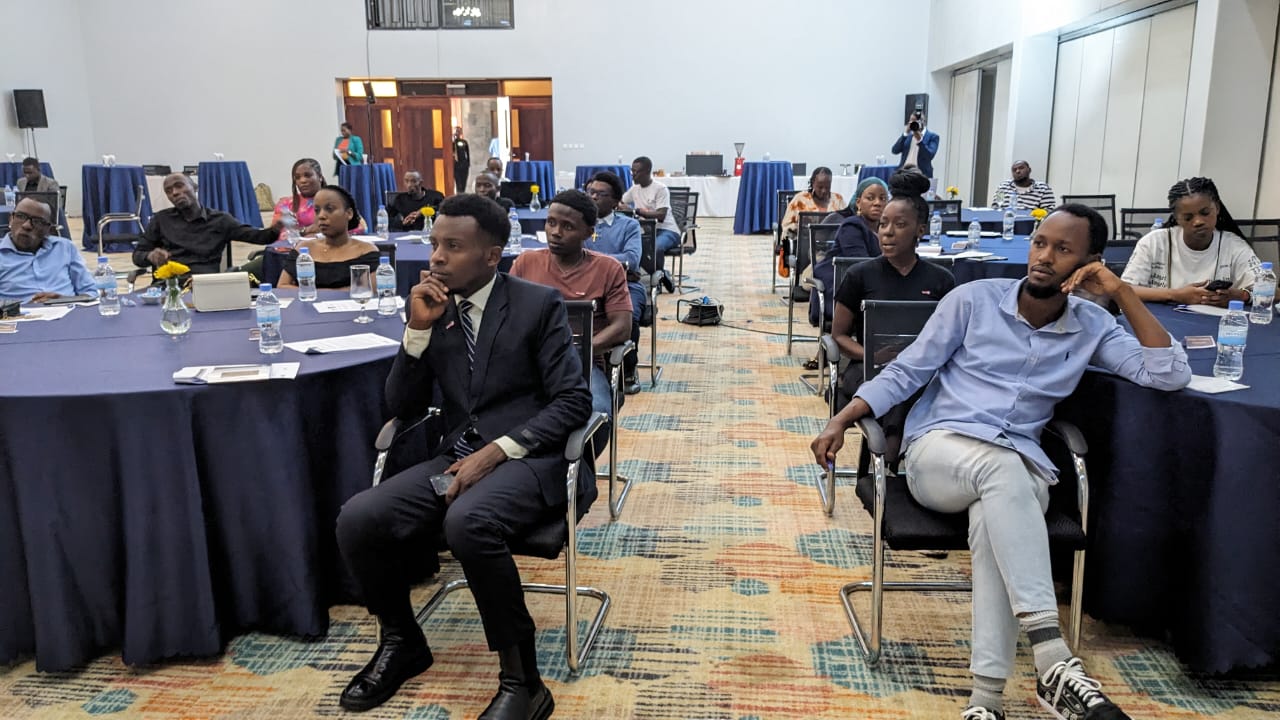
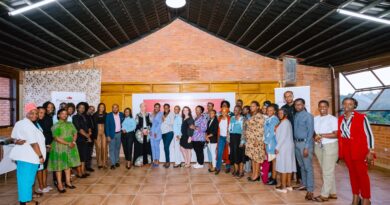
The launch was made during the retreat with youth during the weekend.
Rotary Club Seniors Kigali (RCKS) is a local chapter of Rotary International dedicated to promoting peace, advancing goodwill, and improving lives through community service initiatives in Kigali.
The retreat reflected on the nation’s history, forging a common identity, and promoting social cohesion, strengthening psychosocial initiatives for peacebuilding, addressing socio-economic disparities and fostering resilience and building a sustainable path for youth engagement in peacebuilding.
The retreat was held under the theme: Consolidating peace and social cohesion in Rwanda: knowing the past, building the future
Recognizing peace as a cornerstone of Rotary’s mission and Rwanda’s journey towards reconciliation and unity after the 1994 Genocide against the Tutsi, RCSK said it prioritizes peace education as a key project.
Aligned with national priorities set by the Ministry of National Unity and Civic Engagement, RCSK’s Peace Initiative seeks to contribute to Rwanda’s progress by engaging young professionals through Rotaract and mobilizing the private sector to support community resilience and social cohesion initiatives.
Interactors are Rotary Club at high school level, Rotaractors at university level while Rotaract is Rotary’s programme for young leaders aged 18-30.
Andrew Rugege, the president of Rotary Club of Kigali Seniors (RCKS), urged the young professionals to contribute to peacebuilding efforts.
“A big part of our population comprises youth and therefore they are key in ensuring sustainable peace. Peace education and social cohesion is among our projects,” he said.
There is need for socio-therapy, a way of healing through dialogues, for children born rape during 1994 Genocide Against the Tutsi, said Frank Kayitare, Interpeace Country Representative in Rwanda and Interpeace’s Great Lakes Regional Representative.
The healing process has three components; mental health, social cohesion and livelihoods as a holistic approach to post-traumatic healing.
The approaches to healing, include community-based socio-therapy, multi-family therapy that focuses on people in conflicts related to genocide effects, resilience and intergenerational trauma therapy approaches.
The programme is built on groups’ capacity where people come together for 15 sessions – one per week.
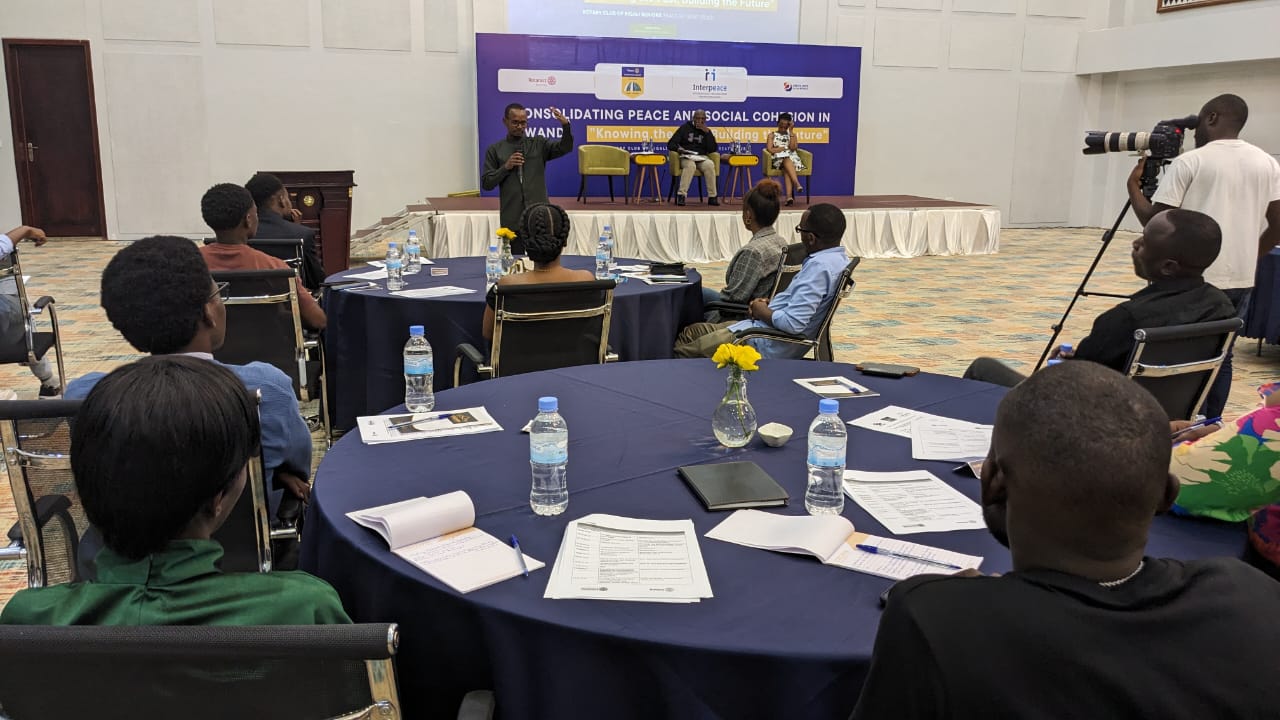
“The youth we have in Rwanda today are 30 years old and below. They were born after genocide but they are suffering from the effects. Some were born from genocide survivors including raped women, others from genocide perpetrators, others from Rwandan refugees.
We need socio-therapy, a way of healing through dialogues, for children born rape during 1994 Genocide Against the Tutsi. It is a storytelling approach where I recover from wounds based on stories of expression from others with a similar background,” Kayitare said.
Enock Byukusenge, a Rotaracter at University of Rwanda, said young people should strengthen the effort in the unity and reconciliation journey of Rwanda. Youth was used in destroying the country. This is the right time to continue rebuilding it. We have to fighting those sowing genocide ideology seeking to destroy the achievements recorded over the past 30 years,” he said.
Anatolie Siborurema, among the 7,204 youth who are beneficiaries of Rwanda we want organization said youth should continue learning about Ndi Umunyarwanda programme.
The Ndi Umunyarwanda programme was initiated in 2013, with an ultimate goal of building a national identity and to foster a Rwandan community that is based on trust and unity.
Rwanda aims to train and harness skills among the youth which will help them exploit their full potential and become pillars of sustainable peace and development.



Leave a Reply