
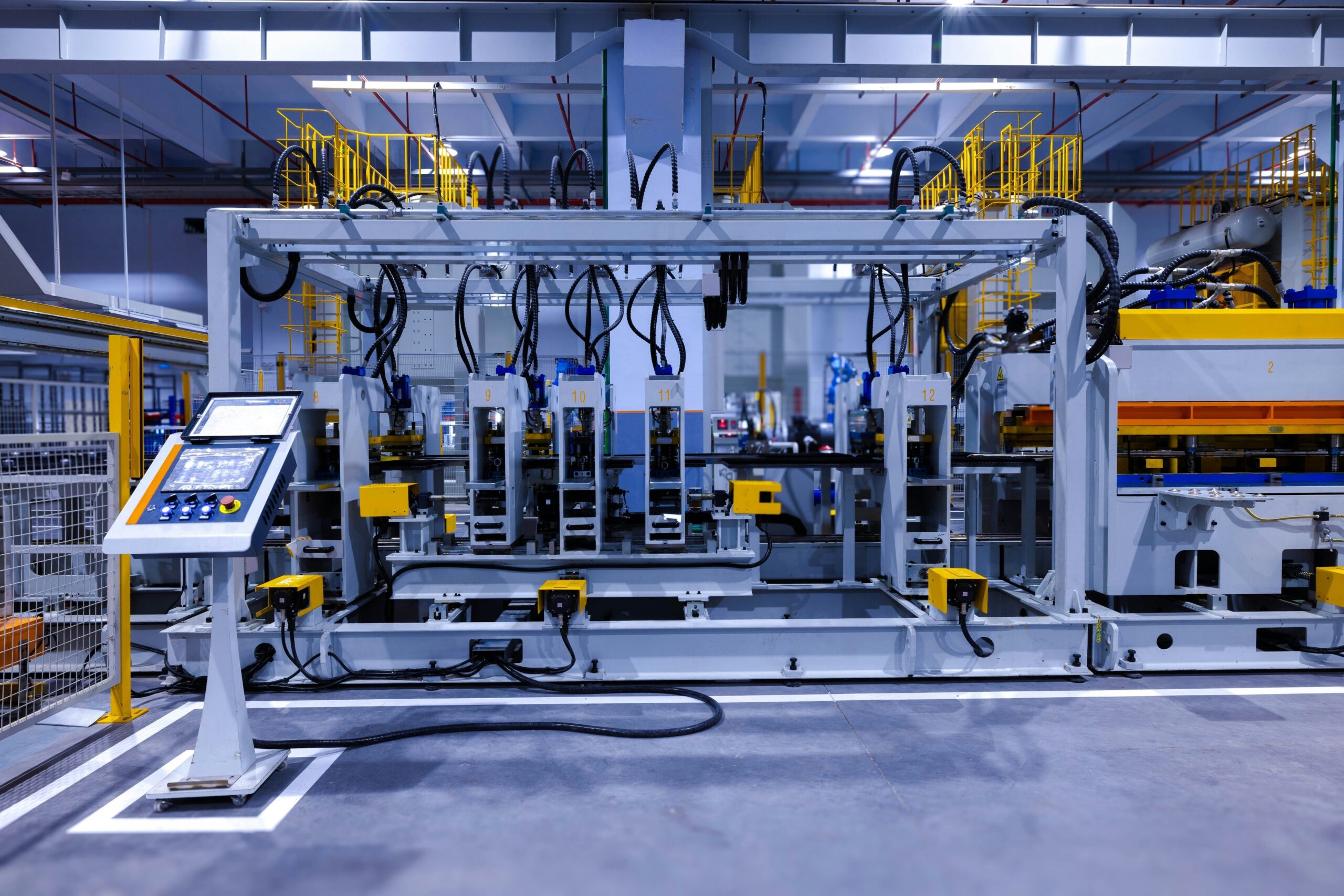
Physical AI ushers in a new era of industrial automation
By The Inspirer newsroom.
A new World Economic Forum (WEF) report highlights the rise of physical AI as a game-changing force in manufacturing, promising to address rising costs, workforce shortages, and shifting consumer demands.
From rigid machines to smart robotics
For decades, industrial robots were designed to perform repetitive tasks with precision but little flexibility. Now, breakthroughs in artificial intelligence, sensors, and robotics hardware are enabling robots that can perceive, learn, and respond to complex environments.
The WEF white paper, Physical AI: Powering the new age of industrial operations, describes this as the next stage of automation, moving beyond efficiency to deliver adaptability and resilience on the factory floor.
Why it matters now
Manufacturers face mounting pressures: fragile supply chains, rising energy and raw material costs, and a shortage of skilled workers. Customers are also demanding more customization, sustainability, and faster delivery.
Physical AI offers a solution by linking the digital and physical worlds, enabling smarter, more agile production systems.
Jobs are changing, not disappearing
While automation raises fears of job losses, the WEF says it represents more of a shift than a disappearance. Machine operators are becoming robot technicians, logistics workers are coordinating mobile robots, and engineers are training AI-driven systems.
“Automation will free people from repetitive tasks and create new, skilled roles,” the report notes. Success, however, depends on reskilling and long-term workforce planning.
Early results from industry leaders
Amazon has already deployed over one million robots across 300 fulfillment centers. By collaborating with human workers, these robots have boosted efficiency by 25%, improved delivery times, and created 30% more skilled roles at pilot sites.
Foxconn, a leading electronics manufacturer, is transitioning to an “AI-powered robotic workforce.” Using digital twin simulations and machine learning, the company has reduced deployment times by 40%, cut costs by 15%, and improved cycle times by up to 30%.
The road ahead
The WEF recommends a layered approach to automation, combining traditional rule-based robots with newer training-based and context-based systems. The goal, it says, should be “system-level intelligence” that balances technology with human potential.
“Physical AI is not just about automating tasks,” the paper concludes. “It is about reimagining industrial operations for resilience, sustainability, and human impact in the fourth industrial revolution.”




Leave a Reply