
[PHOTOS]: Rwanda Poultry Association elects new leaders, vows to tackle feed costs and boost sector growth
By Elias Hakizimana.
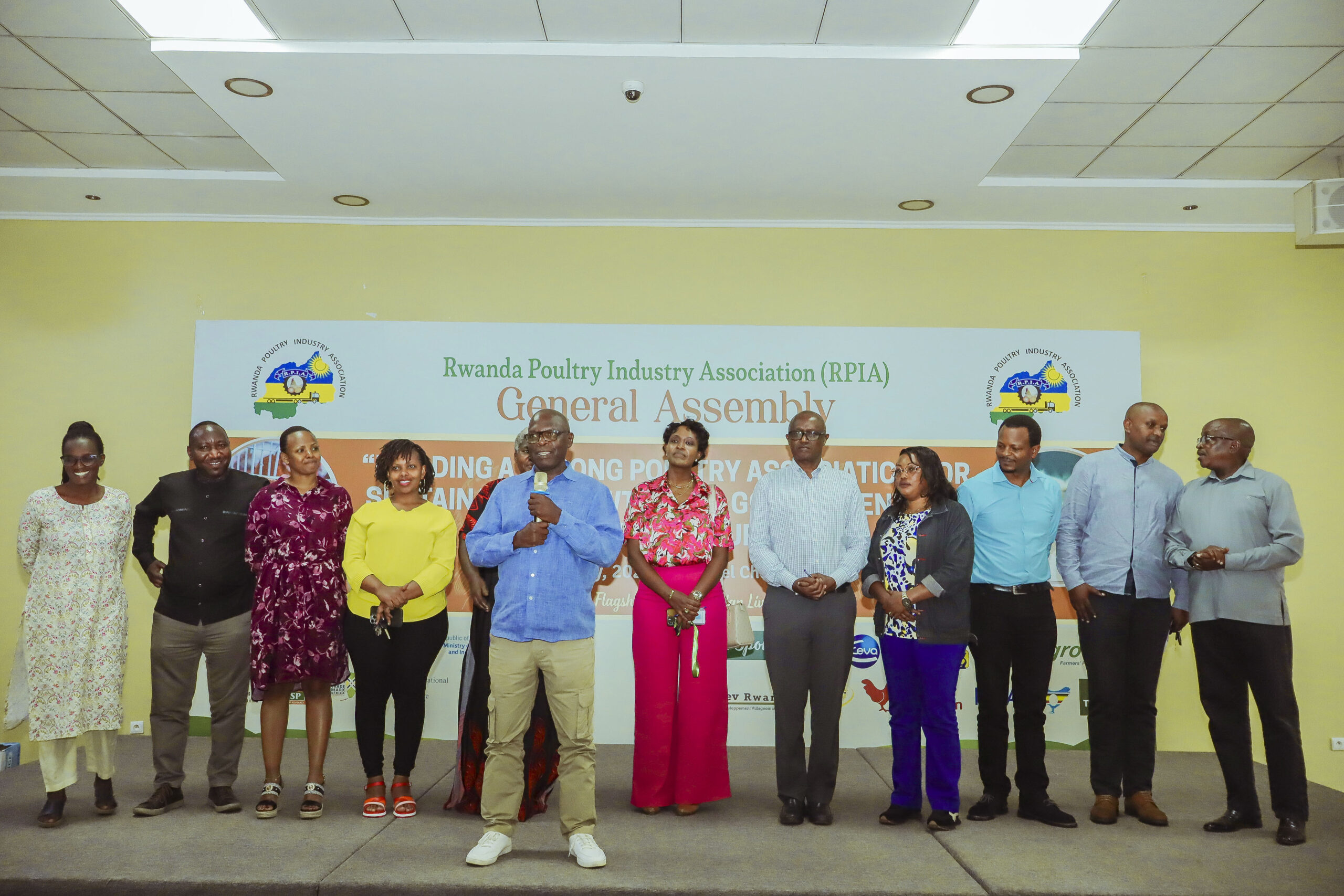
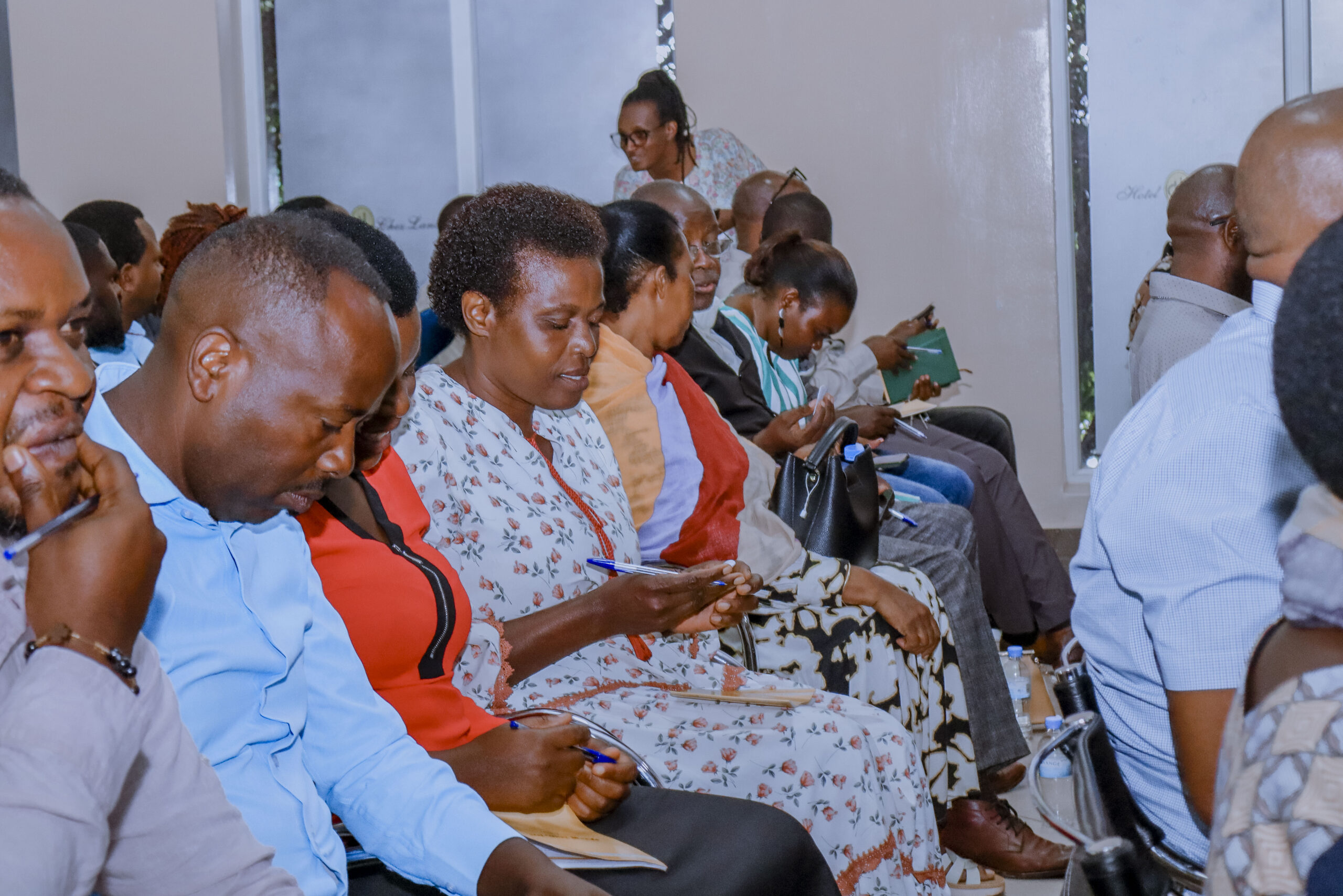
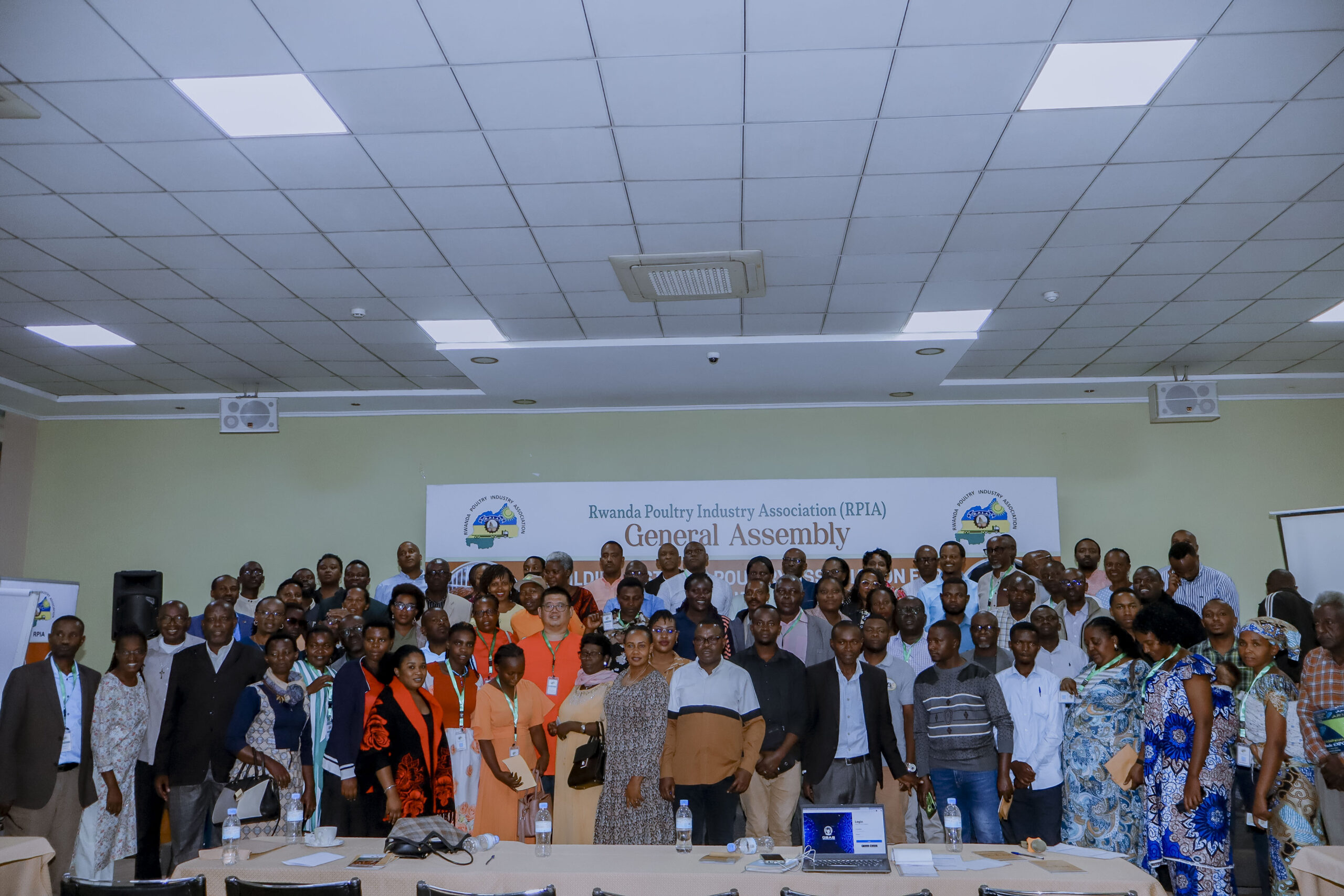
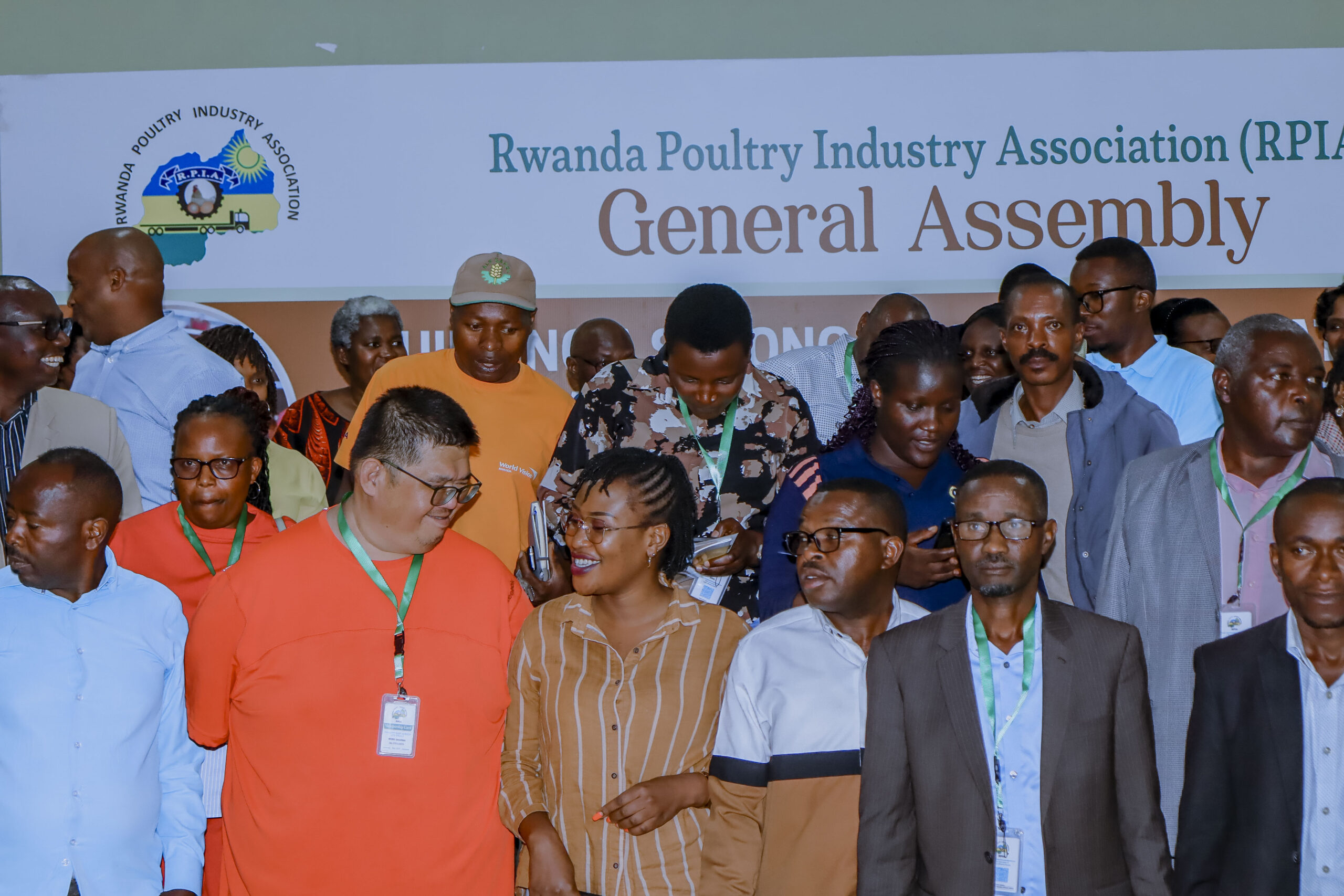
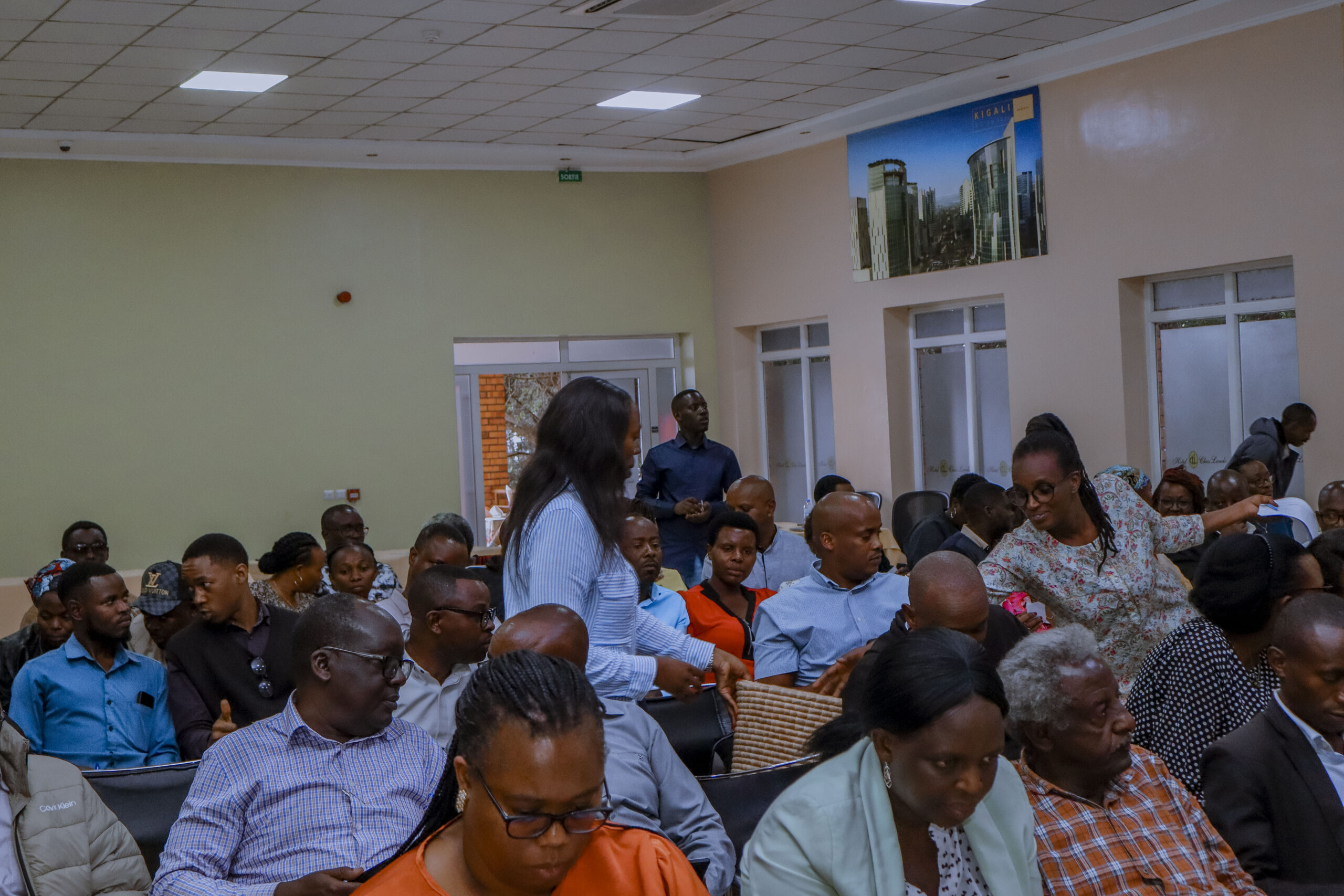
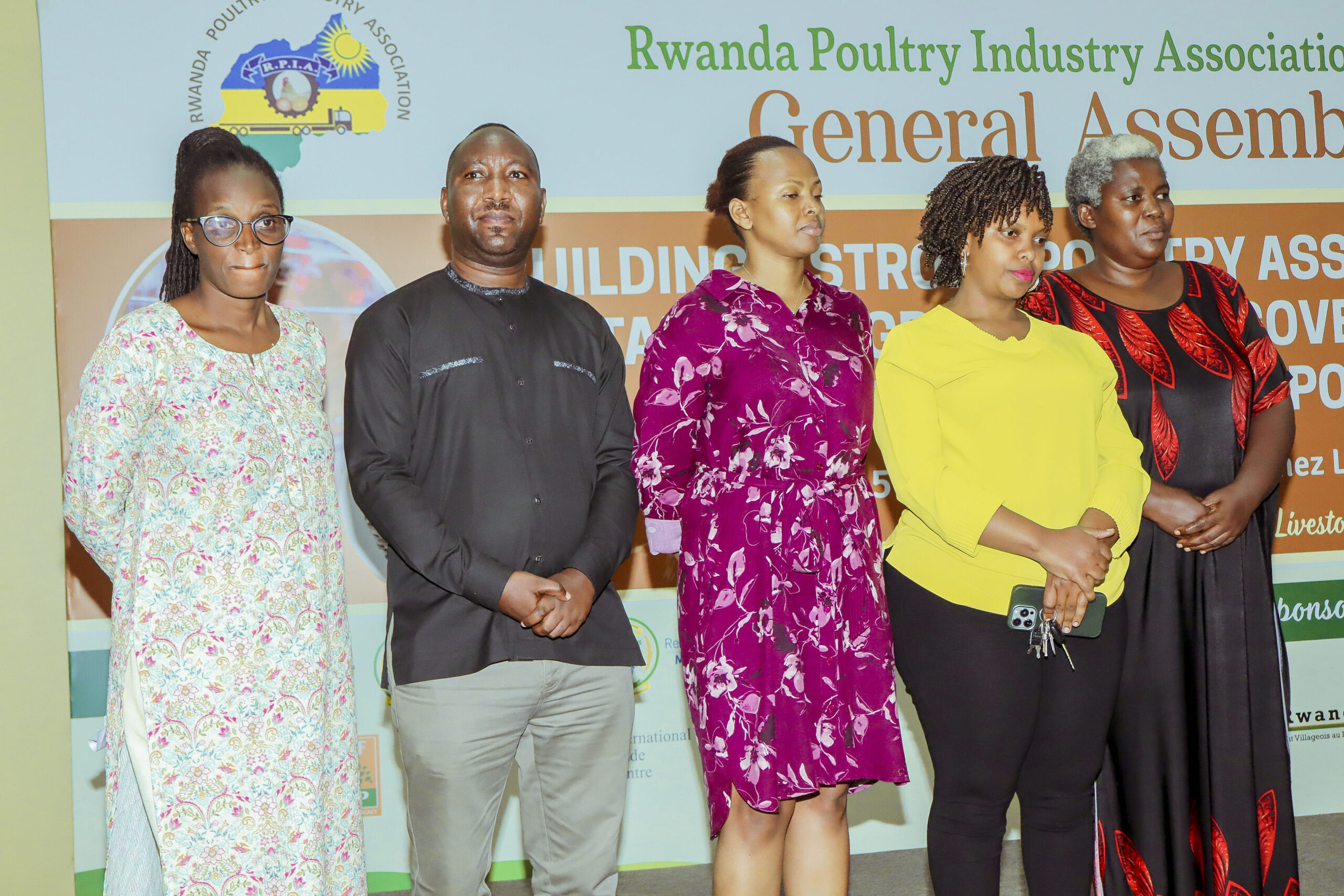
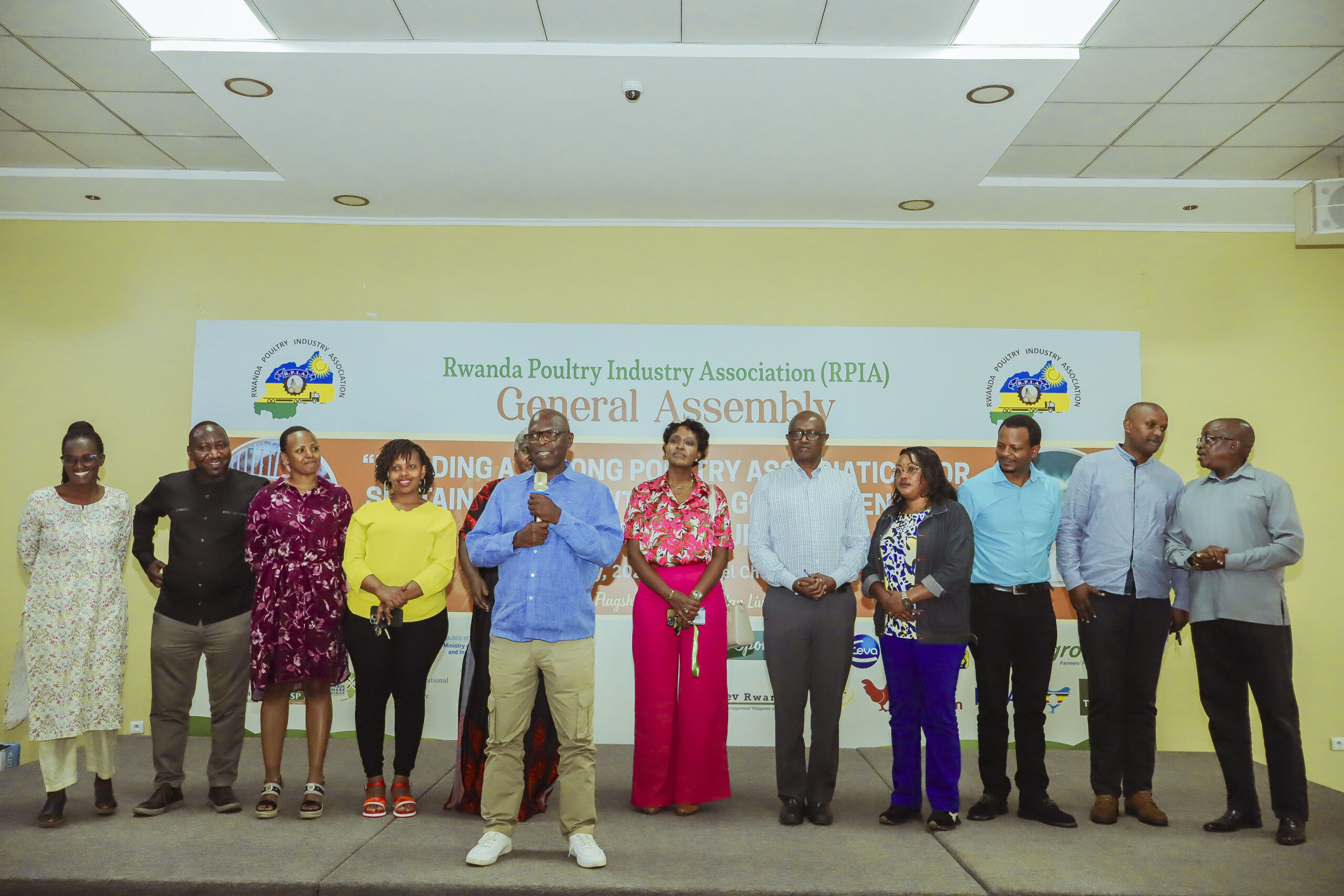
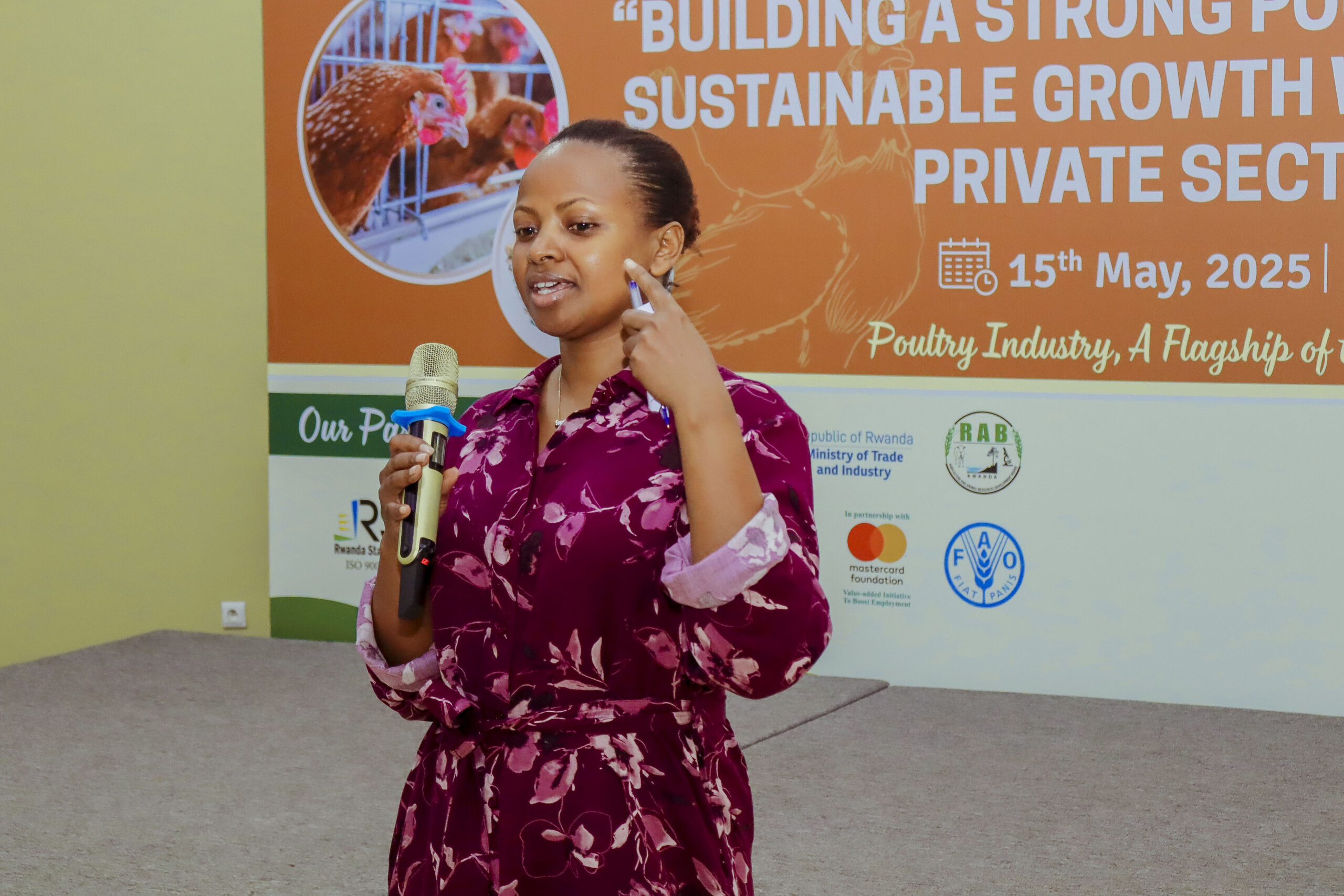
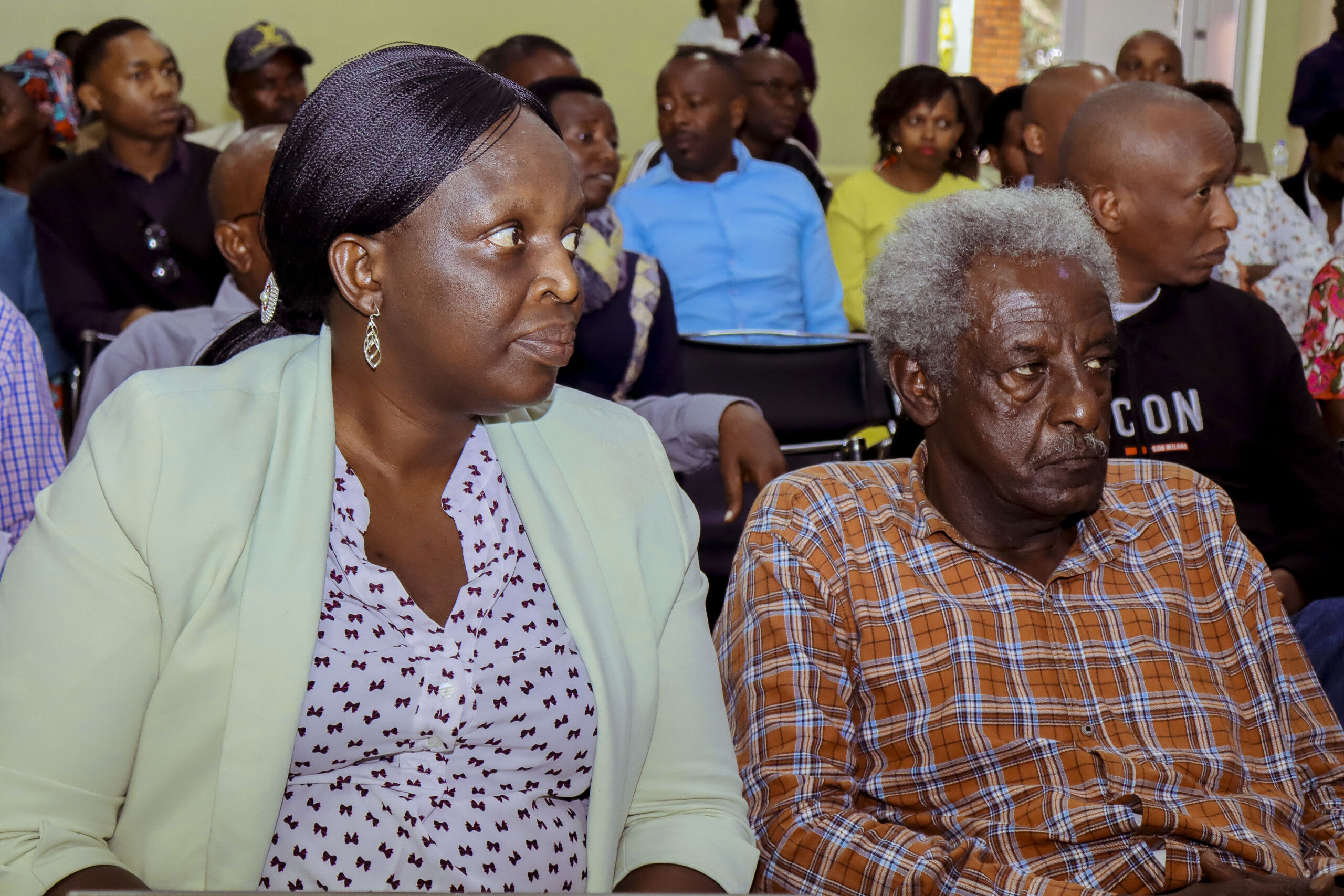
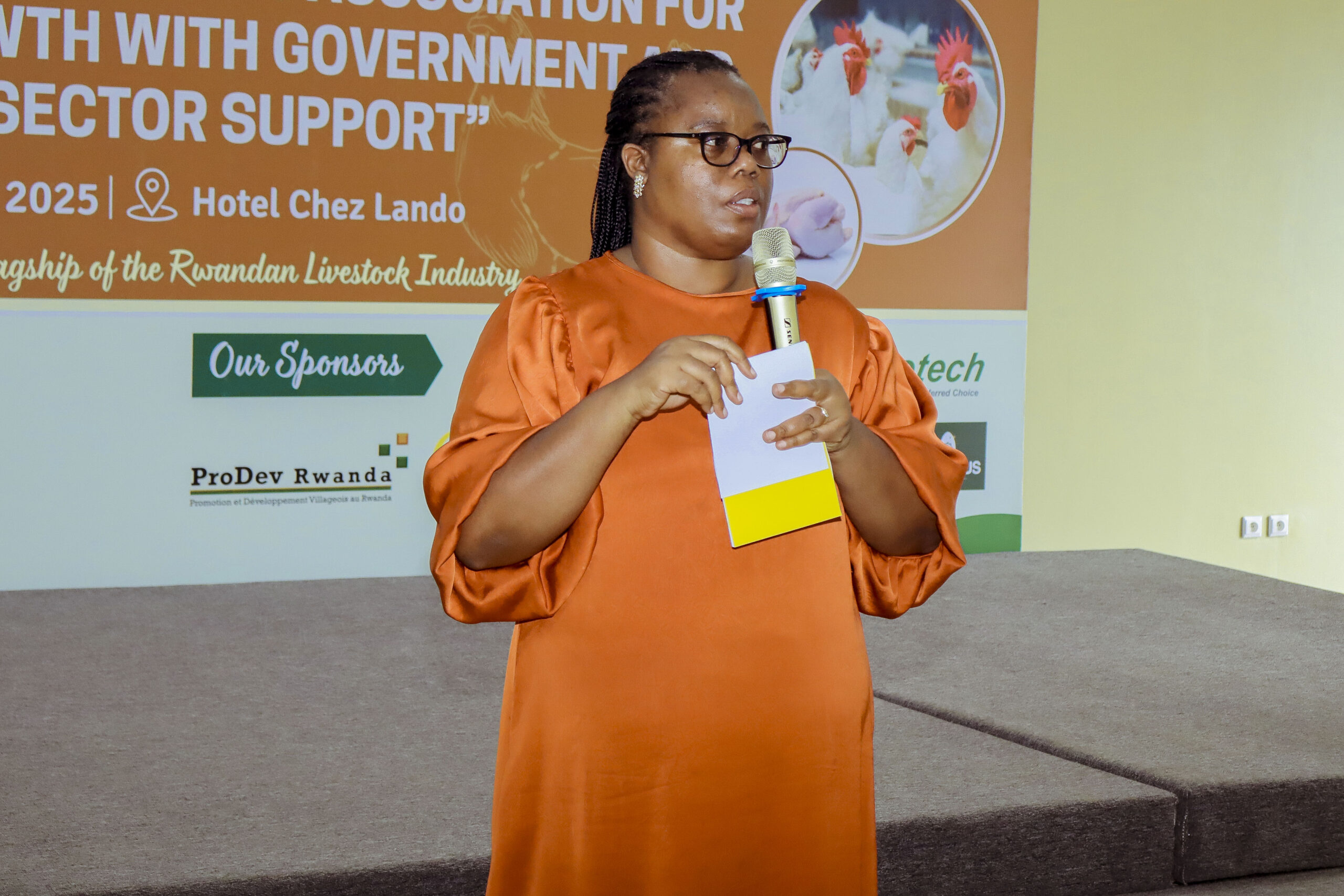
Under the theme “Building a Strong Poultry Association for Sustainable Growth with Government and Private Sector Support,” the Rwanda Poultry Industry Association (RPIA) held its General Assembly on May 15, 2025 in Kigali, bringing together key stakeholders to chart the future of the country’s poultry sector.
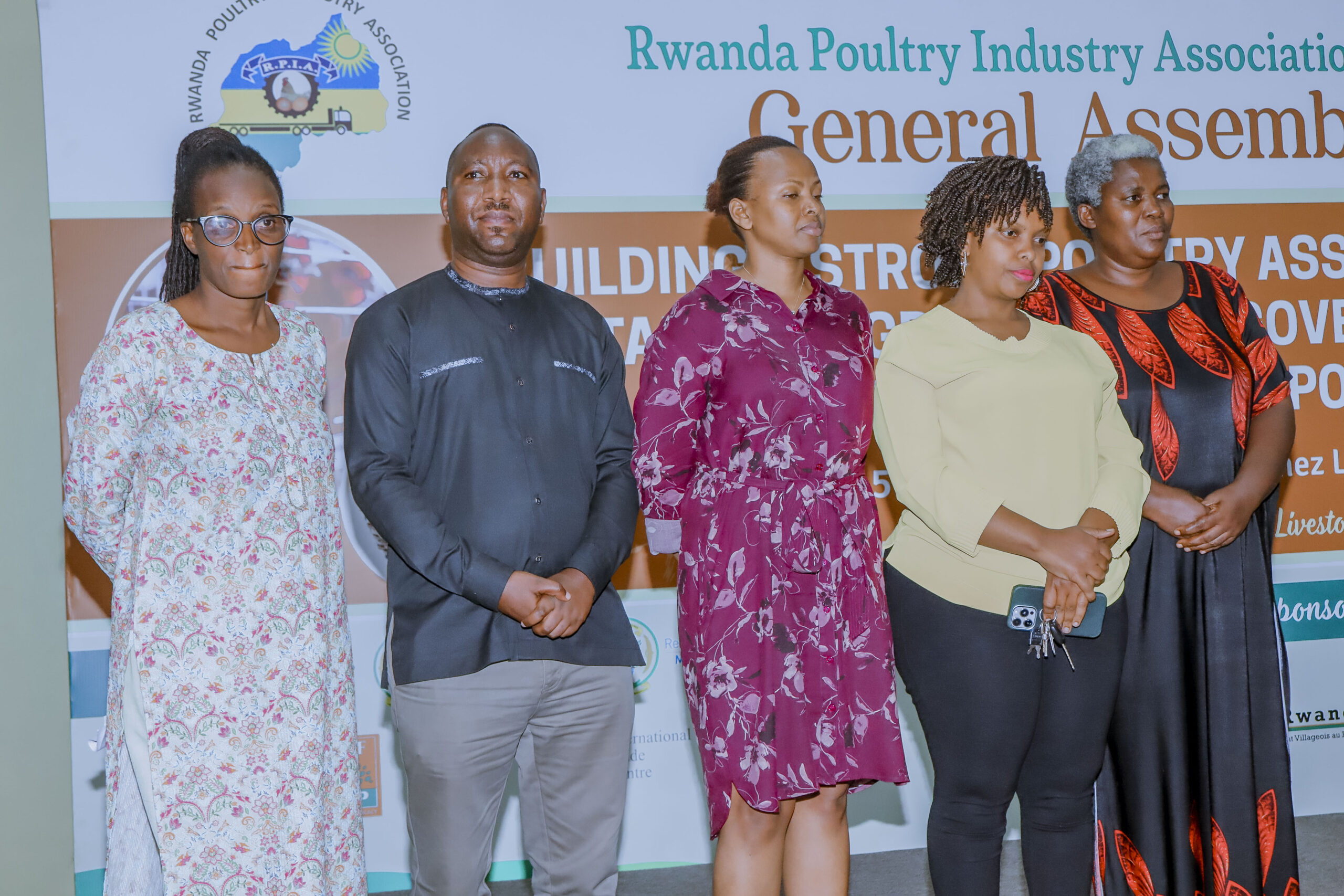
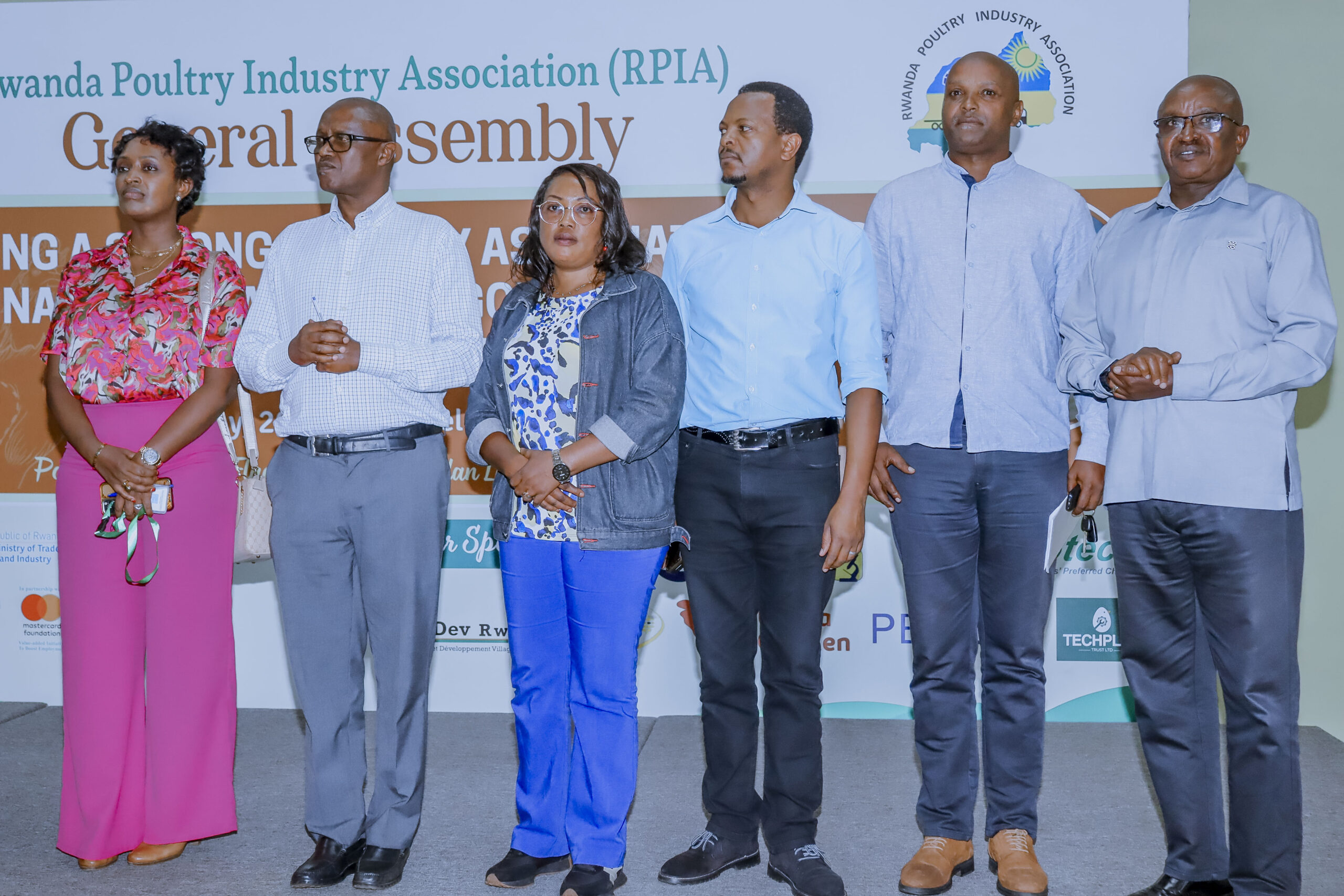
The gathering marked the election of a new leadership committee tasked with steering the association through its next three-year mandate, amid ongoing challenges such as the high cost of feeds and vaccines, fluctuating market prices, and shortages of essential poultry medicines.
Andrew Butera, the outgoing Chairperson who has led RPIA since its inception five years ago, thanked poultry farmers for their commitment during difficult times, especially throughout the COVID-19 pandemic.
Reflecting on the past three years, he highlighted achievements including the development of a strategic plan, establishment of a fully equipped secretariat, and initiatives to decentralize services and expand advocacy efforts.
“The issue of cost and poor quality of feeds remains one of the biggest challenges,” Butera said. “It’s not only affecting us—it’s common across the region. We have discussed it with government entities, and there is hope to find a solution.”
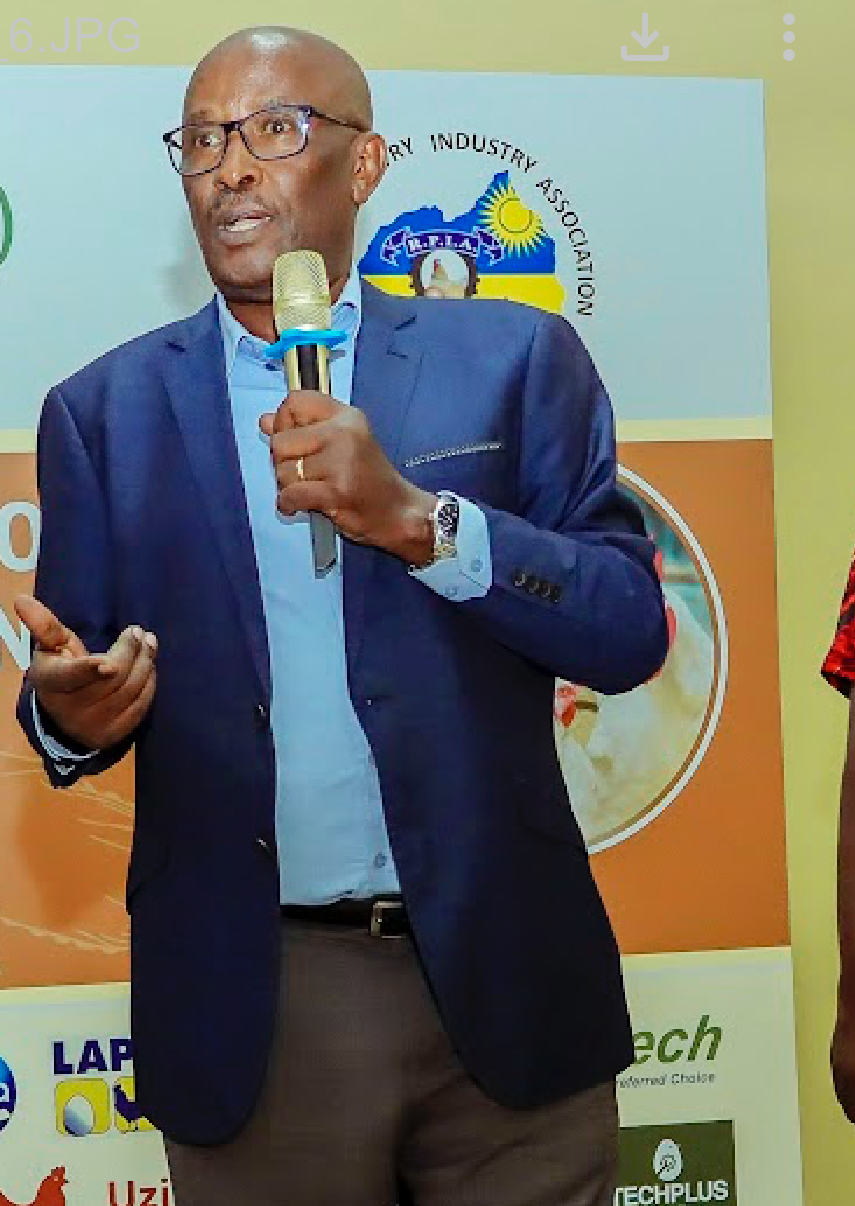
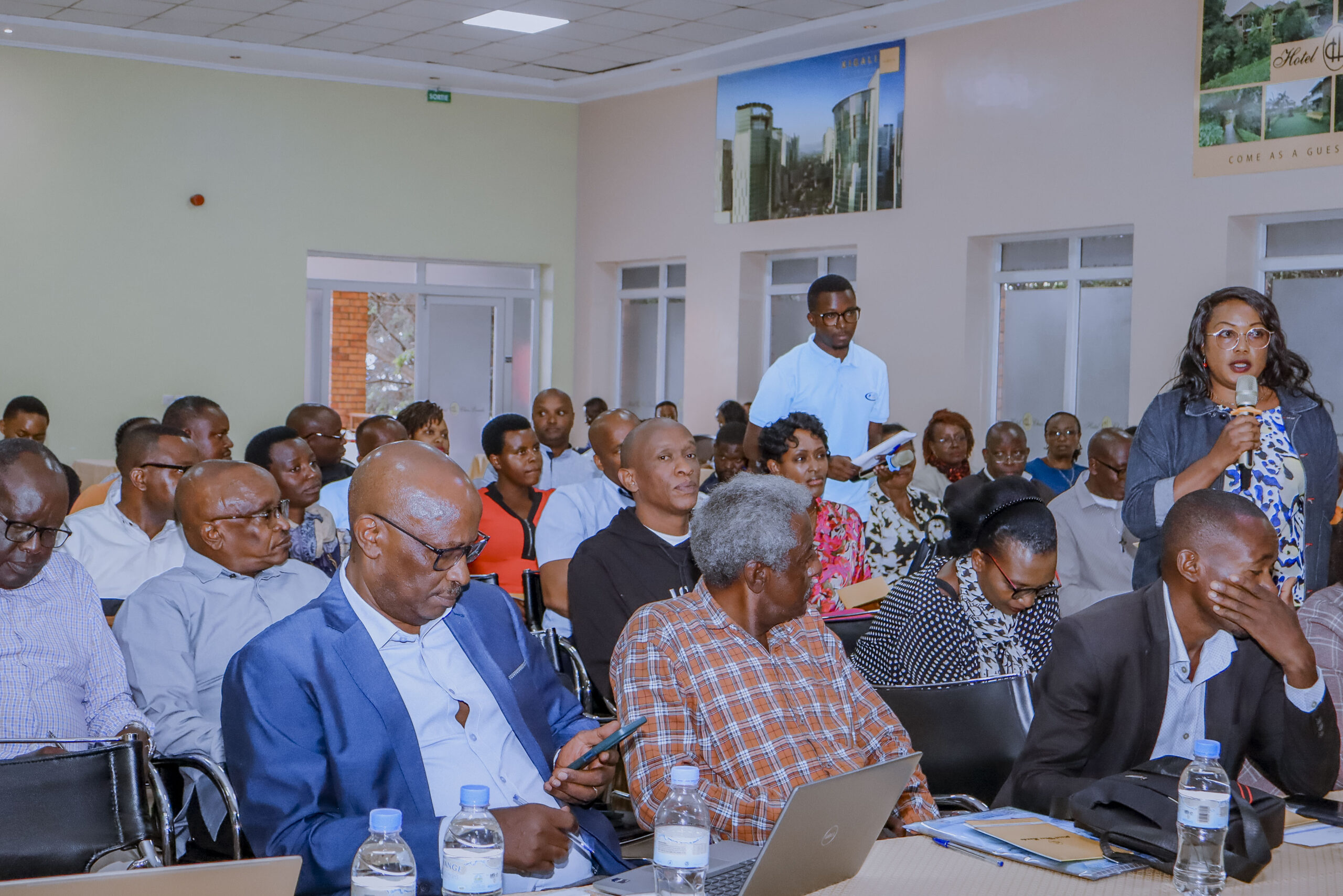
Poultry farmers at the assembly voiced concerns over unstable market prices.
Capitoline Bayavuge, a poultry farmer from Musanze district, noted the drastic drop in chicken meat prices from 4,500 RWF to as low as 2,300 RWF per kilogram at times, mainly due to competition from imported chicken meat.
“This creates losses for us because medicines, vaccines, and feeds are expensive,” Bayavuge said.
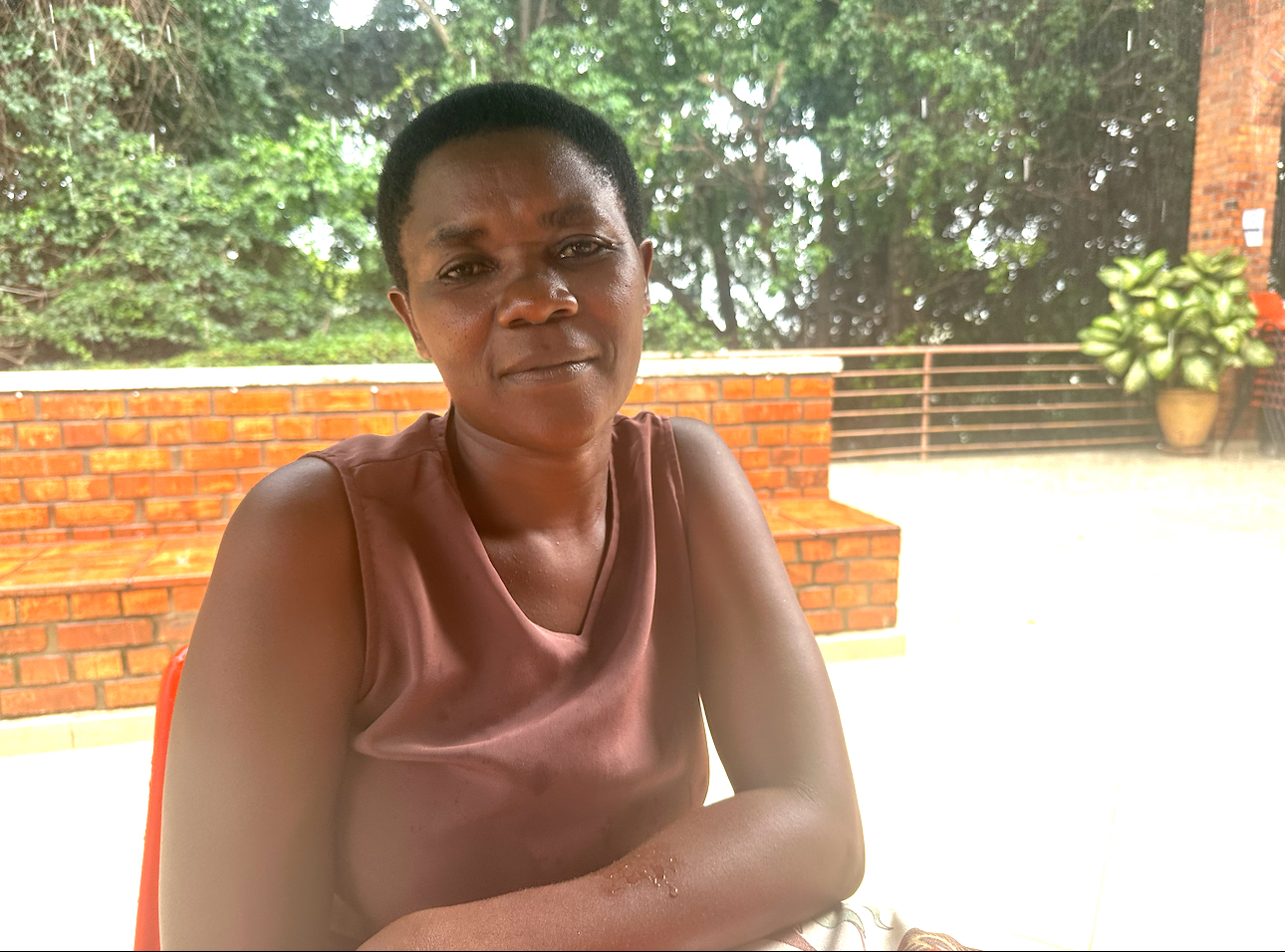
Echoing these challenges, Fedha Dusabe, CEO and founder of ChickenHub in Bugesera, called on authorities to ensure better feed quality and to open up export markets to help local farmers compete regionally.
“The cost of feed is our biggest challenge, especially when maize prices soar. Poor feed quality also affects our production. We ask authorities to monitor feed standards and help us open markets beyond Rwanda so we can compete through exports,” Dusabe said.

From the government side, Dr. Solange Uwituze, Deputy Director-General in charge of Animal Resources Research and Technology Transfer at the Rwanda Agriculture and Animal Resources Board (RAB), shared an ambitious vision for 2029: making chicken meat affordable and accessible to all Rwandans.
“Even if someone can only afford a small portion, they should still be able to enjoy chicken meat,” Uwituze said, referencing a common local practice where people buy small servings of beans with limited money. “We envision a similar approach to chicken consumption across the country.”
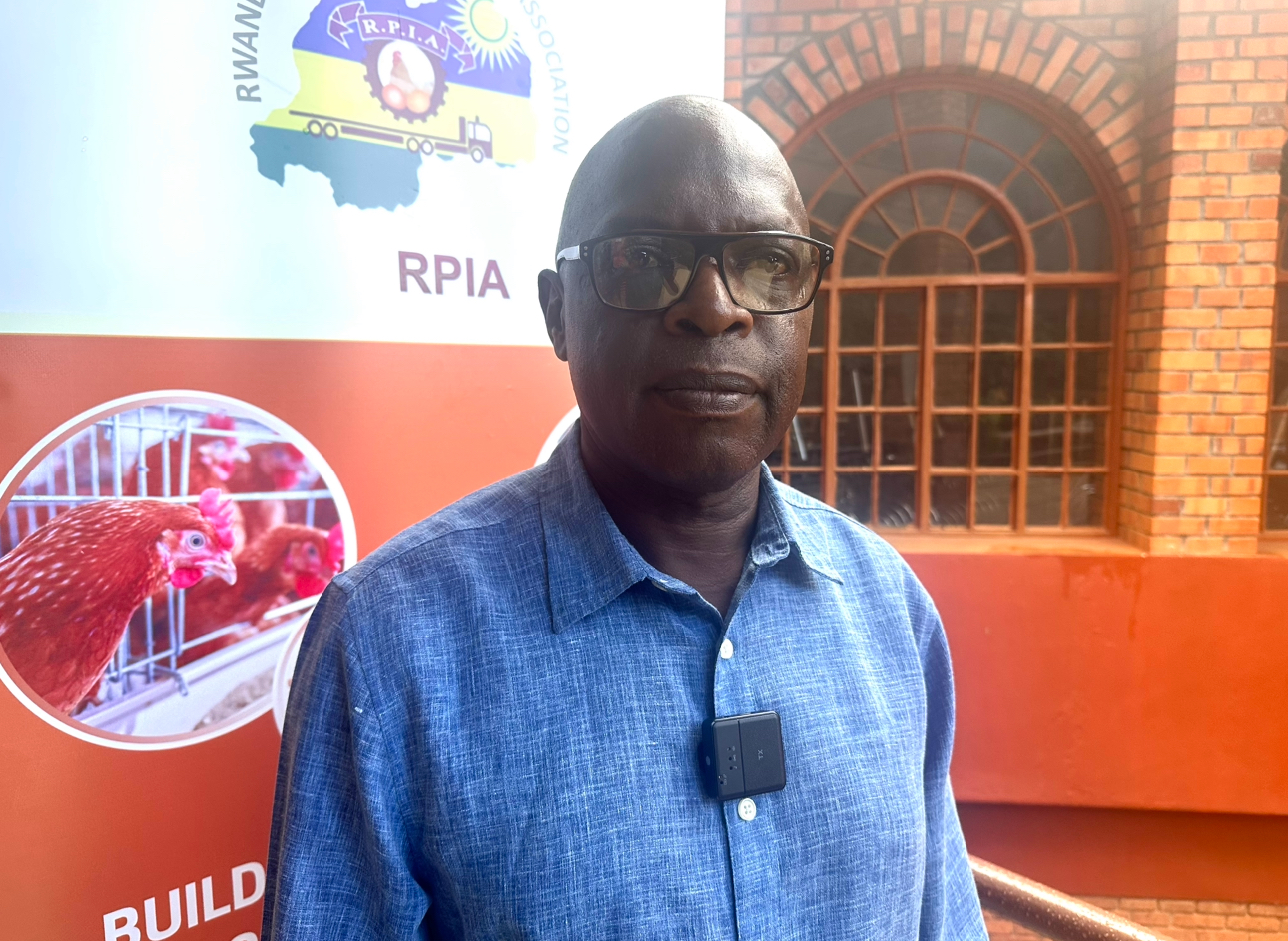
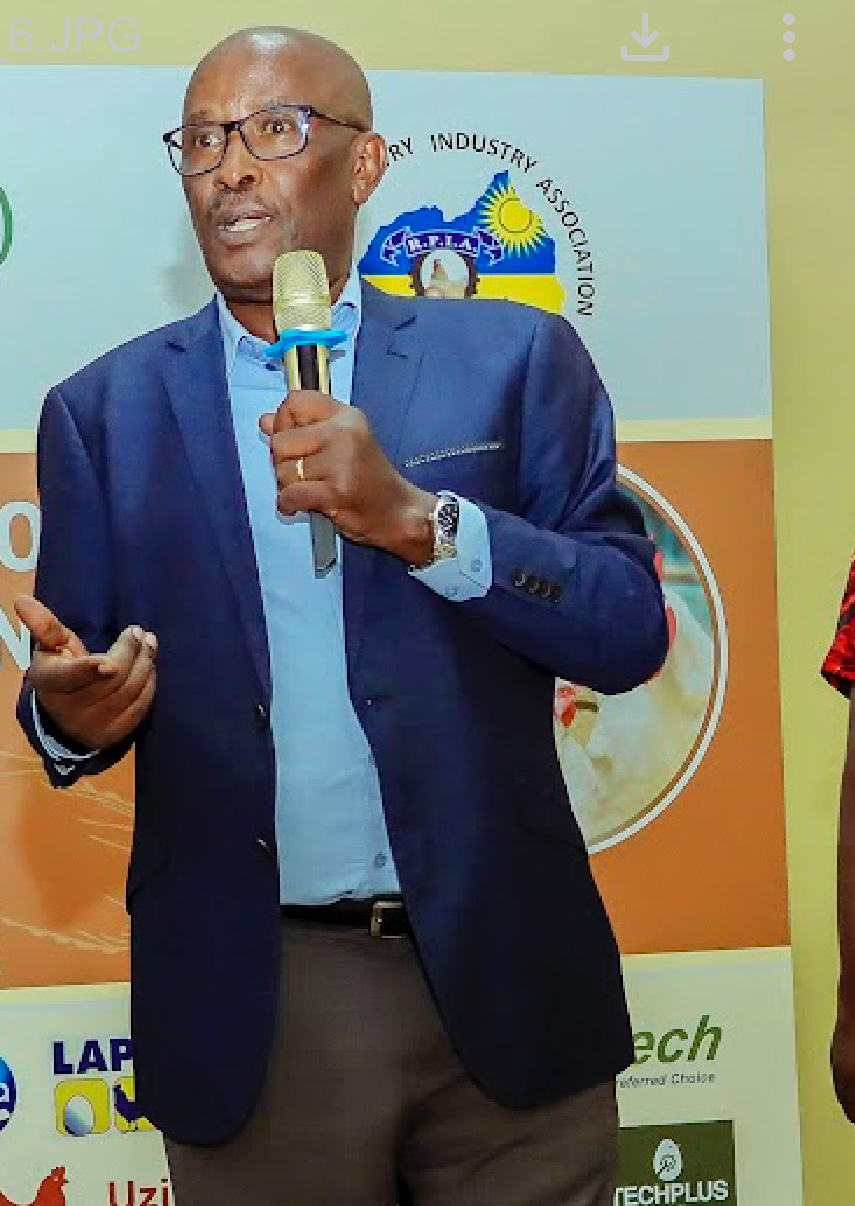
Newly elected RPIA Chairperson Jean de Dieu Hakizimana outlined his priorities for the next three years, emphasizing the need for government engagement to lower the cost of feeds and vaccines.
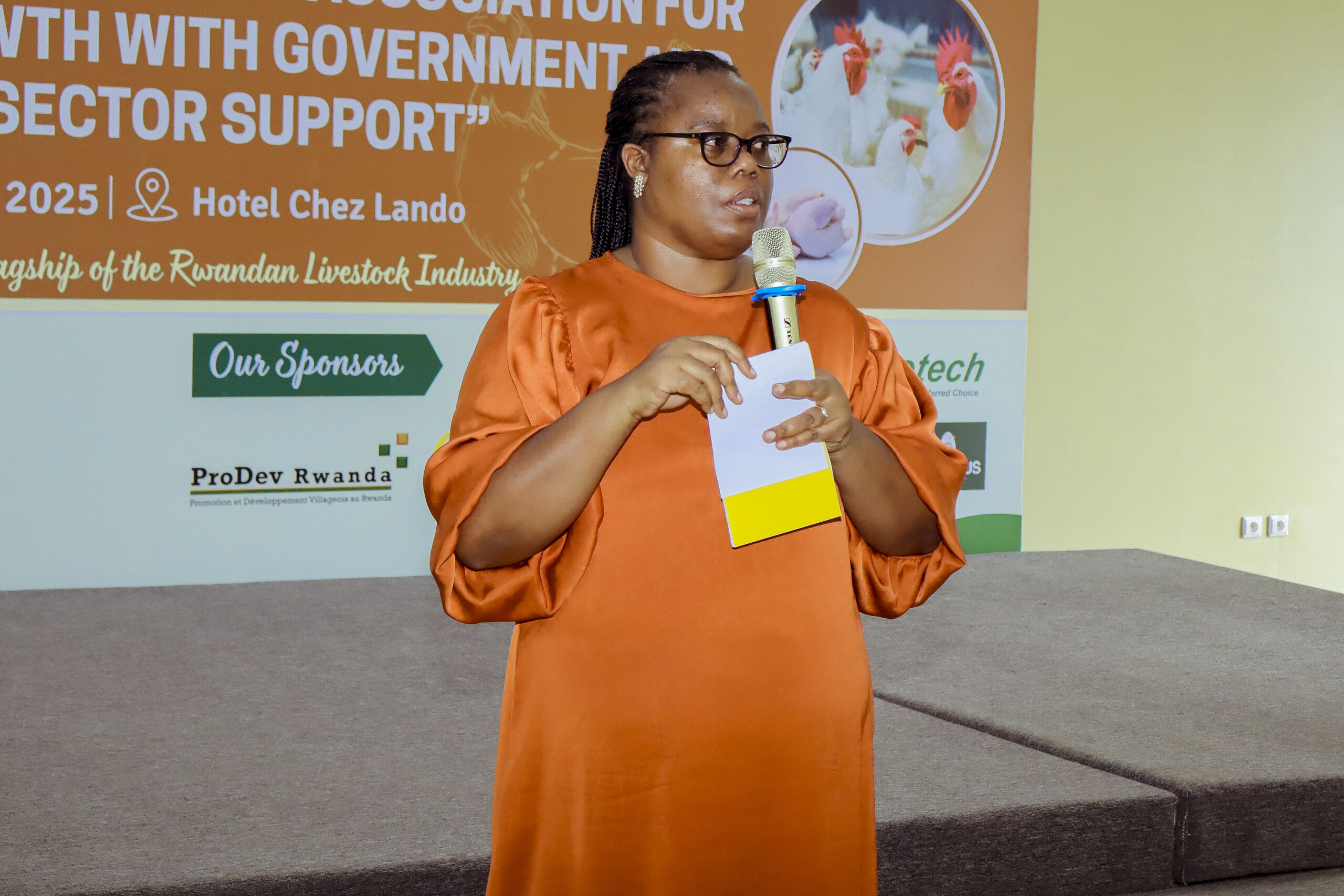
“We need government support to reduce the cost of animal feeds by talking to manufacturers,” Hakizimana said. “I request all farmers to join the association—we are over 500 farmers but only 100 comply with the regulatory framework. We request the other 400 to also comply so we can move forward together.”
The new leadership team’s commitment to addressing these pressing issues signals hope for a more resilient and competitive poultry industry, with enhanced collaboration between farmers, government, and private sector partners.
theinspirerpublications@gmail.com









Leave a Reply