

Livestock farmers advocate for forage shops to boost milk production
By Elias Hakizimana
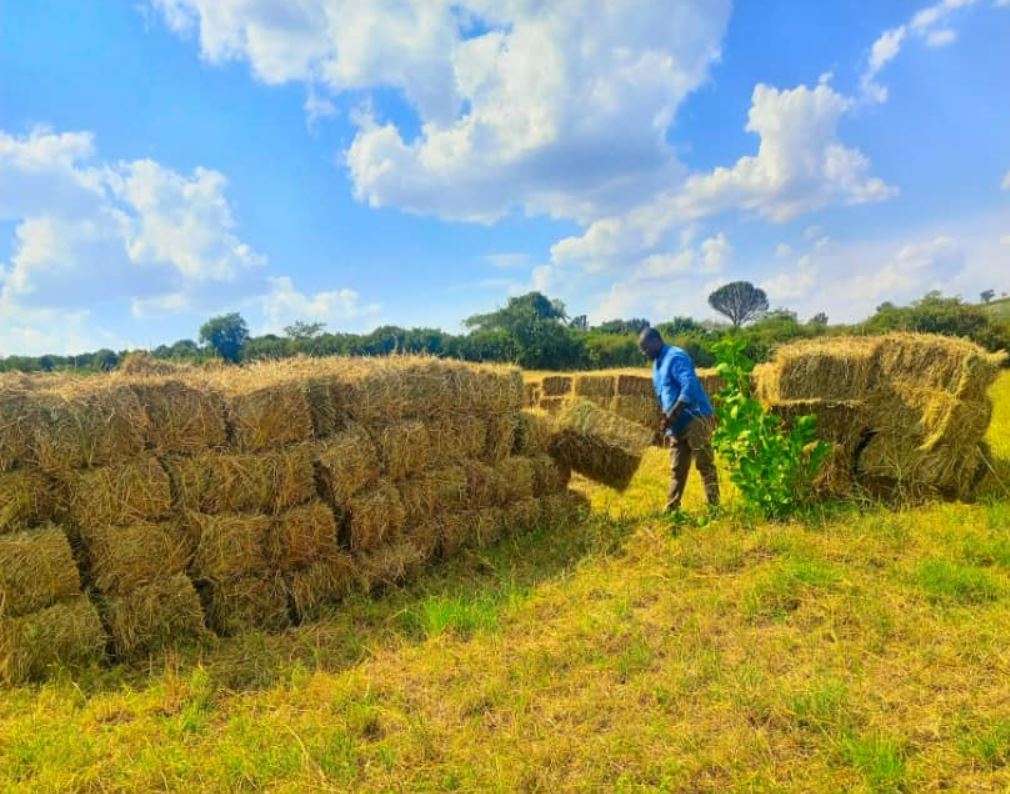
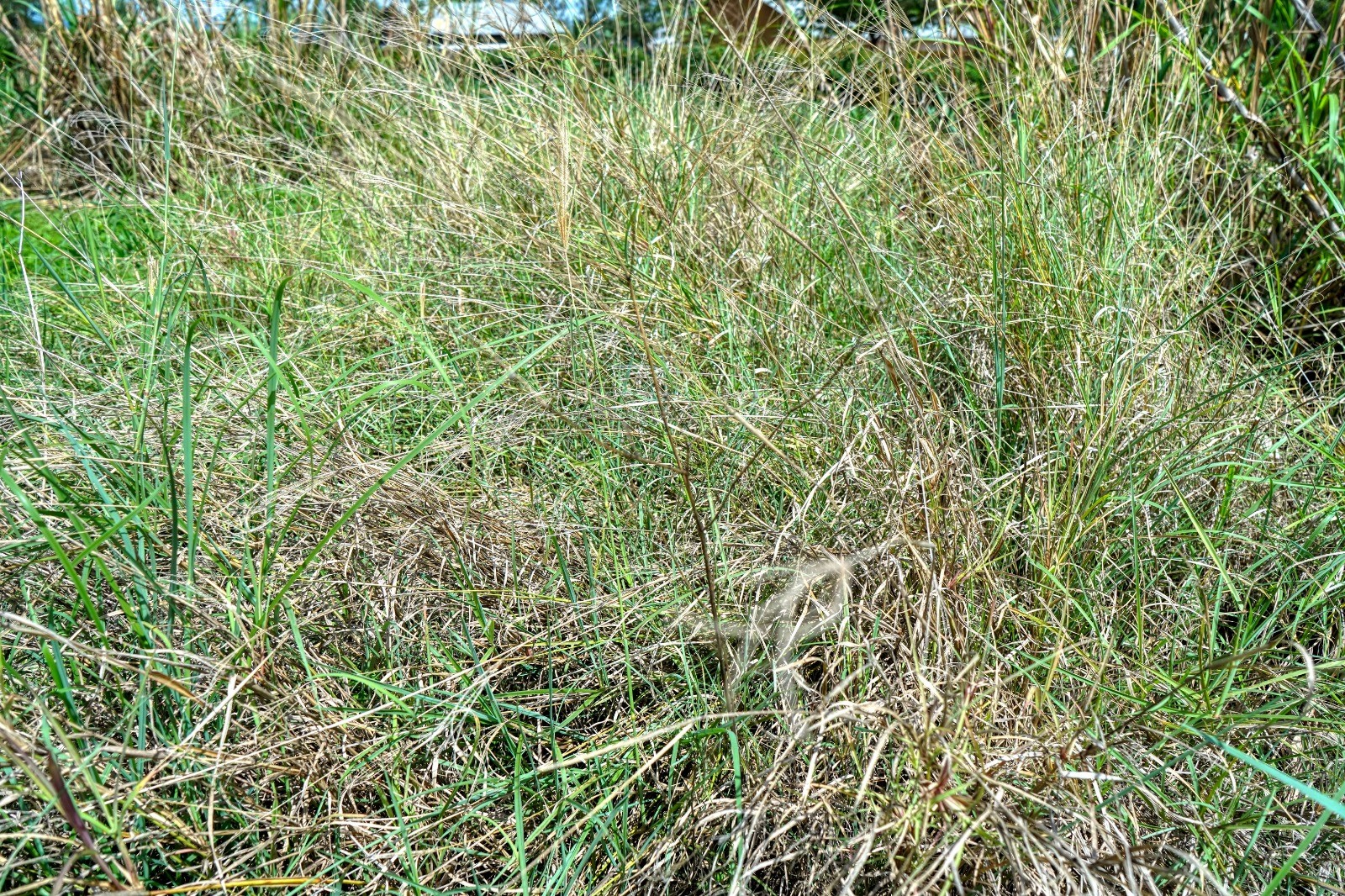
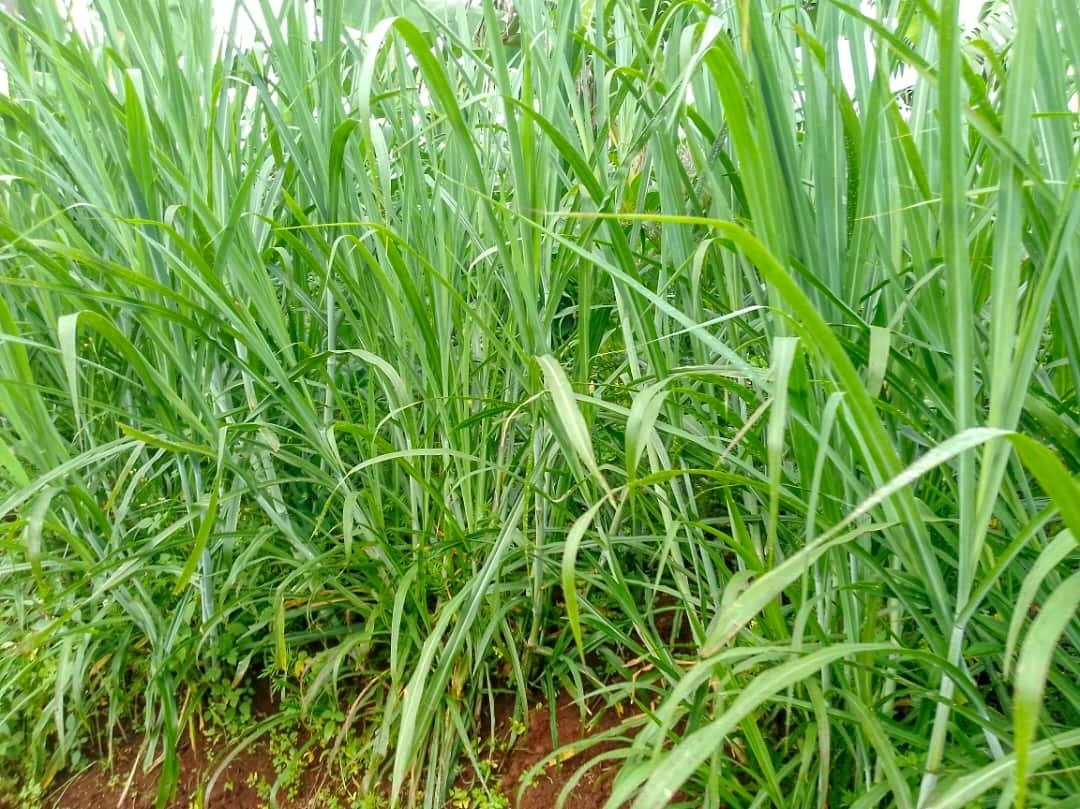
In Rwanda’s Eastern Province, dairy farmers are uniting around a common cause: the urgent need for forage shops. Faced with severe fodder shortages, especially during the dry season, these farmers are calling on the government and development partners to support their livelihoods by establishing accessible outlets where they can purchase the forage they need to sustain their livestock.
For many farmers, the lack of adequate forage has become a recurring challenge that directly impacts milk production. Despite efforts by the government through initiatives such as the Rwanda Dairy Development Project (RDDP) and the Sustainable Agricultural Intensification and Food Security Project (SAIP), the issue of forage scarcity continues to loom large.
Farmers unite for a common solution
Habibu Ntigurirwa, a farmer from the Kiramuruzi Livestock Farmers Cooperative, is among those advocating for change. While the first phase of the RDDP helped farmers like him learn how to grow and store forage, he notes that many still lack sufficient land to cultivate enough fodder to meet their cows’ needs.
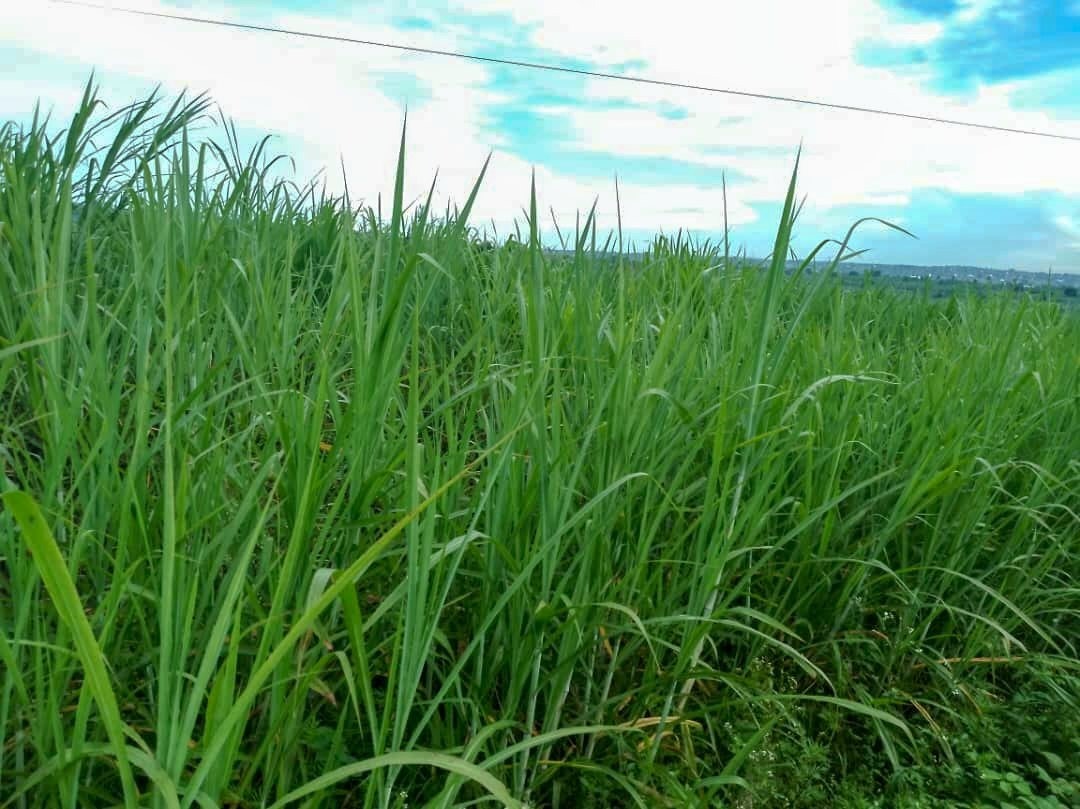
“We need forage shops, especially during the dry season when growing fodder becomes impossible,” Ntigurirwa said. “Other countries in the region have implemented this model successfully, and we believe it could work for us too. If forage shops are established, it will be easier to ensure a steady supply of feed, which will help boost milk production.” he added.
His idea was supported by many other livestock farmers during the official launch of Phase 2 of the RDDP and SAIP. The second phase of these projects, designed to build on the successes of the first, includes training farmers on advanced techniques such as hydroponic forage production—a method that allows farmers to grow fodder using minimal land and water.
A business opportunity for all
Beyond merely solving the fodder shortage, Ntigurirwa sees the establishment of forage shops as a business opportunity that could benefit both forage growers and dairy farmers.
“Some farmers have the land to grow more forage than they need. If forage shops are established, they can sell their surplus to those who don’t have enough land. It’s a win-win for everyone,” he added.
For farmers like François Niyotwagira from Ndego Sector in Kayonza District, forage shops represent a solution that would also help break the cycle of recurring scarcity. He points to examples from Gicumbi District, where similar initiatives have been successful. There, farmers purchase forage from shop owners, ensuring a steady supply of feed throughout the year.
“In Gicumbi, the forage shop business model has been working well. Shop owners make a profit, and farmers get the feed they need. If we replicate that here, it would be a huge relief, especially during the dry season,” Niyotwagira explained.

Encouraging best practices
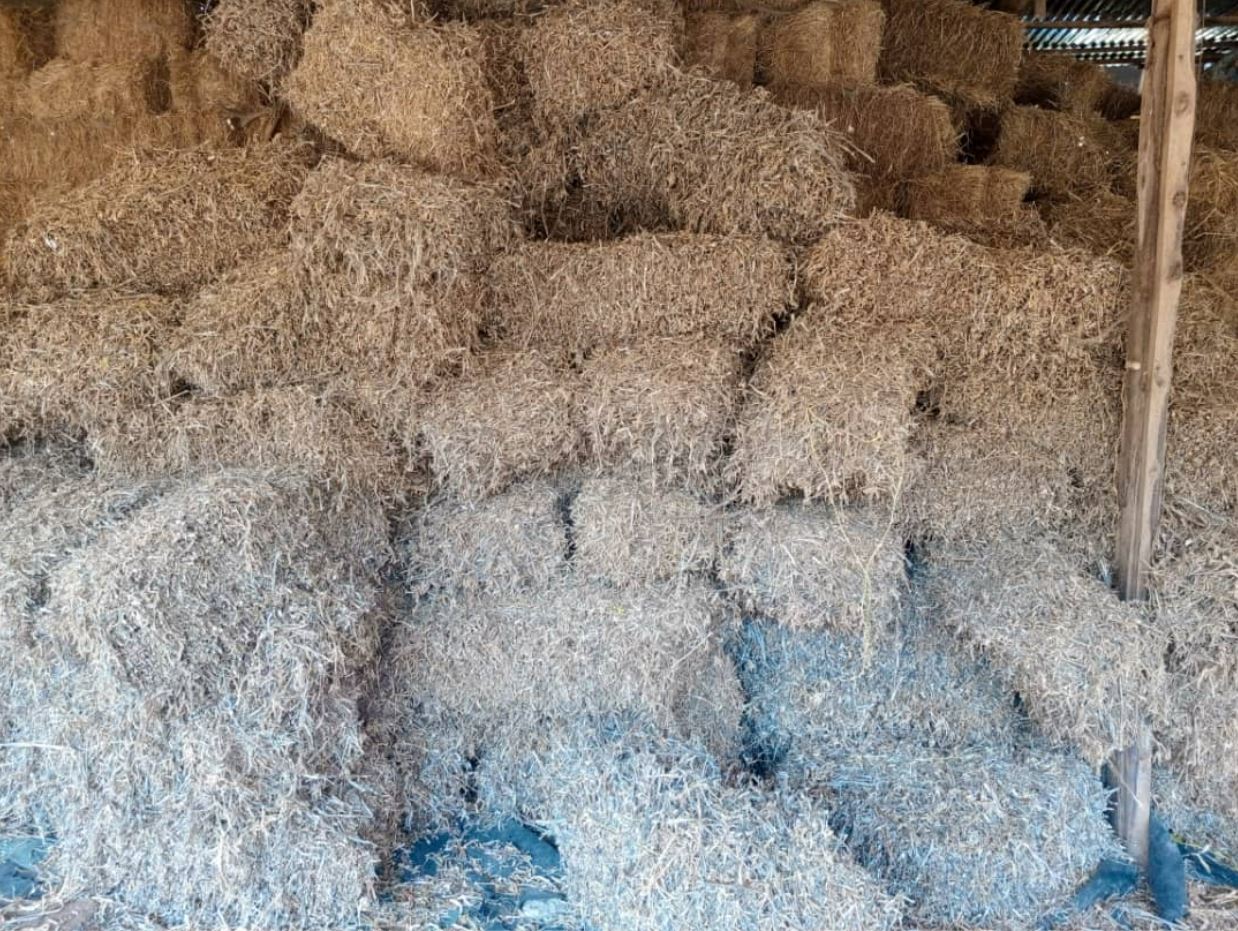
Niyotwagira also advises his fellow farmers to allocate a significant portion of their land to grow ‘ibinyamisogwe’ crops such as beans, soybeans, and maize. These crops’ residues can serve as livestock feed, adding an extra layer of security for farmers trying to ensure they have enough fodder for their cows.
“We’ve seen it work in Gicumbi, and if we all adopt these practices, alongside the establishment of forage shops, we can solve this problem together,” Niyotwagira said.
Reverend Emmanuel Nkusi, another farmer from Kiziguro Sector, supports this view. Living in a village where the dry season hits hardest, he believes the introduction of forage shops could be a lifeline for dairy farmers.
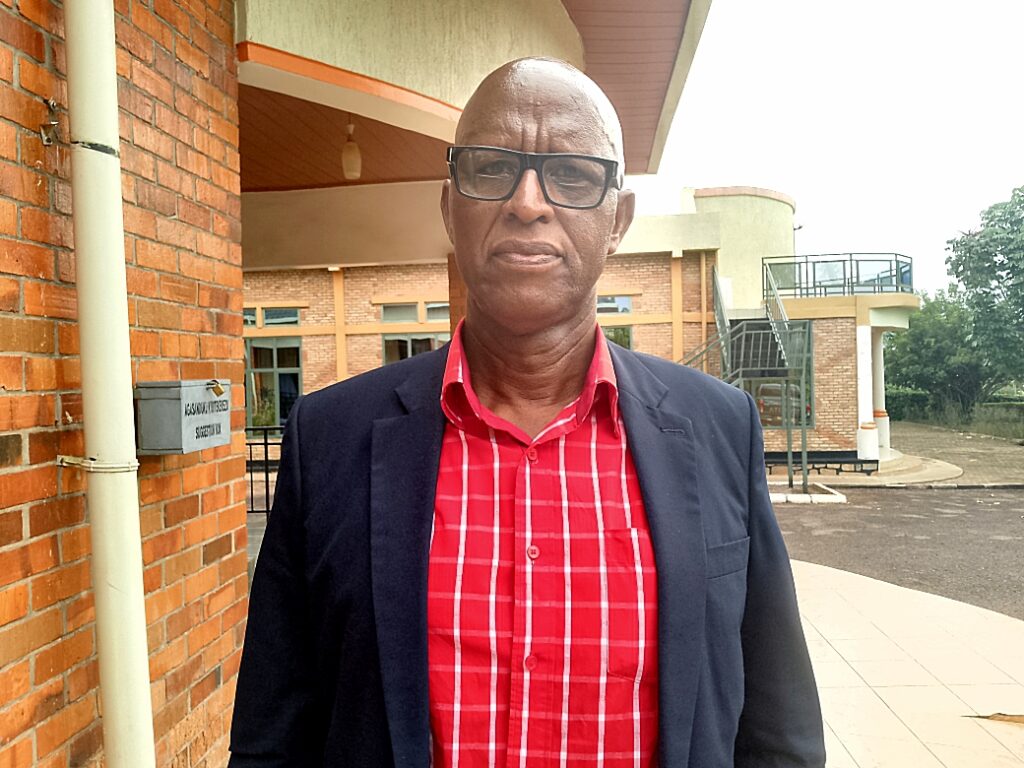
“It’s something we’ve needed for a long time,” Nkusi remarked. “Forage shops could help both farmers and those who grow fodder as a business. It would bring stability and help us focus on boosting milk production.”
A government response
The second phase of the RDDP aims to tackle this issue head-on. According to Gasana Ngabo Méthode, the RDDP Project Manager, this phase will include extensive training on modern farming techniques, such as hydroponic forage production, which allows farmers to grow fodder without the need for large tracts of land.
“We are focusing on improving cow genetics, increasing milk production, and promoting the commercialization of dairy products. The introduction of hydroponic forage technology is one of the key interventions that will help farmers maintain their livestock even during the dry season,” Gasana said.
Hydroponic forage technology has gained popularity in various parts of the world for its ability to produce high-quality feed using minimal resources. By introducing this technique in Rwanda, the government hopes to provide a sustainable solution to the forage shortage, reducing farmers’ dependence on seasonal rains and traditional farming methods.

A path toward sustainability
As the government moves forward with its plans for Phase 2 of the RDDP, farmers like Ntigurirwa and Niyotwagira remain hopeful that forage shops will become part of Rwanda’s dairy sector. They see these shops not just as a solution to a pressing problem but as a means of building a more resilient and sustainable dairy industry.
“If we can get forage shops up and running, alongside the new technologies we’re learning about, we’ll be able to increase our milk production and improve our livelihoods,” Ntigurirwa said. “We’re ready to work together with the government and make this happen.”
As the call for forage shops grows louder, it remains to be seen how quickly these initiatives will take shape. But for now, Rwanda’s dairy farmers are united in their advocacy for a solution that promises to safeguard their livestock and boost the country’s milk production.
theinspirerpublications@gmail.com


Leave a Reply