
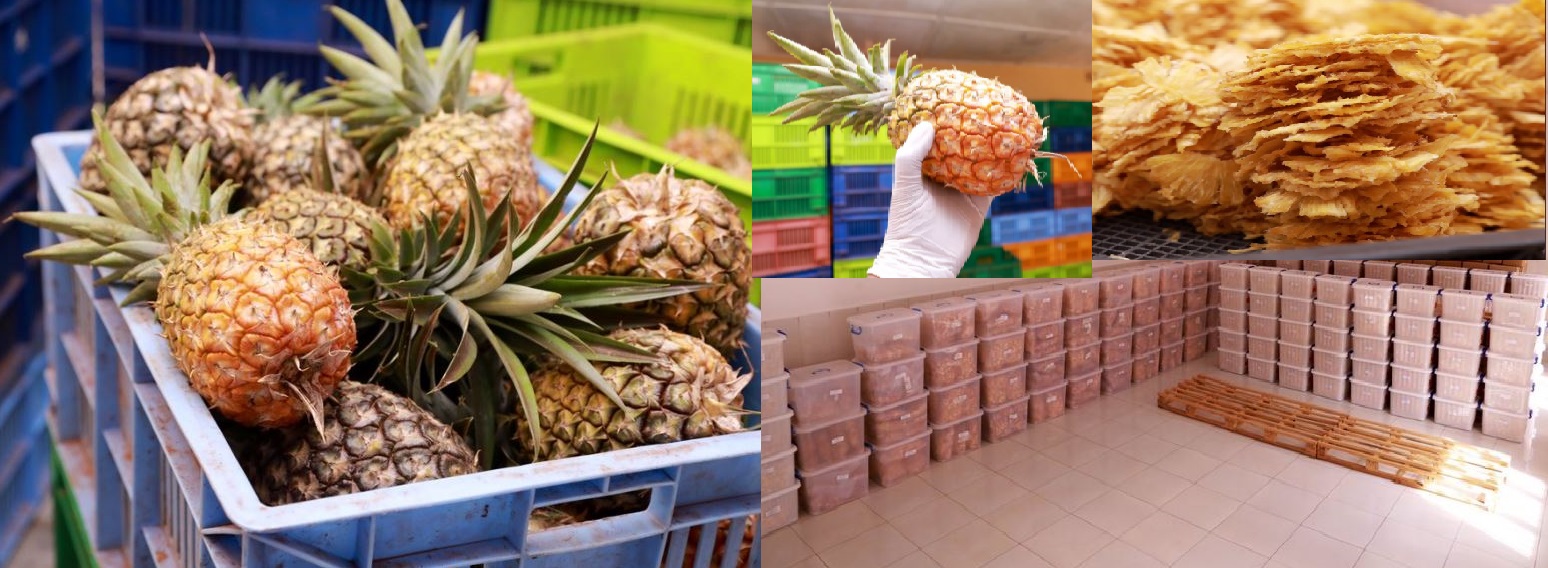
Kirehe pineapple farmers reap big from cooperative farming, value addition and export
By Elias Hakizimana.
Tuzamurane cooperative in the remote Kirehe District’s region stared in 2013 as farmers who grow fresh pineapples for local market consumption. Their current wealth was accelerated by the power of togetherness for common goals as rural farmers.
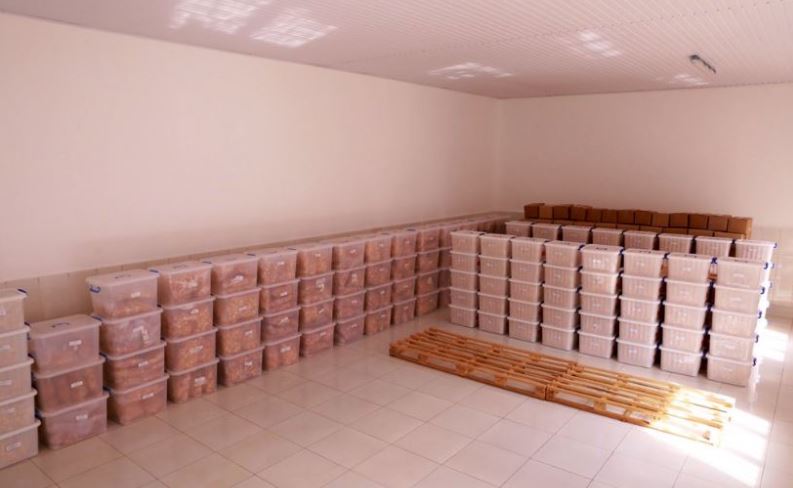
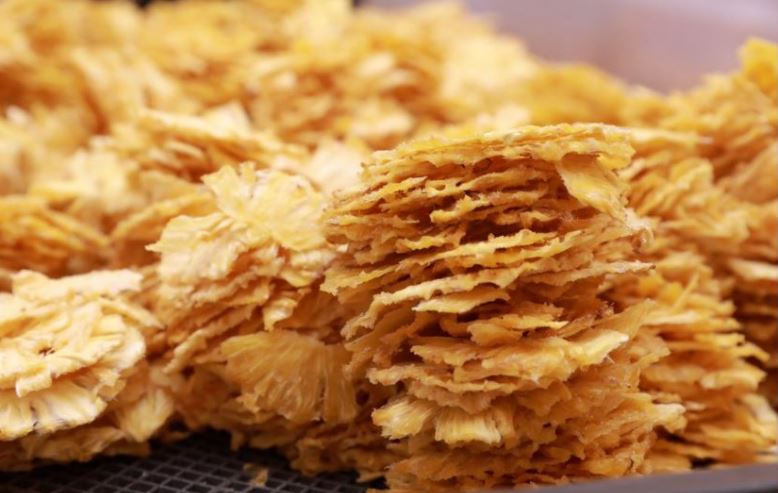
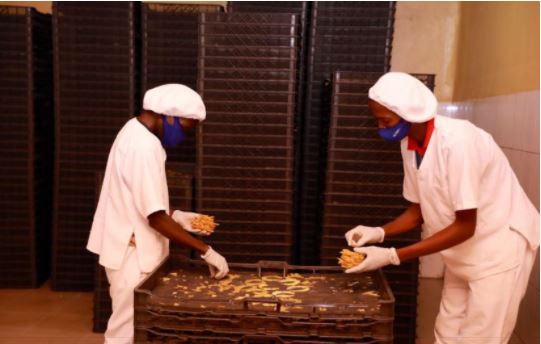
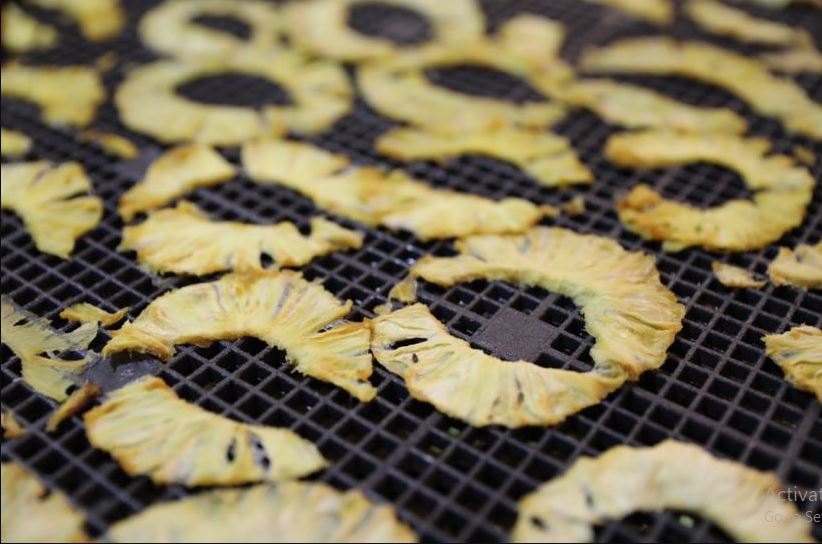
The efforts they used were not spent for granted as they managed to establish a factory worth Rwf400 million to dry peeled and sliced pineapples, which are packaged and exported to France in Europe after processing them using a technology that fixes nitrogen gas to prevent any damage of the final product.
The dried and sliced pineapples after being packaged can last 1 year and 8 months.
All this achievement came from the idea to seek for a solution of post-harvest losses as 20 percent of the fresh pineapples could be damaged in the farm.
Jean Damascene Hakuzimana, the cooperative’s president explained that they have made tremendous achievements since its inception in 2013 where the first idea of value addition to the yield was not drying the sliced pineapples, but processing the juice and beer.
The cooperative started with 35 members including 17 women and 18 men. The farmers who jointly planted pineapples could take the entire fresh yield to the market.
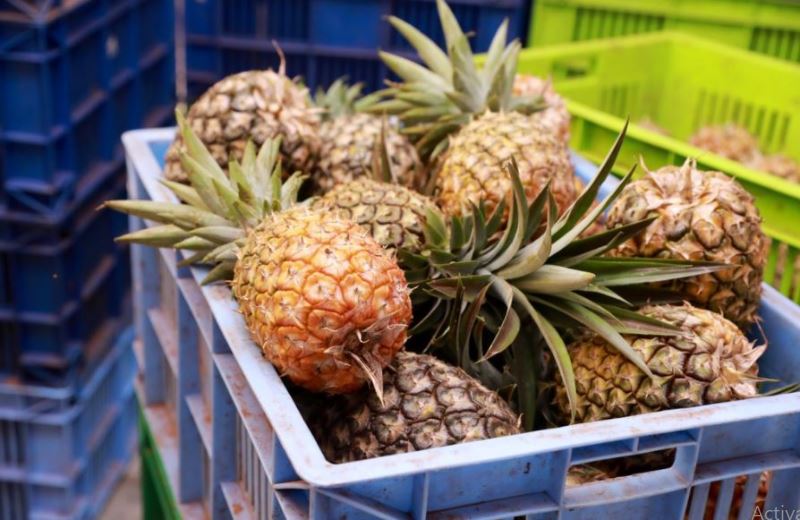
In 2015, as the activities expanded, the number of members grew to 141 from 35 and they could harvest 3600 tons of fresh pineapples a year on 188 hectares of land. Since then, they exported the first sliced dry pineapples in France.
“Our first idea was to produce juice and beer but we learnt from our colleague who brought us the idea from Belgium and in partnership with the National Agriculture Export Board (NAEB), we managed to set up the factory in 2013 which is at the international level. The requirement of export standards was to have organic certificate by foreign companies and we got it at the end of 2013 from IMO, a Suisse company that was later united to ECCO-Cert from France. We first exported 449 kilograms of sliced dry pineapples to France market in 2015.” He said.
The produce for export increased to 2 tons of sliced dry pineapples every month with the value of Rwf28million as 1 kilogram worth $14.11.
Big part of fresh pineapples could be rotten
Hakuzimana said that some fresh pineapples could be rotten as the production capacity of the factory was not advanced and they could sometimes stop working because of the equipment such as machineries which were not enough.
PASP intervention and support
For the factory to expand activities and production capacity, they got financial support from the climate resilient Post-harvest and Agriculture Support Project (PASP), the project of the Ministry of Agriculture and Animal Resources (MINAGRI) which is funded by the International Fund for Agricultural Development (IFAD).
“Before PASP support, 20 percent of our fresh pineapple produce could be damaged in farms; PASP helped us to expand the factory and to increase the machines. We managed to produce 200 kilograms of sliced dry pineapples per day from 100 kilograms we produced before. This year we exported 4 tons of sliced dry pineapples through shipping. PASP helped us to produce a lot within a small period. The production capacity can exceed 2 tons per month but our current client from France wants 2 tons.” Hakuzimana noted.
Farmers’ livelihoods improved
Hakuzimana said that lives of farmers and cooperative members were improved as they are paid timely for their produce.
“The factory kept on reaping big after we have improved the production, last year we met a turnover of Rwf250 million from the overall activities of the cooperative. We used Rwf30 million for workers’ salaries. We pay Rwf130 per a kilogram of fresh pineapple to the farmer from the farm.” He said.
“We give them salary advance to use in farming activities or to use for their basic needs such as house renovation, school fees, expansion of arable land, buying health insurance, Ejoheza insurance, and funeral service support among others. When they face disasters, they came and we give them credit without the interest rate.” He added.
The factory has 100 casual workers and 20 permanent staff; and 55 percent of them are female employees.
Income grew 4 times
Hakuzimana said that the value addition to pineapple produce topped their income four times the one from fresh pineapples.
This is the positive results from the support of PASP that contributed over Rwf160 million to help the cooperative reduce post-harvest losses.
“For the first phase, they gave us over Rwf138 million for our first project to build the factory and to buy drying machines as well as other equipment. For the second phase, they gave us Rwf22 million and we added our contribution of Rwf22 million to buy a car for transportation of the produce.” He added.
Hakuzimana advised farmers to work jointly in cooperatives in order to meet their objectives as an individual faces mixed struggles.
@theinspirerpubl



Leave a Reply