
Kigali: African summit on entrepreneurship makes case for strengthening skills development
By Michel Nkurunziza.
The African Summit on Entrepreneurship and Innovation (ASENTI 2025) kicked off at the M-Hotel in Kigali under the theme “Innovation for a Sustainable Future: Reimagining Africa’s Entrepreneurship.”
It brought together innovators, educators, and investors from across the continent and beyond, emphasising the urgent need for capacity building, practical business training, and sustainable investment in Africa’s entrepreneurial ecosystem.
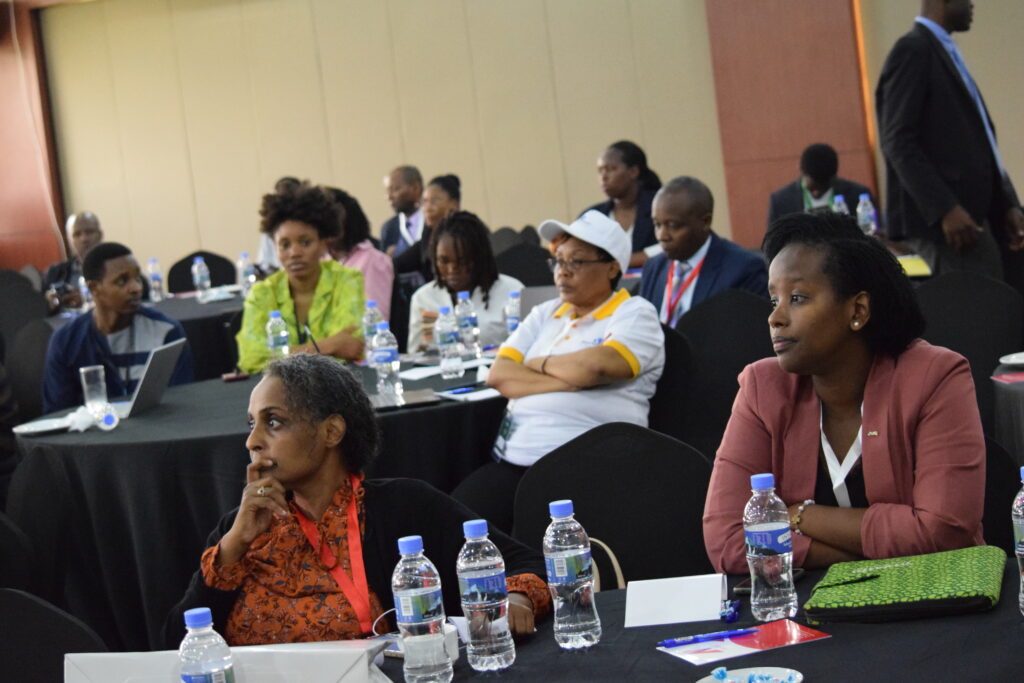
Over three days, leaders from education, technology, and business gathered to discuss how Africa can accelerate innovation, strengthen skills development, and build sustainable enterprises.
The opening ceremony featured remarks from Calvin Jodisi, President of ASENTI Africa, followed by keynote speeches from Esther Kunda, Rwanda’s Director General for Innovation and Emerging Technologies at the Ministry of ICT and Innovation, and Mduluzi Munana, former South African Deputy Minister of Higher Education and Training.
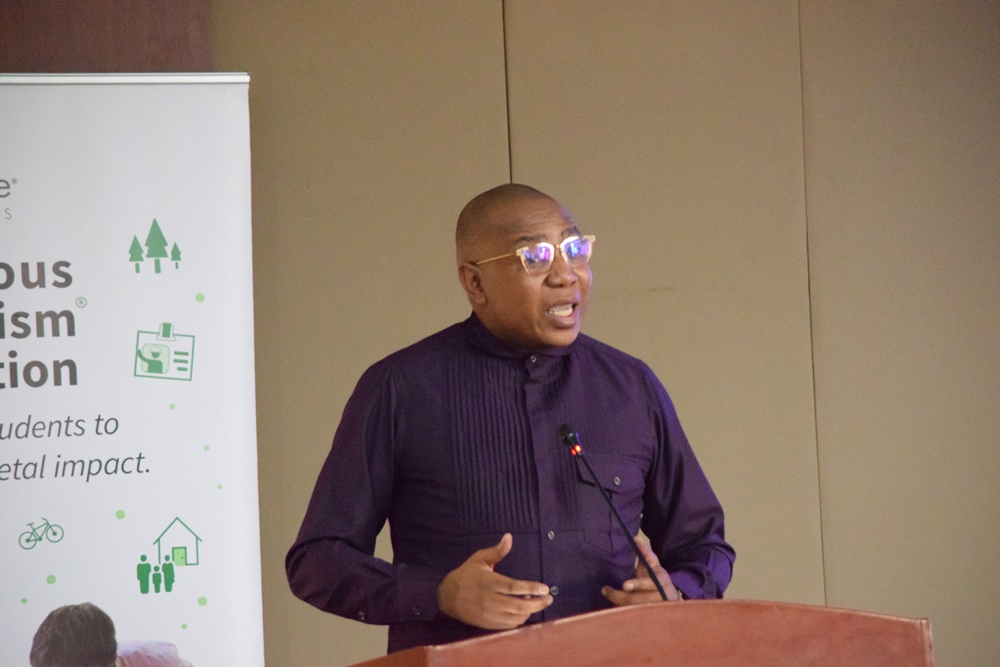
Mduluzi Munana, MA in Global Policy, Former Deputy Minister of Higher Education Trainings in South Africa
Speakers emphasised the importance of youth-driven innovation and the continent’s untapped potential.
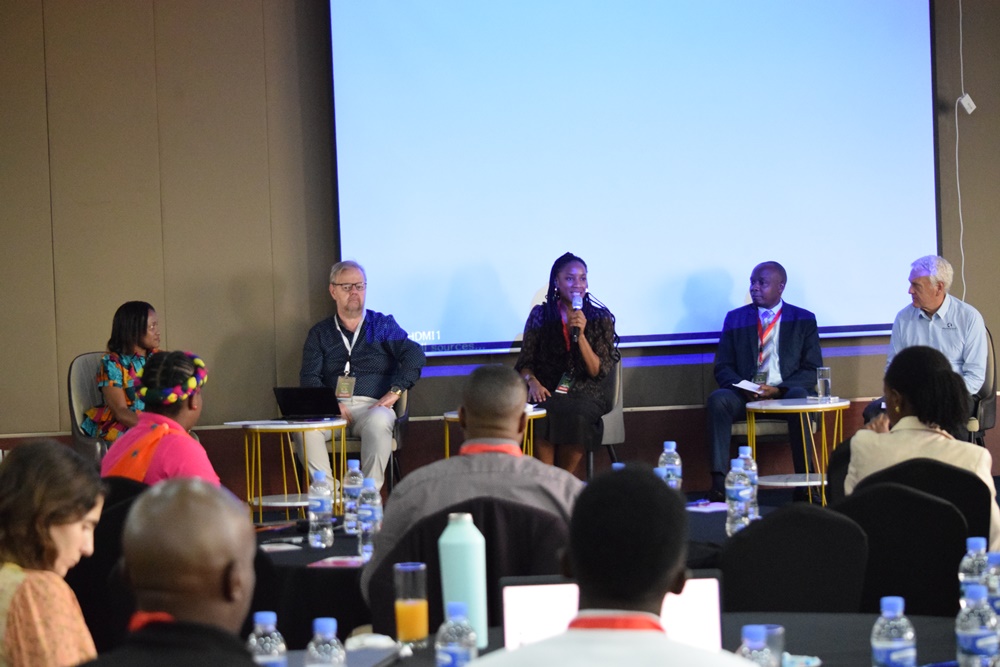
A major highlight of Day 1 was the panel on Education and Technology. The session explored how technology can bridge Africa’s digital divide and strengthen collaboration between academia and industry.
Attendees later participated in sector-focused sessions on investment access, start-up pitching, and technology-driven entrepreneurship, including a masterclass by Oracle Academy and an innovation workshop by Marketplace Simulations.
Day 2 was marked by presentations on artificial intelligence and storytelling as a tool for reshaping Africa’s global narrative. The Innovating for Africa and Beyond session brought together successful entrepreneurs from Rwanda, South Africa, and Canada, who shared lessons on scaling solutions across borders.
Agribusiness and healthcare innovation took centre stage in afternoon sessions focusing on climate resilience, food systems, and the One Health approach.
Women leaders in technology also took the stage, discussing how African women are driving sustainability and digital transformation.
The summit concluded with the ASENTI Start-up Awards 2025, a fireside chat on financing African innovation, and an evening networking event recognising partners and contributors.
“We started ASENTI with the main goal of promoting entrepreneurship across Africa,” said ASENTI President Calvin Jodisi. “Over the past decade, we’ve hosted the conference in Kenya, Uganda, Rwanda, South Africa, and Ghana, connecting young entrepreneurs to investors, partners, and new opportunities.”
Jodisi noted that while access to finance remains important, the greatest gap continues to be capacity building.
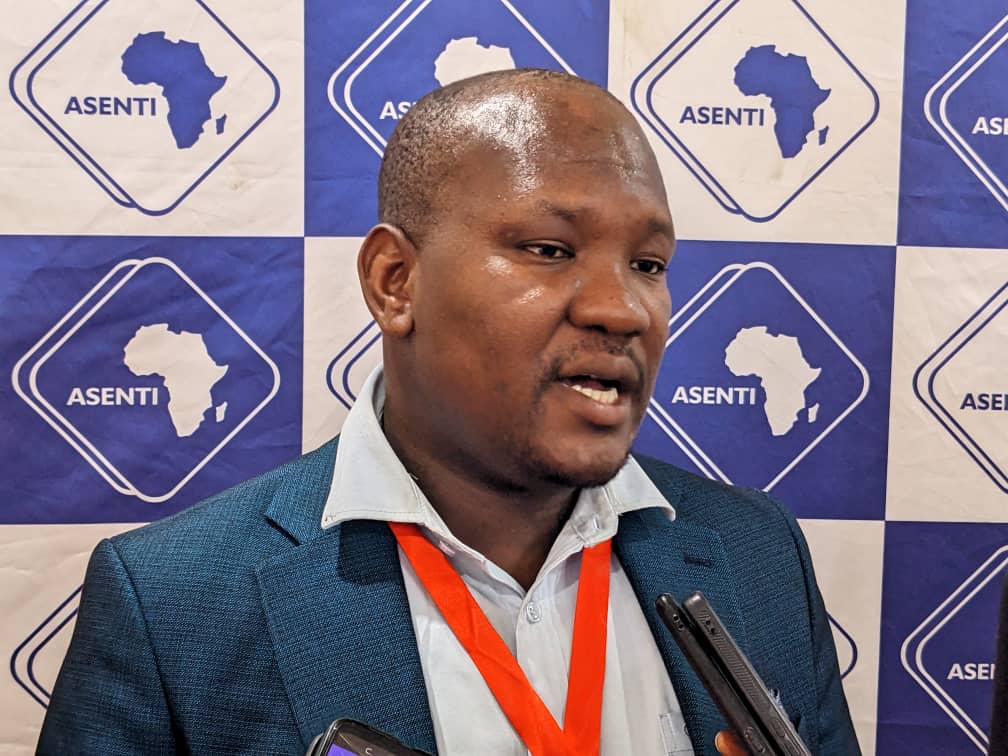
SENTI President Calvin Jodisi.
“It’s not just about finances; it’s about building capacity,” he said. “Young people need knowledge, tools, and mentorship. There’s a lot of money available, but investors want to see solid, viable ideas.”
He emphasised that entrepreneurs must show commitment by developing prototypes or proof of concept.
“It’s not enough to say ‘I have an idea,’” he added. “Investors want to see that you’ve put in effort, even with small resources.”
This year, 10 entrepreneurs pitched their ideas, after which ASENTI will offer additional training before linking them to early-stage investors.
Jodisi urged young Africans to pursue innovation boldly.
“Africa’s growth depends on entrepreneurship,” he said. “We need the next Tesla or Amazon — built by Africans, right here in Africa.”
Jano Simika, Director of Infrastructure and Distributor Relations at Marketplace Simulations, which provides business and strategy simulations to institutions worldwide, said: “Students graduate with theoretical knowledge but lack practical business experience. This challenge is global — not unique to Africa.”
Marketplace Simulations trains about 150,000 students annually across 70 countries using games that mirror real business operations.
“Our simulations allow students to learn by doing — making decisions, analysing markets, adjusting advertising and production,” he explained. “Governments should encourage entrepreneurial education and focus on developing soft skills.”
Simika noted that their work with African universities helps students apply simulation lessons to local markets.
Entrepreneurs share lessons ahead of pitching session
During the pitching session, participants from several African countries — and international partners — introduced themselves and shared insights from the panel discussions.
Brian Okeo, Project Manager at Green Tech Global Solutions Limited (Kenya), said he learned the importance of integrating artificial intelligence into vegetable production and distribution.
“AI can help streamline our production scheduling and distribution to vendors,” he said.

From Ethiopia, Terhas Legesse, CEO and founder of Hire Me Africa, noted potential collaboration with Marketplace Simulations.
“Both our organisations offer online solutions,” she said. “There’s room for partnership.”
Kenyan entrepreneur Carine Kasudi highlighted the availability of ecosystem support.
“I learned there is a lot of support for entrepreneurs, and I intend to make full use of it,” she said.
Rwandan entrepreneur Pacifique Nezerwa represented a company advocating for clean, affordable transport.
“We promote electric motorbikes to make transport accessible while helping address climate change,” he said.

Entrepreneurs remarked: “Knowledge without skill is not effective. We must apply knowledge to create real change.”
The young innovators prepared to pitch ideas aimed at transforming industries across the continent.
Organisers say the summit continues to grow as a key platform for entrepreneurship, investor engagement, and youth empowerment in Africa’s emerging innovation landscape.
Esther Kunda, Rwanda’s Director General for Innovation and Emerging Technologies at the Ministry of ICT and Innovation, emphasised the urgency of building a stronger, more inclusive entrepreneurship ecosystem across the continent.

Esther Kunda, Rwanda’s Director General for Innovation and Emerging Technologies at the Ministry of ICT and Innovation
“Five or ten years ago, we talked about Africa becoming the largest pool of talent by 2030. Well, 2030 is now five years away. The future we spoke about is almost here,” she said.
She urged entrepreneurs to prioritise meaningful impact in every sector:
“If you’re in agri-tech, think about food security. If you’re in health-tech, think about how to improve health outcomes at a lower cost. If you’re working with AI, think about the real impact you’re driving. It’s all about impact and how we support our citizens.”
Kunda described Rwanda’s ongoing initiatives to nurture innovation, including the Hanga programme:
“Within the ministry, we’ve branded several programmes under ‘Hanga,’ a Kinyarwanda word meaning ‘create’ or ‘innovate.’ Our idea is to celebrate entrepreneurs and build innovation hubs across Rwanda — not just in cities, but in communities everywhere,” she noted.
She also highlighted efforts to strengthen under-served sectors such as sexual and reproductive health, fintech, and financial inclusion:
“We’re looking at how to build sustainable companies addressing sexual and reproductive health across the continent. And with fintech, we believe payments will power the digital economy of tomorrow.”
On capacity building, she emphasised youth and employability:“We’ve been working with partners like Oracle Academy to embed talent training for young people. Most jobs in the next few years will come from entrepreneurs — and when you support an entrepreneur, you create a job, and that job creates more talent. It becomes a growth cycle for all of us.”
Kunda reiterated Rwanda’s vision for the future:“We want to become a middle-income country in the next few years, and we cannot do that without a strong entrepreneurship ecosystem and a strong private sector.”



Leave a Reply