

ISOC Rwanda Launches Digital Literacy Program for Rural Youth in Kayonza District
By Prince Boris Cyubahiro.
In a significant effort to bridge the digital divide in rural communities, the Internet Society Rwanda Chapter (ISOC Rwanda) launched a transformative Digital Literacy program on Friday, August 9, 2024, targeting youth in Kayonza District.
This initiative is designed to equip young people with the essential skills needed to thrive in an increasingly digital world, addressing the unique challenges they face in accessing and utilizing technology.
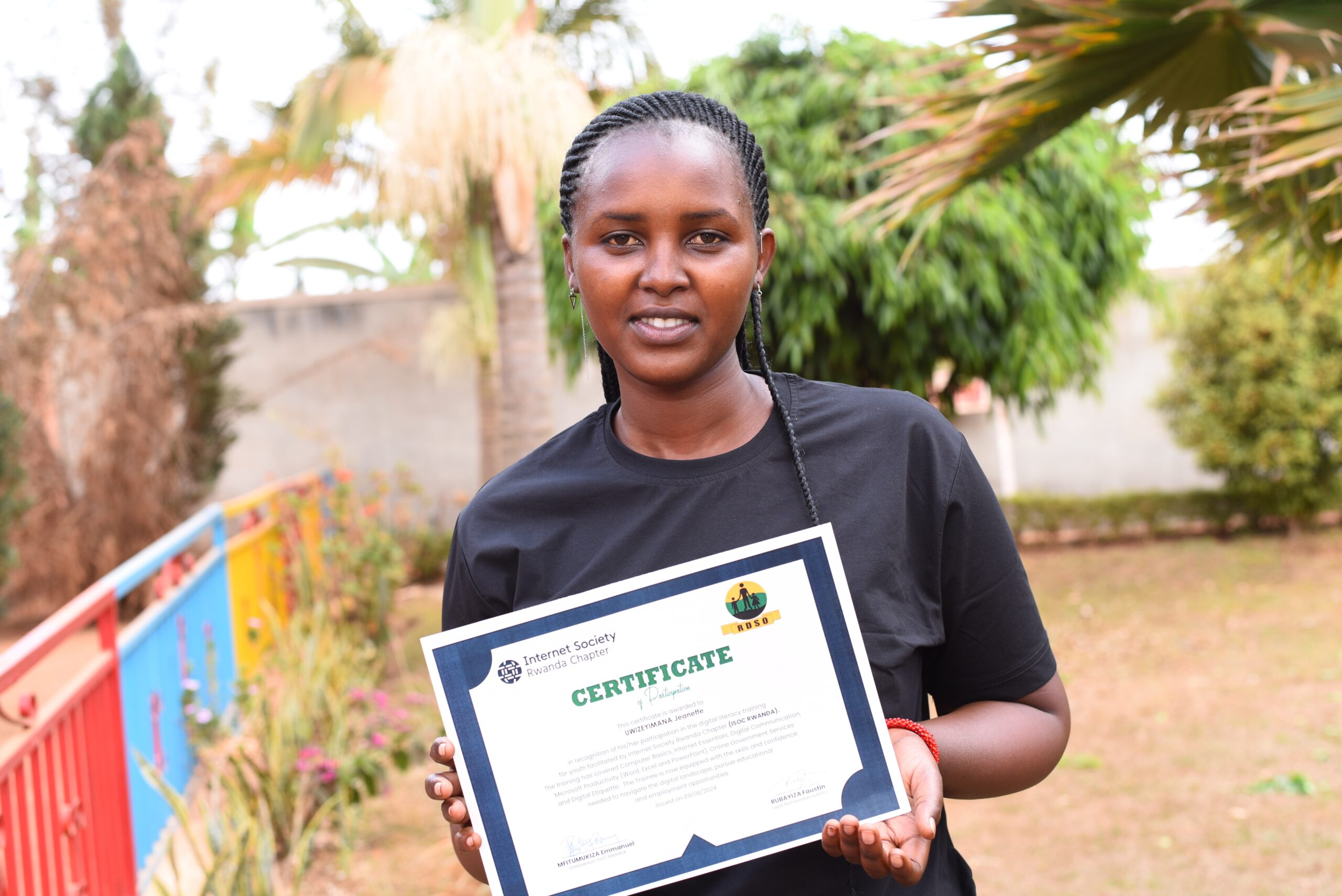
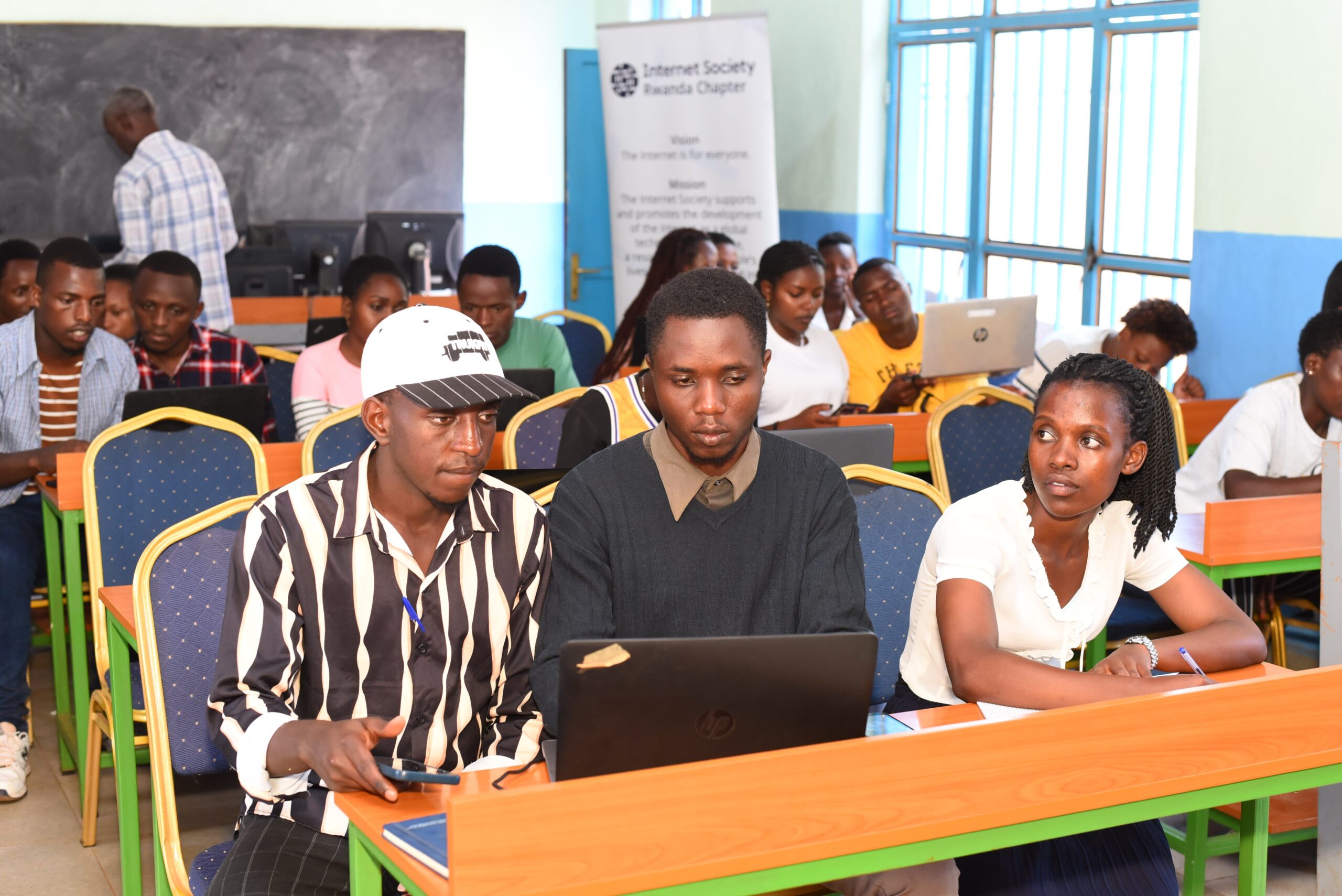
The program focuses on empowering rural youth aged 16-30 by providing them with a comprehensive curriculum that covers critical topics such as Computer Basics, Internet Essentials, Digital Communication, Microsoft Productivity tools (Word, Excel, PowerPoint), Social Media and Digital Etiquette, and accessing Online Government Services. These sessions are tailored to build both confidence and competence, ensuring participants are well-prepared to navigate the digital landscape.
“The digital literacy gap in rural communities is a barrier to progress,” said an ISOC Rwanda representative during the launch event. “Our program is designed not only to teach basic digital skills but also to empower youth to pursue educational and employment opportunities, thereby contributing to the overall development of their communities.”
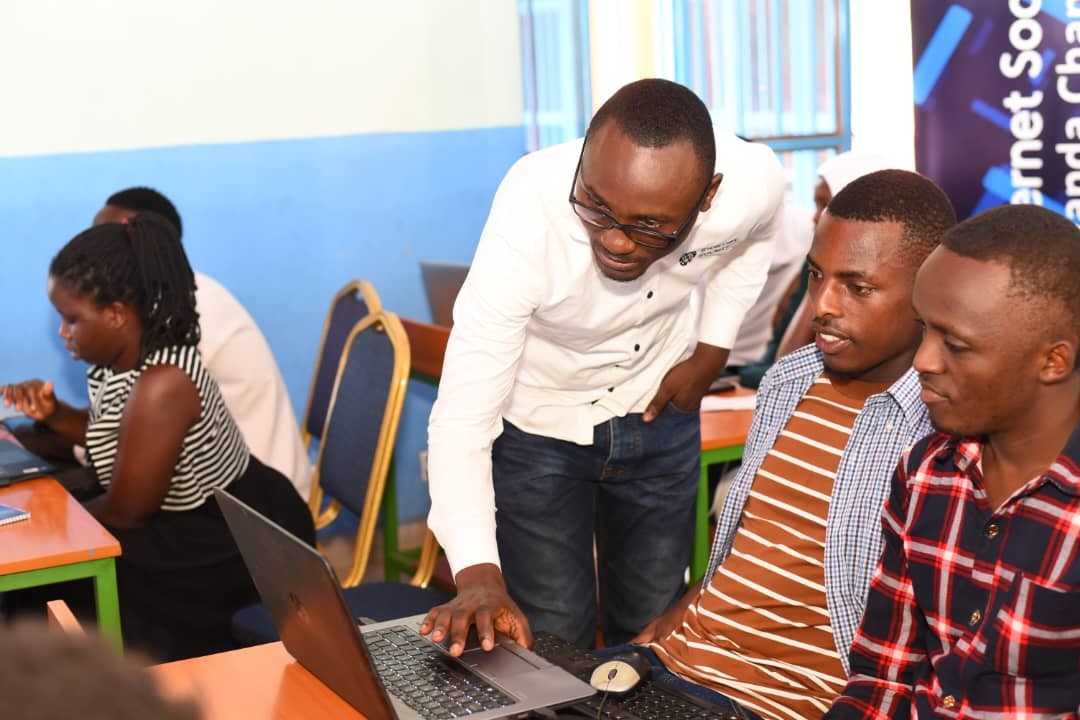
A key aspect of the program is its focus on marginalized youth from low-income families, with a particular emphasis on girls. By prioritizing these groups, ISOC Rwanda aims to foster an inclusive digital environment where all young people have the opportunity to succeed.
Voices from the Ground
Manishimwe Jean Claude, a teacher in Kayonza District and one of the training participants, shared how the program has been particularly beneficial to him.
“This training has been extremely helpful, especially in overcoming challenges I faced in preparing student report cards,” he said.
Manishimwe also highlighted the practical benefits he gained from learning how to use ‘Irembo’ services, enabling him to manage many services independently. He commended the Rwandan government for considering those living on the outskirts of Kigali, noting that the training came at a crucial time.
However, Manishimwe pointed out some challenges, such as the need for faster internet and more computers for training. He suggested that future sessions should ensure each student has their own computer for hands-on learning.

Uwizeyimana Divine, a volunteer and resident of Kayonza District, also expressed her gratitude for the training.
“I had limited knowledge, but I learned so much more, including how to conduct meetings using technology and how to use ‘Irembo’ services like paying for health insurance and obtaining birth certificates,” she said.
Uwizeyimana praised the dedication of ISOC Rwanda’s staff and expressed a desire for continued training to further enhance the knowledge they have gained.

Collaboration and Future Prospects
Rubahiza Nkurunziza Faustin, spokesperson for the Relief and Development Support Organization (RDSO), which collaborates with ISOC Rwanda, praised the program’s impact on youth in Kayonza.
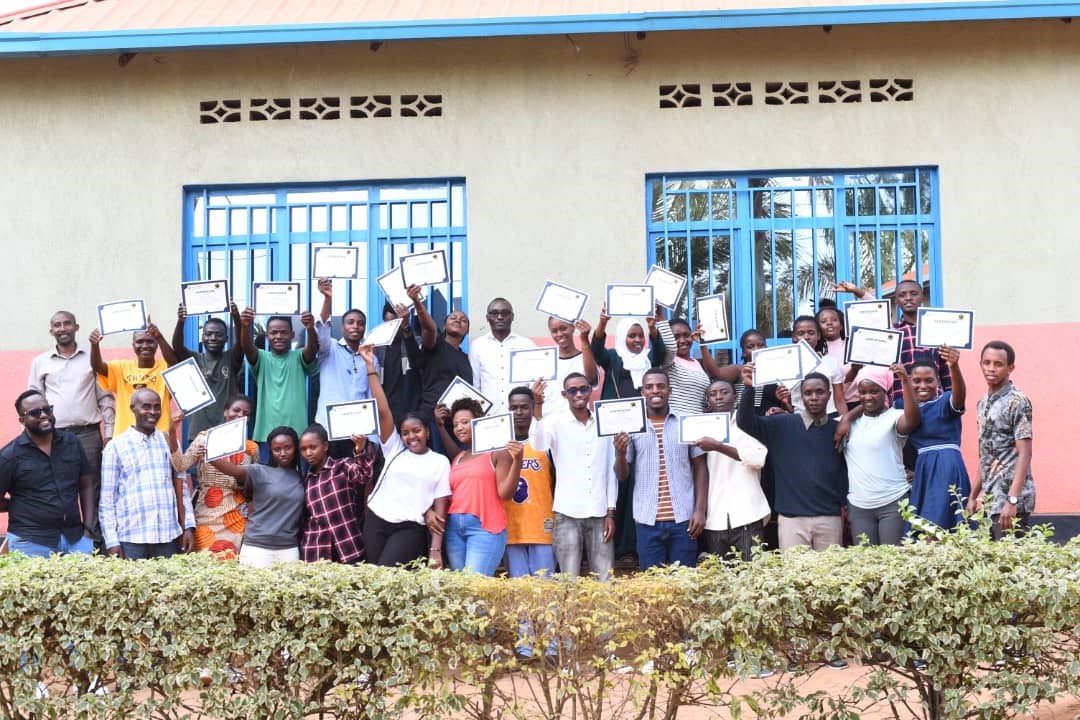
“We began on Monday, August 5, and concluded today, August 9, focusing on the basics that youth need to know about using technology,” he said.
Faustin also called on the Ministry of Youth to establish more youth centers that teach ICT and entrepreneurship, and to provide enough computers for proper training, especially since 65% of Rwanda’s population is youth.
“If efforts are put into teaching the youth about technology, I believe development will accelerate significantly,” he added.

Looking Ahead
The objectives of the digital literacy program are clear: to increase digital literacy among rural youth, enhance their ability to use digital tools safely and responsibly, and improve their employment prospects. The enthusiasm among participants is palpable, with many expressing how the skills they have acquired will benefit their studies and future careers.
As the program continues, ISOC Rwanda plans to expand its reach to other districts, ensuring that more rural youth are given the tools they need to succeed in the digital age. This initiative marks a pivotal moment in Rwanda’s ongoing efforts to promote digital inclusion and empower the next generation of leaders.


theinspirerpublications@gmail.com




Leave a Reply