
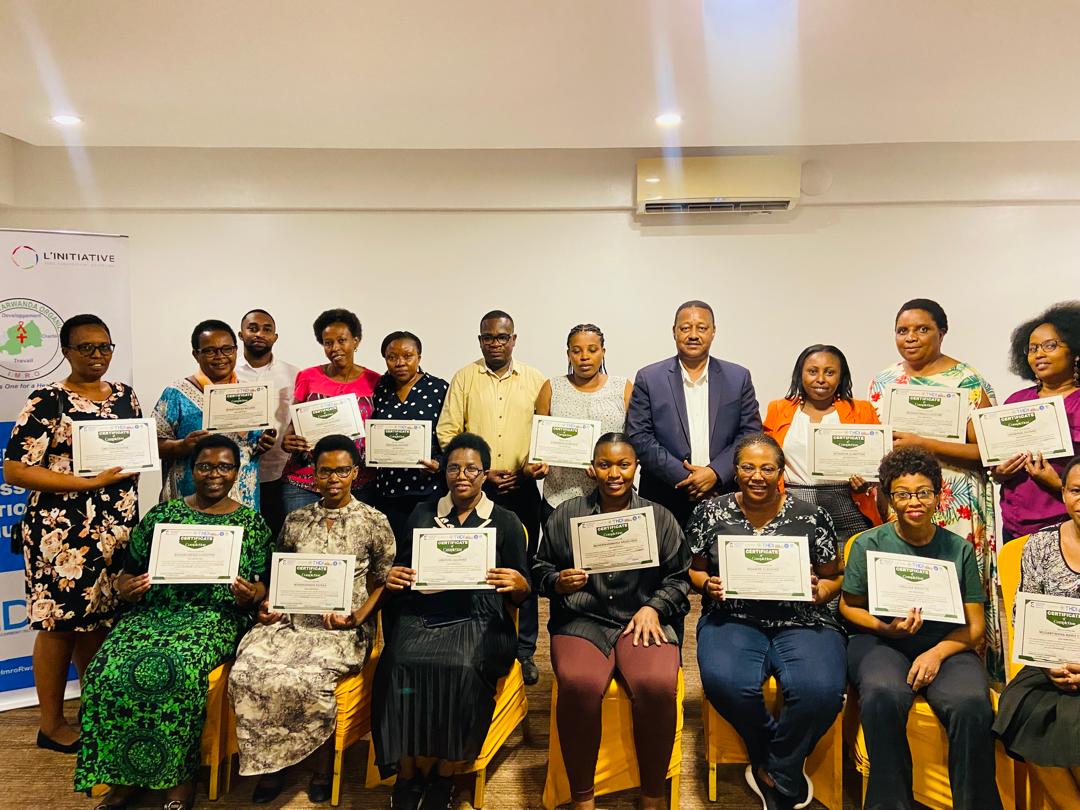
IMRO Rwanda trains Kicukiro health workers to improve care for people who use drugs
By Elias Hakizimana.
IMRO Rwanda has strengthened the capacity of healthcare providers in Kicukiro District to provide more inclusive, rights-based and stigma-free services to people who use drugs, with a renewed emphasis on treating them as patients who need care rather than people who should be punished.
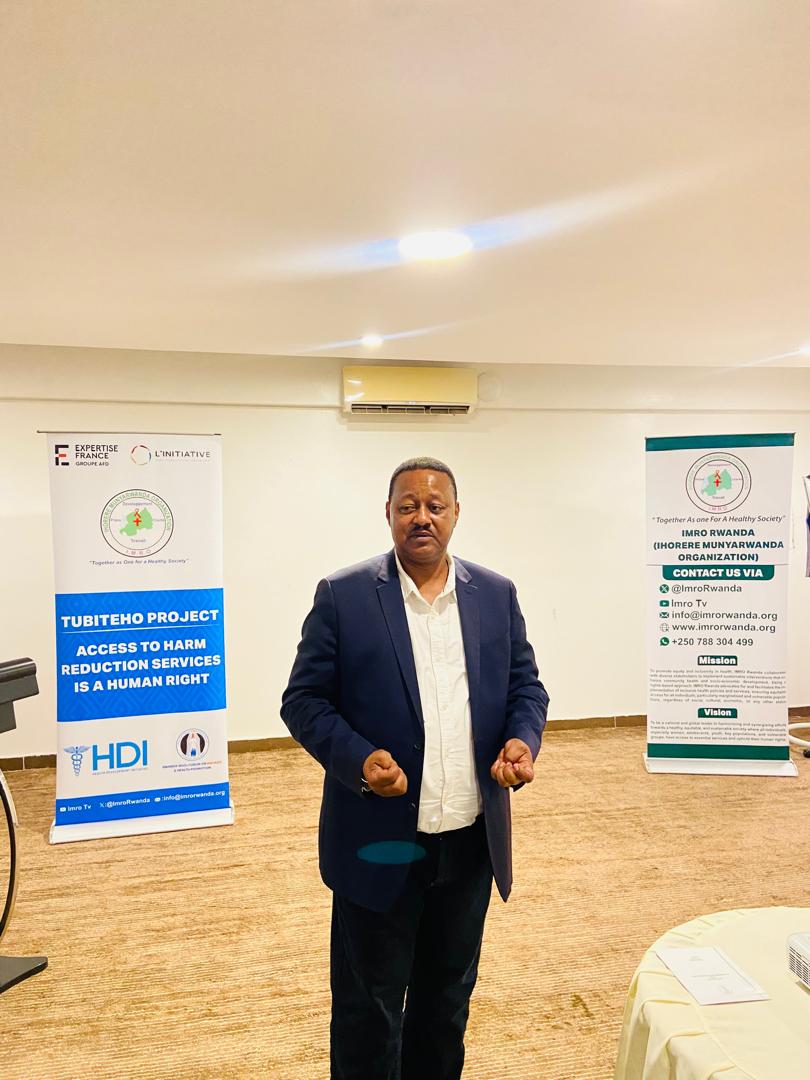
The five-day training, conducted under the TUBITEHO Project, focused on strengthening healthcare providers’ knowledge, skills and attitudes towards people who use drugs and other key populations.
The training brought together healthcare providers from selected health facilities in Kicukiro and was implemented as part of a consortium comprising IMRO Rwanda, Rwanda NGOs Forum on HIV/AIDS and Health Promotion (RNGOF), Health Development Initiative (HDI), Strive Foundation Rwanda (SFR) and Médecins du Monde (MdM).
A central message of the training was the need to recognise people who use drugs as patients with health needs who deserve access to appropriate treatment, care and support without stigma or discrimination.
“People who use drugs are patients. They should be treated and supported, not punished,” was among the key principles emphasised during the training.
The programme covered harm reduction, advocacy and human rights, Values Clarification and Attitude Transformation (VCAT), as well as approaches for providing friendly and inclusive healthcare services.
Healthcare providers were also equipped with a harm reduction package and practical knowledge on how to support people who use drugs in a manner that respects their dignity and rights.
The training addressed evidence-based harm reduction approaches, prevention and management of drug-related health conditions, overdose response, referral pathways and human rights-based healthcare.
People who use drugs can face increased risks of HIV, viral hepatitis, tuberculosis, sexually transmitted infections, mental health challenges and overdose. However, stigma and discrimination can create additional barriers, discouraging people from seeking or continuing healthcare.
Dr. Darius Gishoma, Mental Health Division Manager at the Rwanda Biomedical Centre (RBC), shared insights into Rwanda’s ongoing response to alcohol and substance use, highlighting the importance of identifying people affected by substance use early and linking them to appropriate treatment and support within their communities.
Dr. Gishoma emphasised the critical role of healthcare providers in proactively reaching people who use drugs and people who inject drugs, rather than waiting for them to seek help.
“Healthcare providers have a critical role in proactively identifying and reaching people who use drugs and people who inject drugs, and ensuring that they can access comprehensive care, including HIV, TB and mental health services,” Dr. Gishoma said.
He stressed that strengthening community-based identification and integrated, people-centred treatment is essential to ensuring that people affected by substance use receive care while preserving their health and dignity.
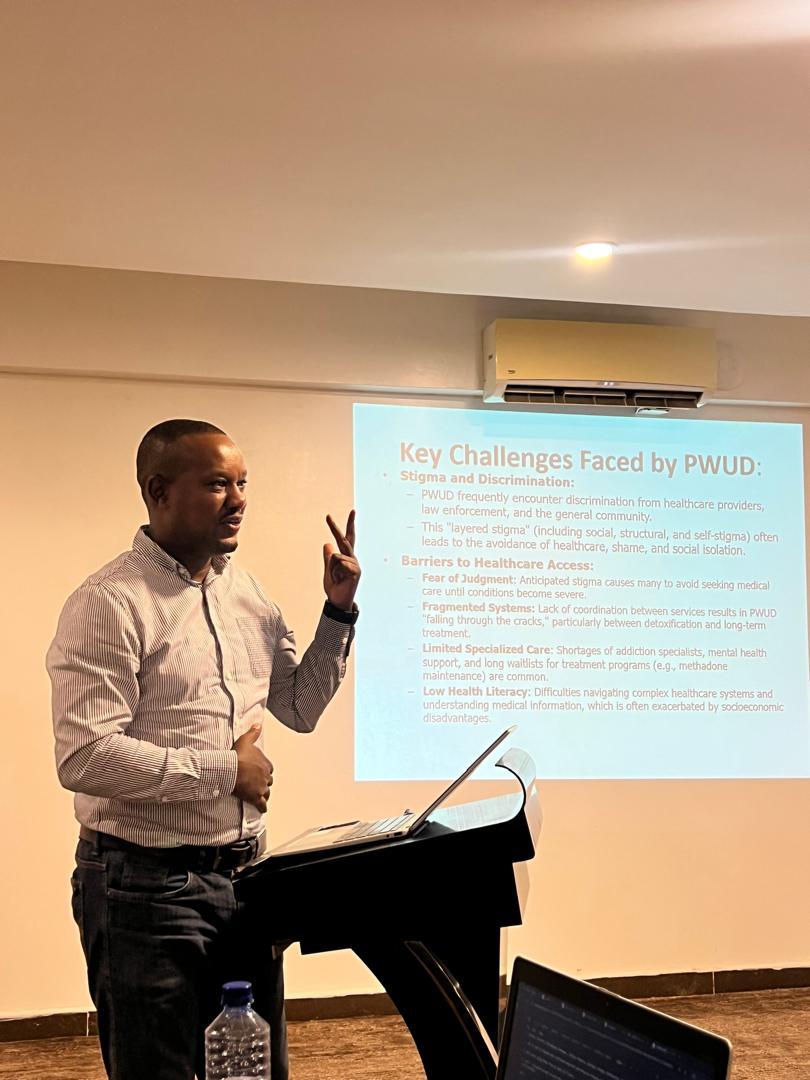
The training therefore sought to challenge misconceptions and negative attitudes that can affect the quality of care provided to people who use drugs.
A key component was Values Clarification and Attitude Transformation, which encouraged healthcare providers to reflect on their perceptions and attitudes towards key populations and develop more respectful, compassionate and non-discriminatory approaches to patient care.
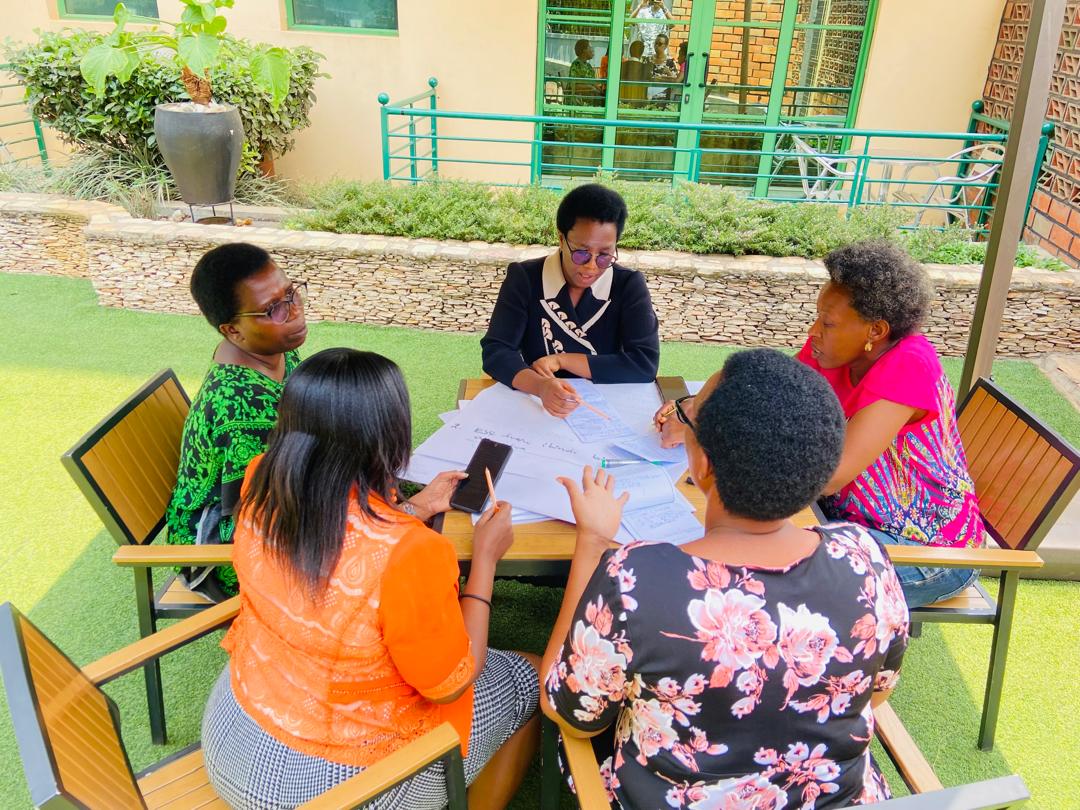
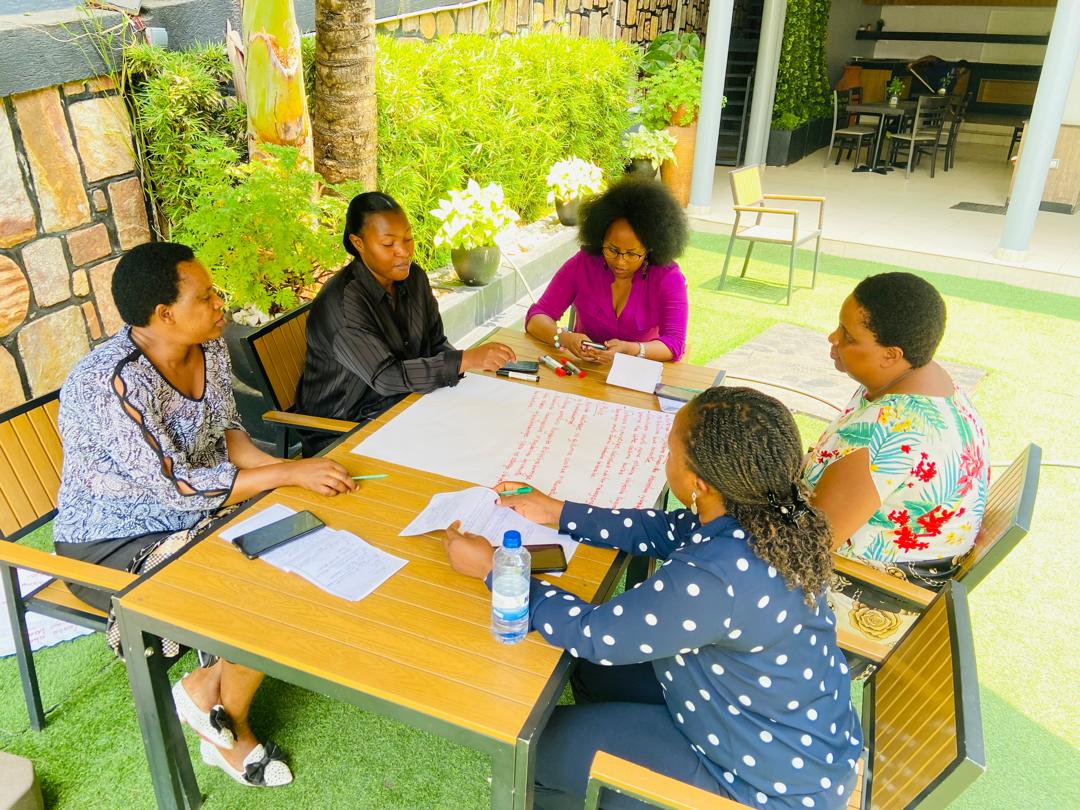
The sessions used participatory methods, including presentations, facilitated discussions, case studies, group work, practical exercises, role plays and experience sharing. Pre- and post-training assessments were also conducted to assess changes in participants’ knowledge.
By strengthening capacity at health facilities, IMRO Rwanda aims to contribute to a healthcare environment where people who use drugs can seek services safely and receive appropriate care without fear of stigma or discrimination.
The initiative is part of broader efforts under the TUBITEHO Project to strengthen harm reduction interventions and improve access to comprehensive, equitable and rights-based healthcare services for people who use drugs in Rwanda.
Closing the five-day training, Aimable Mwananawe, IMRO Rwanda Executive Director, thanked trainers from the Rwanda Biomedical Centre and Icyizere Psychotherapeutic Center for their contribution to the training.
Mwananawe also commended the collaboration between the Government, through the Ministry of Health and RBC Mental Health Division, and other stakeholders working to address substance use issues and strengthen the national response to the needs of people who use drugs.
The collaboration, IMRO Rwanda noted, remains important in ensuring that people affected by substance use can access appropriate health services, support and treatment while being treated with dignity and respect.
theinspirerpublications@gmail.com





Leave a Reply