
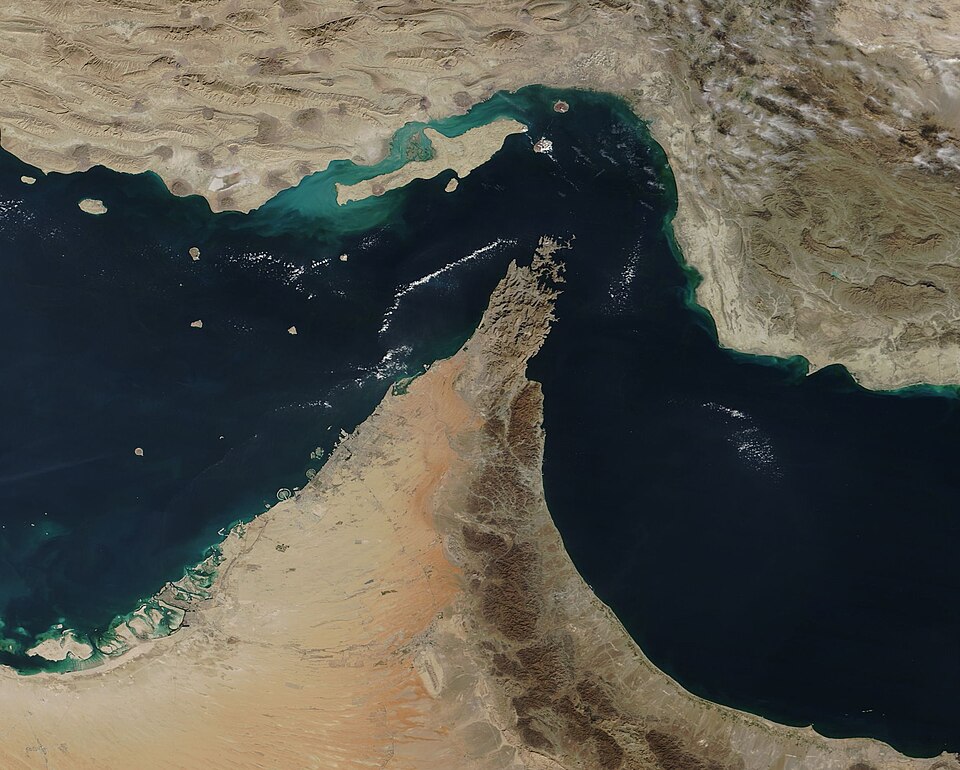
Hormuz reopening plan raises global oil and shipping stakes as US–Iran framework advances
By The Inspirer.
US Vice-President JD Vance has indicated that a preliminary US–Iran framework agreement could be released before Friday, with a key focus on reopening the Strait of Hormuz as part of efforts to ease tensions and restore maritime traffic in one of the world’s most strategic shipping routes.
Vance described the memorandum of understanding (MOU) as a brief and general framework document, saying it outlines broad commitments rather than a detailed final agreement.
The proposal to reopen the Strait of Hormuz on Friday has emerged as one of the most closely watched elements of the deal, given the waterway’s critical role in global oil shipments.
Senior US officials have suggested that the agreement, expected to be formally signed in Geneva, could temporarily stabilise maritime movement through the region while wider technical negotiations continue on Iran’s nuclear programme.
President Donald Trump, speaking at the G7 summit in France, said the agreement had already been finalised, adding that it had been signed electronically alongside Vice-President Vance and Iranian parliamentary officials.
Further details indicate that the framework is expected to extend a 60-day ceasefire period, during which negotiations will continue over sanctions relief, nuclear restrictions, and regional security commitments.
The announcement has drawn attention from global energy markets, with analysts closely watching potential impacts on oil prices, shipping costs and insurance premiums linked to routes passing through the Strait of Hormuz.
While the deal has been welcomed by some international actors as a step toward de-escalation, regional tensions remain, with Israel reiterating its opposition to Iran acquiring nuclear weapons and Iran maintaining that key issues remain unresolved.
The framework is also expected to be discussed by G7 leaders alongside Egypt, Qatar and the United Arab Emirates, as concerns grow over stability in one of the world’s most important energy corridors.


Leave a Reply