

High and TVET school teachers decry inadequate equipment in teaching STEM Courses
By Elias HAKIZIMANA.
Some teachers from high and TVET schools in Rwanda are reporting lack of enough digital equipment at school which makes it a barrier to enhance students’ skills in Science, Technology, Engineering and Mathematics (STEM) courses.
The issue was raised during a second national training for STEM teachers in High School and Technical and Vocational Education Training (TVET) schools in Rwanda.
The four-day training was organized by Rwanda National Commission for UNESCO (CNRU) in partnership with UNESCO Regional to increase girls’ participation in Science, Technology, Engineering and Mathematics (STEM) education.
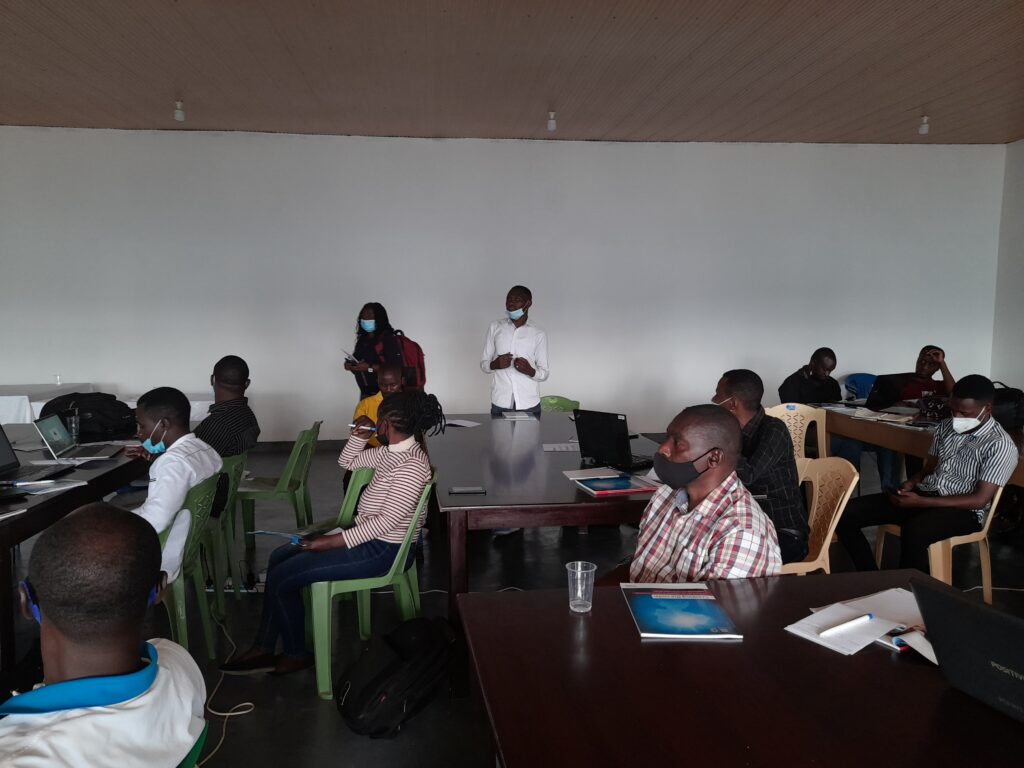
The initiative also aims at strengthening High & TVET school’s Office for Eastern Africa, Ministry of Education (MINEDUC) and other local education partners’ capacities to deliver quality gender-responsive STEM education, engage more teachers in sustainability STEM innovation for tomorrow (THINK), while creating positive impact today (DO).
Pacifique Dukunde, a Mathematics and Physics teacher at G.S Muhura in Gatsibo district said that STEM education should help students to do further research beyond what they study in class.
However, she expressed the issue of lack of digital materials such as smart classrooms, laptops and internet connection at school.
“When all schools are facilitated to get digital materials, countrywide STEM education would take another outstanding level,” she said.
Dukunde encourages girls and women to not give attention to the mindset and stereotypes out there in the community which discourage females from pursuing Science and Technology studies.
She said this could also change by convincing parents that science courses are not for boys only.
Ir. Dominique Mvunabandi, Director of Science and Technology Unity in Rwanda National Commission for UNESCO (CNRU) said that the current training will evaluate the status of STEM education where participants will learn together from the challenges and experiences.

The first national training for STEM teachers in High School and Technical and Vocational Education Training (TVET) schools took place in 2019, bringing together participants from 15 countries in Africa with 10 teachers representing each country.
This annual training was not conducted in 2020 due to the measures to contain the quick spread of Covid-19 pandemic.
The ongoing training gathers 30 teachers from 30 districts across the country where each district is represented.
“We are discussing the existing challenges faced by women and girls in embracing STEM education. From the discussions we must come up with strategies to address the issue by involving teachers. They will have knowledge from various components of this training and link them with what they have at schools to better understand and help children, ” Mvunabandi said.
Murera Gisa, a Data Scientist and Consultant in different countries and different projects who is the master trainer of these teachers said that there is a need for going beyond the way students were taught in the past without digital tools and embrace digital technologies in teaching Science and Technology courses.

“A brighter future depends on how students explore ICT opportunities. To address the existing issues, the role of the government and other policy makers, teachers and students is needed and we need to ensure that the teachers are delivering what is needed to enable students to compete in the international labour market,” Said Murera.
Dr. Marie Christine Gasingirwa, the Applied Sciences Analyst at Higher Education Council, said that everyone should be involved in empowering girls with the ability to embrace STEM education.
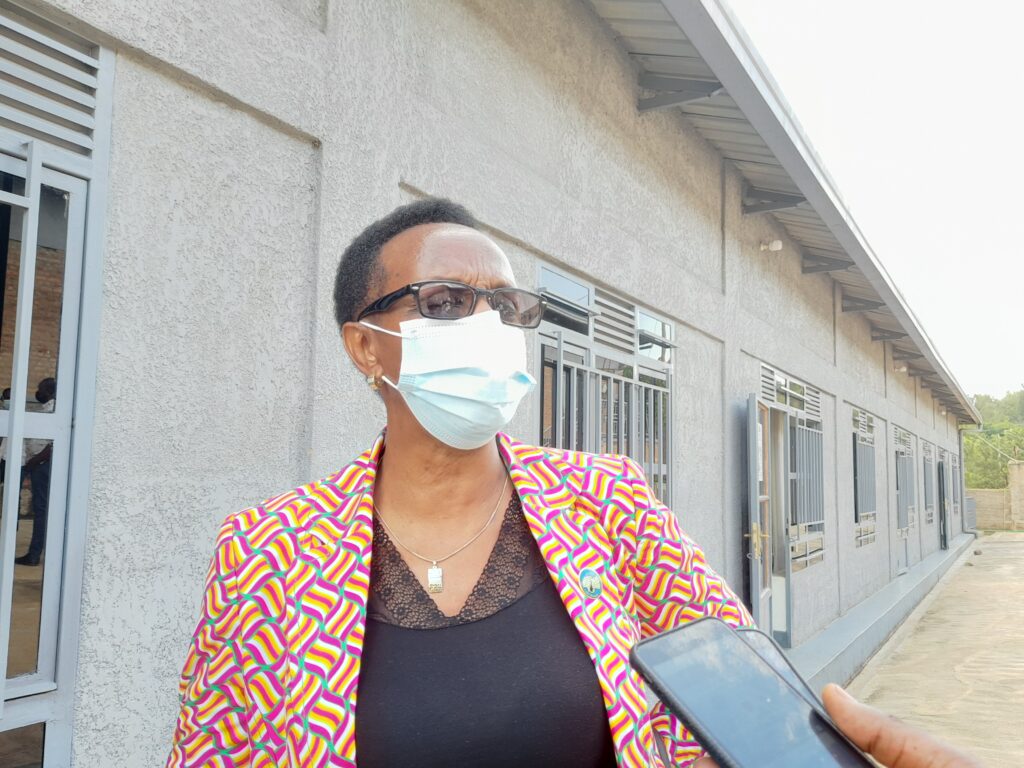
“When you educate a woman, you educate the nation, if girls are convinced to study STEM courses, we can expect a positive approach through developed digital skills,” she said.
theinspirerpublications@gmail.com





Leave a Reply