
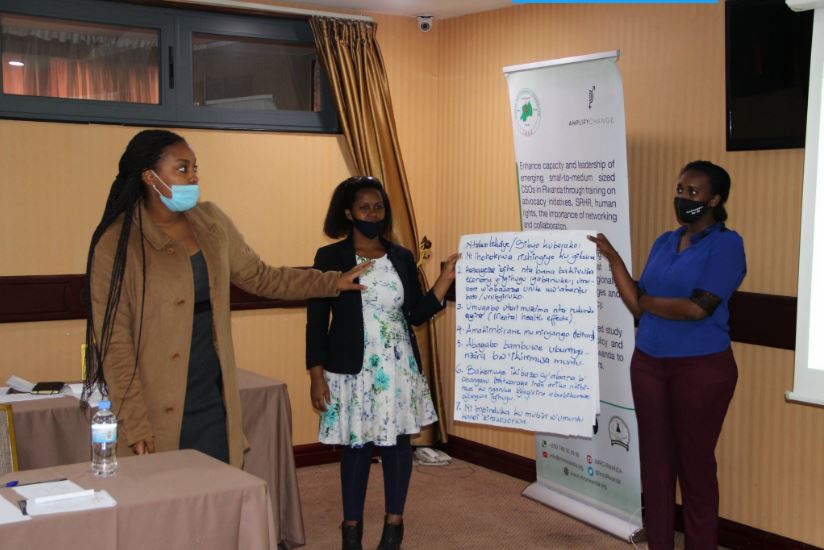
Health activists gain knowledge in laws, policies to improve advocacy on SRHR
By Elias Hakizimana.
In most cases of advocacy campaigns and programs, Civil Society Organizations (CSOs) confront with various challenges including limited knowledge on laws and policies to better implement their activities and meet the objectives.
According to Aimable Mwananawe, National Coordinator of Ihorere Munyarwanda Organization (IMRO), adequate advocacy on Sexual Reproductive Health Rights (SRHR) requires a package of knowledge of different laws and policies in place and should reflect the government’s National Strategic Plan.
Mwananawe highlighted this during a three-day training of Civil Society Organizations working on health promotion that is being held in Kigali from November 30th to December 2, 2020.
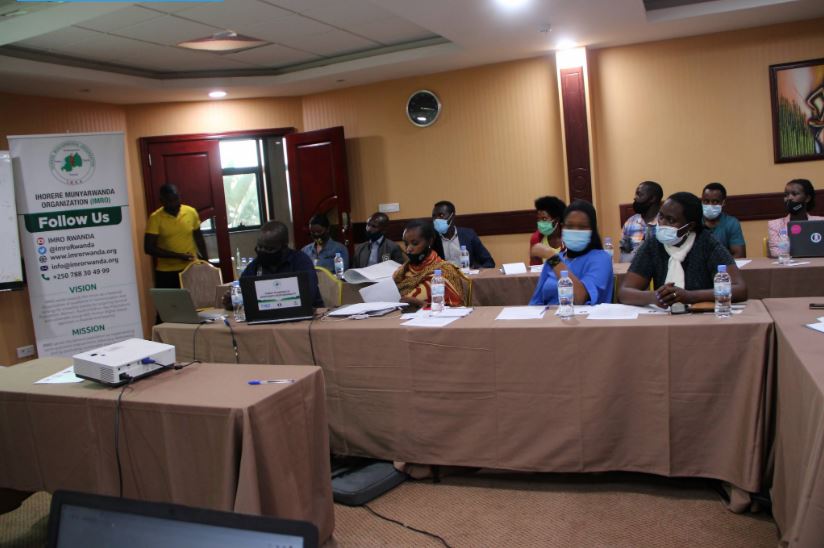
The training that brought together 30 members from 30 CSOs was organized by IMRO in partnership with GLIHD, HDI and RNGOF.
It comes the second after the recent one held in October, 2020 that equipped other 30 organizations with the basic knowledge in Sexual Reproductive Health and how to foster their interventions and improve on working frame work.
The training aims at increasing the capacity of CSOs to conduct adequate advocacy and strengthen their network and complement the Ministry of Health’s National Strategic Plan on Sexual Reproductive Health.
Trained organizations currently have different activities in different districts of Rwanda.
“The acquired knowledge by these organizations strengthens the technical working groups of the ministry of health through Rwanda Biomedical Centre (RBC) where they work together on the implementation of different policies.” He said.
Mwananawe said that there are still some challenges in the existing policies regarding Sexual and reproductive health rights and privacy, where people with disabilities need an interpreter in front of the nurse or medic doctor.
“Sexual Reproductive Health is a private life, there is no need of an interpreter for persons with disabilities and it is the reason why we are raising advocacy so that medic personnel have skills in sign language to improve the communication.” He added.
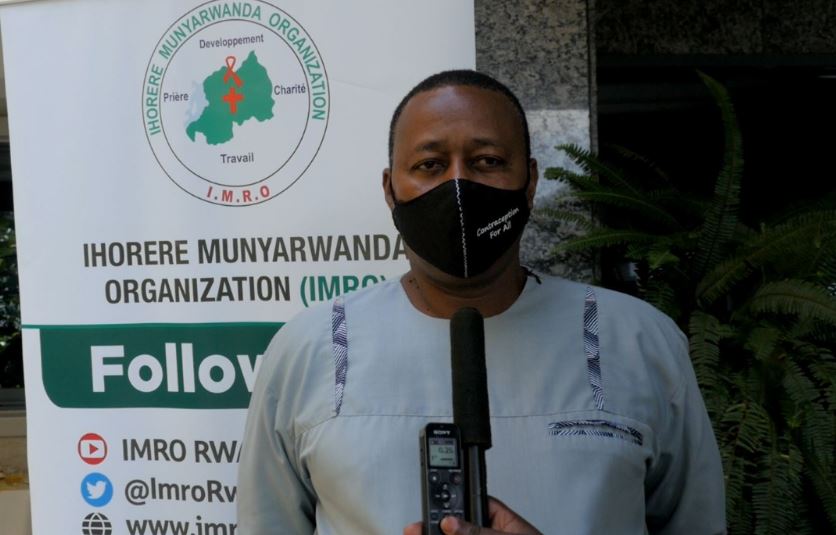
He also said that challenges including the belief that sex is a taboo in Rwandan society also deprives teenagers to find information on sex and they struggle to search it for themselves.
Trained members of CSOs said that lack of knowledge on laws was a key challenge to fast track their advocacy activities.
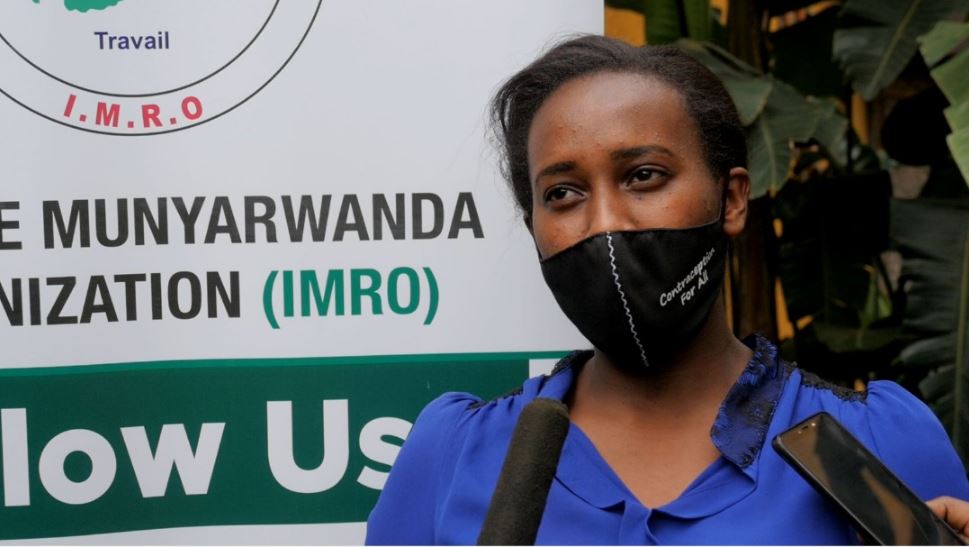
“Our organization deals with health issues, since two years of operations, as nurses, we do not know laws that protect our beneficiaries and it is a barrier for us to conduct advocacy. The knowledge we gained from training will help us to make significant improvement in our future activities.” Said Sandrine Umutoniwase, the in-charge of Adolescent and Sexual Reproductive Health Rights in Community Health Boosters Organization.
Hubert Twizeye, the president of Rwanda Midwives Students’ Association at University of Rwanda who was among the trainees said that the knowledge on legal framework will increase their capacity to be able to focus on needed advocacy.
“The gap was illiteracy of laws, we are going to be more professionals in conducting adequate advocacy. I thank IMRO and their partners for organizing this training, which is important to CSOs working on health promotion.” He said.
Grace Niwemugeni, a staff from the Umbrella of Organizations of Persons with Disabilities (PWDs) in the fight against HIV/AIDS and for Health Promotion (UPHLS) recommended Civil Society Organizations to raise another voice for PWDs who can’t access information on Sexual Reproductive Health as they are most vulnerable category.
“It is a challenge for deafblind persons, persons with visual impairment and persons with hearing & speaking impairment to listen to the radio, they can’t watch Television and can’t read Newspaper or Online News, CSOs need to join efforts to advocate for those vulnerable people so that every institution in the country delivers inclusive services.
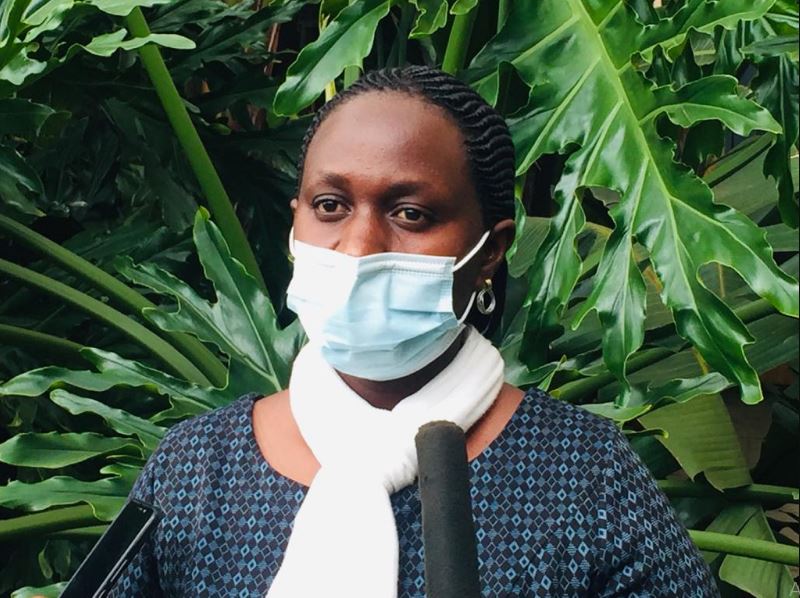
Felix Sayinzoga, the in-charge of Reproductive Health in RBC said that the role of Civil Society Organizations means a lot in the promotion of Sexual Reproductive Health.
“The most important thing besides reaching out the citizens through the advocacy campaigns, they also participate in technical working groups of the Ministry of Health in different programs where their voice helps us, they contribute a lot because most of them have different knowledge and information that help us establish policies and programs in regard with health promotion.” He said.
Rwanda’s context remains with numerous barriers for young women and adolescents’ Sexual Reproductive Health Rights, including legal restrictions requiring third party authorization to access health services for young people below 18 years, limited access to comprehensive sexuality education and the full range of SRHR services; insufficient funds allocation to youth and adolescents SRHR programs and social cultural constraint that remain largely unaddressed.
theinspirerpublications@gmail.com
@theinspirerpubl




Leave a Reply