
From sorghum fields to fruit wealth: How KIIWP2 is transforming lives in Kabarondo
By Elias Hakizimana.
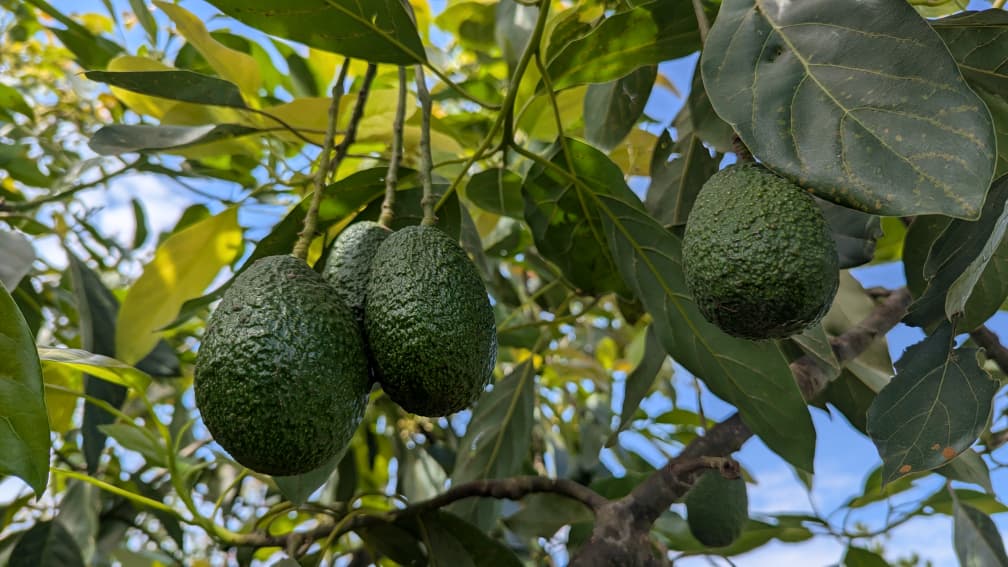
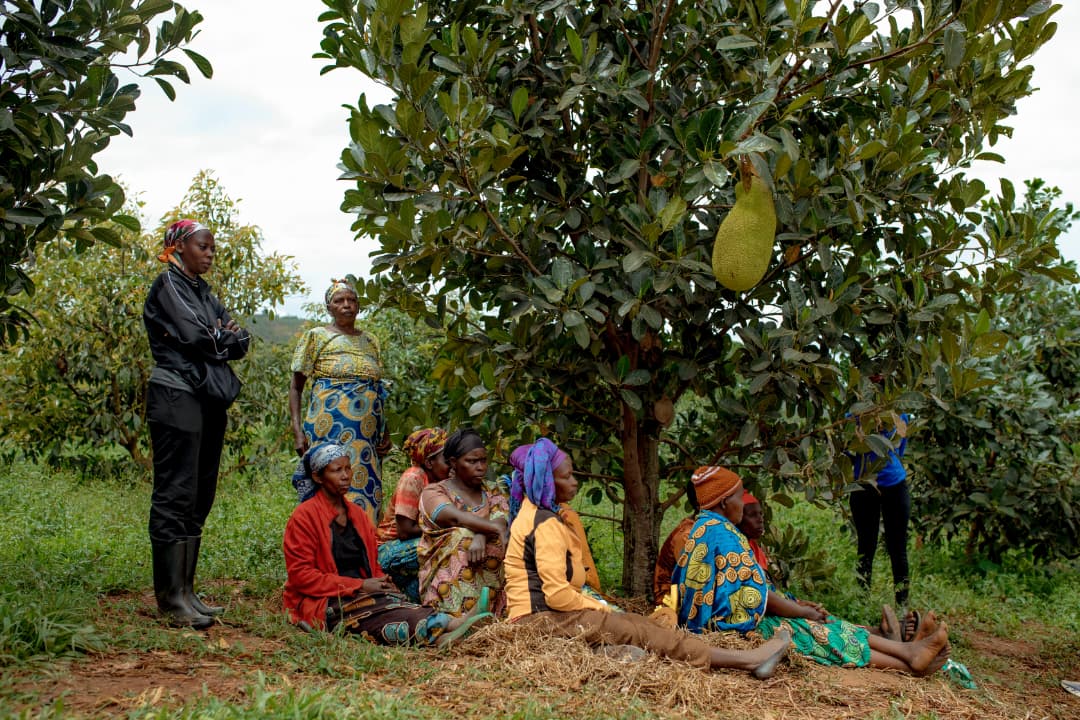
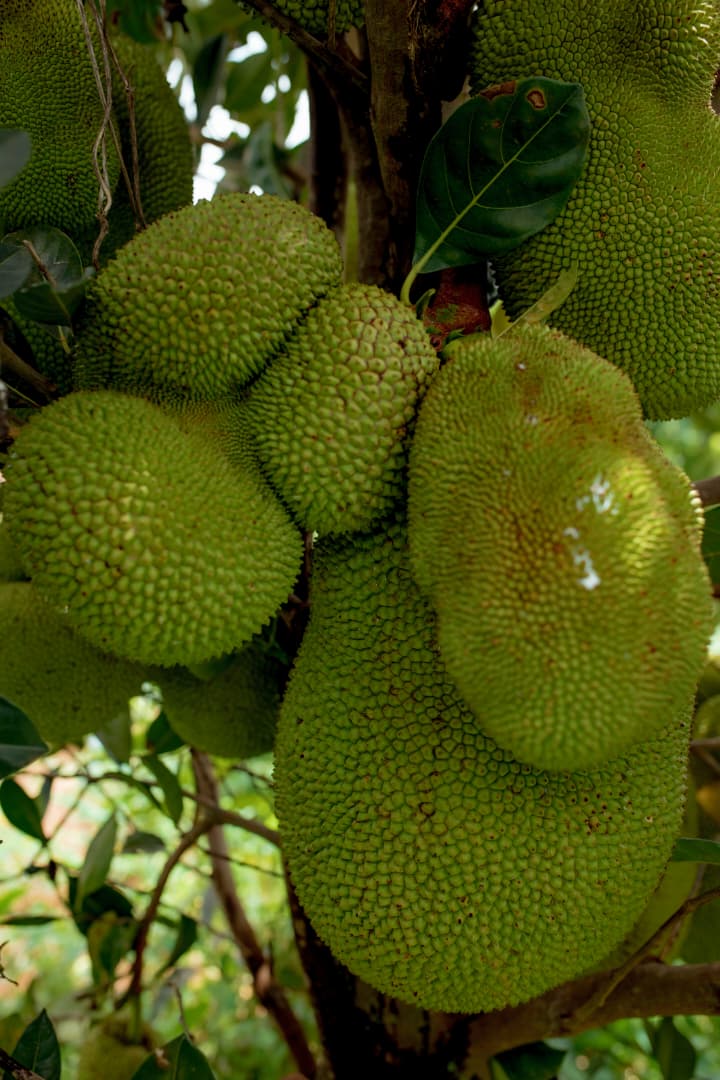
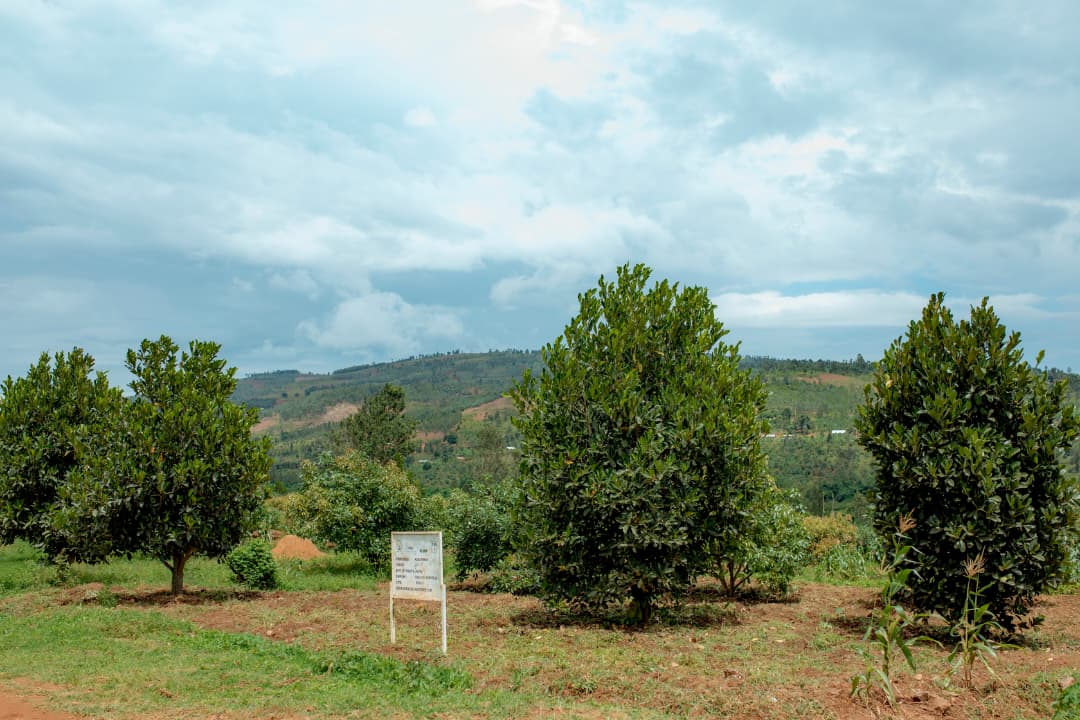
Where sorghum and maize once struggled to survive, rows of avocado, mango and jackfruit trees now stand as symbols of a quiet but profound transformation in Kabarondo Sector, Kayonza district.
For decades, farmers in Rurenge Village relied on low-yield crops that barely sustained household needs. Poor harvests translated into malnutrition, unstable incomes and limited hope. Today, thanks to the Kayonza Irrigation and Integrated Watershed Management Project Phase II (KIIWP2), that narrative is rapidly changing.
Jointly implemented by the Government of Rwanda and the International Fund for Agricultural Development (IFAD), through the Ministry of Agriculture and Animal Resources (MINAGRI) and under the Rwanda Agriculture and Animal Resources Development Board (RAB), KIIWP2 has introduced fruit orchards that are reshaping livelihoods, nutrition and family dynamics.
Fruits that nourish bodies and dreams
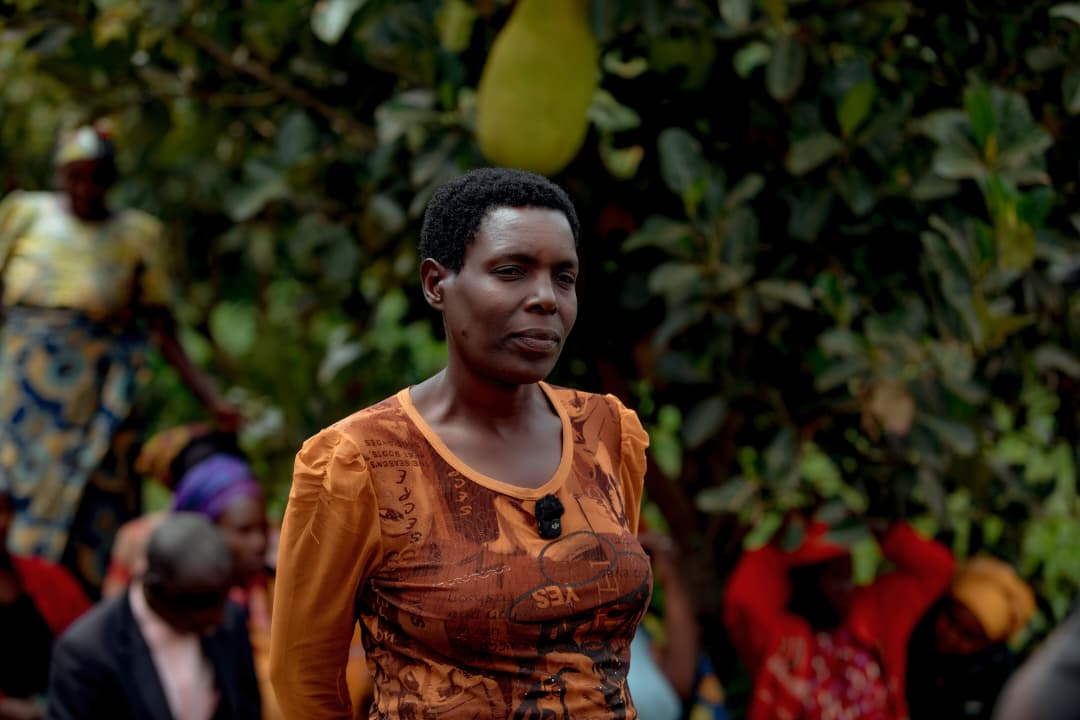
Marie Louise Mukamurwanashyaka, a mother of two from Rurenge Village, remembers life before the orchards with painful clarity.
“Before these trees came, our children suffered from malnutrition,” she recalls. “Now they eat fruits every day and are healthy.”
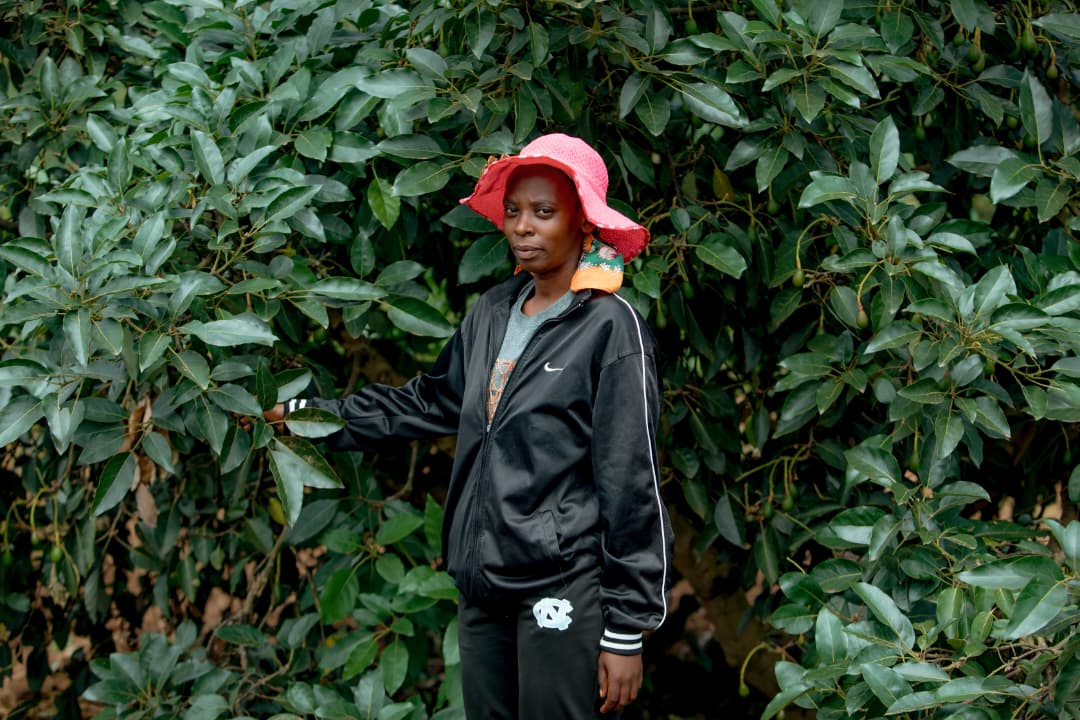
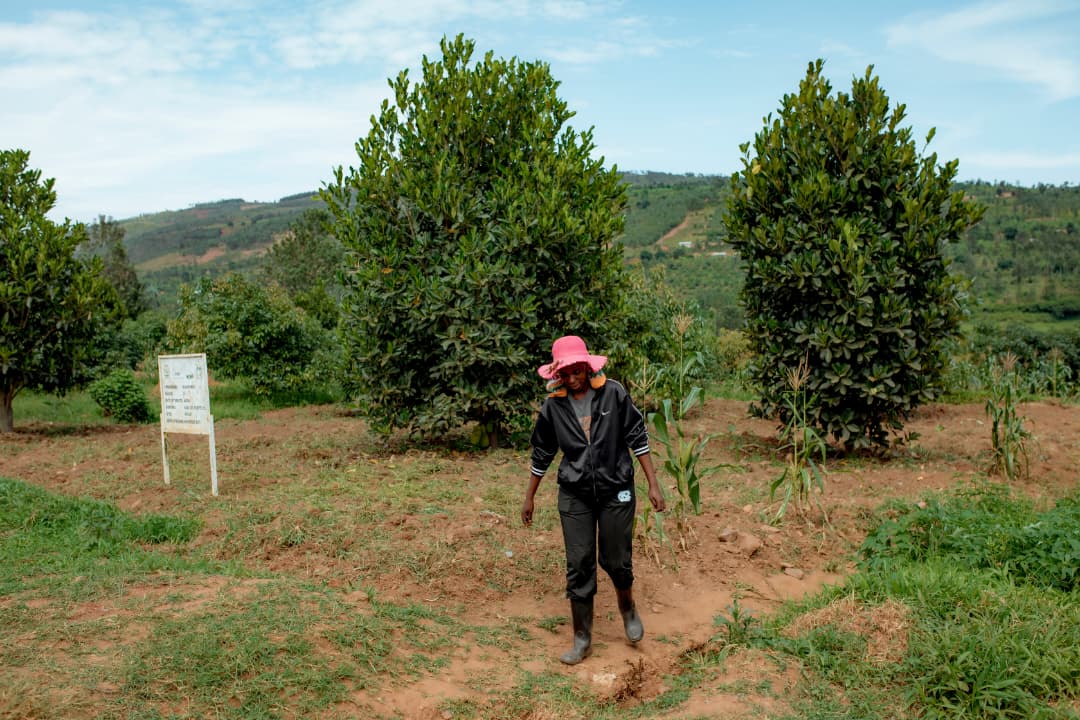
Mukamurwanashyaka is not only a beneficiary farmer but also a volunteer facilitator, training fellow farmers on fruit tree management. She has 57 avocado trees, along with mango and jackfruit trees planted under the project since 2020.
The results have been life-changing.
“I used to rent a house. Today, I am building my own,” she says proudly. “I also bought a pig. All this came from avocados.”
From her first two harvests alone, she earned Rwf 297,000 and Rwf 327,000, each from more than 400 kilograms of avocados. With each season, yields continue to rise.
“My dream is to have a car on the road because of these avocados,” she says, smiling.
When gender equality unlocks prosperity
Beyond trees and training, KIIWP2 introduced Gender Action Learning System (GALS) lessons — a turning point for many households.
“Before, I used to hide property from my husband,” Mukamurwanashyaka admits. “Now we plan together, we sell together, and we decide together how to use the money.”
The shift has built trust, reduced conflict and strengthened family decision-making.
“In the past, four sacks of sorghum could give us only Rwf 120,000,” she explains. “Today, fruits bring in much more. My house is almost complete.”

Elder farmers reap new hope
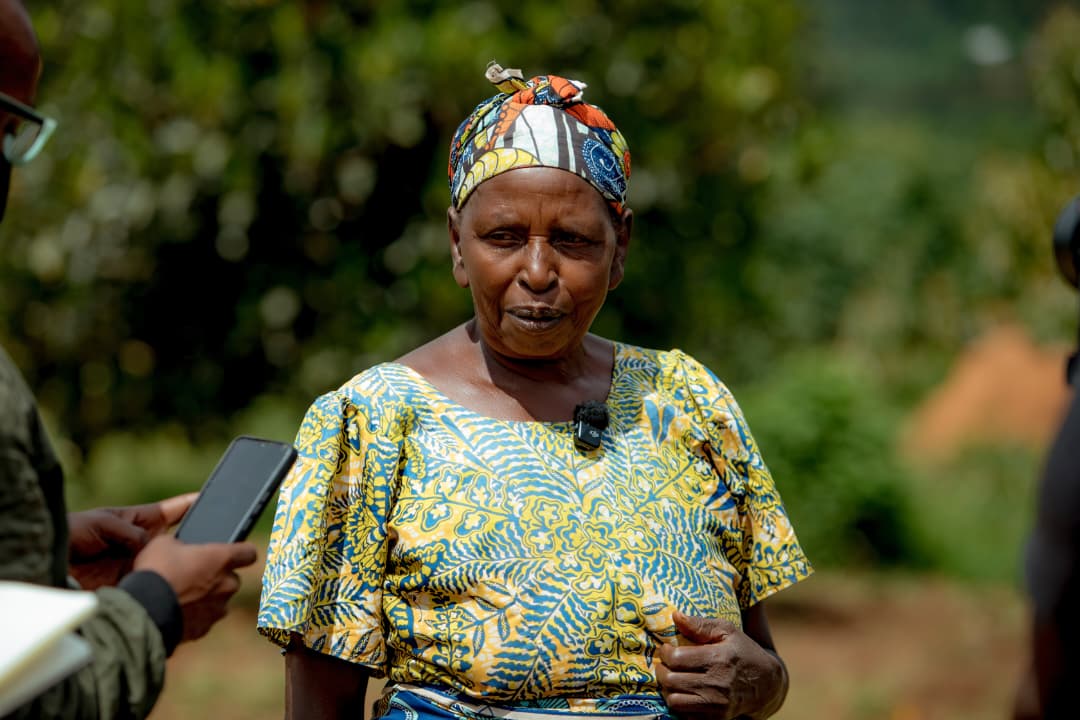
At 78 years old, Elusa Mukangarambe never imagined fruit farming would redefine her old age.
“From sorghum, I could not earn more than Rwf 50,000,” she says. “Now, my income has grown from Rwf 900,000 to Rwf 1 million, and now to Rwf 2 million.”
The income has allowed her family to buy livestock, acquire land and invest in a decent home. Equally important, she says, is the discipline that came with financial stability.
“We don’t waste money in bars. Even our children behave better,” she notes. “We advise young people to preserve these trees. They are the future.”
Through GALS exchange visits to Huye and Bugesera, Mukangarambe gained new skills and confidence. Together with her husband, she is completing a house they hope to grow old in.
Leaving a legacy through trees
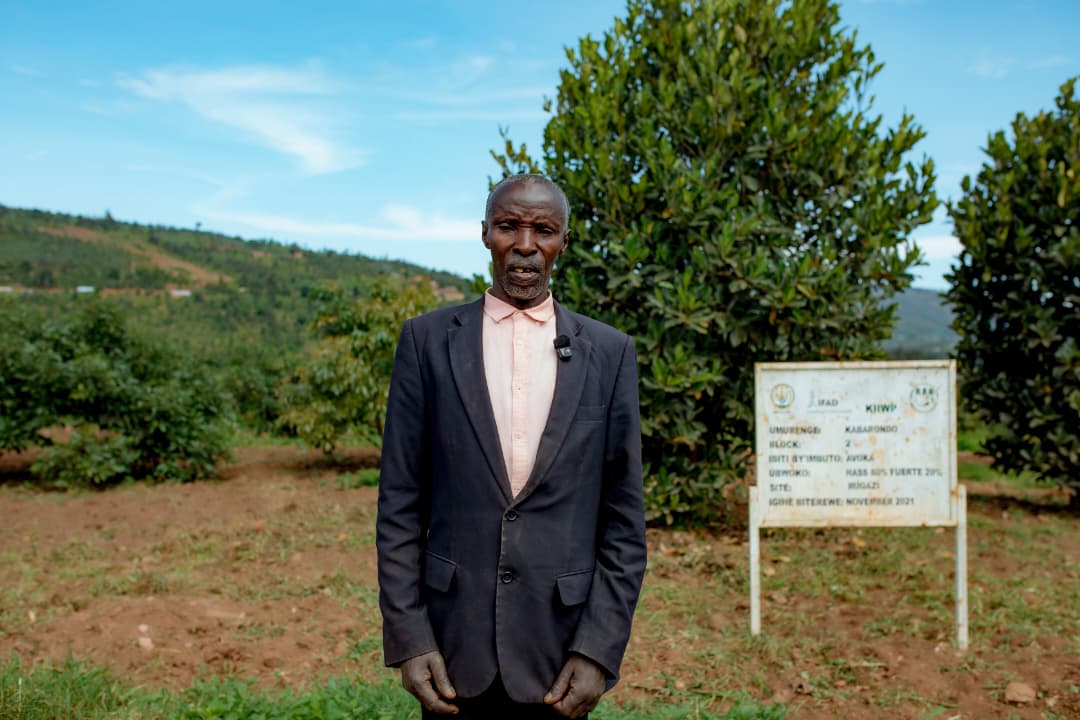
For Joseph Nsengiyumva, 70, fruit farming is about legacy. On his two hectares of land, he grows over 300 fruit trees, including avocados, oranges, mangoes and jackfruit.
“Before KIIWP2, I could not earn more than Rwf 150,000,” he says. “With fruits, I earned Rwf 700,000, and I expect over Rwf 1 million in the next harvest.”
His once-dominant banana plantation has given way to a diversified orchard that promises long-term sustainability for his children.
“The gender equality lessons brought happiness and trust in our family,” he adds. “Our children will inherit something meaningful.”
Youth find opportunity beyond office jobs
The project has also opened doors for young people like Angelique Uwitonze, 28, who was given a small piece of land by her parents.
With just 20 avocado trees, Uwitonze earned Rwf 470,000, enabling her to enroll in TVET sewing training, buy 20 egg-laying hens, and pay her own school fees.
“My plan is to expand poultry farming to more than 100 chickens,” she says. “I also want to open a tailoring workshop and employ other youth.”
Her message to fellow young people is simple but powerful: “Start small. Don’t wait for office jobs. Agriculture can take you far.”
A Model for inclusive rural transformation
From improved nutrition and rising incomes to stronger households and empowered youth, the fruit orchards of Kabarondo illustrate how targeted agricultural investment can drive inclusive development.
As jackfruit trees begin yielding and avocado harvests continue to increase, farmers here are no longer just growing fruits, they are cultivating dignity, stability and hope.
And for many, the seeds planted by KIIWP2 have already borne their most valuable fruit: a future they can finally believe in.
theinspirerpublications@gmail.com





Leave a Reply