

Experts discuss Mobile Connectivity Usage Gap
By Elias Hakizimana.
While the mobile usage gap has decreased since 2022, it still impacts 3bn people globally, of which two in three do not own a mobile phone according to experts.
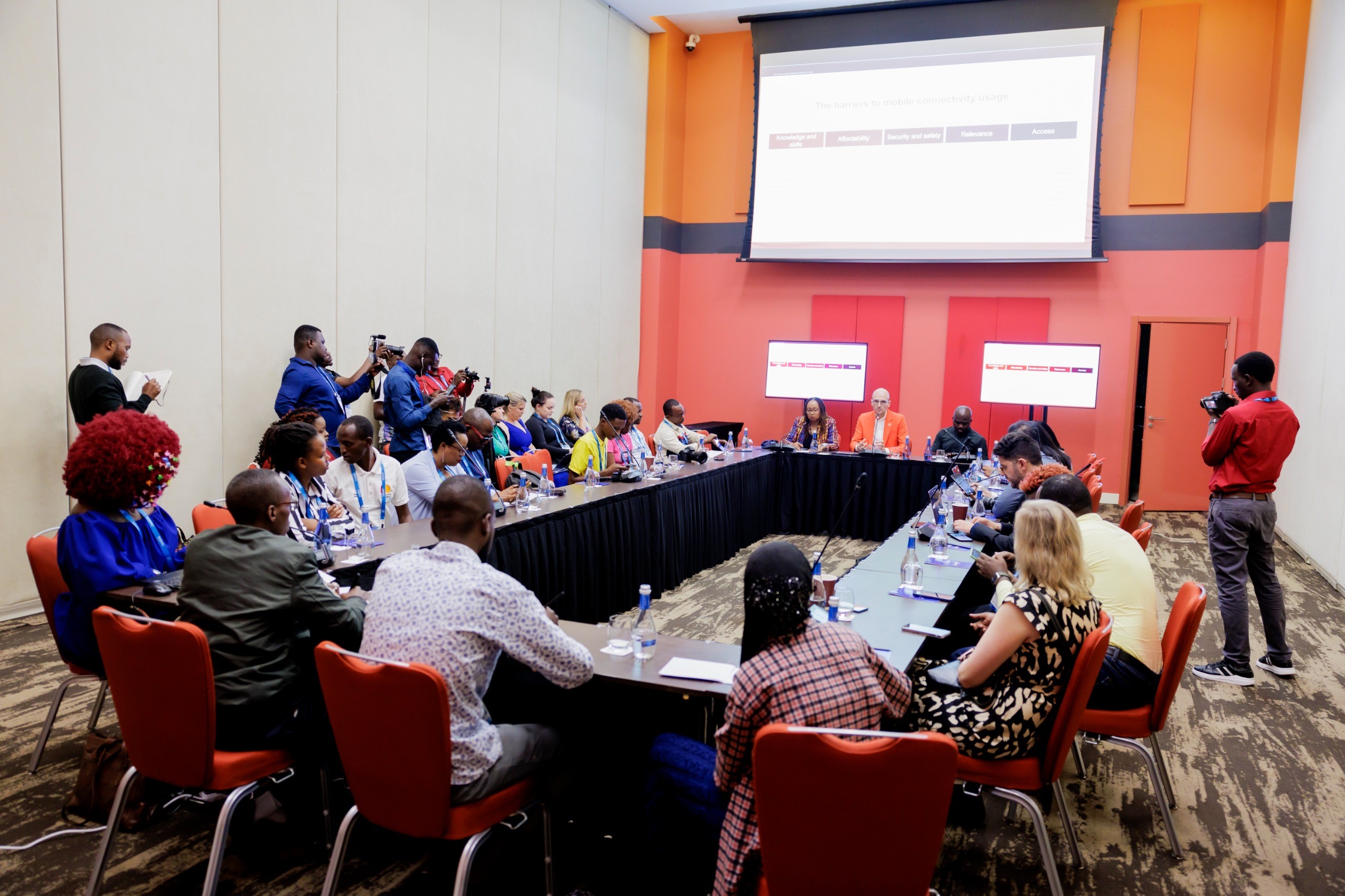
This coverage gap has been a subject under discussion during a press conference on Wednesday, October 18, 2023, the second day of the MWC Kigali 2023 where various experts shared figures on how mobile internet adoption slowed over the past year.
The press conference embarked on GSMA presentation with the subject ‘Breaking Barriers to the mobile connectivity usage gap’.
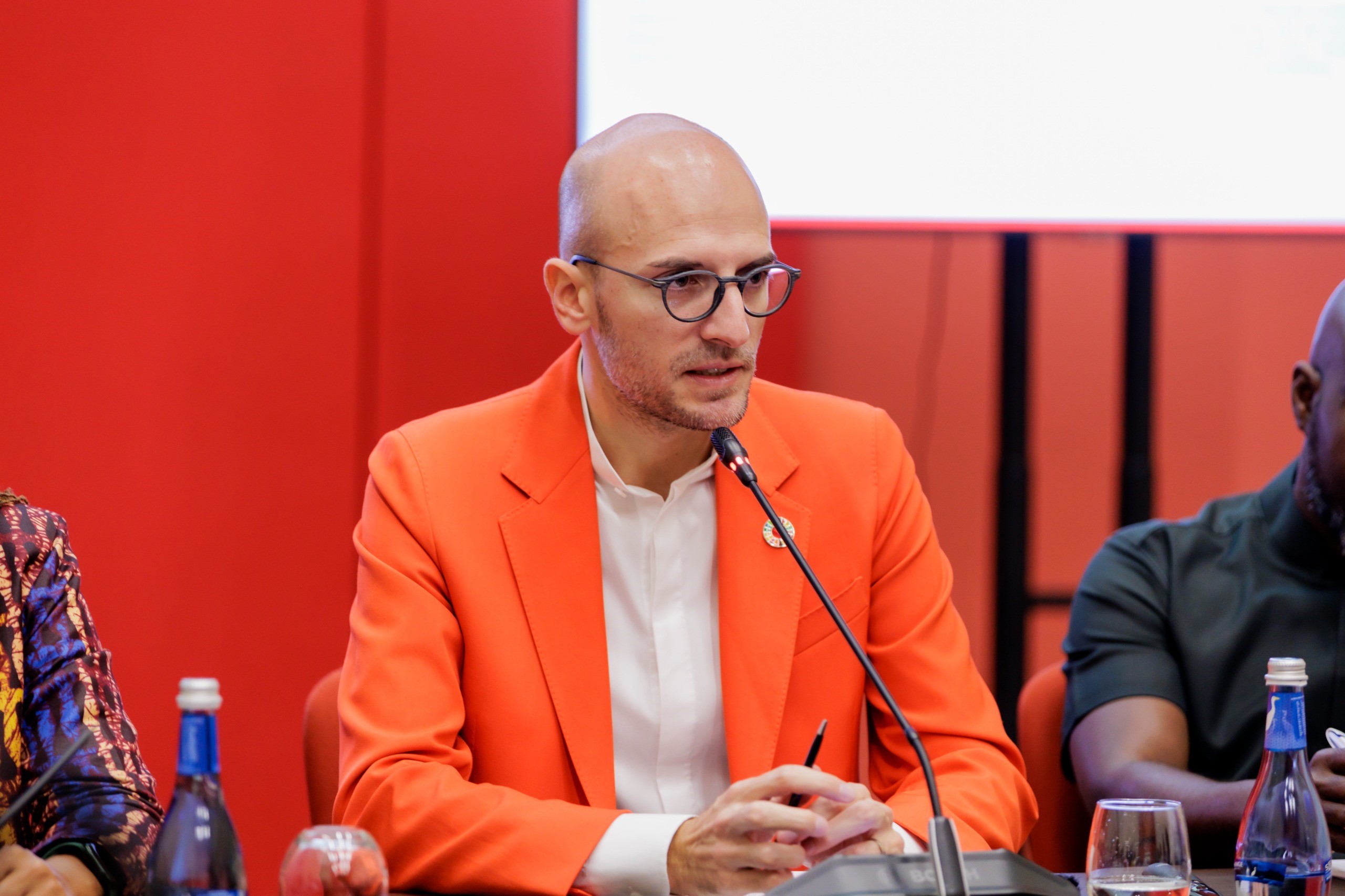
Discussants at this Press Session include Max Cuvellier Giacomelli, Head of Mobile for Development, GSMA, Session Chairperson, Angela Wamola, Head of Sub-Saharan Africa, GSMA and Saint Hilary Doe-Tamakloe, Chief Consumer and Digital Officer, MTN Rwanda.

The GSMA’s shared findings showed that only 57 percent of the world’s population (4.6bn people) are now using mobile internet. The coverage gap shows that only (5 percent) of the world’s population are not covered by mobile broadband, approximately 400 million people.
The barriers to mobile connectivity usage include:
Knowledge and skills
Some of the barriers to mobile connectivity usage include knowledge and skills accelerated by lack of awareness and understanding of mobile internet and its benefits, and lack of digital skills and literacy.
Affordability
Affordability is another barrier where Inability to afford an internet-enabled handset, data plans or other service fees still hamper more people to embrace mobile internet usage.
Security and safety
Security and safety have also been pointed out as the barriers to mobile connectivity usage as people still have concerns about the negative aspects and risks of mobile and the internet, such as harassment, theft, fraud and information security.
Relevance
GSMA findings also learnt that lack of relevant content, products and services that meet users’ needs and capabilities make mobile internet users to remain reluctant.
Access
Lack of access to network enablers such as internet-enabled handsets, agents and formal ID, or devices and services which are not accessible or easy to use is another barrier.
The impact of the usage gap
Social and digital exclusion are the most impacts of mobile usage gap, from increasingly online services including financial, health care and education, as well as an inability to engage with the digital economy and income opportunities.
The usage gap also affects GDP development agenda, knocking-on the effects on the digital economy and GDP growth, as well as preventing progress on the UN’s 2030 digital inclusion Social Development Goals.
Sub-Saharan Africa remains the most affected
The Sub-Saharan Africa has the highest usage gap globally, with 680 million people unconnected (or 59% of the population). It also falls behind all regions globally, with only 25% of its population connected it mobile broadband services.
“By 2030, the Sub-Saharan Africa region is expected to see smartphone adoption reach at 88%, which is an increase of over 30% from today. So, as you can see, there is a long journey ahead. And progress can only happen if we come together as an industry to break down the barriers to mobile internet adoption – most pressingly, a lack of affordability and low levels of digital skills – and close the divide.” Says Max Cuvellier Giacomelli, Head of Mobile for Development, GSMA.
theinspirerpublications@gmail.com




Leave a Reply