

Hunger strikes as acute water shortage ravages sectors surrounding Kigeme refugee camp
By Elias Hakizimana.
Many residents of the sectors surrounding Kigeme refugee camp in Southern Province claim their families sleep on empty stomachs because of serious water shortage in the area.
The affected areas include Nyentanga, Gakoma, Gitaba and Munombe among others in Nyamagabe District.
With only one natural water source in the area, its water levels have dropped significantly due to prolonged droughts as well as increased populations that depend on it making scarcity of water a common problem.
Kigeme refugee camp is home to thousands of Congolese refugees who also use the same water source as the host communities making it more difficult for the population to get enough water.
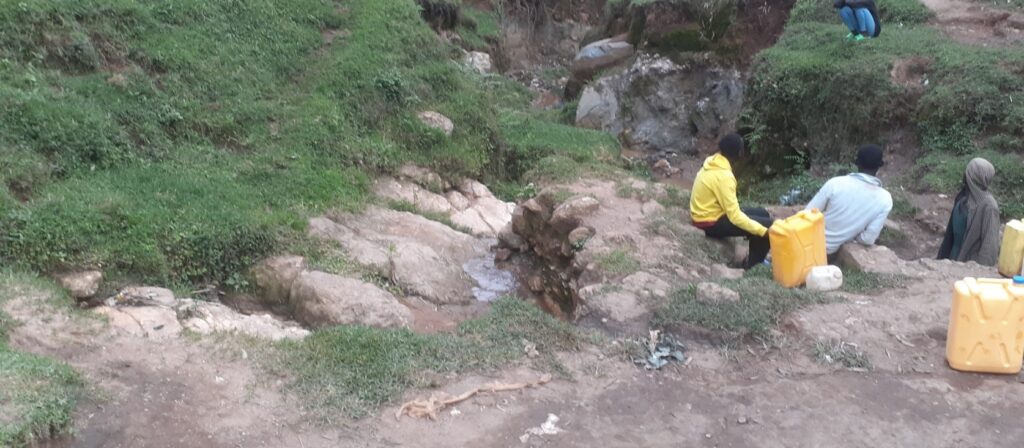
According to official figures, in Rwanda, only 57 per cent of the population access safe drinking water that is within 30 minutes of their home even if water is available near the home, that water is often not safe to drink.
When children drink contaminated water, they risk severe illness and even death from water borne diseases.
In the affected villages in the district of Nyamagabe, Water and Sanitation Corporation (WASAC), a body in charge of distributing safe water in the country as well as making water affordable to all has not installed enough water facilities in district.
With little or no water in the refugee camp for long periods of time, it is also putting the populations both inside and outside the camp at health risks.
According to Cecile Nyirantezimana, a single mother of five children and a resident of Gakoma cell says that water is not only scarce but also not affordable for many people from the single water installation by WASAC making preparing meals daunting task.
Nyirantezimana says that her family needs at least five jerrycans of water daily in order to carry out her household chores. However, one jerrycan costs Rwf50 which is too much for her and requests WASAC to cut the price to at least Rwf10.
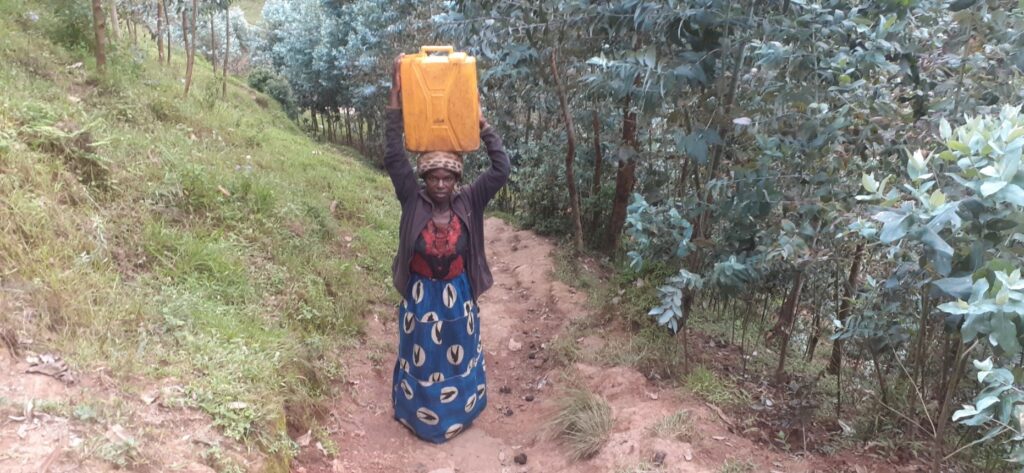
“We lack water for even a week, water sources have dried up and we share the little with camp. Due to this, sometimes we sleep hungry because of lack of water even when we have food in the house.”
Rwanda is significantly impacted by the water crisis due to factors such as poor management of water resources, population growth and urbanization, climate change, water contamination, and education about water treatment and safety.
Changes in policy implementation and construction of more widespread and strengthened infrastructure can help to reduce the impacts of low water availability and poor management across the low income countriies, but future conditions may further jeopardize the populations of these countries due to global warming.
Hildebrand Niyomwungeri, the Mayor of Nyamagabe district says that the district authority is aware of the water shortage in the area and they are working around the clock to solve it.
“We want to build infrastructure so we can be able to tap water from Nyungwe forest since there is abundant. We have written to the environment authorities so that we can work together on this project,” said Niyomwungeri.
In part due to low agricultural productivity, over a third of the Rwandan population experiences food insecurity. Nationally, 38 percent of children under 5 years are stunted and 2 percent suffer from acute malnutrition. But a resident who didn’t want to reveal his name said malnutrition might increase because of lack of enough water.
“Sometimes we are forced to just roast sweet potatoes or cassava to feed our children because we could not afford water to cook a good meal. This kind of feeding is not good for our children,” he said.
Agriculture is the backbone of the economy, with 89 percent of rural households practicing small-scale farming. However, poor rainfall, drought, floods and the limited amount of land that is suitable for agriculture, alongside pests and diseases, continue to pose risks to food security.
theinspirerpublications@gmail.com
Follow us @theinspirerpubl



Leave a Reply