

Covid-19: Labour Union calls employers to offer written contracts
By Elias Hakizimana.
Rwanda Workers’s Trade Union Confederation (CESTRAR) has called employers in the private sector to offer written contracts and pay workers through the bank accounts to ensure their credibility and rights.
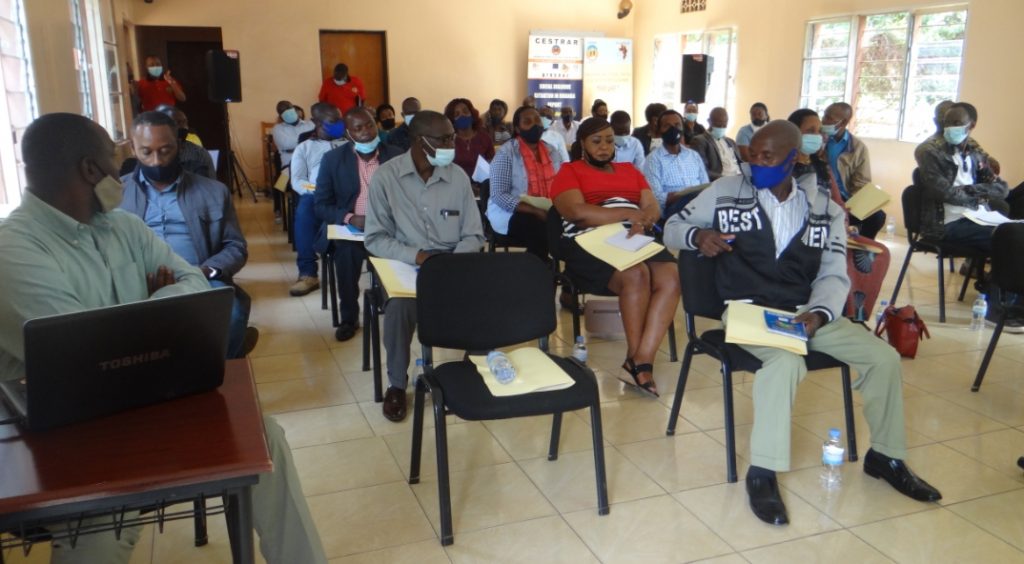
The call was made on Saturday November 14, 2020 at the Union’s headquarters in Kigali during an extra-ordinary debate with labour inspectors on labour issues following the imapcts of COVID-19 on the sector.
It has been mentioned that Covid-19 pandemic disrupted the labour sector as many employees lost jobs and failed to survive the lockdown because they were working without signed contracts and were stopped to work without being paid.
Recent findings of a quick assessment conducted by the Ministry of Public Service and Labour revealed that 2,450 of 4,150 institutions that were contacted between March and April 2020 continued operating since the outbreak entered the country. It states that 1,700 establishments were temporary suspened operatrions.
The same findings shows that only 54,609 out of 94,509 total employees among these establishements remained full salaried, 1,143 were partially salaried while 38,754 lost full salar.
Biraboneye Africain, Secretary General of CESTRAR said that the labour market has been severely affected by lack of productivity and incomes.

He reminded employers in the private sector to offer written contracts to their workers; pay them via bank accounts and encourage them to save as COVID-19 is a big lesson and unforgetable threat to the labour sector.
“We realized that many employees do not have written contacts and the banks cannot trust them when they want loans, we encourage employers to offer written contracts to ensure their security, credibility and rights.” Biraboneye argued.
He said that CESTRAR learnt a lot from COVID-19 in the labour sector where many employees were illegally dismissed.
Murara Arthur, General Manager of Pure PRO, a private company that deals with car repair and wash said that he lost more than a half of employees during the pandemic as it only remained 11 out of 27 workers.
“Among 27 workers, 18 had written contracts while 9 others were young technicians who earned from percentages of their activities. We learnt a lesson that many of affected workers were those who were employed without written contracts. I enourage my colleague-employers to sign written contracts to their workers.” Murara noted.
Promoting saving culture
Suzan Mukanyandwi, an employee from UTEXRWA textile factory said that Rwandans need to learn from Covid-19 and adopt the culture of saving from little they earn.
“Workers learnt to save, thoise who did not save experienced hurdles like hunger crisis and malnutrition among others.the lesson we remained with is to save from whatever amonut we earn. “When you earn Rwf10,000 use Rwf 8,000 and save Rwf2,000” she said, adding that employers should also respect workers rights and sign them written contracts.
Leon Pierre Rusanganwa, coordinator of health programms in the Private Sector Federation (PSF) said that they are catering for commercial activities and youth businesses by setting up special platforms to sensitize them to save.
elias.theinspirer@gmai.com




Leave a Reply