
Bugesera: Women with disabilities overcome discrimination, thrive in business through resilience
By Elias Hakizimana.
Some women with disabilities from Bugesera District challenge stereotypes and defy the odds, proving that disability is not an inability. Despite facing widespread discrimination in both employment and business, they continue to demonstrate remarkable resilience, adaptability, and a drive to build better lives for themselves and their families.
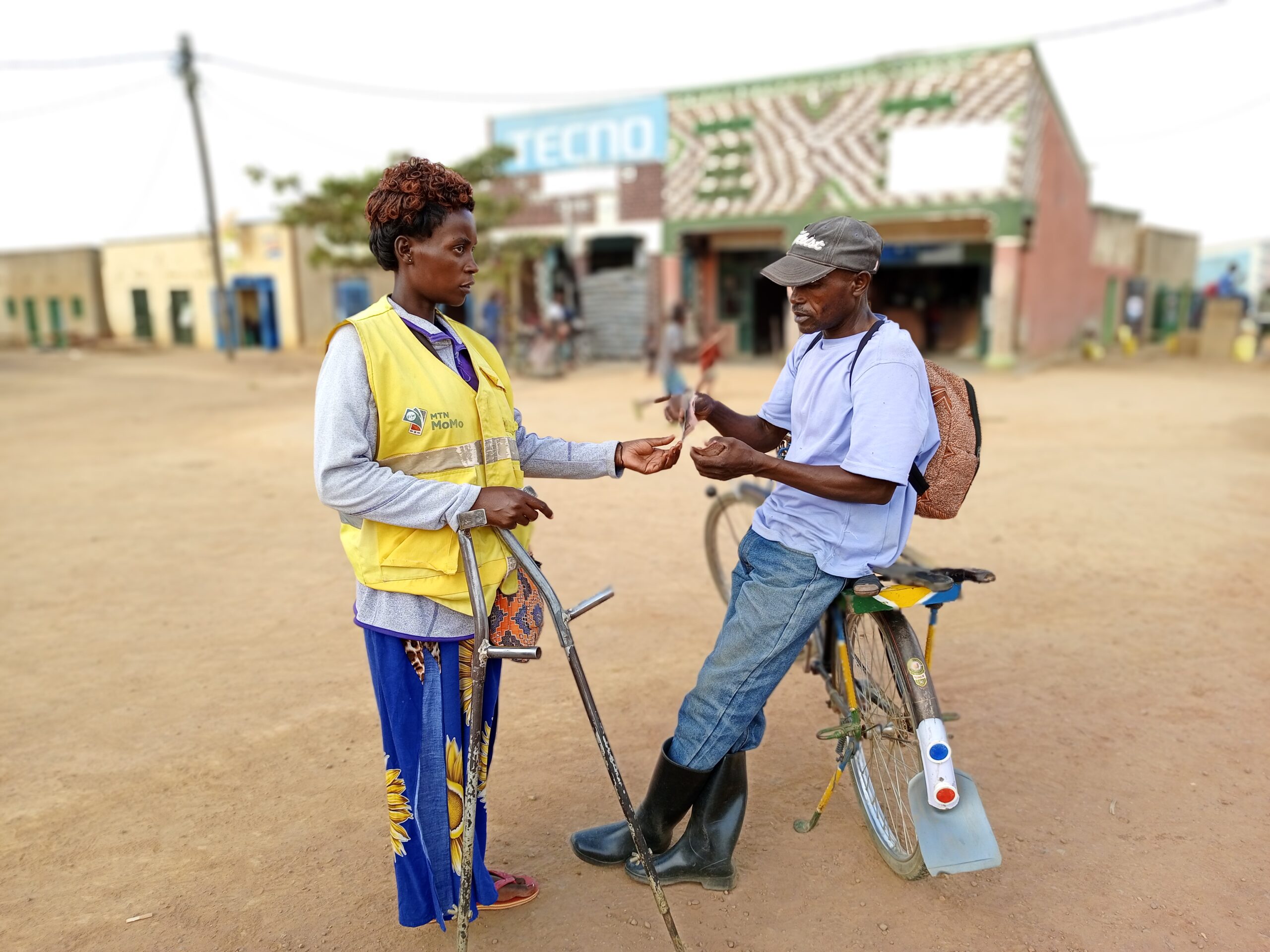
Francoise Mukamwiza, a mother of one child from Ntarama sector in Bugesera District, demonstrates the determination and strength of women with disabilities.
Mukamwiza lives with paralysis in her arms, which has posed numerous challenges in a society that often marginalizes persons with disabilities.
Previously excluded from economic and social opportunities, Mukamwiza struggled with feelings of invisibility and isolation. However, with the government’s push for disability inclusion, she found the confidence to pursue her entrepreneurial dreams.
Today, she runs a successful goat-selling business that allows her to support her family and stand as an example to other women in similar situations.

“I used to feel like I did not belong,” Mukamwiza shared. “But the government’s inclusion efforts helped me start my own business and show that we, too, can contribute meaningfully to society.”
Overcoming business discrimination
Another inspiring example is Eunice Uwimana, a 32-year-old mother of two from Kagasa I village, Ramiro cell, in Gashora sector. Having lost her left eye at just five months old, Uwimana has faced a lifetime of discrimination, particularly in the job market.
Determined to provide for her children, she initially tried selling clothes, but when her capital ran out, she shifted to selling vegetables.
“I invested the little money I had left into a small vegetable business, selling tomatoes, carrots, and eggplants,” she said. Despite her entrepreneurial spirit, financial constraints continue to hinder her business’s growth.
Uwimana’s encounters with workplace discrimination were demoralizing. On one occasion, she was dismissed by a potential employer who, upon noticing her disability, simply returned her national ID without a word.
“I want to expand my business, but without access to credit, it’s difficult to take the next step,” she said, expressing her desire to improve her family’s livelihood despite the odds.

Persistent workplace discrimination
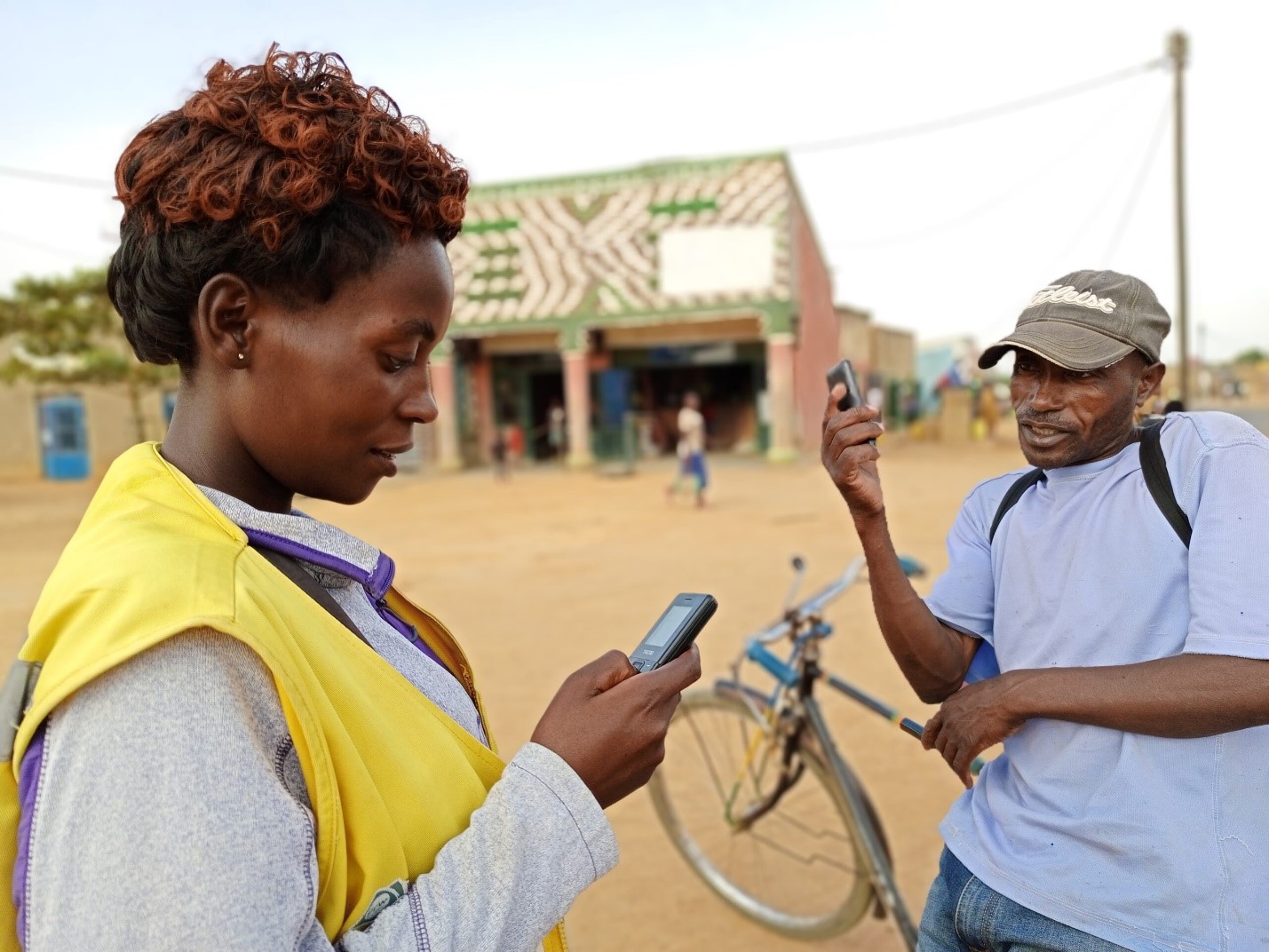
For Delphine Umulisa from Gashora sector, the struggle for inclusion extends beyond business and into the formal employment sector. Umulisa, who has a leg disability, holds a secondary school diploma in accountancy.
However, her attempt to secure a job at a local Chinese-owned factory was met with rejection. The employer claimed her disability would make her a burden to other workers.
“They said that people with disabilities are not strong enough to work and that I would disturb the other employees,” she recounted.
Despite these setbacks, Umulisa refused to let discrimination define her future. She invested Rwf50,000 into a mobile money transaction business, where she has gained financial independence and no longer seeks formal employment due to her past experiences.
Breaking stereotypes in the beauty industry
In Ruhuha sector, Gaudence Uwimana faces similar obstacles. Born with a leg disability, she ventured into the beauty industry by co-founding a salon. However, her business faced challenges as some clients avoided her services because of her disability.
“Some customers do not believe we are capable of providing quality service just because we have disabilities,” she explained. Despite this bias, Gaudence remains optimistic, hoping that society will eventually recognize the abilities of persons with disabilities.
Advocacy and inclusion efforts
While these women have shown remarkable resilience, they still face systemic barriers to full inclusion.
Emmanuel Ndayisaba, Executive Secretary of the National Council for Persons with Disabilities (NCPD), acknowledges the need for a societal mindset shift.
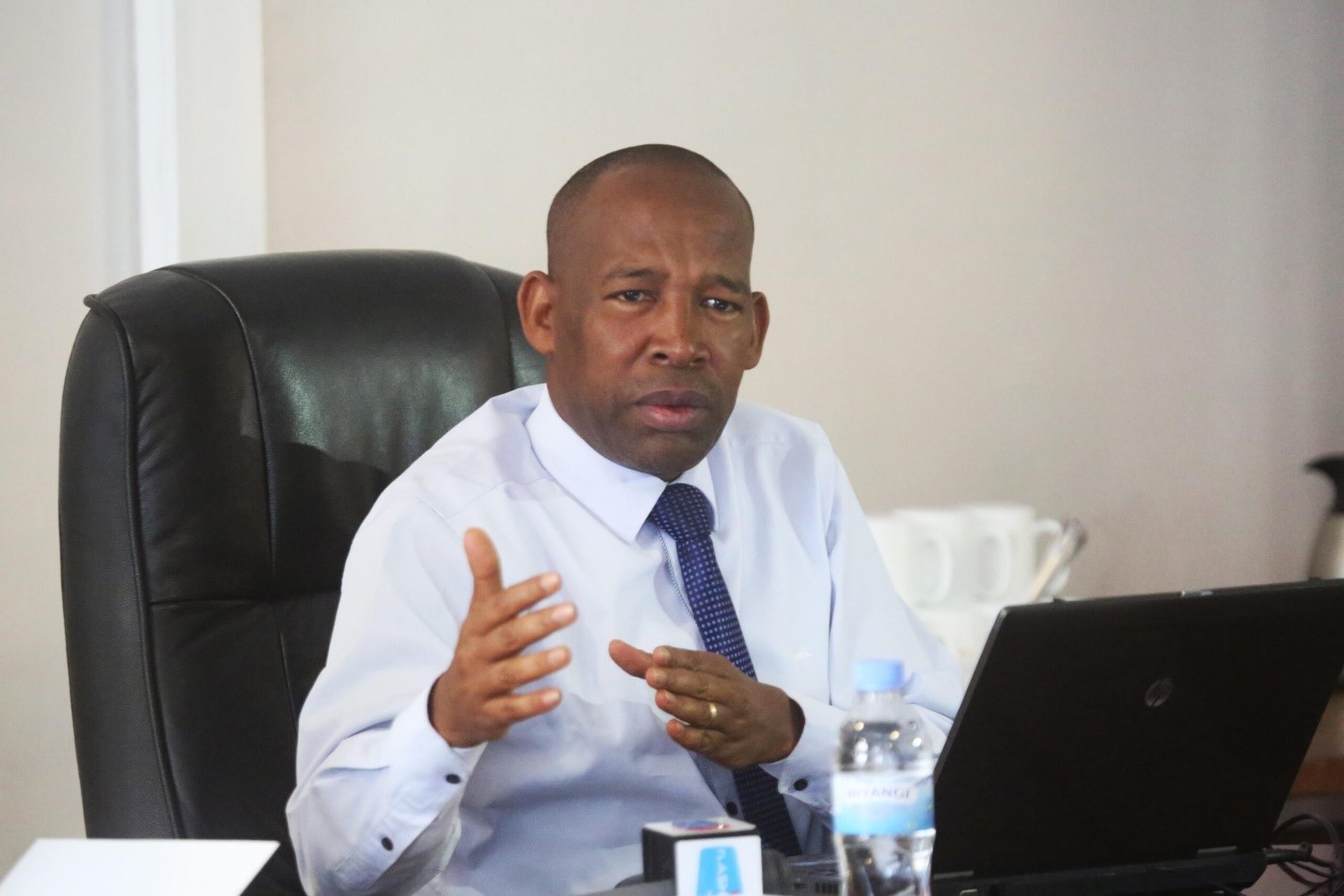
“There is still a need for mindset change, and this takes time,” Ndayisaba said. “We believe the solution will come through the quality of services persons with disabilities provide to the community. We have started discussions with the Private Sector Federation (PSF), and they now have an inclusive cluster. We will continue educating the community to understand that disability is not inability.” Ndayisaba noted.
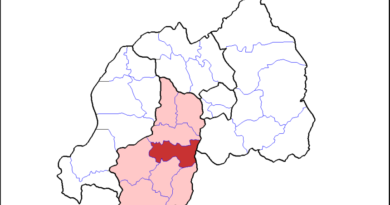
In Bugesera District, which is home to 17,019 persons with disabilities, including 9,351 women, efforts to ensure inclusion in both employment and business are gaining momentum.
Bugesera District’s Mayor Richard Mutabazi emphasized the district’s commitment to equal opportunities, ensuring that hiring practices and examinations are inclusive.
“We want equal opportunities for all, and we have not received any reports of exclusion so far,” Mutabazi stated.
theinspirerpublications@gmail.com



Leave a Reply