
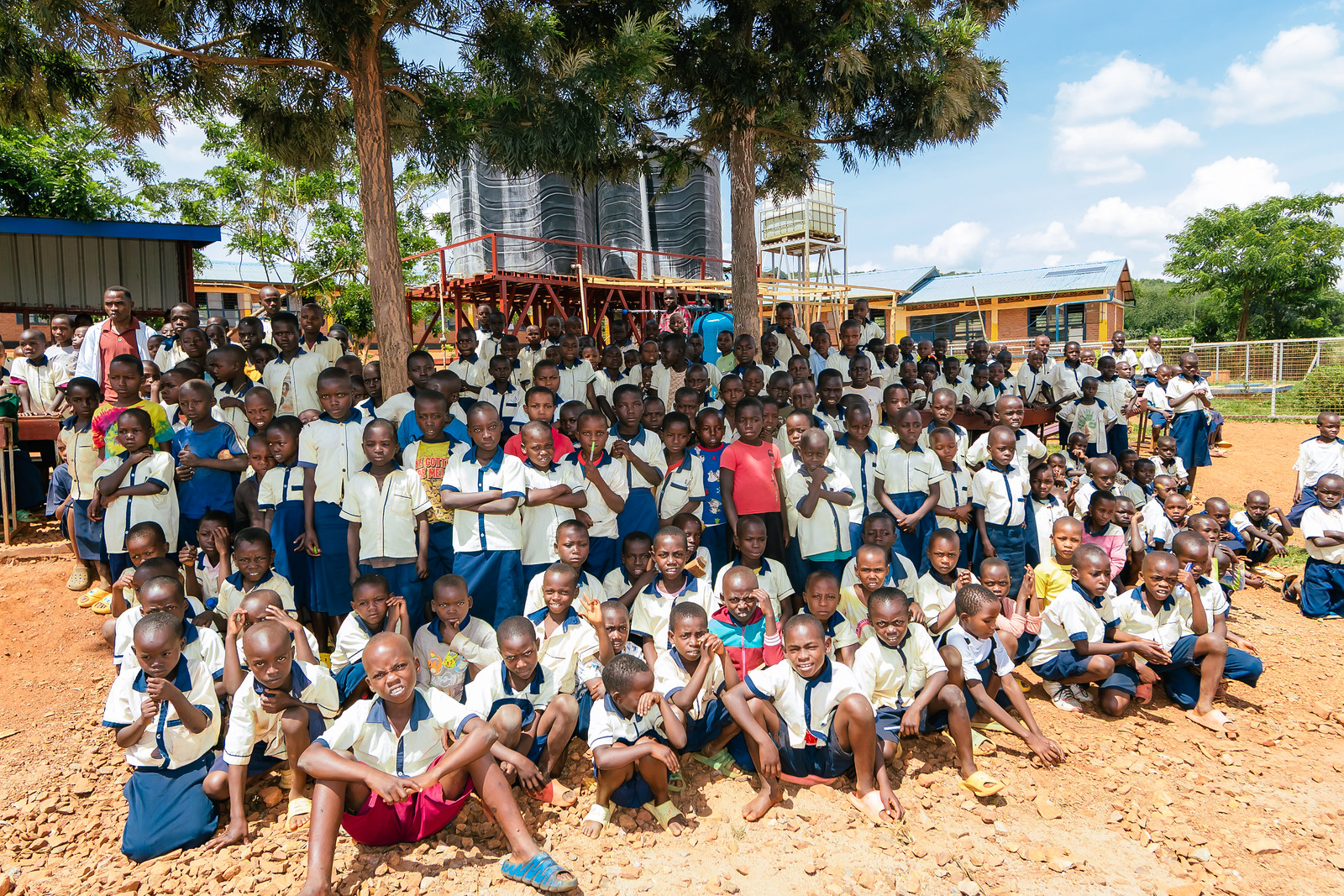
Bilharzia and intestinal worms threaten health and education in Bugesera
By Elias Hakizimana.
Bugesera District, in Rwanda’s Eastern Province, continues to grapple with a burden of neglected tropical diseases (NTDs), particularly bilharzia and intestinal worms, which are taking a toll on children’s growth, school attendance, and family productivity.
In just the past four months, district health authorities recorded 17,126 new cases of diseases related to poor sanitation and hygiene, with 331 patients requiring hospitalization.
“The increase in cases is largely linked to Bugesera’s geography,” explained Theodore Bagaragaza, Director of the Health and Disease Prevention Department.
“The district is surrounded by lakes and water sources, including Lake Cyohoha, Lake Rweru, and Lake Muhazi, which provide ideal conditions for bilharzia parasites to multiply in stagnant water.”
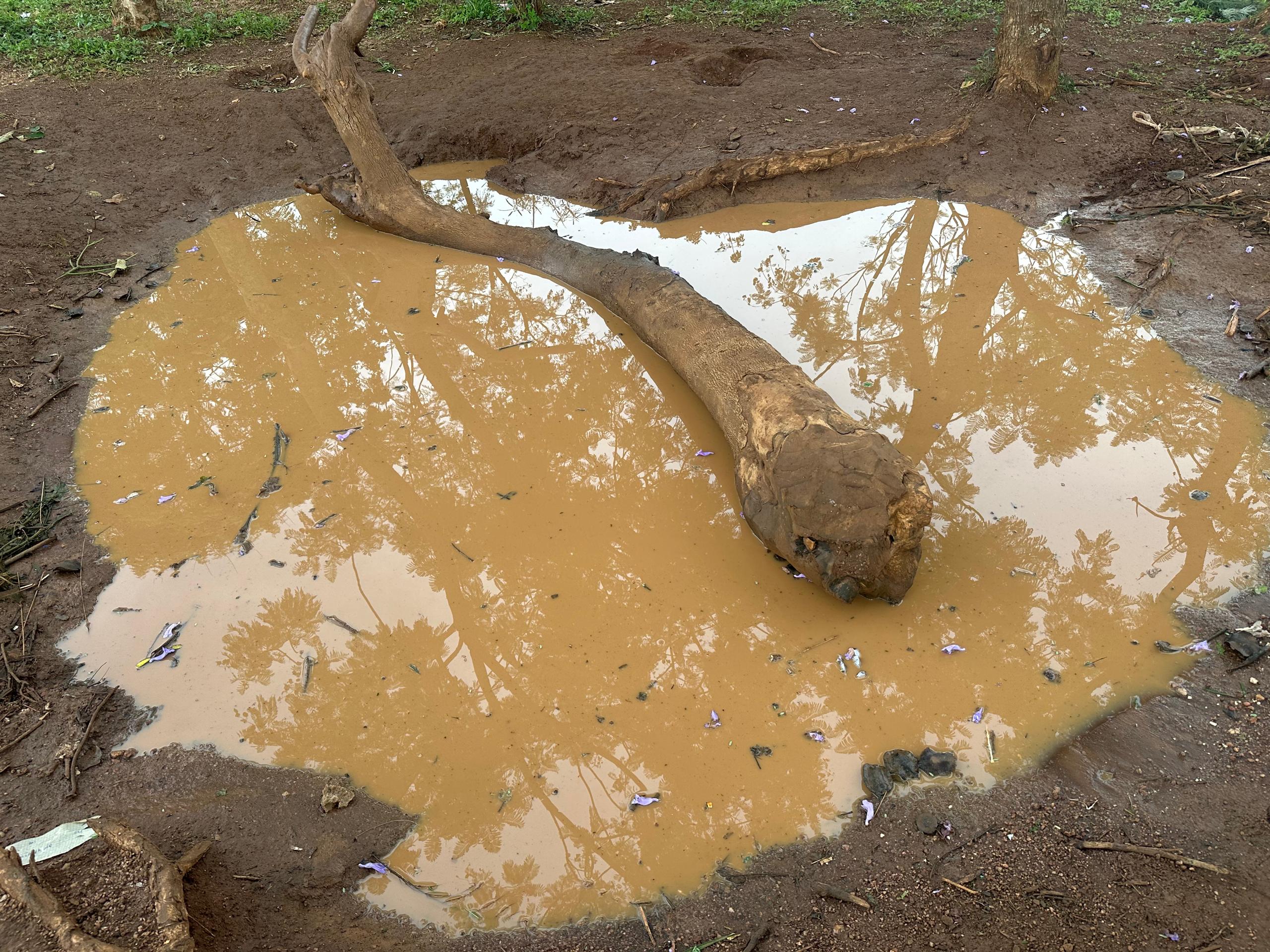
The most common intestinal worms—Ascaris, Ankylostoma, and Trichuris—affect children predominantly, although adults are also at risk. Other parasites identified include Strongyloides and Taenia. Transmission is linked to contact with contaminated soil or water, consumption of unwashed fruits and vegetables, poor handwashing, and walking barefoot on infected land.
Symptoms range from abdominal pain, diarrhea, vomiting, and loss of appetite, to bloated stomachs and self-excoriation from incessant itching. These illnesses not only stunt children’s development but also reduce household productivity and income, creating a cycle of vulnerability for affected families.
To combat the problem, the Ministry of Health, in partnership with organizations like the Rwanda NGOs Forum on AIDS and Health Promotion (RNGOF/HP), has implemented awareness and prevention programs.
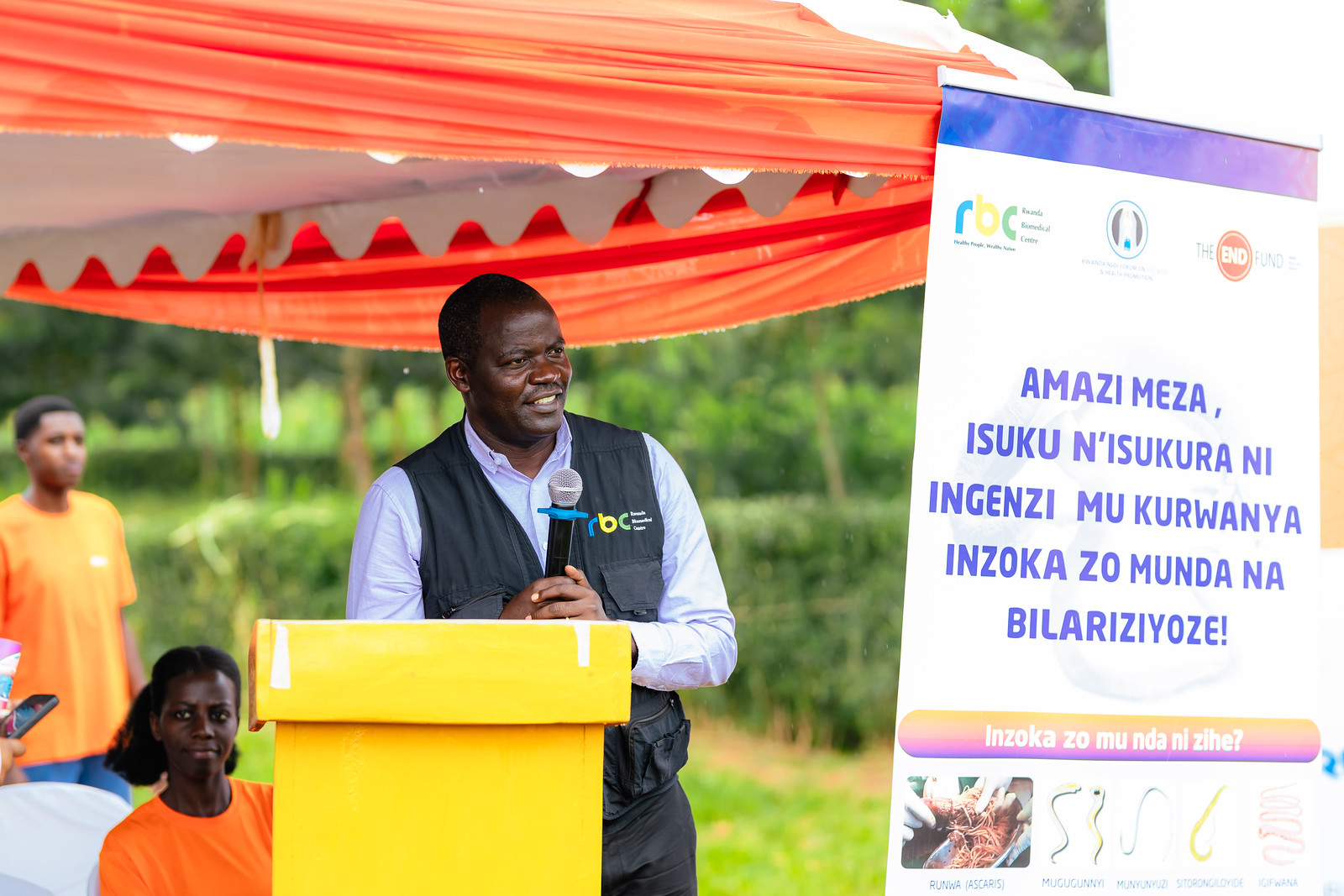
On December 15, 2025, the second phase of the Bilharzia Storytelling Initiative (BSI) was launched in Rweru Sector, Bugesera District, using creative approaches such as theater, sketches, and storytelling to educate children and community members about the disease, its transmission, and preventive practices.
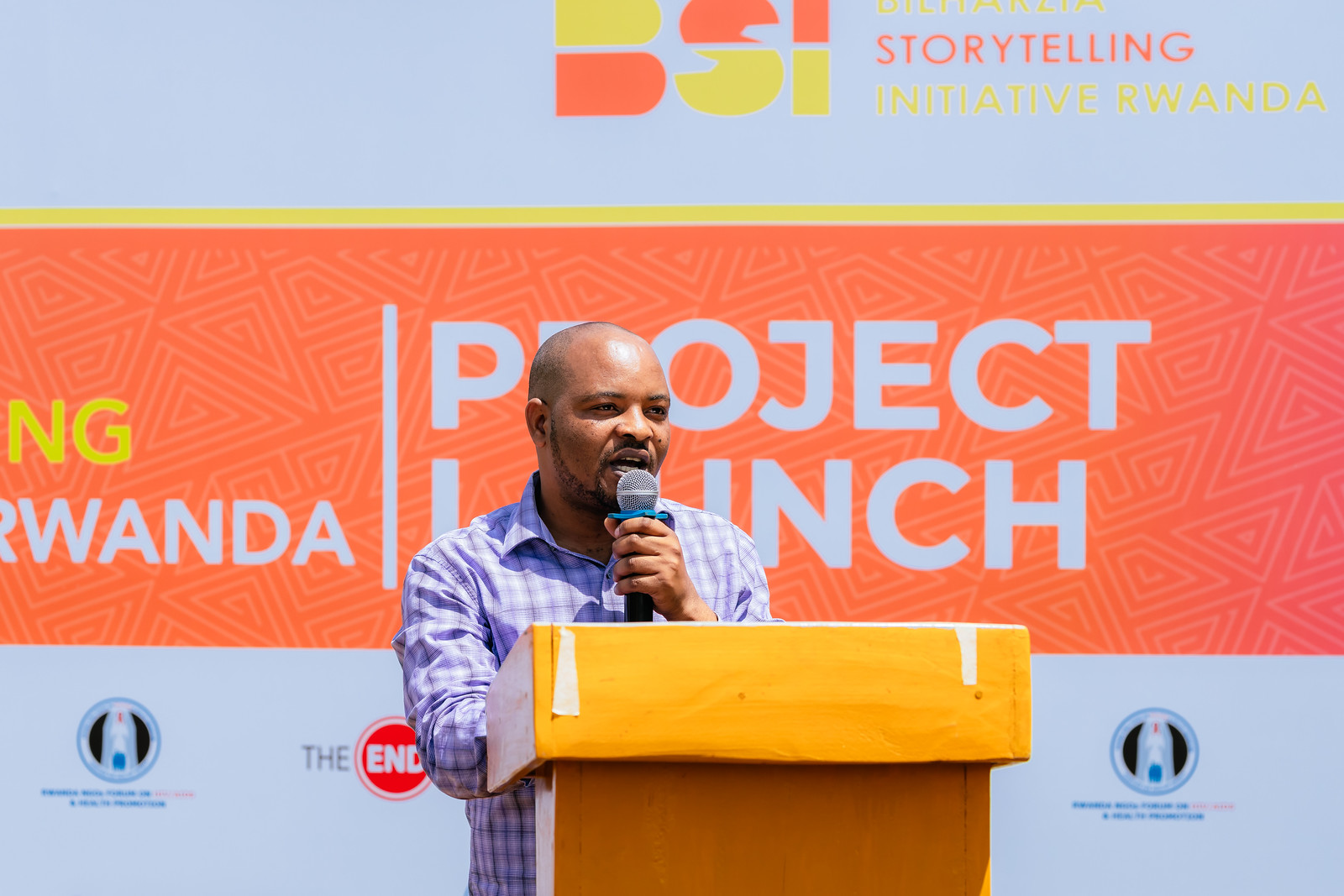
Yvonne Ninyembabazi, BSI coordinator for Bugesera, Ruhango, and Gatsibo districts, says the initiative’s strength lies in engaging children—the most vulnerable group, through play and storytelling.
“This is only the beginning. We will continue to expand the initiative phase by phase, depending on available funding,” she notes.
Dr. Eric Niyongira, representing the Rwanda NGOs Forum on HIV/AIDS and Health promotion at the event, emphasized the broader impact of prevention.
“Bilharzia and other NTDs are major barriers to our nation’s health and wealth. Preventing bilharzia also helps prevent other poor sanitation and hygiene-related diseases.”
He advises rice farmers and communities in marshlands to wear protective boots and gloves, avoid defecating in open spaces, and refrain from washing or entering stagnant waters.
According to the Rwanda Biomedical Center (RBC), the national interruption of transmission plan for Schistosomiasis and Intestinal Worms targets that 95% of the population will have proper knowledge and behaviors to prevent these diseases, that 100% of households have access to clean water and sanitation, and that 95% of high-risk individuals use protective clothing during their activities around water bodies.
Mass drug administration (MDA) has helped reduce infections but remains insufficient to eliminate them. Training young leaders, or Intore, empowers youth—who make up 60% of Rwanda’s population—to act as change agents, conveying health messages within families and communities.
Ladislas Nshimiyimana, acting director of NTDs and other parasitic diseases Unit at the Rwanda Biomedical Center stresses that ending bilharzia in Rweru requires both behavior change and improved sanitation.
“We provide medicines, educate farmers and fishers, and train communities on how to prevent parasite eggs from contaminating waters,” he says.
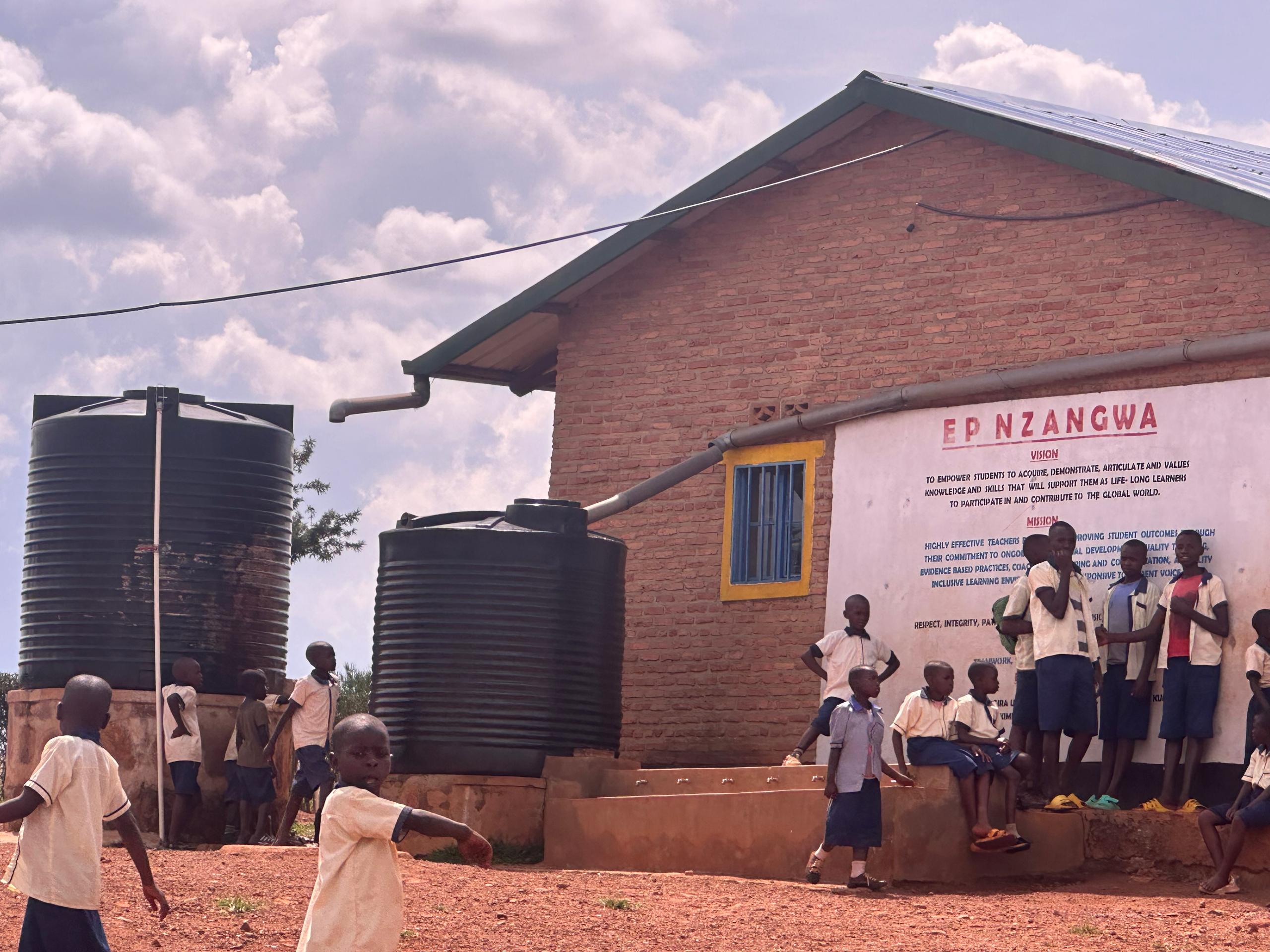
Despite these efforts, water scarcity remains a pressing challenge. Residents rely on salty, stagnant water from Lake Rweru, often traveling long distances to collect it.
Josiane Nyiranturire, headteacher of Nzangwa Primary School in Rweru Sector, describes the daily struggle: “Since the school opened in 2021, we have no clean water infrastructure. During the rainy season, we use rainwater, but in the dry season, children drink salty marshland water, which poses a serious health risk.”
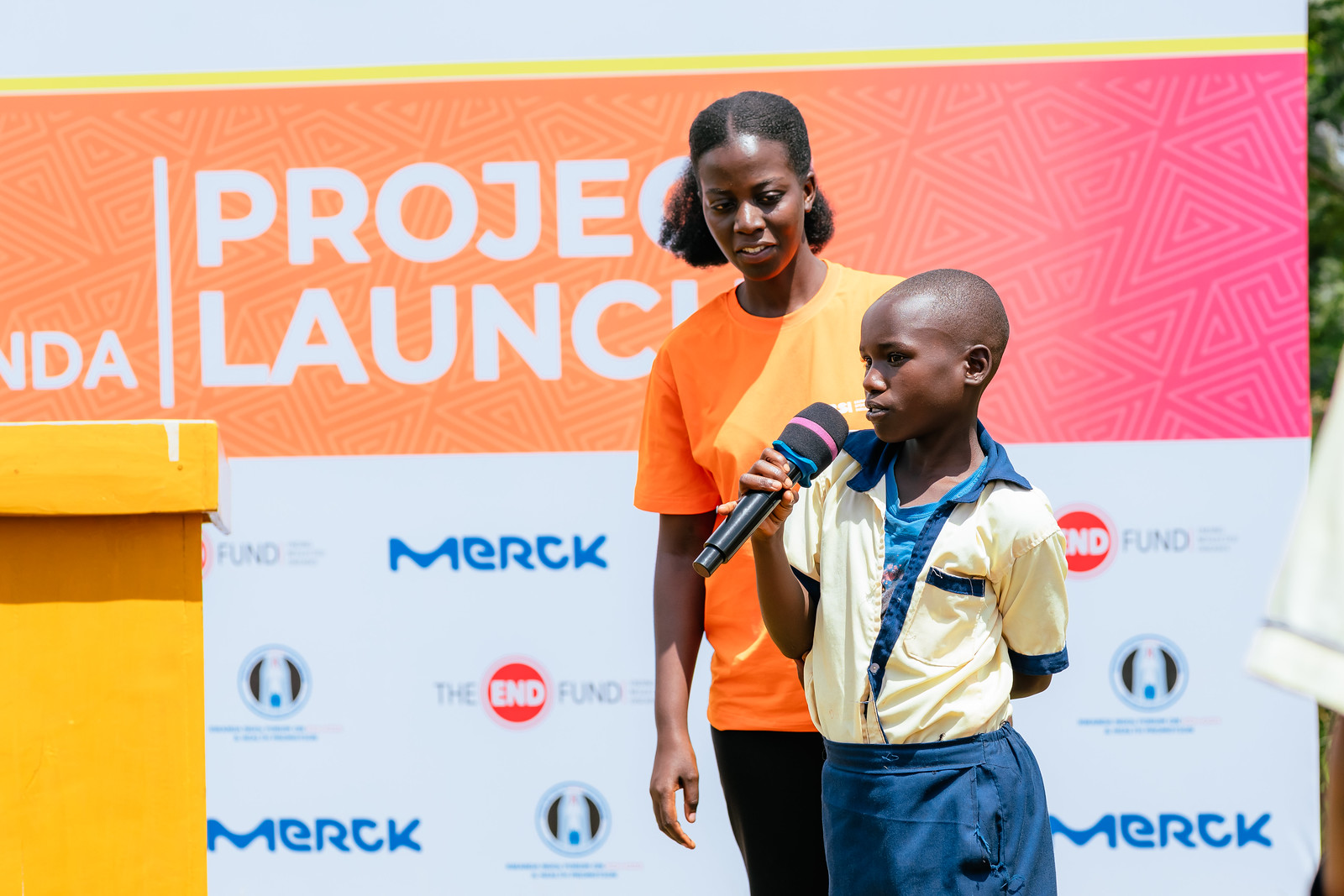
For students like 13-year-old Faisa Muragijimana, the impact is personal and immediate. Recently absent from school due to abdominal pain from intestinal worms, she says, “At home, we are seven children, and almost all of us suffer from intestinal worms because of the water we use.”
Angelique Uwizeyimana, another student at Nzangwa, repeats similar experiences, highlighting the widespread nature of the problem among children.
As Rwanda works toward achieving the World Health Organization’s 2021–2030 health goals, initiatives like BSI, combined with community education, improved sanitation, and youth engagement, offer hope that the cycle of infection can be broken.
For Bugesera families and children, every step toward clean water, proper hygiene, and disease prevention is a step toward healthier, more productive lives.
theinspirerpublications@gmail.com



Leave a Reply