
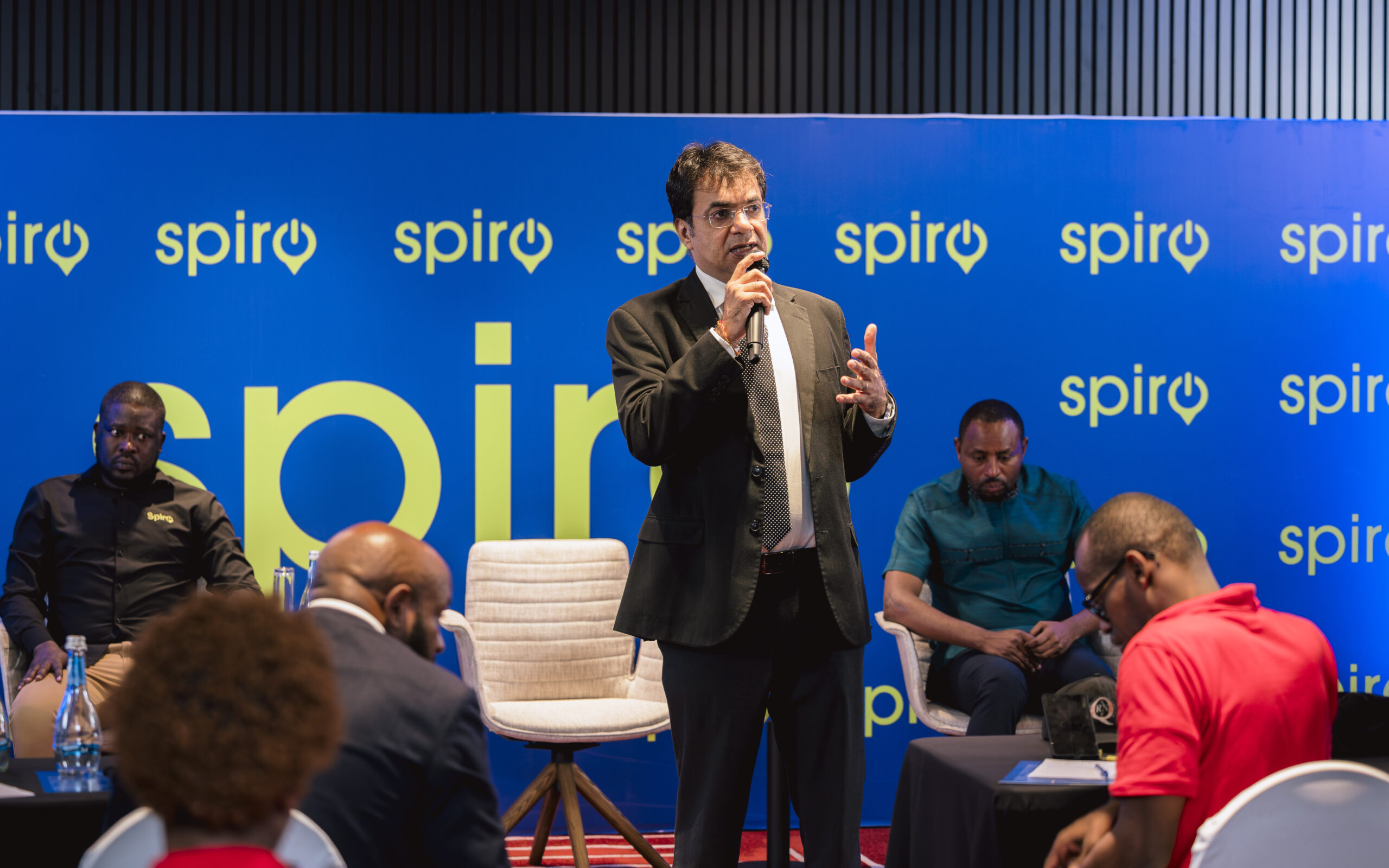
Spiro expands Rwanda electric mobility network with mega battery swap stations
By Elias Hakizimana.
Electric mobility company Spiro has announced an expansion of its operations in Rwanda with the rollout of Mega Battery Swap Stations in Kigali, a move aimed at strengthening electric mobility infrastructure and supporting the country’s transition to cleaner transport.
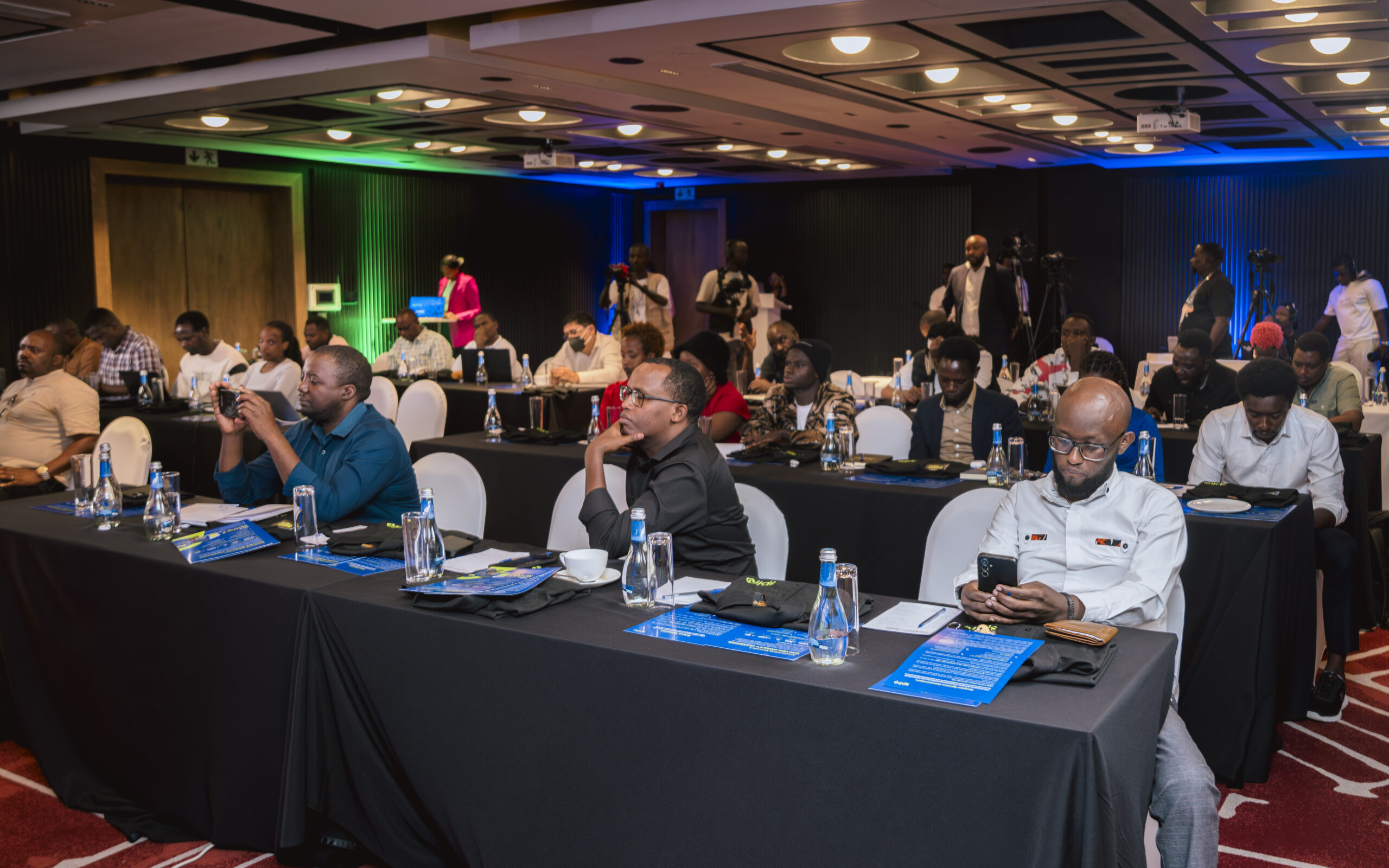
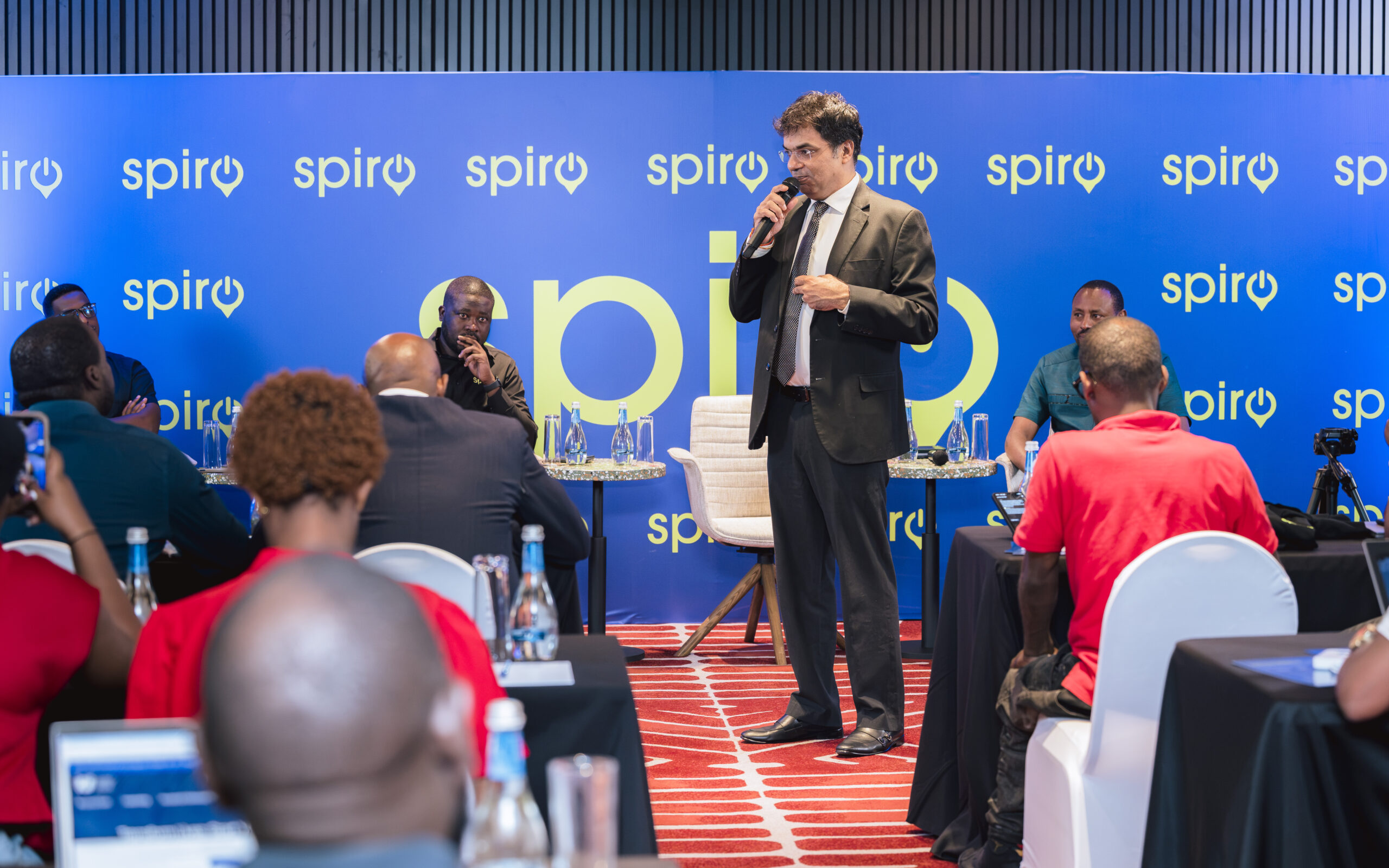
The announcement was made on July 2, 2026, alongside a media breakfast briefing in Kigali where company officials expanded on their long-term investment strategy, job creation model, and safety assurances for electric motorcycle users.
Spiro Rwanda Managing Director Amit Chawla said the expansion reflects the company’s ambition to build a complete and scalable electric mobility ecosystem in the country, anchored on battery-swapping technology, financing solutions, manufacturing capacity and after-sales support.
“We are not a fly-by-night operator. We are building capacity at scale,” Chawla said, emphasizing that the company’s investments are designed for long-term sustainability and growth.
According to the company, more than three Mega Battery Swap Stations are already operational in Kigali, with plans to scale up to over 10 stations. The rollout complements an existing network of more than 300 swap stations across Rwanda, enabling riders to replace depleted batteries within minutes and continue operations with minimal downtime.
Spiro said it has already deployed over 28,000 electric motorcycles in Rwanda, creating more than 3,000 direct jobs, alongside additional indirect employment through vendors, contractors, and service providers involved in station construction and maintenance.
Chawla highlighted that employment generated by the ecosystem extends beyond riders and includes electrical, mechanical, and civil engineering contractors working on infrastructure development.
He also noted the company’s internal workforce development strategy, including training programs for young graduates and efforts to improve gender inclusion.
“We are currently at about 35% gender diversity, and we aim to reach 40% soon, with more women joining our workforce,” he said.
During the briefing, Chawla addressed concerns about the durability and safety of electric motorcycles, noting that Spiro’s operations are built around rigorous usage conditions, including high daily mileage by riders who often operate in shifts.
He said each rider undergoes a 45-minute onboarding training session covering EV handling, safety practices, and operational differences compared to fuel-powered motorcycles.
“We ensure every rider is trained before they receive the bike. Safety remains a priority, and helmet use in Rwanda is already very high among riders,” he said.
Chawla added that while electric mobility is relatively new compared to fuel-powered transport, Spiro continues to refine its technology and expand rider training through planned academies aimed at improving long-term safety and performance.
He further pointed to the company’s broader African strategy, noting that Rwanda plays a central role in Spiro’s continental expansion due to its enabling environment for clean mobility innovation.
The company said its investment is part of a wider push to strengthen Africa’s electric mobility infrastructure and expand operations across multiple markets, while continuing to position Rwanda as a regional hub for electric transport solutions.
theinspirerpublications@gmail.com




Leave a Reply