

Rwanda hosts second national conference on gender and climate change
By The Inspirer.
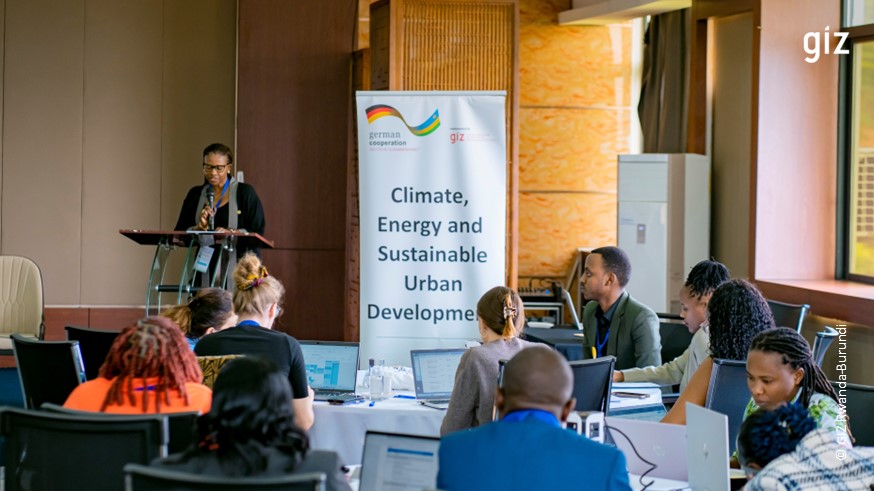
Kigali, November 26, 2025 — Rwanda has opened the 2nd National Conference on Gender and Climate Change, a high-level dialogue aimed at transforming gender-related climate research into practical, actionable policy.
The two-day conference focuses on the theme “Elevating Evidence into Action: A Gender-Responsive Climate Policy Dialogue.”
The event is co-organized by the Ministry of Environment (MoE), GIZ Rwanda-Burundi, the Women for Water and Climate Change Network (WWCCN), the Kvinna till Kvinna Foundation, the Center for Climate Justice, and the Global Green Growth Institute (GGGI).
The conference builds on the 2024 inaugural edition by pushing for stronger implementation of gender-responsive climate policies across Rwanda.
Although gender equality is embedded in national and global climate frameworks, experts say progress in implementation remains limited. Rwanda’s climate vulnerabilities disproportionately affect women, who make up nearly 70 percent of the agricultural workforce.
Limited access to land ownership, combined with the burden of securing water for households, further deepens their exposure to droughts, floods, and declining yields.
Rwanda has experienced a temperature rise of about 1.4°C since 1970, coupled with increasingly unpredictable rainfall, worsening crop losses, water scarcity, and unpaid labor pressures on women.
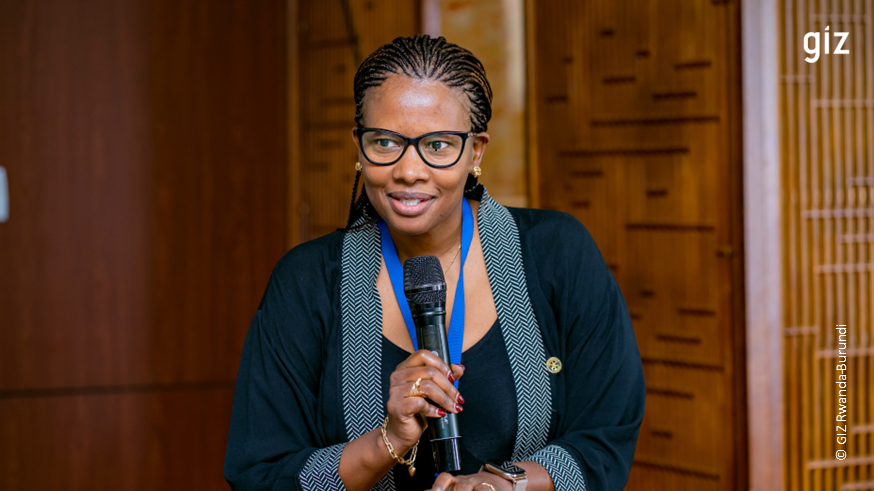
“Women are at the frontline of climate impacts, but they remain largely underrepresented in the planning, financing, and execution of climate solutions,” organizers stressed at the opening ceremony.
Closing the research-to-policy gap
A key objective of the forum is to address persistent gaps between climate policy commitments and their implementation.
Though gender considerations are increasingly included in climate policy documents, these commitments are often not reflected in national budgets, monitoring systems, financing tools, or community-level programs.
Last year’s conference called for deeper institutional alignment. This year’s edition is expected to deliver a Conference Communiqué—a formal document presenting policy recommendations to government institutions, development organizations, and civil society stakeholders.
“This is not just a conversation. It is a policy-shaping conference,” organizers noted. “We are here to co-create tools that turn evidence into gender-responsive climate action.”
Broad participation for inclusive decisions
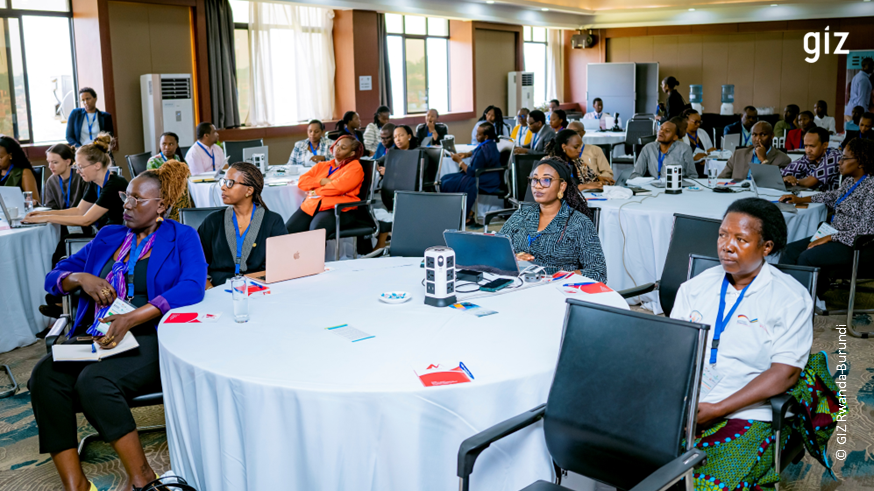
Participants include government bodies such as MoE, MINEMA, MIGEPROF, REMA, GMO, NISR, MINAGRI, and the Rwanda Green Fund, alongside international partners like UN Women, UNEP, CGIAR, and GGGI.
Civil society organizations, women’s cooperatives, academic institutions, and organizations representing persons with disabilities and indigenous communities are also taking part, ensuring a diverse and inclusive dialogue.
The conference features interactive sessions including thematic panel discussions, research-sharing forums, and collaborative small-group workshops. These activities are designed to merge community knowledge with scientific evidence in order to define concrete policy entry points.
The final communiqué will guide Rwanda’s upcoming revision of the Nationally Determined Contributions (NDC 3.0) and inform the country’s engagement in global climate negotiations ahead of COP30.



Leave a Reply