
Kiswahili pushed as catalyst for regional unity and sustainable development
By The Inspirer.
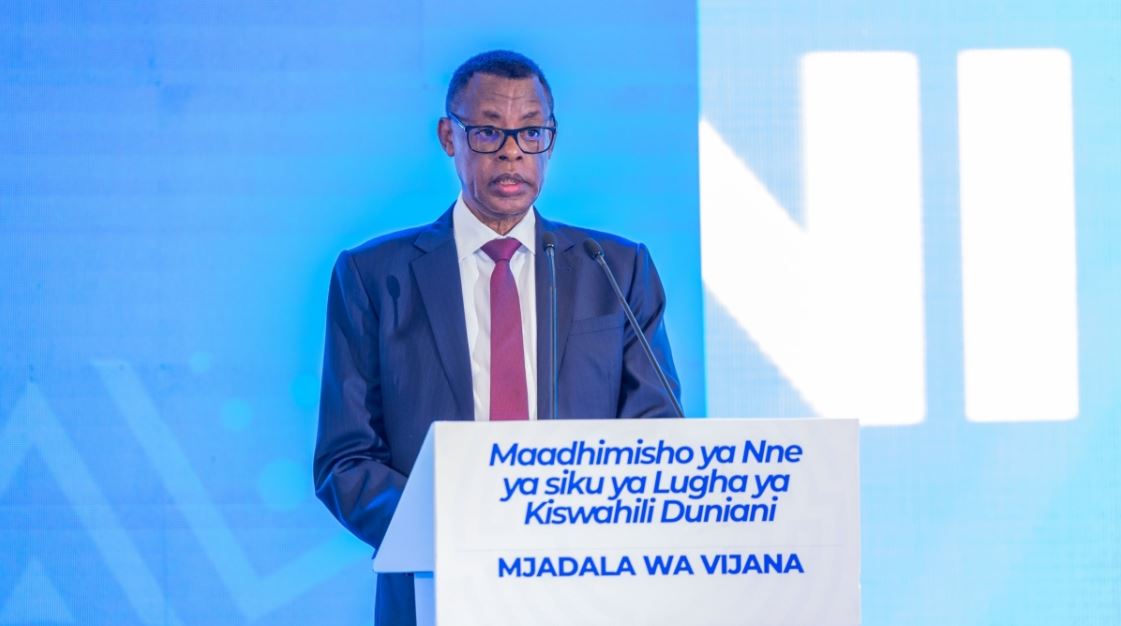
The Minister of State for Regional Cooperation, Gen (Rtd) James Kabarebe, has underlined the transformative power of Kiswahili as a vital instrument for regional integration, cultural cohesion, and sustainable growth across Africa.
Speaking on Sunday, July 6, while officiating the 4th World Kiswahili Language Day in Kigali, Kabarebe emphasized that advancing the use of Kiswahili within East Africa will reinforce cultural solidarity and facilitate cross-border collaboration in numerous initiatives and development projects.
“Promoting the Kiswahili language within East Africa means strengthening cultural unity and facilitating cooperation in various projects and initiatives,” he remarked.
The Minister noted that while Kiswahili’s roots lie firmly in East Africa, its reach now extends far beyond the region’s borders, evolving into a truly global language.
“It is now spoken by millions across the continent and beyond. It remains the only African language officially recognized as a working language of the African Union, and it continues to gain traction among communities regionally and internationally,” Kabarebe added.
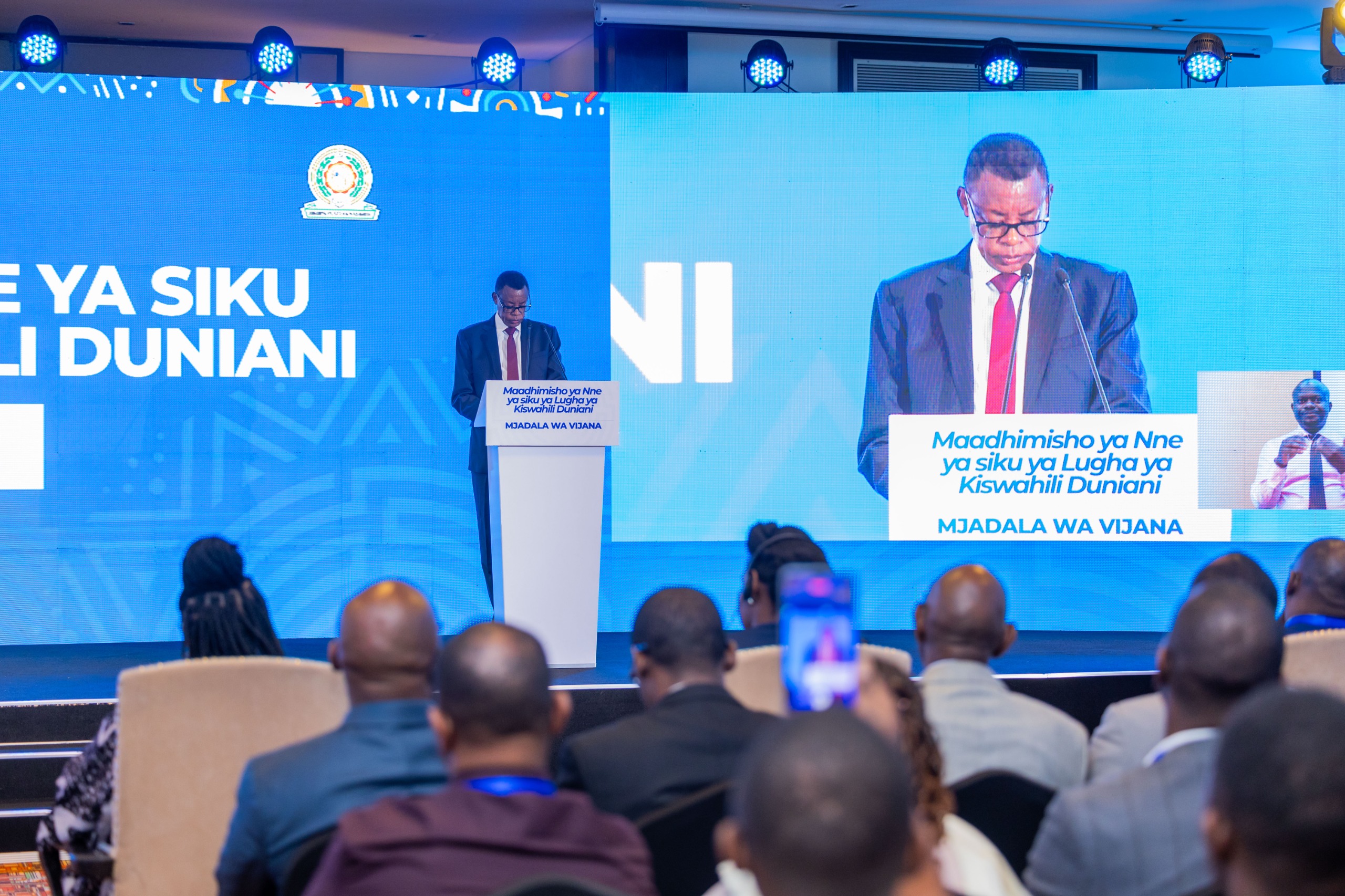
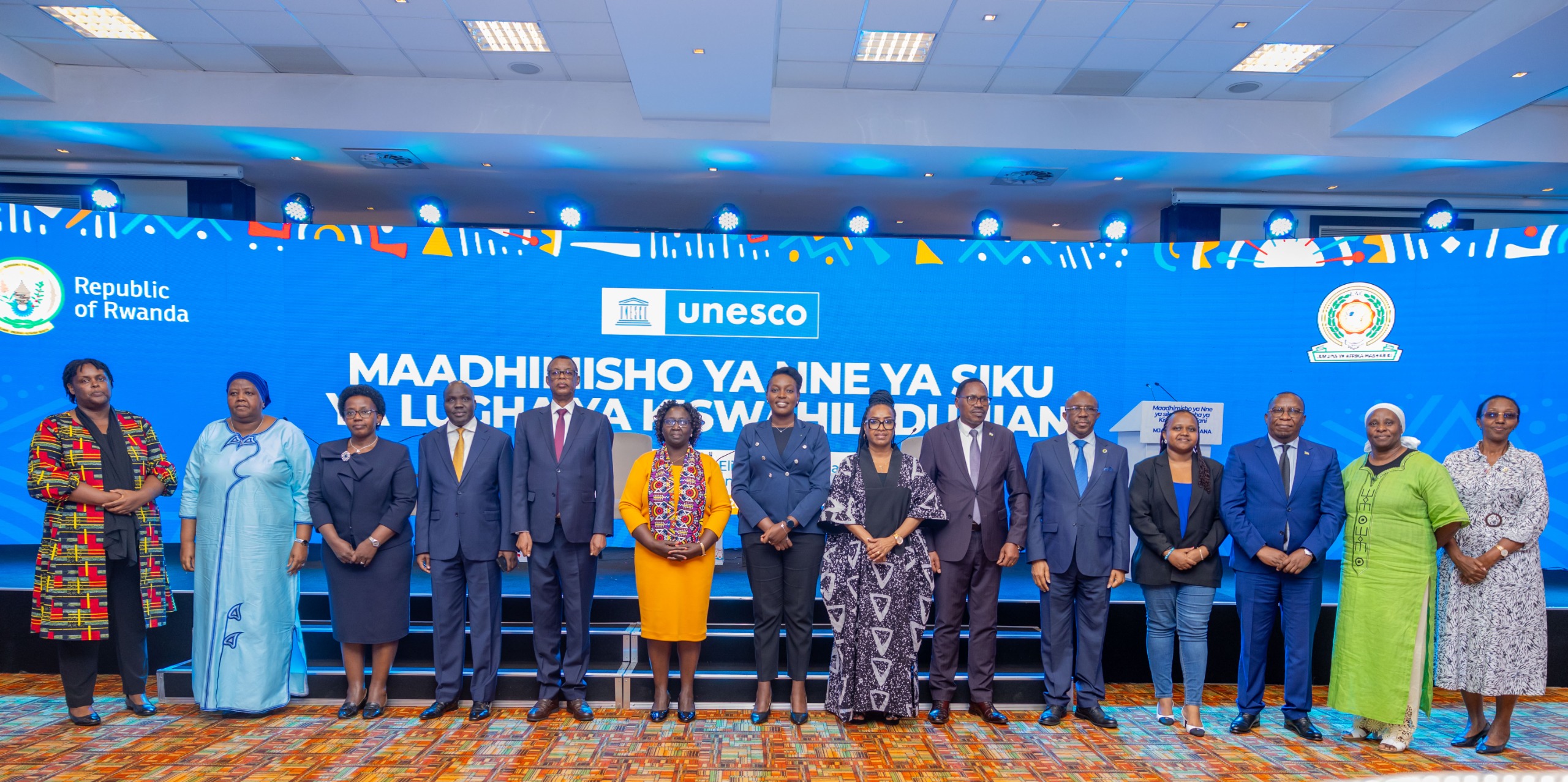
The two-day gathering has drawn over 300 participants, among them senior government representatives, delegates from East African Community (EAC) partner states, Kiswahili scholars, academics, and university students. The event is being held under the theme “Kiswahili, Inclusive Education, and Sustainable Development.”
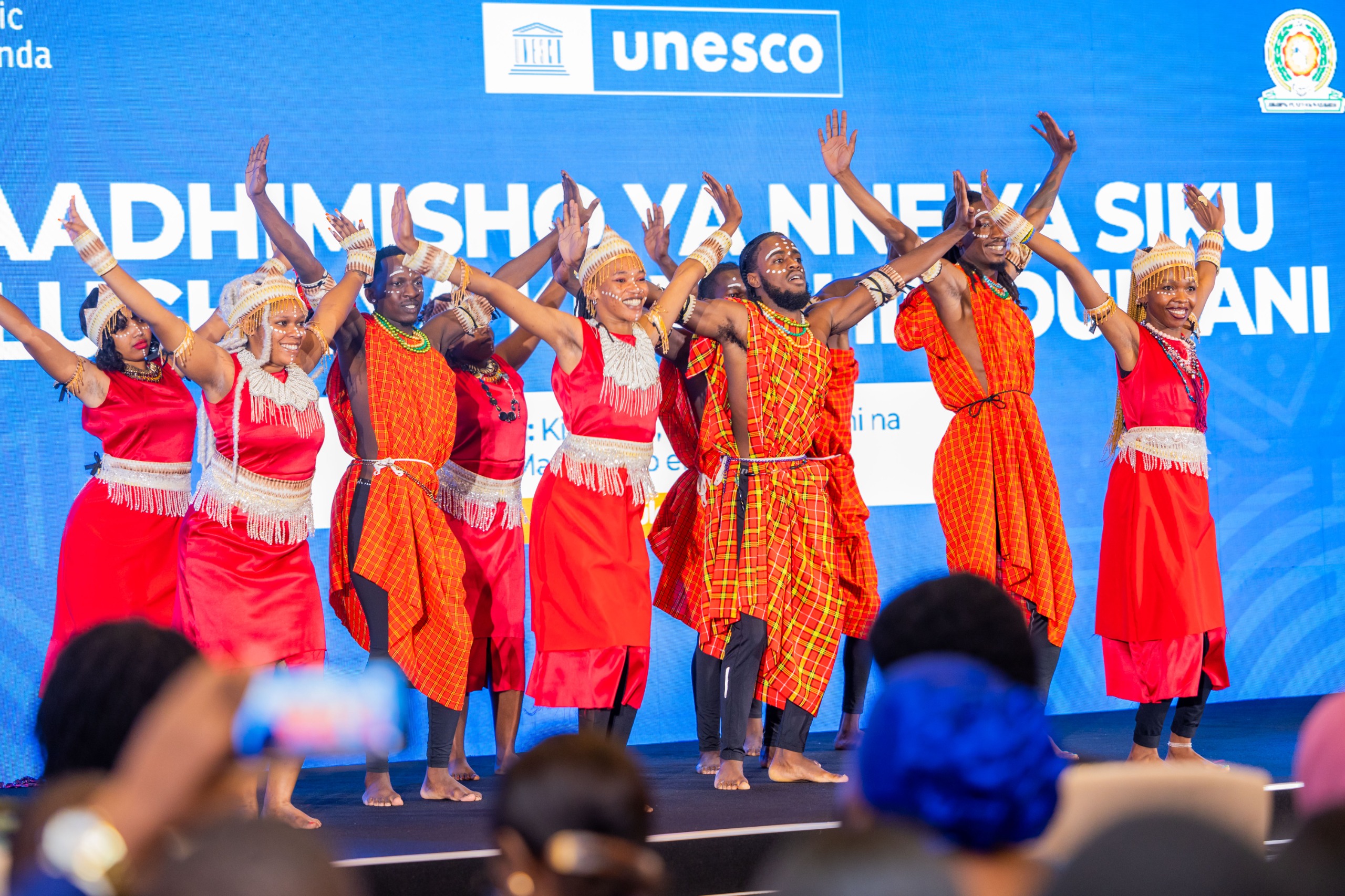
Organized in partnership with the East African Kiswahili Commission (EAKC), this year’s celebration features a high-level opening ceremony, a regional symposium, youth engagement forums, and an exhibition showcasing Kiswahili’s cultural and educational significance.
Addressing the audience, EAC Deputy Secretary General Andrea Aguer Ariik highlighted Kiswahili’s potential to transcend linguistic boundaries and act as a bridge for equity, inclusion, and empowerment across the region.
“Kiswahili offers a practical and inclusive solution to some of our biggest challenges,” Ariik said. “As one of Africa’s most widely spoken languages and the only one officially recognized by the African Union, it has the capacity to close the gap between policy and people, between education and equity, and between tradition and innovation.”
During breakout sessions, participants split into parallel discussion groups to tackle key issues. One group, led mainly by young people, explored how Kiswahili—together with artificial intelligence and inclusive education—can help nurture a culture of peace within the region.
The other group focused on reviewing policies and actionable strategies to promote inclusive education and sustainable development, encouraging the exchange of innovative ideas and enhancing stakeholder engagement.
World Kiswahili Language Day is marked annually to recognize the growing significance of Kiswahili, not only as a tool for daily communication but also as a conduit for education, peacebuilding, and economic integration across Africa and beyond.



Leave a Reply