
Rwanda Warns Belgium Against Cancelling Genocide Commemorations, Citing Violation of International Law
By The Inspirer.
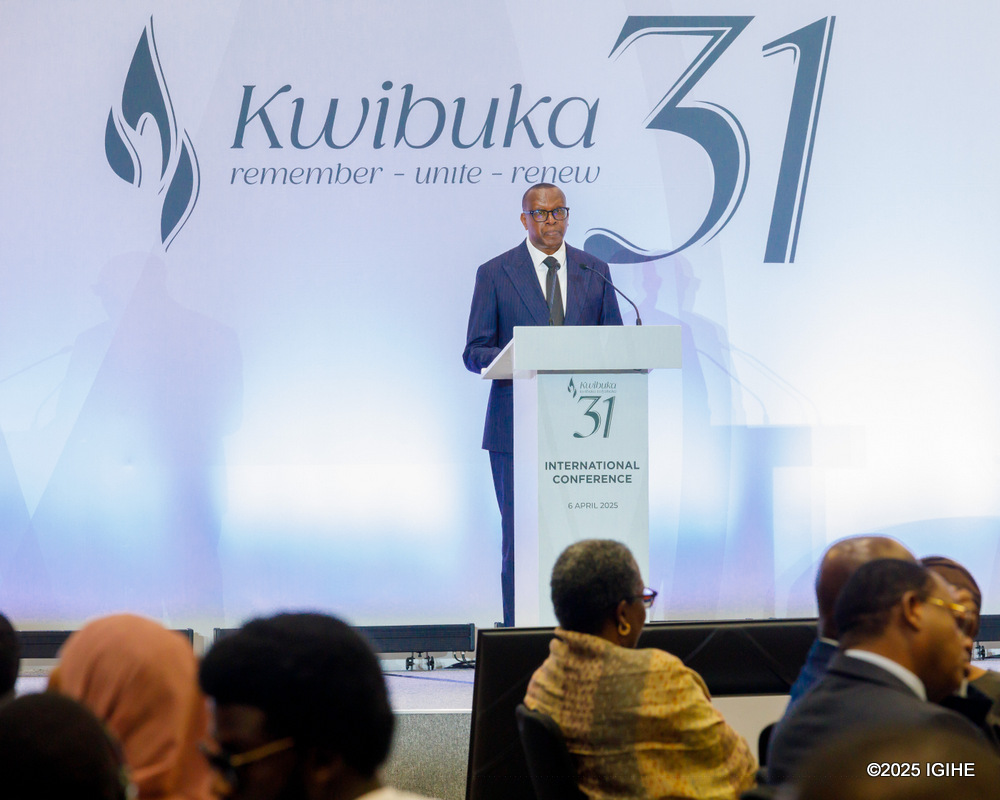
Rwanda’s Minister of National Unity and Civic Engagement, Dr. Jean-Damascène Bizimana, has warned that Belgium would be in breach of international law if it proceeds with the cancellation of events commemorating the 31st anniversary of the 1994 Genocide against the Tutsi.
This follows recent decisions by local authorities in Belgian cities—Liège and Bruges—to cancel planned Kwibuka 31 events. Liège, which had been scheduled to host a commemoration on April 12, 2025, reversed its participation without official explanation. Bruges also reportedly pulled out of its own planned activities.
Minister Bizimana made the remarks during the International Conference on the 31st Commemoration of the Genocide against the Tutsi, emphasizing that the move undermines international obligations.
“Belgium claims its position toward Rwanda is rooted in international law, yet by cancelling genocide commemoration events, it is actively violating it,” Bizimana said.
He referenced the United Nations General Assembly resolution passed on January 26, 2018, which calls on all member states to observe April 7 as the International Day of Reflection on the 1994 Genocide against the Tutsi and to support remembrance initiatives.
“If Belgium obstructs these commemorations, it would be in clear violation of this resolution, which applies to all UN member states,” he added.
The cancellations come amid increasingly strained relations between Kigali and Brussels. Belgium has been a vocal proponent of sanctions against Rwanda, citing its alleged role in the ongoing conflict in eastern Democratic Republic of Congo.
Rwanda officially severed diplomatic ties with Belgium on March 17, 2025, citing continued interference in its internal affairs and historical injustices rooted in the colonial period.
Historians and political observers note Belgium’s legacy in sowing ethnic division during its colonial rule—particularly through the introduction of identity cards that categorized citizens by ethnicity, a tool later used to facilitate the genocide.
In 1959, Belgium supported the so-called Hutu revolution, led by local elites and backed by Belgian military official Colonel Guy Logiest. Though Belgium granted Rwanda nominal independence in 1962, it maintained significant influence through the installation of a government that included Belgian nationals and promoted colonial ideologies.
Dr. Bizimana said that Belgium’s current posture—including the cancellation of Kwibuka events and lobbying against Rwanda—suggests a continuation of policies aimed at isolating Rwanda from the international community.
“The legacy of the genocide is a matter of global responsibility, not political convenience,” he concluded.



Leave a Reply