

Rwanda to Renovate Four Aging Court Buildings in Major Infrastructure Push
By The Inspirer.
The Ministry of Justice has announced plans to renovate four court buildings in the 2024/2025 fiscal year as part of an ongoing effort to address aging infrastructure across the country’s judiciary. The renovations are set to begin as the ministry continues to seek funding for additional facility improvements.
According to a report detailing achievements in the 2023/2024 judicial year, the Judiciary faces several challenges, including outdated and overcrowded facilities, with some courts still operating in rented buildings. This report highlighted both these obstacles and the strategies being implemented to tackle them.
The report further notes that the Judiciary’s headquarters currently operates in a rented space, costing over RWF 1 billion annually. Besides high rental expenses, the building was initially intended for non-judicial purposes. Budget constraints for court maintenance have also led to some facilities operating in poor conditions.
Minister of Justice and Attorney General, Dr. Emmanuel Ugirashebuja, explained that this fiscal year’s budget will cover the renovation of four court buildings to improve operational conditions.
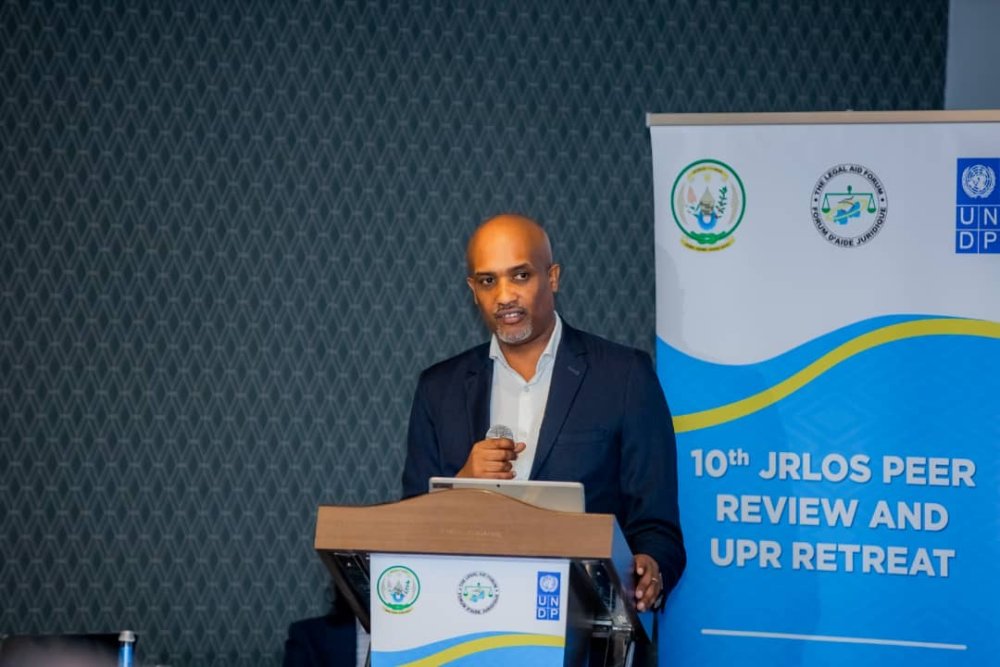
He remarked, “There are indeed outdated court buildings, but this year’s budget includes the renovation of four of them, aiming for a better standard. Balancing funding between judicial infrastructure and other sectors like education and healthcare remains essential.”
Though he did not specify which courts will be renovated, he mentioned that the facilities in the worst condition will be prioritized. Addressing the costs of renting the Supreme Court headquarters, Dr. Ugirashebuja noted that there are plans to construct a new, purpose-built Supreme Court building.
“This is indeed a temporary solution, as we await budget approval to construct a permanent facility. Working in a rented space is not ideal, but we have a vision for a dedicated court building in the future,” he added.
The report also outlined a growing challenge in retaining court staff, particularly in Primary and Intermediate Courts, where experienced judges and clerks often leave for less demanding, better-paying jobs in other sectors.
theinspirerpublications@gmail.com




Leave a Reply