
Multilateral treaties on environment which legal experts should know
By Inspirer Staff.
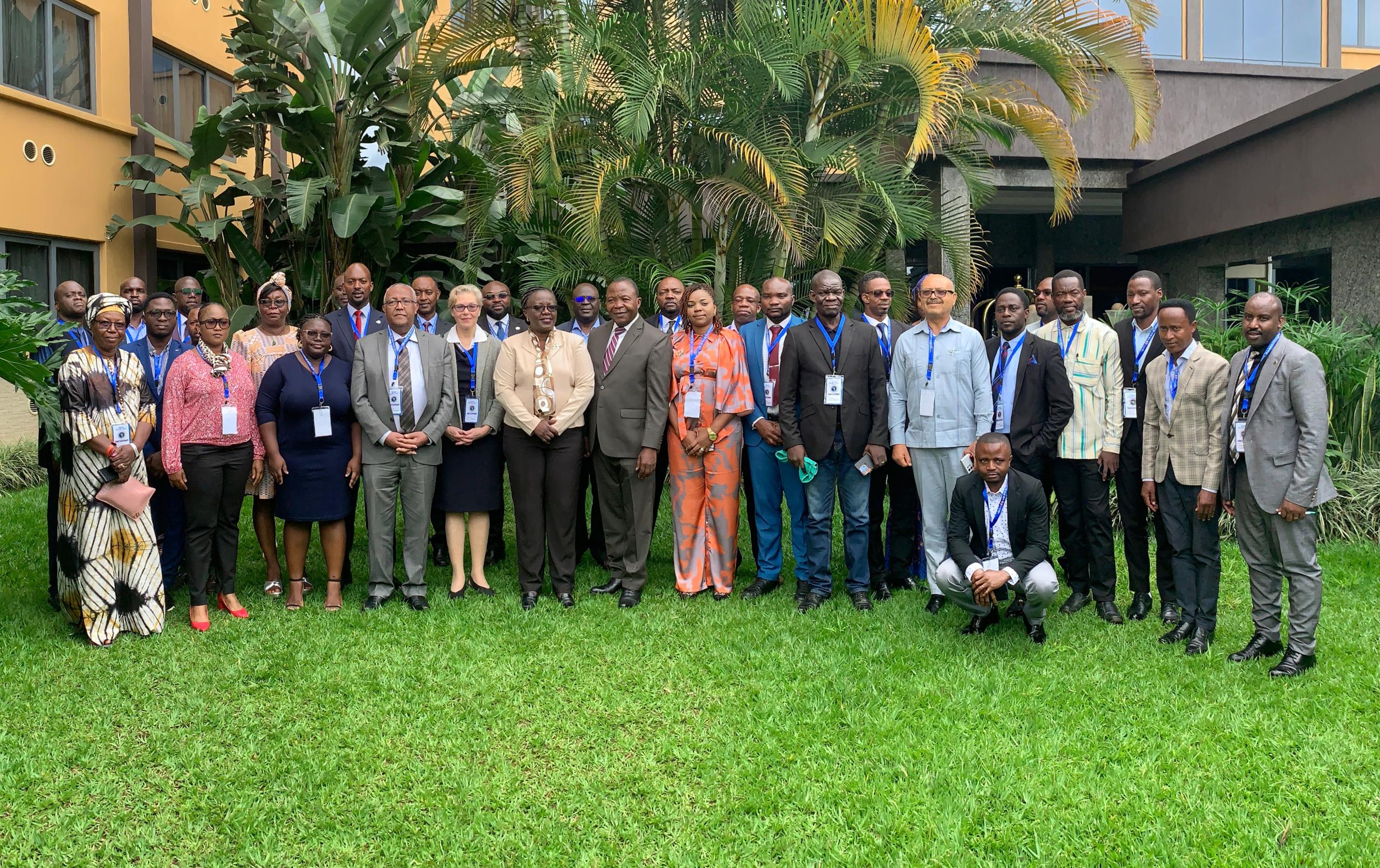
From 30 April to 3 May, Rwanda hosted Training Workshop for Environmental Lawyers and Constitutive General Assembly of the Network of Environmental Legal Experts of Central Africa (REJEAC).
It has been noted by both environmental lawyers and non-legal environmentalists that there is little participation of environmental lawyers in the creation and implementation processes, including the monitoring and evaluation of environmental, natural resources, agriculture and rural development policy and law of ECCAS and its subdivisions.
From 30 April to 3 May, Rwanda hosted Training Workshop for Environmental Lawyers and Constitutive General Assembly of the Network of Environmental Legal Experts of Central Africa (REJEAC).
The workshop raised awareness about some multilateral agreements in the environment and climate change sector.
The workshop was graced by Jeanne d’Arc Mujawamariya, Rwanda’s Minister of Environment who emphasized the need to raise awareness about such international agreements.
Honoré Tabuna, the ECCAS Commissioner in Charge of the Environment, Natural Resources, Agriculture and Rural Development Department emphasized the need for knowledge among lawyers of the commitments made by States under the UNFCCC, the Paris Agreement and other international environmental conventions discussed during the training workshop.
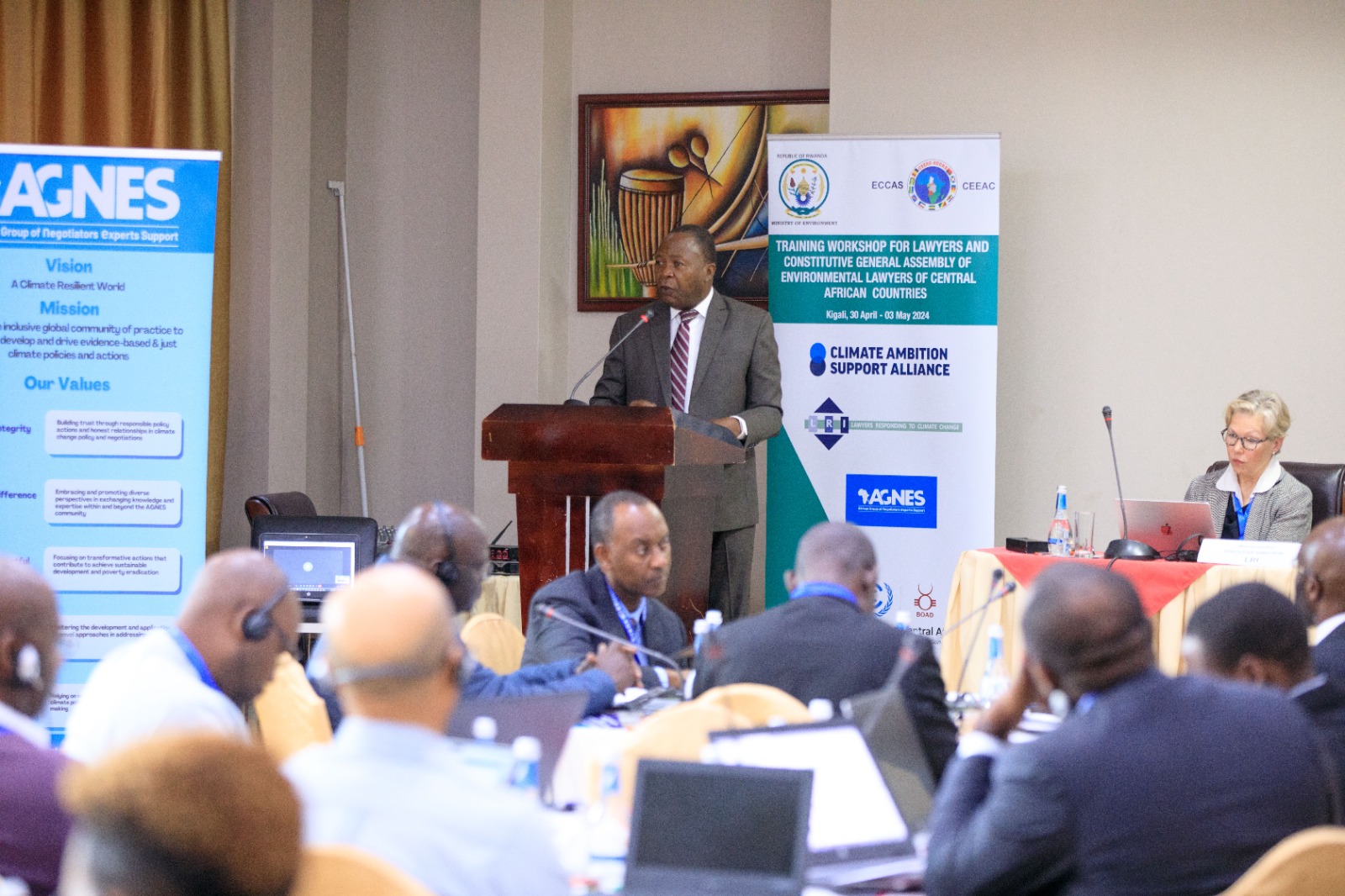
Honoré Tabuna, the ECCAS Commissioner in Charge of the Environment, Natural Resources, Agriculture and Rural Development Department
United Nations Convention on Climate Change (UNCCC)
The United Nations Framework Convention on Climate Change (UNFCCC) is the UN process for negotiating an agreement to limit dangerous climate change.
It is an international treaty among countries to combat “dangerous human interference with the climate system”.
The main way to do this is limiting the increase in greenhouse gases in the atmosphere.
It was signed in 1992 by 154 states at the United Nations Conference on Environment and Development (UNCED), informally known as the Earth Summit, held in Rio de Janeiro.
The treaty entered into force on 21 March 1994
Today, it has near-universal membership. The 198 countries that have ratified the Convention are called Parties to the Convention.
The treaty sets out responsibilities for three categories of states.
These are developed countries, developed countries with special financial responsibilities, and developing countries.
The UNFCCC’s work currently focuses on implementing the Paris Agreement. This agreement entered into force in 2016.
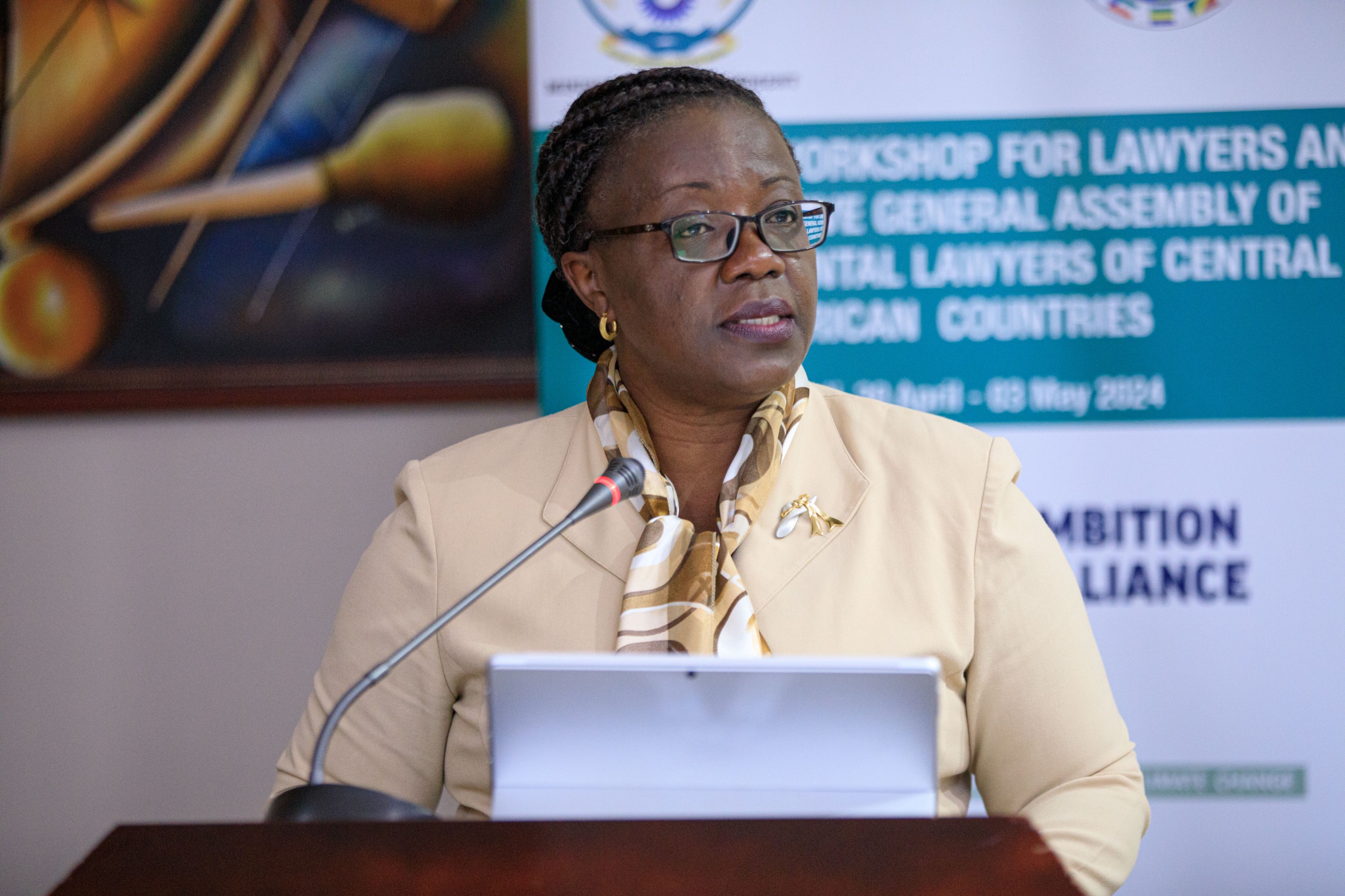
Jeanne d’Arc Mujawamariya, Rwanda’s Minister of Environment
Paris Agreement
The Paris Agreement’s central aim is to strengthen the global response to the threat of climate change by keeping a global temperature rise this century well below 2 degrees Celsius above pre-industrial levels and to pursue efforts to limit the temperature increase even further to 1.5 degrees Celsius.
The agreement was adopted in 2015 during COP21.
It builds upon United Nations Convention on Climate Change (UNFCCC).
Additionally, the agreement aims to increase the ability of countries to deal with the impacts of climate change, and at making finance flows consistent with a low GHG emissions and climate-resilient pathway.
To reach these ambitious goals, appropriate mobilization and provision of financial resources, a new technology framework and enhanced capacity-building is to be put in place, thus supporting action by developing countries and the most vulnerable countries, in line with their own national objectives.
The Paris Agreement requires all Parties to put forward their best efforts through “nationally determined contributions” (NDCs) and to strengthen these efforts in the years ahead. This includes requirements that all Parties report regularly on their emissions and on their implementation efforts.
Convention on Biological Diversity
The Convention on Biological Diversity (CBD), known informally as the Biodiversity Convention, is a multilateral treaty that has the main objective is to develop national strategies for the conservation and sustainable use of biological diversity. It is often seen as the key document regarding sustainable development.
Signed by 150 government leaders at the 1992 Rio Earth Summit, the Convention on Biological Diversity is dedicated to promoting sustainable development.
Conceived as a practical tool for translating the principles of Agenda 21 into reality, the Convention recognizes that biological diversity is about more than plants, animals and micro-organisms and their ecosystems – it is about people and our need for food security, medicines, fresh air and water, shelter, and a clean and healthy environment in which to live.
United Nation Convention to Combat Desertification
The United Nations Convention to Combat Desertification (UNCCD) was established in 1994 to protect and restore our land and ensure a safer, just, and more sustainable future.
The UNCCD is the only legally binding framework set up to address desertification and the effects of drought.
This was adopted as when land is degraded or plagued by drought, it loses its capacity to sustain life, which leads to a range of consequences from crop failure to migration and conflict.
There are 197 Parties to the Convention, including 196 country Parties and the European Union. The Convention – based on the principles of participation, partnership and decentralization – is a multilateral commitment to mitigate the impact of land degradation, and protect our land so we can provide food, water, shelter and economic opportunity to all people.
The Convention unites governments, scientists, policymakers, the private sector and communities around a shared vision to restore and manage the world’s land. This work is crucial to ensure the sustainability of the planet and the prosperity of future generation.
According to experts little participation of environmental lawyers in the creation and implementation processes, including the monitoring and evaluation of environmental, natural resources, agriculture and rural development policy and laws.
“In order to be able to effectively support the sub-region and the Member States in the implementation of international agreements, which will in many cases require legal, regulatory and institutional reforms, it is necessary to equip lawyers so that they master the scope of these agreements and the commitments made by countries,” said Honoré Tabuna, the ECCAS Commissioner in Charge of the Environment, Natural Resources, Agriculture and Rural Development Department.


Leave a Reply