
Why African Governments Should Invest in Climate Research
By Elias Hakizimana.
African countries are prone to the effects of climate change such as disasters, extreme heat, droughts and poverty among others, triggering the delay of human development across the continent.
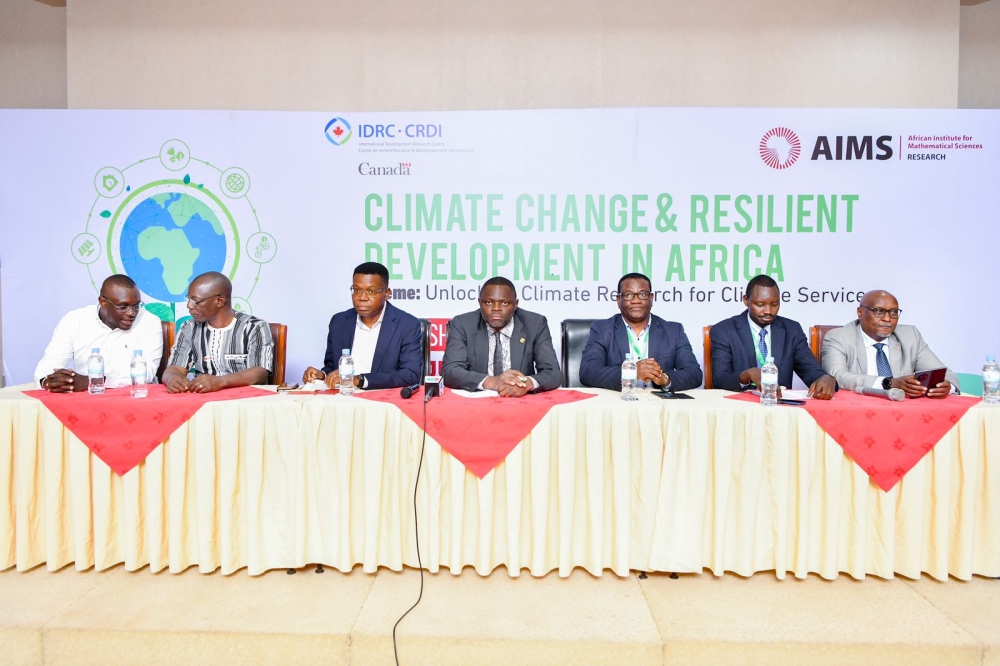
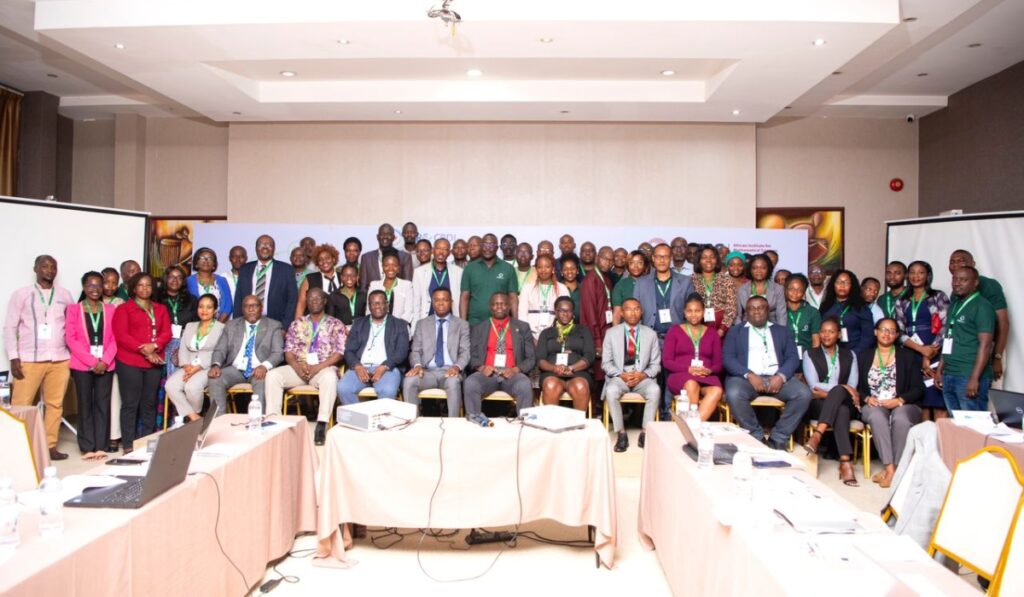
Researchers from across Africa say it is a must for African governments to invest in climate research to find out long-term solutions to the impacts of climate change. They raised the issue on Thursday during the closing of a four-day workshop in Kigali-Rwanda that took place from June 12th to 16th, 2023.
Under the theme “Unlocking Climate Research for Climate Services,” these researchers exchanged knowledge on how to conduct research on Meteorological services and how the later can be used to reduce disasters and other impacts caused by climate change.
The workshop was organized by the African Institute for Mathematical Sciences (AIMS) and it brought together various actors in climate science and climate research and other governments’ agencies working on climate change in Africa, including United Nations Economic Commission for Africa (UNECA), World Meteorological Organisation (WMO), African Centre of Meteorological Application for Development (ACMAD), Rwanda Environment Management Authority (REMA, and the consortium of international Agricultural Research Centres (CGIAR), among others.
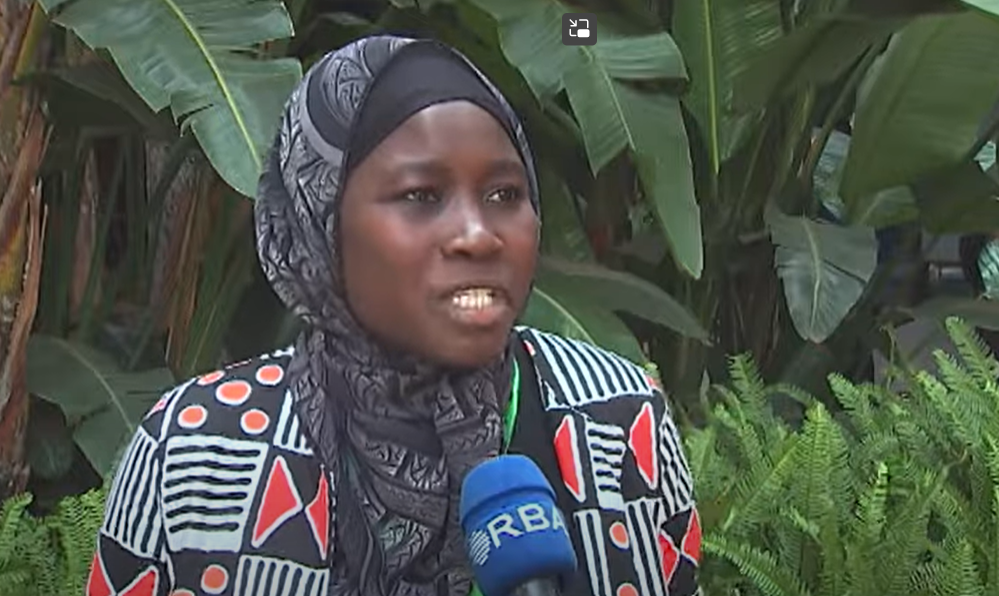
According to Dr. Alima Dajuma’s research, an Ivorian Scholar at AIMS in Kigali, extreme heats are the bad enemies of people as the later affect the living conditions of Africans.
“Climate change is going to affect the living conditions of people, the houses that are being build today are built without considering the climate change, so, there is need to think of energy efficient buildings for people to be able to live in such new conditions, we cannot just stop because the carbon dioxide is already emitted and is doing the effects we are feeling now, what we need to do is just to adapt to that condition, this is what my research shows,” Dr. Alima said.
“When it is too hot, our research shows that these hot conditions are linked to some health problems, like people can develop fatigue, heat cramps or heat collapse, this condition is going to affect even people who are out of those places, from industries and construction sites, this condition will make their work productivity to reduce,” Dr. Alima added.
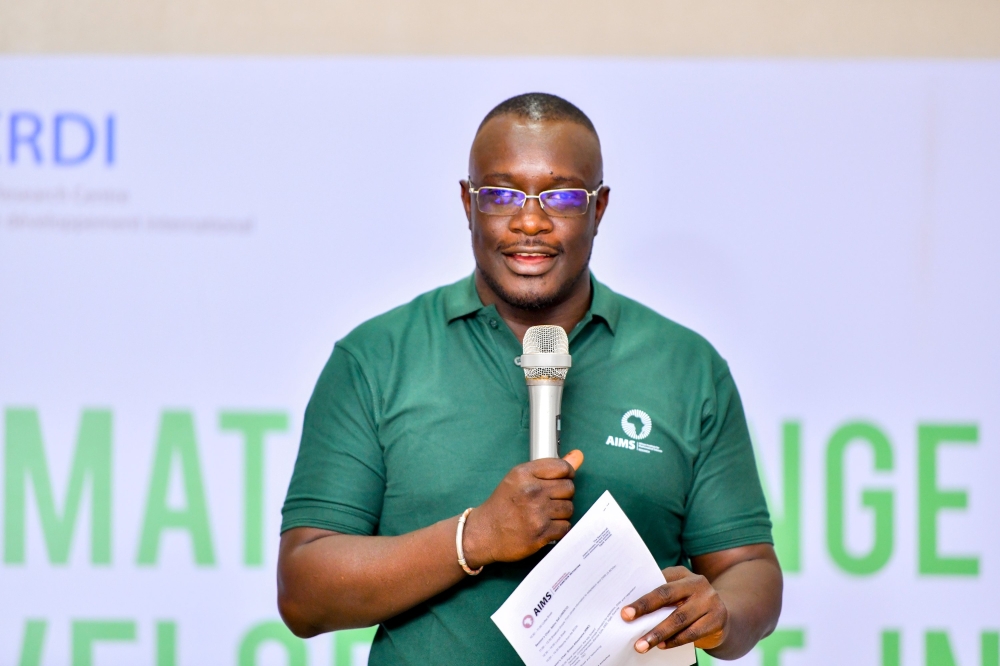
Dr. Mouhamadou Bamba Sylla, the AIMS Research Centre Chair in Climate Change Science, said that Africa is contributing less than 4% to the global emissions and remains the most affected by the effects of climate change.
“Our governments have to start investing in climate research because, whether they like it or not, they need it, donors also have to be more proactive in investing in mitigation and climate research so as to enable Africa’s adaptation,” Dr. Bamba said.
He called on African governments to build strong communication with scientists to make sure they are making informed policies by using research findings for development planning.
“In the narrative of climate services, always add climate change information. Include research scientists in continental or regional initiatives so that they can bring these components in all initiatives,” Dr. Bamba added.
AIMS states that Africa must unlock climate research for climate services as it is one of the regions in the world where climate risk is high due to the increased frequency and intensity of hazards, high vulnerability, and a lack of appropriate responses and means.
“Last month, landslides claimed over 130 lives in Rwanda, while more than 440 people died as a result of the massive flooding and mudslides in South Kivu province of the Democratic Republic of the Congo. However, despite the increased frequency of extreme events, most of the climate information available in Africa is mainly weather forecasts and seasonal predictions. As the climate warms, climate information is key and should inform sustainable development in Africa,” reads the recent statement by AIMS.
Africa must invest in climate research
“To achieve national development plans and the African development agenda (Vision 2063), Africa must invest in climate research to understand how future climate trends are likely to impact the development plans. AIMS, through its Mathematical Sciences for Climate Resilience programme, is helping to address the climate data gaps in Africa, but more needs to be done.” The statement adds.
theinspirerpublications@gmail.com





Leave a Reply