
Rwanda Commission for UNESCO sets guidelines for commercialization of ICT equipment for PWDs
By Elias Hakizimana.
Rwanda National Commission of UNESCO (CNRU) has established new guidelines to streamline procurement of ICT equipment for Persons With Disabilities (PWDs) in Rwanda.
Various concerned institutions on these guidelines met in Kigali on April 25, 2022 and shared ideas regarding how the document can be refined and validated to ensure effective accessibility of the tools that facilitate PWDs to enjoy inclusive digitalization.
Speaking during this validation meeting, Ir.Dominique Mvunabandi, Director of Science and Technology Unity in Rwanda National Commission for UNESCO said that the guidelines were set in December 2021 and aim at easing the process of buying ICT equipment for PWDs.
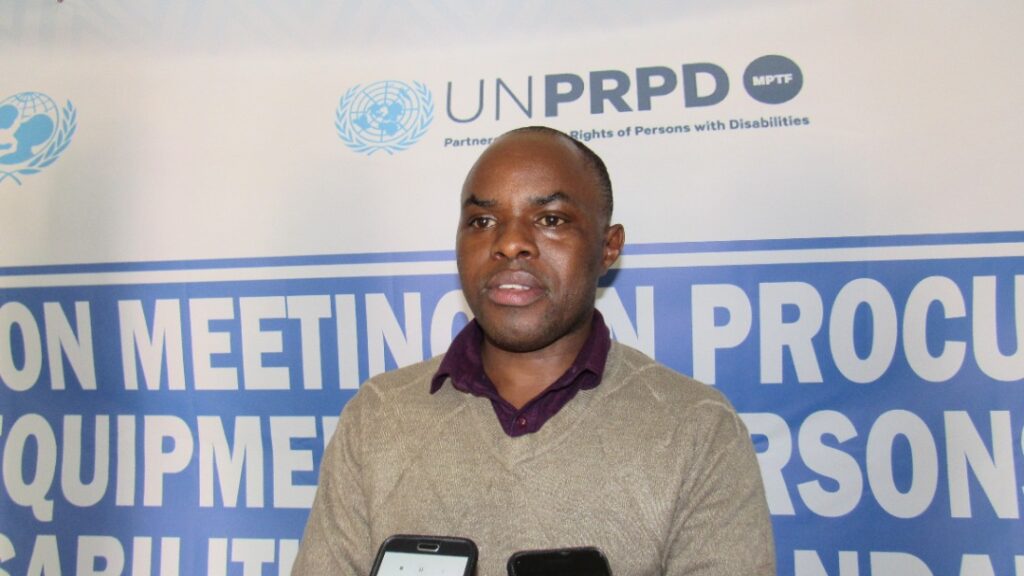
“After every concerned person’s inputs, there will be an official dissemination and communication of these guidelines and the document will be handed to various institutions.” Mvunabandi said.
The guidelines will contribute towards streamlining policies and programmes across most sectors that are still not inclusive of the needs and rights of persons with disabilities.
It has been observed that typical, attitudinal, systemic, informational or communicational and environmental barriers constitute hindrances for persons with disabilities to access social, education, health, and other services and a very huge challenge is in procuring affordable and accessible ICT equipment for Persons with disabilities.
The guidelines were developed under the framework of the Accessible Digital Textbooks (ADT) project, focusing on promoting inclusive education through accessible digital textbooks, funded by the UN Partnership on the Rights of Persons with Disabilities (UNPRPD) with the support of UNESCO Regional Office for Eastern Africa.
Different partners, Government, Civil society Organizations, Development partners, Private Sector and Organizations of Persons with Disabilities (OPDs) also contributed in translating the information to the document.
“The document will help different entities having responsibilities of employing and educating persons with disabilities to know what to improve on while giving services to PWDs. Nvunabandi explained.
As they become operational, the guidelines will complement the Smart Rwanda Master Plan (2015-2020) that aims to power Rwanda’s socio-economic transformation towards a knowledge-based economy through innovative, information-driven and ICT – enabled solutions.
Policies to consider
ICT policies define and promote the procurement, utilization and disposal of ICT hardware and software as well as their management within the organization. ICT policies help the organisation to procure appropriate ICT equipment, to ensure proper usage and to enhance their value in the operations of the organization and for the users.
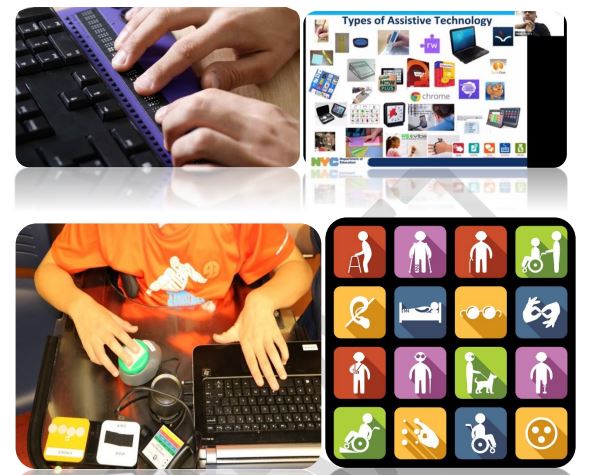
The ICT equipment bought through the new procurement guidelines will help for example users with total loss of sight to easily access the keyboard, audio output control with the braille display devices.
For users with limited visual ability, the devices will enable them for text adjustment, zooming and colour contrast manipulation; and, the guidelines also considers audio output capabilities and alternative to audio notification for users with loss of hearing.
Emmanuel Murera, CNRU consultant who contributed to this project said that the existing disability mainstreaming was not clear most especially when it comes to dissemination of ICT equipment to PWDs.

“The new guidelines are now clear as they draw comprehensive implementation strategy and will also look at affordability of the ICT equipment.” Murera said.
The official launch of the guidelines of the procurement of ICT equipment for Persons With Disabilities (PWDs) in Rwanda will follow the validation of the document and consultation of all concerned authorities.





Leave a Reply