
Research points out that modern fertilizers, pesticides remain threats to Biodiversity
By Elias Hakizimana.
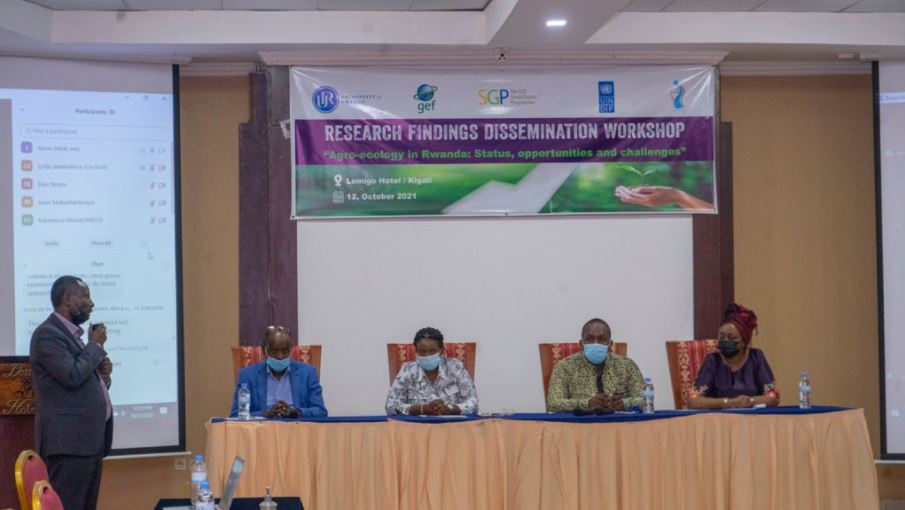
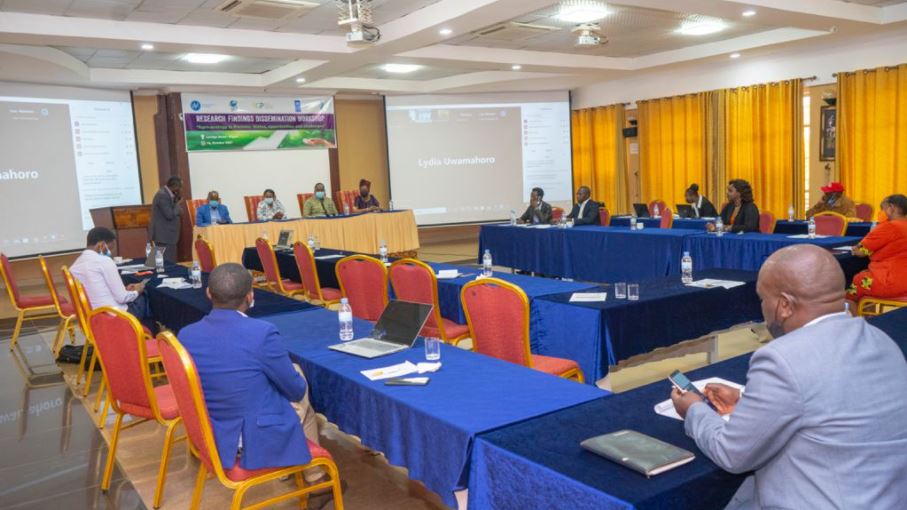
The new research conducted by the University of Rwanda (UR) in partnership with Nile Basin Discourse Forum (NBDF) revealed that some modern fertilizers and pesticides have negative effects on human health and biodiversity.
The research aims at increasing organic agriculture production by adopting agro-ecology practices in order to have organic crops.
In this research, it was found that current agriculture practices harm animals due to pesticides including rockets and spermetrine that are sprayed in Irish potatoes and maize according to Professor Elias Bizuru, a lecturer at the University of Rwanda who conducted the research.
Among the vulnerable animals that used to be killed by such fertilizers include fishes and other aquatic animals. It also found out that bees and honey production reduced.
“We still need to conduct further research to reveal other consequences they have on human health.” Bizuru noted.
“We recommend that there must be a sensitization campaign for a deep research to find out solutions on these pesticides that undermine biodiversity and humans, to see if they can be replaced or revise the manner they are sprayed so that they do not cause such consequences. While we are waiting for new pesticides to replace them, we wish having deep research to help citizens how to spray the existing pesticides.” He added.
The research done in U.S.A showed that spermetrine pesticide may cause cancer.
Crescence Mukantabana, member of NBDF in charge of gender equality said that their role in the research as NBDF is that they worked with consultant researchers to find out the consequences of fertilizers on human health and on environment, pledging to make advocacy on them as members of the civil society,
“Our job is to conduct research based advocacy and engage all concerned levels including policy makers and citizens so that farmers so that we all together expose the consequences of pesticides and fertilizers on human health and on the soil.” Mukantabana said.
Innocent Bisangwa, in charge of environment and climate change in agriculture in the Ministry of Agriculture and Animal Resources (MINAGRI) thanked the University of Rwanda for the research done as it helps in the implementation of set policies.

“Currently when people use excessive quantity of modern fertilizers and pesticides, the consequences arise and undermine biodiversity around the farms, but we are waiting for furtherer investigations to prove that scenario.” He said.


Leave a Reply