
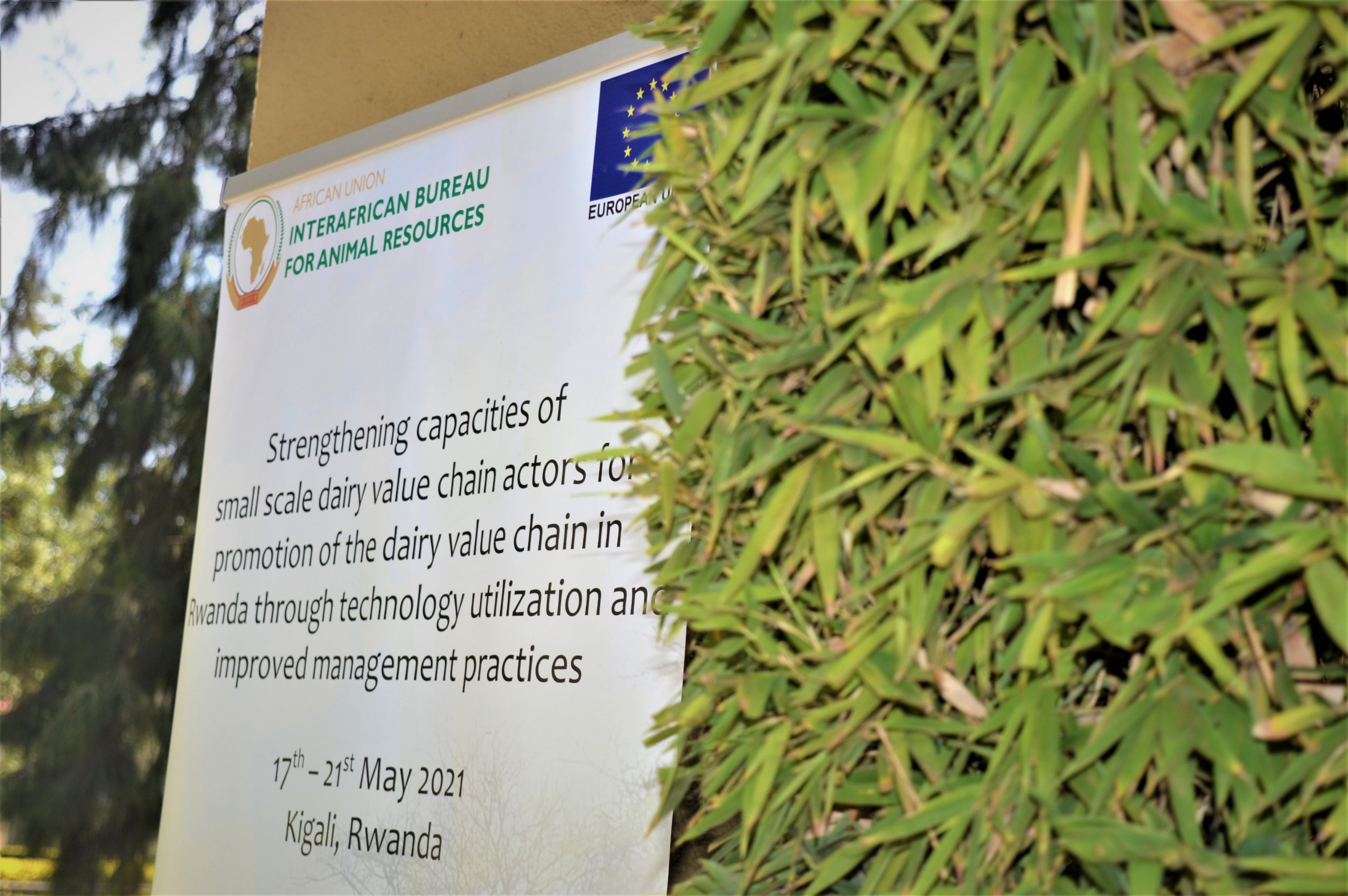
Rwandan Youth and Women to get knowledge boost in dairy value chain technologies
By Elias HAKIZIMANA.
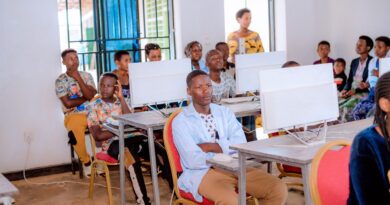
The African Union Inter-African Bureau for Animal Resources (AU-IBAR) is currently conducting a training of trainers’ workshop from 17-21 May 2021 in Kigali, targeting women and youth milk sellers, processers, and national extension officers.
Rwandan youth and women small scale farmers are going to be supported in technology utilization and improved animal management within dairy value chain.
This knowledge will be delivered through the training and workshop organized by Rwanda National Dairy Development Project (RNDP) in partnership with Rwanda Agricultural and Animal Resources Development Board (RAB) under the sponsorship of the European Union.
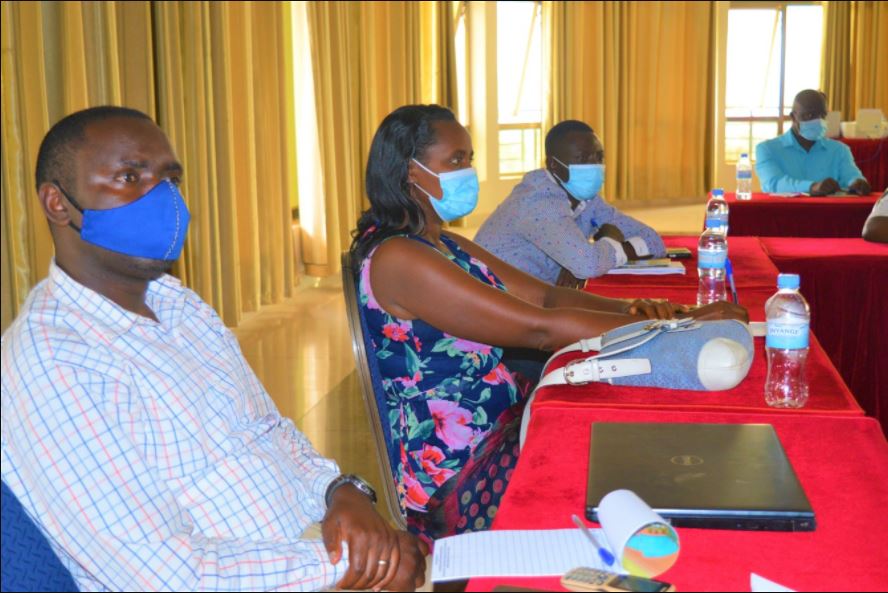
AU-IBAR is providing support to small-scale farmers in Rwanda by strengthening capacities of the dairy value chain in Rwanda through technology utilization and improved animal management.
The support is being made through several activities notably: -Assessing the types of milk handling, transportation, and storage facilities in participating cooperatives; Identifying priority training needs as well as critical challenges to their businesses; Training members of the women and youth cooperatives on milk collection, milk hygiene, milk handling, and storage through technology utilization and improved management practices; as well as equipping women and youth cooperatives involved in milk collection, handling, and selling in Kayonza and Nyabihu Districts through technology utilization and improved management practices;
Several key results are expected from this action, such as the compilation of an inventory of different types of milk handling, transportation, and storage facilities; Identification of gaps in skills and equipment of Women and youth cooperatives involved in milk collection, handling, and marketing in Nyabihu and Kayonza Districts; and skill development for extension agents and members of cooperatives on milk hygiene, handling, quality assurance and marketing through technology utilization and improved management practices.
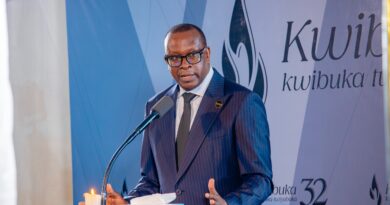
Speaking during the official opening of the capacity building workshop, AU-IBAR’s Officer in Charge, Mr. Talal Kishlaf noted the importance of capacitating smallholders being involved in the dairy value chain through training programmes in modern technologies and innovations. He particularly noted that strengthening farmer’s capacities ensures that they can appropriately utilize additional skills in technology to boost production and productivity.
The training comes at a reasonable time, given the impact of COVID-19 on milk processing and trade.
AU-IBAR is contributing towards efforts being made at the national level to address such gaps, such as efforts being made by Rwanda National Dairy Platform (RNDP) and the Rwanda Agriculture and Animal Resources Development Board (RAB) are developing different interventions to improve milk quality and markets.
Overall, the training will also promote better standards in a sector that informal traders dominate. As a result, of this intervention, AU-IBAR’s OIC further noted that the training of trainers’ workshop would be the catalyst to boost key stakeholders into practical utilization and uptake of knowledge systems, thus driving an increase in the dairy livestock value chain.
Dr John Musemakweli, Executive Secretary of RNDP said that: “We want to develop the dairy value chain in Rwanda with more technologies and innovations. We need more youth and women to join Agribusiness. Women are good at taking care of livestock and they must be involved in the sector.”
Dr Théogène Rutagwenda, Director General of Animal Resources from the Ministry of Agriculture and Animal Resources (MINAGRI) commended efforts by AU-IBAR in organizing such a workshop. He said that livestock farming especially cows has grown tremendously and requested trainees to use the acquired knowledge for community interests.
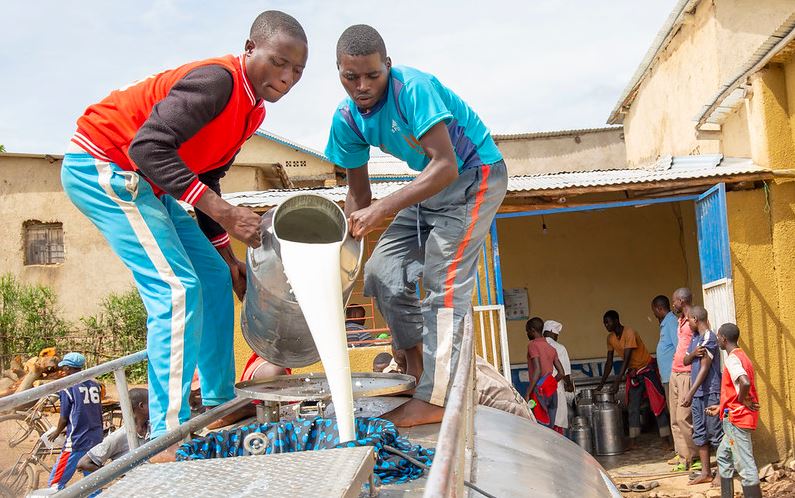
He said that the Government of Rwanda has a current partnership with the African Union in livestock development.
In December 2019, African Union Inter-African Bureau for Animal Resources (AU-IBAR) in partnership with Rwanda Youth in Agribusiness Forum (RYAF) launched Rwanda Chapter of African Youth in Livestock, Fisheries, and Aquaculture Incubation Network (AYL-FAIN).
About RNDP
Rwanda National Dairy Platform (RNDP) is a private organization of dairy industry business professionals operating in various milk value chain segments in Rwanda which is comprised of smallholder dairy such as cattle breeders and the organization of consumers, medium dairy industry entrepreneurs, and biggest milk processors.
The strategic vision of RNDP is to increase the production of high quality and competitive dairy products for health and poverty reduction by improving the livelihoods of the producers and ultimately contribute to the national economy.



Leave a Reply