
Why Rwanda gives its baby gorillas names — and why the tradition matters
By The Inspirer.
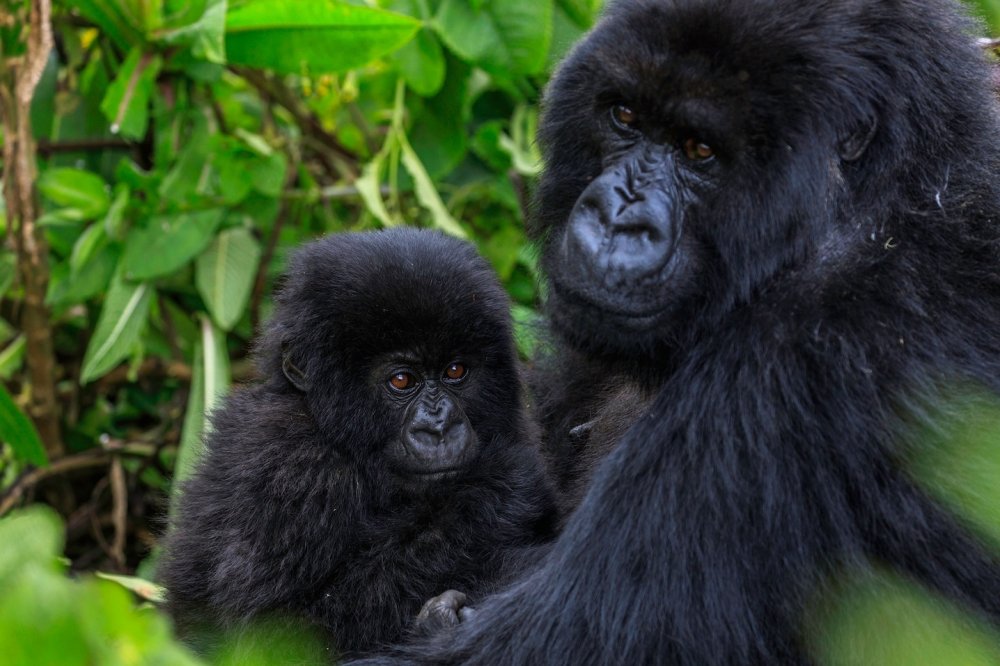
When a baby mountain gorilla receives a name in Rwanda, it is more than a ceremonial moment.
The name connects an individual gorilla to a story — of Rwanda’s culture, conservation ambitions and the growing global attention surrounding one of the world’s most endangered great apes.
At the 21st Kwita Izina ceremony in Kinigi, Musanze District, 22 baby mountain gorillas were given names by an international group that included football legends, an Olympic champion, business leaders, filmmakers, conservationists, philanthropists and Rwandan public figures.
The ceremony has become one of Rwanda’s most distinctive conservation traditions since it was launched in 2005.
This year’s names brought together ideas ranging from courage and leadership to unity, protection, determination and resilience.
Former Manchester United and France captain Patrice Evra named a gorilla Muganura, drawing on Umuganura, Rwanda’s traditional harvest and thanksgiving celebration.
Former Paris Saint-Germain captain Mamadou Sakho chose Intwarane, referring to people fighting for a common goal, while former Wales international James Chester named one Indongozi, meaning an outstanding leader.
Qatari Olympic champion Mutaz Essa Barshim chose Tarama, meaning to socialise or come together.
Other names carried similarly strong messages.
David Lappartient, president of the Union Cycliste Internationale, named a gorilla Muhuza, meaning one who brings people together.
Rwandan gospel singer Israel Mbonyi chose Impeta, a symbol of recognition, while filmmaker Marie-Clémentine Dusabejambo named a gorilla Ubukaka, meaning majesty.
Shaikha Al Nuwais, incoming Secretary-General of UN Tourism, chose Ishakwe, meaning determination. The name also refers to a small drum that sets the rhythm for others — a symbol of how even those who are not the biggest or loudest can make a difference.
“I am so determined to make a difference to Rwanda and in Africa during my mandate,” she said.
Other names emphasised strength and protection.
Paul and Christine Danforth chose Shikama, meaning to stand strong. Garreth and Nicola Wood named a gorilla Ingabonzima, meaning protector, while Francesco Calvo selected Ngoga, meaning brave or courageous.
Olivier Granet chose Mucyo, meaning light, linking the name to the role mountain gorillas play in protecting Rwanda’s biodiversity.
Dominique Plewes went with Komezutsinde — keep winning — while Neil McDougall chose Uruhembe, meaning “on the frontline.”
For Rwanda, however, the significance of Kwita Izina extends beyond the names themselves.
The annual ceremony has helped turn gorilla conservation into a national and international platform, bringing together government officials, conservationists, communities, celebrities, investors and global partners around the protection of the species and its habitat.
The tradition also gives visibility to individual gorillas and the families into which they are born, rather than treating the species simply as a population figure.
Each baby has a mother, a family group and a place within the wider gorilla community.
The 22 gorillas named this year bring the total number named through Kwita Izina since 2005 to 460.
The growing number is also a reminder of how far Rwanda’s conservation story has travelled.
Once threatened by habitat loss, poaching and other pressures, mountain gorilla conservation has increasingly become associated with Rwanda’s broader efforts to protect biodiversity while linking conservation to tourism and surrounding communities.
In that context, a gorilla name can carry several meanings at once — a cultural reference, a personal message from the namer and a statement about the values Rwanda wants associated with its conservation story.
That may be the enduring power of Kwita Izina: each year, a simple act of giving a newborn gorilla a name becomes an opportunity to remind the world why protecting its future matters.


Leave a Reply