
Why comprehensive sexuality education is needed in schools
By Michel Nkurunziza.
There is a need to strengthen the integration of Comprehensive Sexuality Education (CSE) and Sexual and Reproductive Health (SRH) into school curricula and health programmes, Rwanda Women Adolescent and Child Health Initiative (RWACHI) said.
The need was expressed on June 12, 2024, during a one-day joint action workshop of health and education sectors on comprehensive sexuality education in schools.
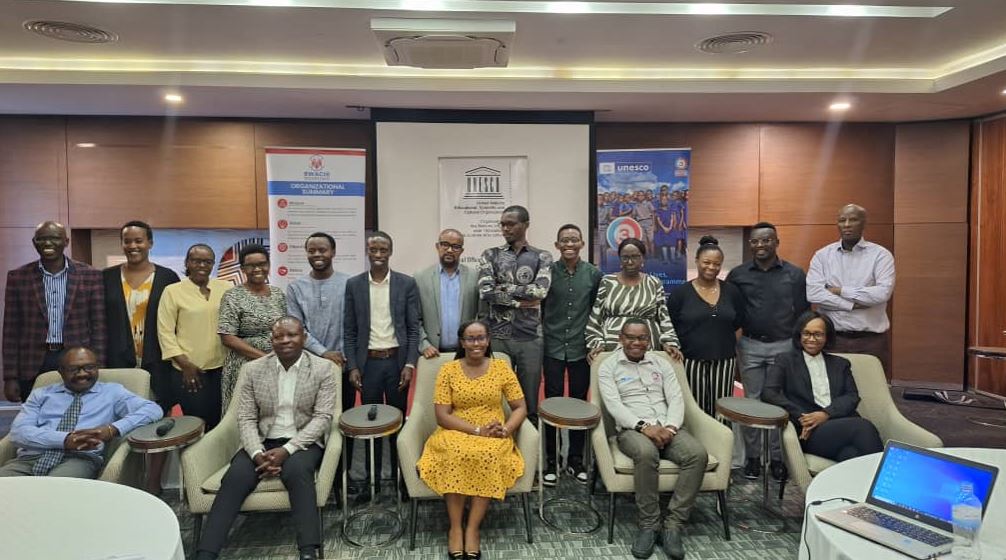
Participants during the workshop
Health professionals, educators, policymakers, advocates, researchers, and other stakeholders involved in CSE delivery in Rwanda were brought together for this workshop.
The workshop dubbed “Collaborative Approach: Integrating Comprehensive Sexuality Education between Health and Education Sectors” aimed to facilitate dialogue, knowledge sharing, and collaborative efforts between professionals in the health and education sectors.
This project seeks to enhance the delivery of Comprehensive Sexuality Education (CSE) by bridging the gap between these two critical sectors in Rwanda.
“By fostering collaboration between the health and education sectors, this project seeks to address this gap and improve the quality of CSE delivery in Rwanda,” said Jacques Nsengiyumva, the Executive Director of Rwanda Women Adolescent and Child Health Initiative (RWACHI) said.

Jacques Nsengiyumva, the Executive Director of Rwanda Women Adolescent and Child Health Initiative (RWACHI).
The key topics for the workshop include understanding the importance of comprehensive sexuality education in promoting healthy behaviors and reducing risks, exploring the roles and responsibilities of the health and education sectors in delivering CSE, sharing successful initiatives and case studies of collaborative efforts between health and education sectors, identifying challenges and barriers to implementing CSE and developing solutions as well as developing action plans for joint projects and partnerships to improve CSE delivery.
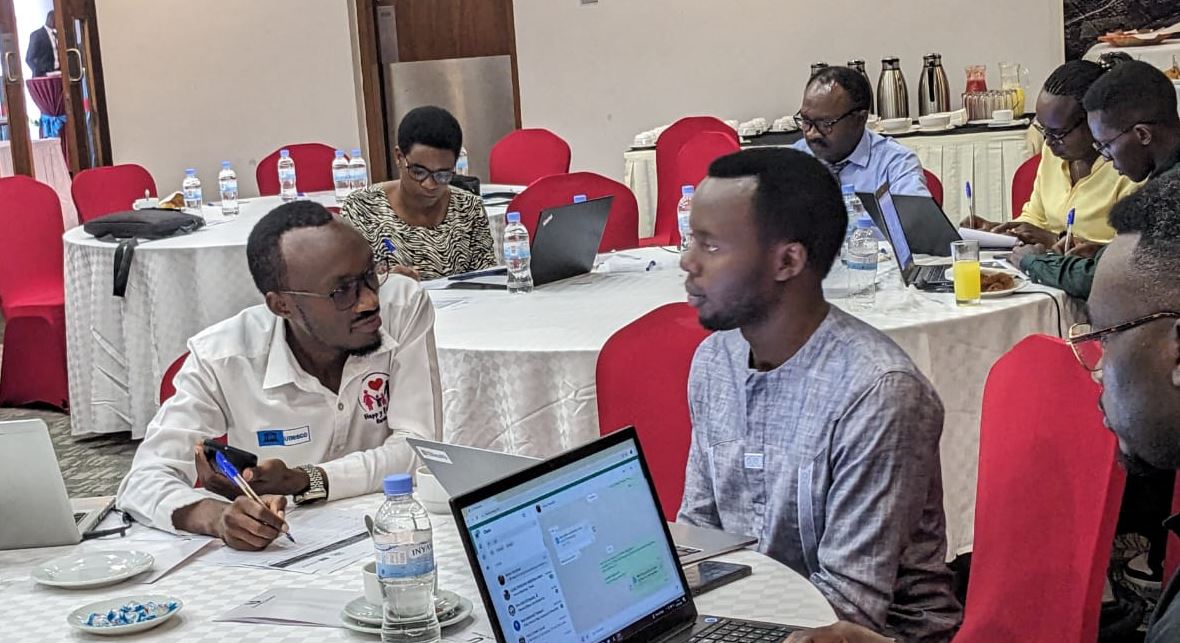
Health professionals, educators, policymakers, advocates, researchers, and other stakeholders involved in CSE delivery in Rwanda were brought together for this workshop.
“Rwanda recognizes the importance of CSE in promoting Sexual and Reproductive Health, empowering young people, and reducing vulnerabilities. However, there is a need to strengthen the integration of CSE into school curricula and health programs. By fostering collaboration between the health and education sectors, this project seeks to address this gap and improve the quality of CSE delivery in Rwanda,” he said.
He said Comprehensive Sexuality Education can help eliminate teen and unwanted pregnancies and HIV/AIDs transmission.
Sub-Saharan Africa remains the region most affected by the HIV epidemic, early and unintended pregnancy (EUP), and gender-based violence according to UNICEF.
Three out of four new HIV infections among those aged 15-19 are among young women, and seven out of ten young women have limited knowledge about HIV, as UNAIDS reported in 2021.
Sexual and Reproductive Health (SRH) issues are also among the key concerns affecting the well-being of women and girls.
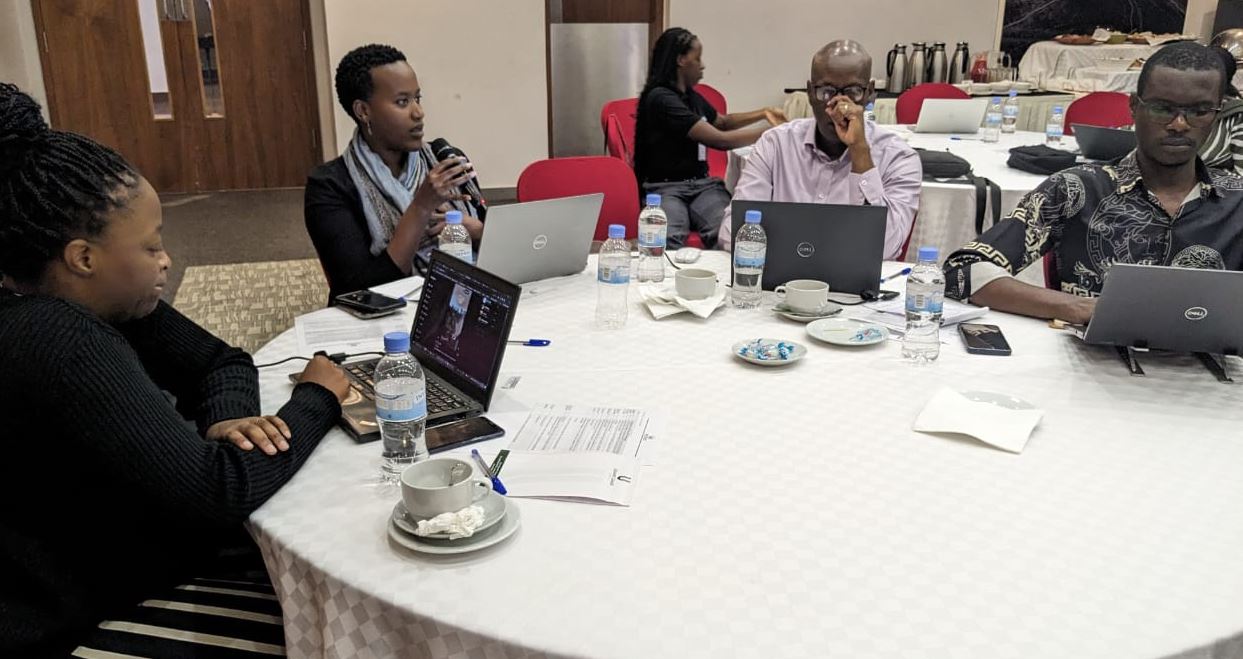
Health professionals, educators, policymakers, advocates, researchers, and other stakeholders involved in CSE delivery in Rwanda were brought together for this workshop.
In Rwanda, young people constitute the majority of the population, but they encounter difficulties accessing SRH information and services, especially contraceptive services according to Rwanda Biomedical Center.
The latest Demographic and Health Survey (DHS) indicates that there is a high unmet need for contraception among unmarried sexually active women aged 15-29 (56%).
Adolescents in Rwanda face significant challenges accessing SRH information and services because of the belief that they should not engage in sexual activities and therefore should not need access to SRH information and services without parental consent.
According to health experts, discussions about sexual and reproductive health are often considered taboo by many parents of adolescents, making it difficult for young people to obtain SRH information.
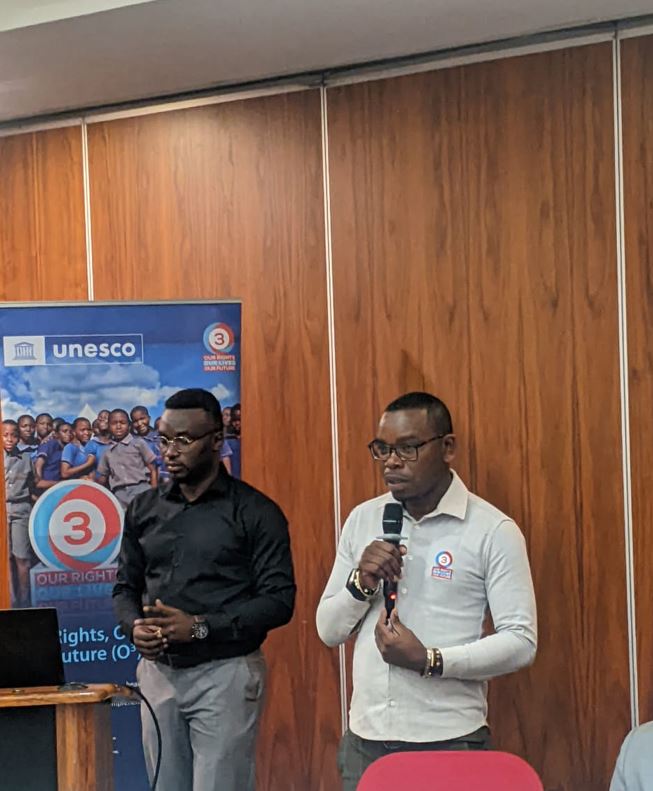
Ben Alexandre MPOZEMBIZI (PhD) National Project Officer (Education for Health and Wellbeing)
UNESCO Regional Office for Eastern Africa
Rwanda Antenna/Kigali presented Brifief on O3 Programme
In schools, SRH information is often inadequate, and teachers are not adequately prepared to deliver comprehensive sexuality education in a non-judgmental, stigma-free manner.
“Without parental guidance, adolescents often seek SRH information from their peers and social media, which can lead to misconceptions and risky behavior,” Nsengiyumva said.
As result, the teenage pregnancy rate in Rwanda is on the rise.
“It is essential to recognize that unrestricted access to SRH information and services is critical in preventing early and unwanted pregnancies, HIV, STIs, and other SRH issues.
Dr.Alexandre Mpozembizi, the National Project Officer (Education for Health and Wellbeing) UNESCO Regional Office for Eastern Africa, through the UNESCO “Our Rights, Our Lives, Our Future” (O3) program, in collaboration with the government, local NGOs, CSOs, and other service providers, various activities have been planned to ensure supportive legal frameworks and appropriate services and information are available to young people, empowering them to make informed choices about their SRHR and access friendly services in their communities.
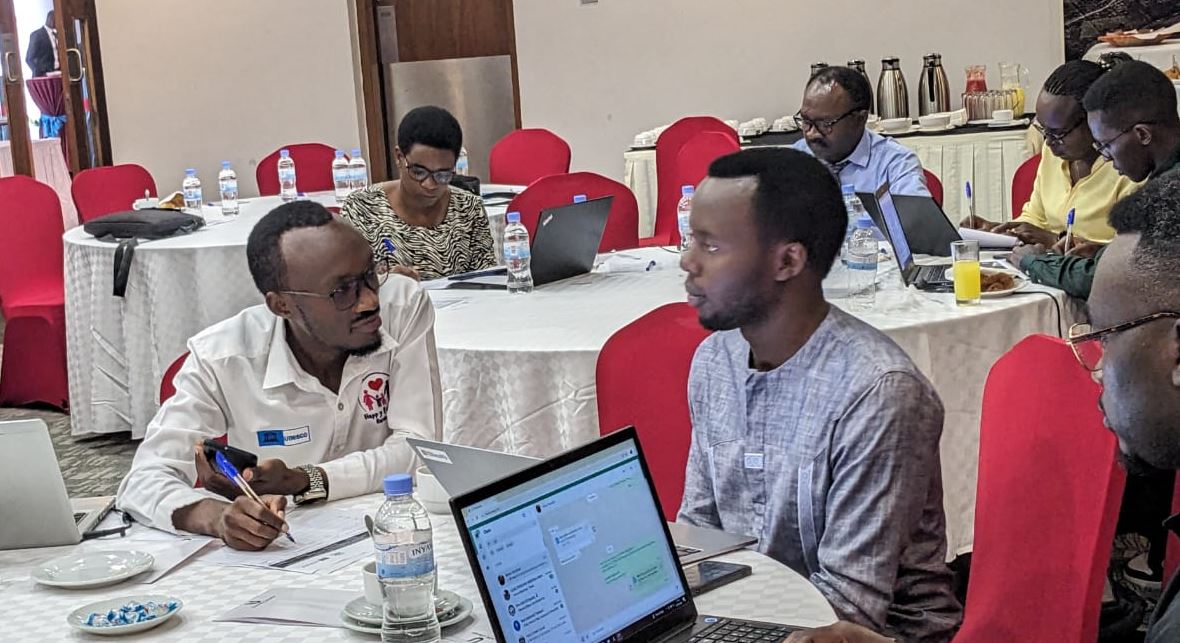
Health professionals, educators, policymakers, advocates, researchers, and other stakeholders involved in CSE delivery in Rwanda were brought together for this workshop.
This will lead to improved SRHR outcomes for adolescents and young people and a more supportive environment for their SRHR and well-being.
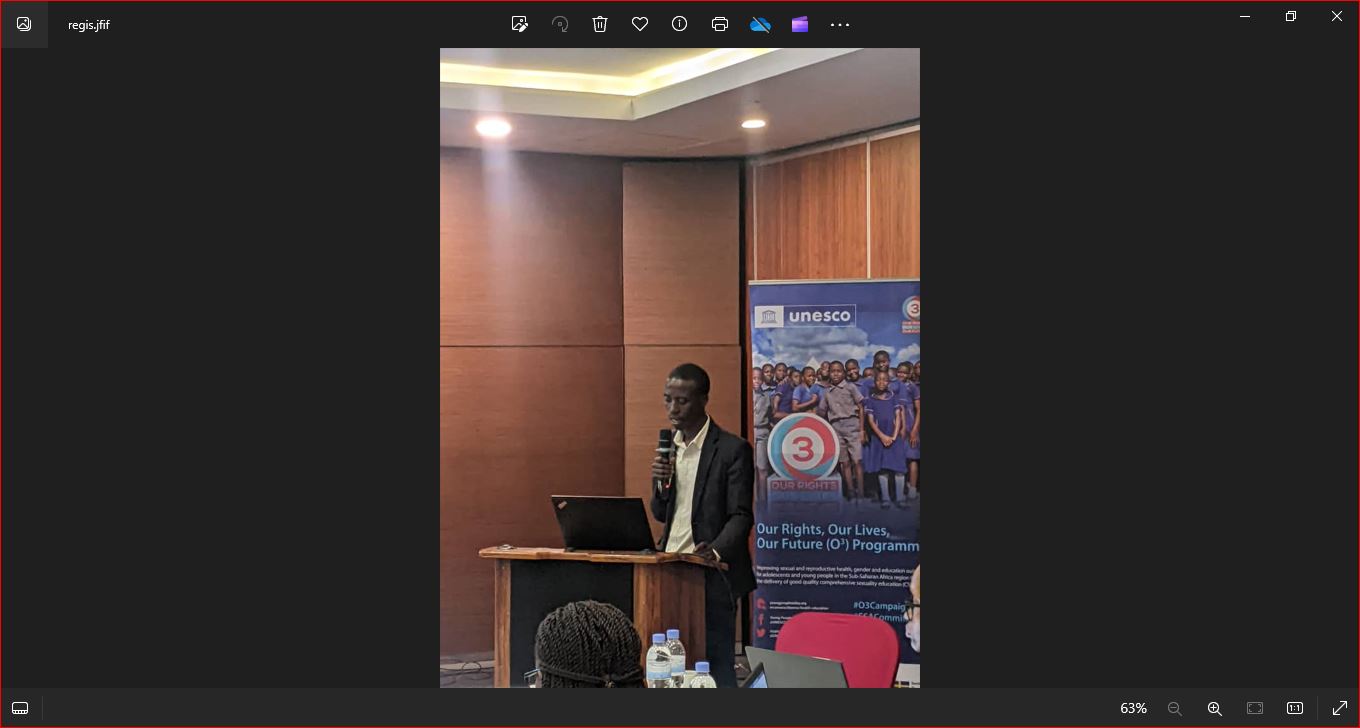
Dr.Francois Regis Cyiza, the Director of Child and Maternal Health Programs at Rwanda Biomedical Center (RBC).
According to Francois Regis Cyiza, the Director of Child and Maternal Health Programs at Rwanda Biomedical Center (RBC), Adolescent Sexual and Reproductive Health and Rights (ASRH&R) include awareness raising, provision of contraception including emergency ones, HIV prevention services, maternal health services, HPV vaccine, GBV services.
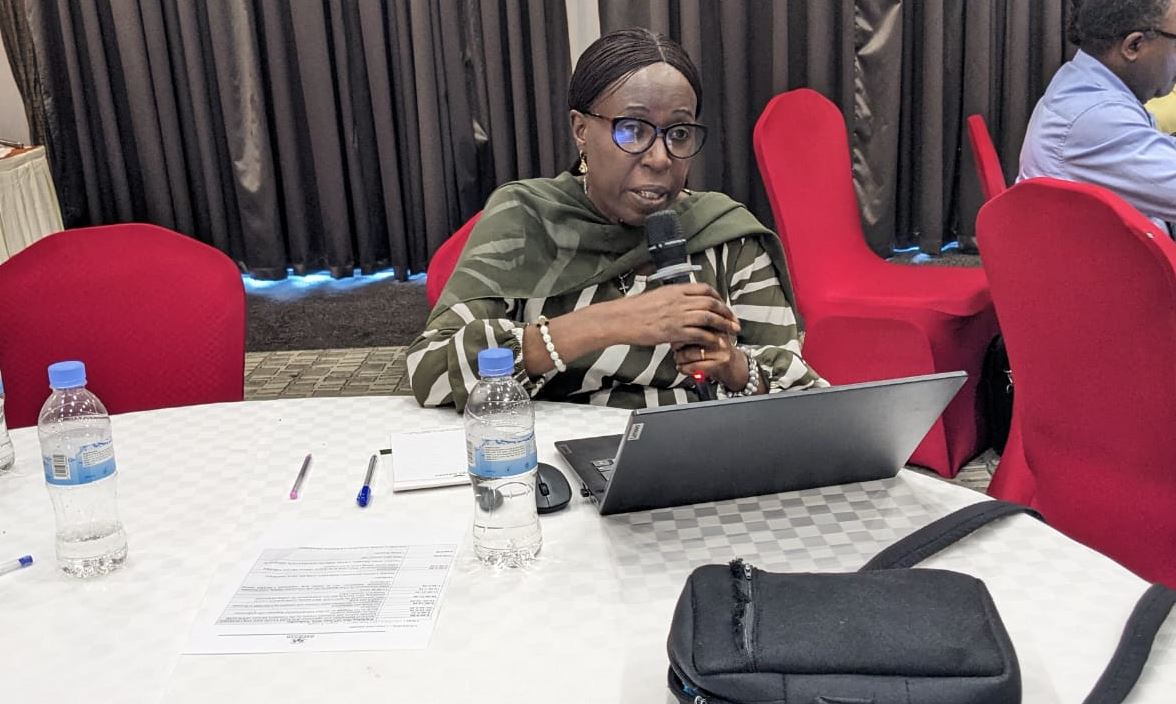
Julienne Mukayirege, the Special Needs and Inclusive Education Unit (SNIE Unit) Ag. Director at REB presented the Achievement and Situation on CSE/SRH in Rwanda
“We need interventions such as capacity building for healthcare providers, youth friendly services through corners, comprehensive sexuality education outreach by health centres, youth centres, youth clubs adolescent peer educators among others,” he said.
Every year, over 380,000 adolescent girls and young women aged 15-25 become infected with HIV globally due to lack of Adolescent Sexual and Reproductive Health and Rights awareness.
At least 4,900 of them become infected with HIV every week in Sub-saran Africa.
HIV infection among adolescent girls and young women constitutes 67 per cent of new infections among young people.



Leave a Reply