
UN sanctions two senior FDLR commanders as pressure mounts on armed groups in eastern DRC
By The Inspirer.
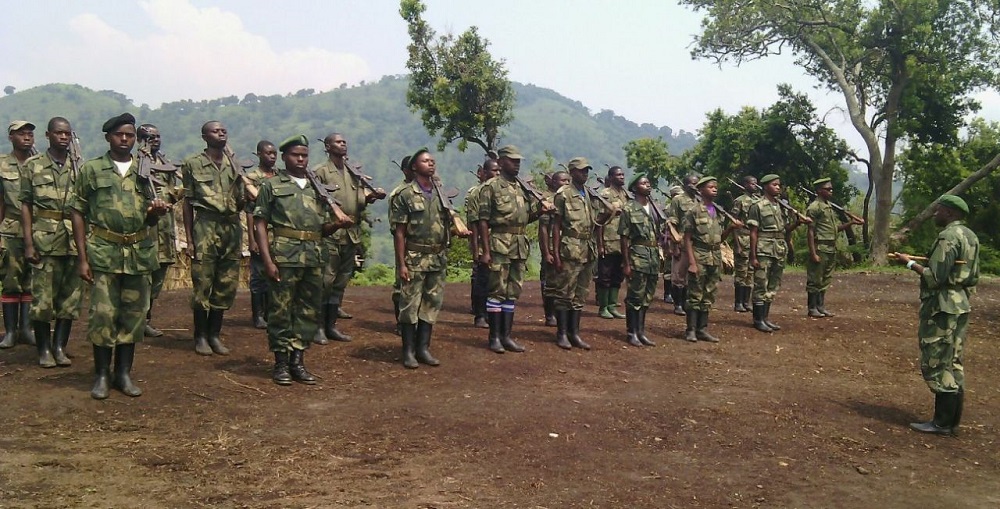
The United Nations Security Council has imposed sanctions on two senior commanders of the Democratic Forces for the Liberation of Rwanda (FDLR), targeting leaders it says continue to fuel insecurity and instability in eastern Democratic Republic of Congo (DRC). The move is part of a broader package of sanctions against commanders from several armed groups operating in the region.
The newly sanctioned FDLR leaders are Brig. Gen. Sebastien Uwimbabazi, also known as Gilbert Kimenyi or Nyembo Kimenyi, and Col. Gustave Kubwayo, alias Sirkoof.
In its designation, the UN identifies Uwimbabazi as one of the FDLR’s senior military leaders. Born in 1968 in Murunda Sector, Rutsiro District, he is believed to be operating in Rutshuru Territory, North Kivu Province.
The Security Council says Uwimbabazi has continued to participate in and support activities that undermine peace, security and stability in the DRC.
Rwandan authorities have previously linked Uwimbabazi to the 1994 Genocide against the Tutsi. He served as a gendarme in Rwamagana, then part of Kibungo Prefecture, before fleeing as the Rwandan Patriotic Front (RPF-Inkotanyi) advanced. He is also accused of supplying weapons to members of the “Dragons” militia, which carried out killings of Tutsi in the former Nyabisindu Commune and surrounding areas.
Kubwayo, the second FDLR commander sanctioned, heads the group’s elite special operations unit, known as CRAP. He assumed command after the death of Protogene Ruvugayimikore, alias Col. Ruhinda, in December 2023.
Born in 1969 in Karago, Nyabihu District, Kubwayo is accused of planning and supporting attacks against civilians, including kidnappings for ransom, and facilitating the illegal exploitation of natural resources in eastern DRC.
The UN action follows sanctions imposed by the United States in June 2026, when Washington designated Kubwayo for leading FDLR intelligence and special operations while accusing the group of driving instability in eastern Congo.
Broader sanctions package
The Security Council also sanctioned AFC leader Corneille Nangaa, AFC/M23 intelligence chief Col. John Imani Nzenze, Brig. Gen. Charles Sematama of the Twirwaneho armed group, and Mohammed Lumisa, a senior logistics and medical official in the Allied Democratic Forces (ADF).
According to the UN, Sematama was designated over allegations that fighters under his command killed civilians, recruited children and carried out activities threatening peace and security. Nzenze was sanctioned for his leadership role within the already sanctioned M23 movement.
FDLR remains a regional security concern
A report by the UN Group of Experts released in late June 2026 concluded that the FDLR remains a major threat to peace and security in eastern DRC and the wider Great Lakes region. The report also alleged that the group has continued rebuilding its military capabilities with support from the Congolese government.
The FDLR claims to have more than 10,000 fighters, while its elite CRAP unit says it has over 20,000 members. Those figures are disputed by international monitors.
UN experts estimate the group’s strength at between 3,500 and 4,500 fighters, while the Washington peace agreement signed in 2025 placed the figure between 3,000 and 3,500. Rwanda’s Defence Force estimated in June 2025 that the group had between 7,000 and 10,000 combatants, arguing that many blend into civilian populations to evade military operations.
The UN sanctions include an asset freeze, a global travel ban and an arms embargo, requiring all UN member states to freeze the listed individuals’ assets, bar them from travelling through their territories and prevent the supply of arms or related assistance to them.


Leave a Reply