
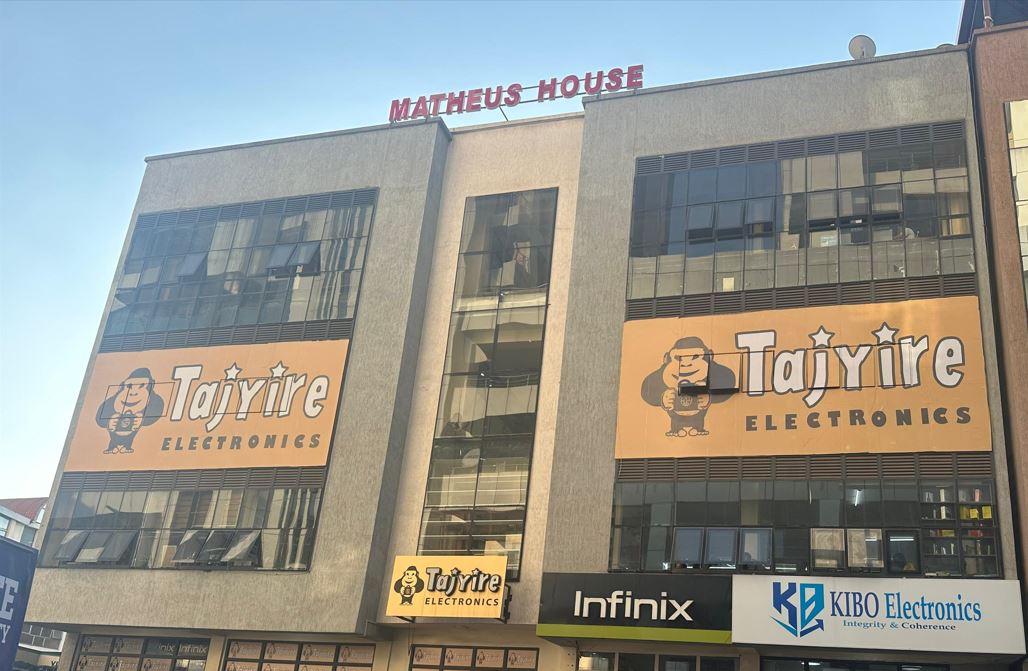
TAJYIRE Secures Multi-Year Master Lease At Matheus House — Transforming Kigali’s Most Iconic Market Into A Modern Electronics & Skills Hub
By The Inspirer.
KIGALI, October 3, 2025 — In a landmark move set to redefine the face of Kigali’s downtown trade, TAJYIRE Group has announced the signing of a multi-year master lease for Matheus House, one of Rwanda’s most historic and strategically located commercial buildings.
The agreement grants TAJYIRE operational control over the entire block — a building long recognized as a symbol of local commerce and entrepreneurship — paving the way for what the company calls a “complete modernization of Rwanda’s electronics ecosystem.”
Under the deal, TAJYIRE plans to transform Matheus House into a unified Electronics Mall and Skills Development Center, bringing together hundreds of small and medium-sized vendors under one professionally managed and standardized environment.
“Matheus is where Kigali comes to trade,” said Lambert Gahungu, TAJYIRE’s Founder & CEO. “Our vision is to honor that legacy by upgrading it — to create a space where quality, safety, trust, and training meet opportunity. This is about transforming a market into an ecosystem.”
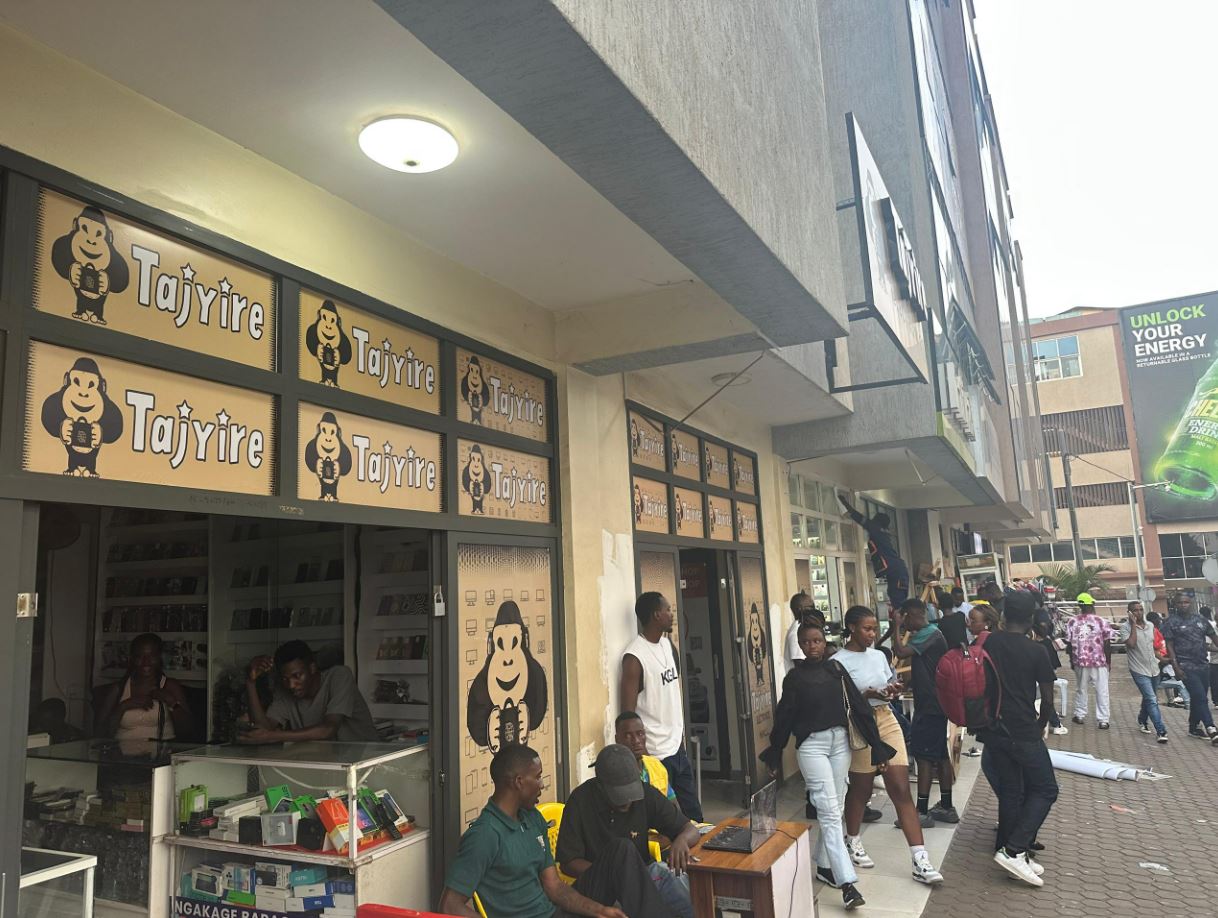
 Matheus House, one of Rwanda’s most iconic commercial buildings, soon to be transformed into the TAJYIRE Electronics Mall and Skills Development Center.
From Informal Stalls to a Structured Marketplace
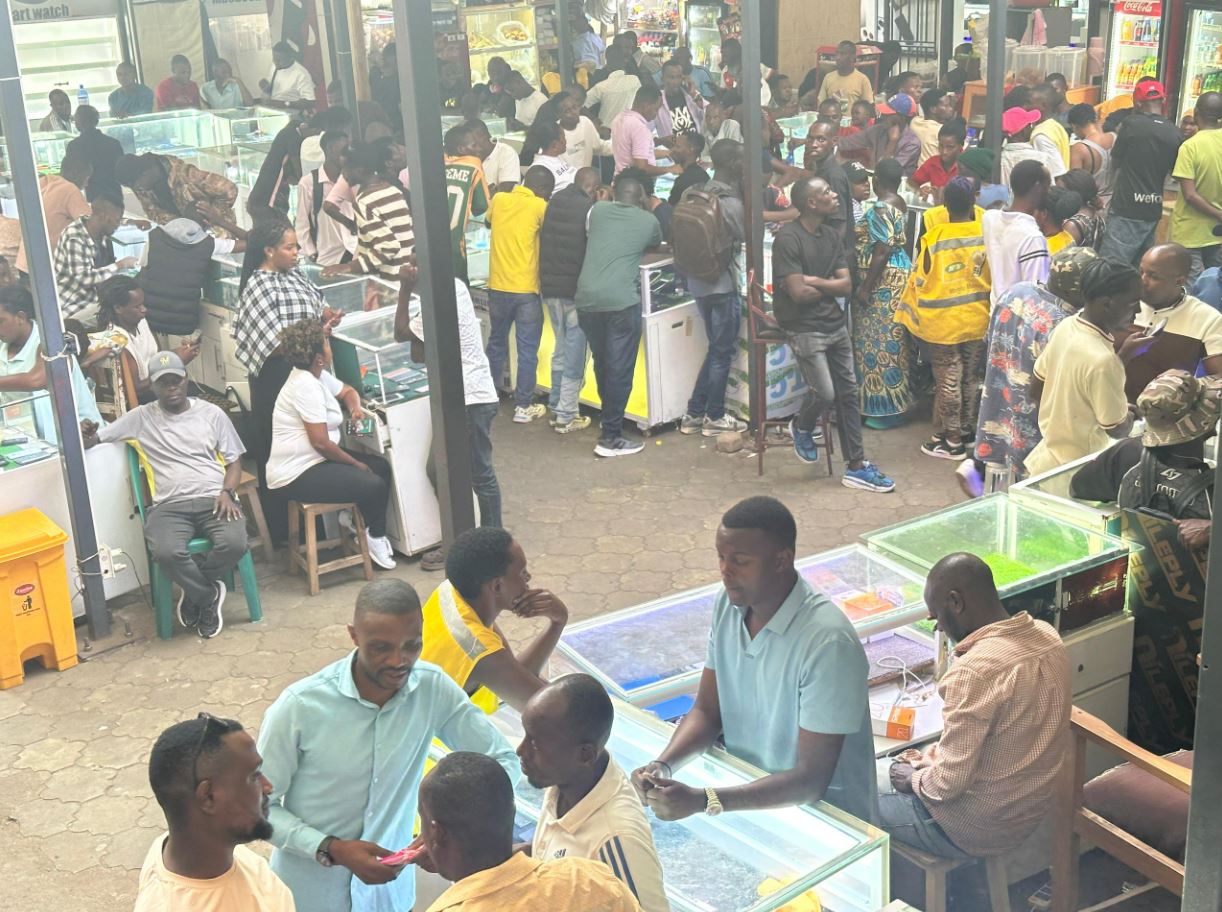
Matheus House — known locally as Karitsiye Mateus — has for decades been a nerve center of Kigali’s retail economy. From mobile phone sellers to electronics repair technicians, thousands of Rwandans have earned their livelihoods under its roof.
Yet despite its economic importance, the building remained fragmented, with vendors operating independently, lacking unified safety standards and offering inconsistent after-sales services.
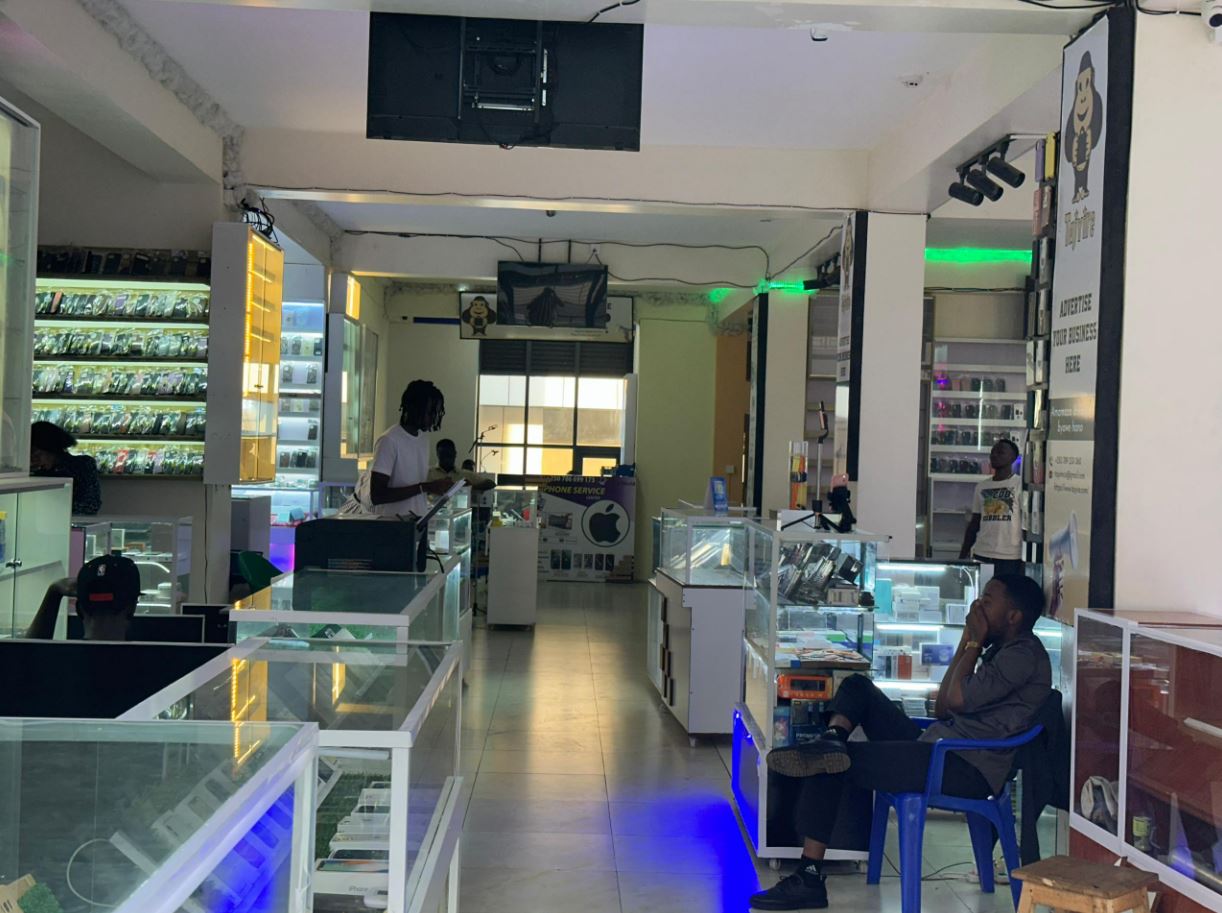
Founded in 2019, TAJYIRE first entered Matheus House in 2022 with an innovative co-renting model designed to formalize how small traders operate. The approach involved leasing large spaces, subdividing them, and enabling small vendors to share rent, marketing, power, and after-sales infrastructure.
That model quickly gained traction — with over 50 businesses joining the TAJYIRE ecosystem within two years, according to reports from The New Times and AllAfrica — generating an estimated Rwf 3 billion in combined annual turnover.
Now, with full-building control secured through the master lease, TAJYIRE is scaling its model from a single floor to an entire complex. The revamped Matheus House will host over 250 electronics retailers in its first phase, alongside dedicated classrooms for technical training and a shared service center offering standardized warranties, repair stations, and consumer support.

“This is not just about leasing space,” Gahungu emphasized. “It’s about creating order, raising quality, and linking every vendor to opportunity. From now on, every customer who buys at Matheus will receive the same receipt, the same warranty, and the same level of service.”
Inside the New TAJYIRE Matheus Model
Under the new structure, TAJYIRE will serve as both operator and developer of the building, overseeing:
- Tenant onboarding – registration, allocation, and orientation on building policies
- Infrastructure upgrades – lighting, fire safety, signage, logistics zones, and customer areas
- After-sales and warranty systems – standardized receipts and shared warranty coverage
- Training Center – two upper-floor classrooms for short bootcamps in electronics repair, diagnostics, digital tools, and business management
- Environmental and social compliance – safety audits, waste management, and energy-efficient retrofits
The TAJYIRE Training Center, piloted earlier this year, will link directly with the shops below, ensuring that trainees are placed into real jobs. Courses will cover board-level repair, customer care, cashflow management, and inventory software — empowering youth to move from informal apprenticeships to certified employment.

Economic Significance and Urban Impact
Observers describe the lease as one of Kigali’s most ambitious private-sector formalization initiatives in the retail sector.
By unifying hundreds of fragmented stalls into one managed ecosystem, TAJYIRE is expected to unlock:
Higher consumer trust through standard warranties and safety guarantees
Improved vendor stability via structured subleases replacing informal daily rent
Youth employment through training-to-job pipelines
Urban order aligned with Kigali’s downtown modernization goals
An internal TAJYIRE impact report projects the redevelopment could support over 1,000 direct and indirect jobs, generate Rwf 5–6 billion in annual economic activity, and contribute significant tax revenue over the next five years.
“Our approach is inspired by cities like Dubai, where modern developers partnered with small traders rather than replacing them,” Gahungu said. “We’re not gentrifying — we’re dignifying. We want Kigali’s entrepreneurs to thrive inside the buildings they helped build.”

Implementation & Phasing
Renovations will proceed floor by floor, allowing businesses to continue operating during upgrades. Phase one — focusing on ground-floor works, signage, and safety — is already under way, with a grand reopening slated for December 2025.
No existing vendors will be displaced; all will have priority access to transition under favorable rent terms and benefit from shared marketing and procurement programs.
TAJYIRE is also working closely with city authorities to ensure compliance with fire safety, accessibility, and zoning requirements.

Beyond the Lease: Building Kigali’s “Emaar Moment”
TAJYIRE likens the initiative to an “Emaar-style” transformation, referencing Dubai’s model of elevating traditional trade districts through public–private partnerships.
“Kigali is ready for locally led development,” Gahungu said. “We don’t have to wait for foreign malls or foreign developers. TAJYIRE proves that Rwandan youth can build modern infrastructure that serves our people and keeps capital at home.”
This project forms part of a broader TAJYIRE ecosystem that includes:
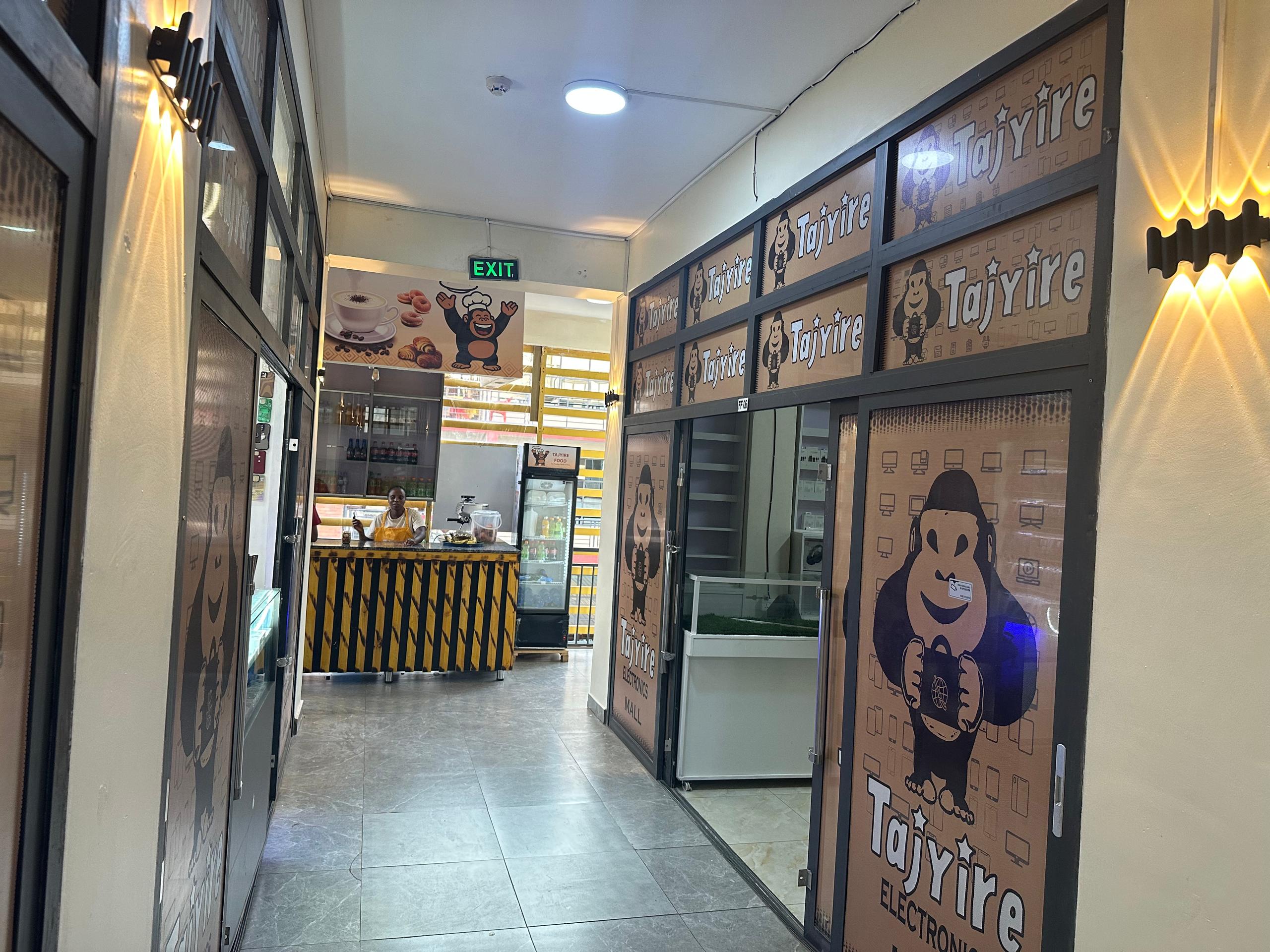
TAJYIRE Electronics Mall – retail aggregation
TAJYIRE Training Center – skills and certification
TAJYIRE Food – hospitality pilot
TAJYIRE FC – youth football outreach
Together, these ventures reflect a strategy to blend commerce, training, and community, modeled on successful global ecosystem developers like Emaar (Dubai) and Alaba International (Nigeria) — but uniquely adapted to Rwanda’s context.
Looking Ahead
Matheus House marks only the beginning of TAJYIRE’s vision. The company is already exploring replication in Rubavu and Huye, targeting clusters of informal electronics stalls for similar modernization.
Plans are also underway to partner with technical colleges to accredit TAJYIRE’s training programs, providing nationally recognized certifications.
While challenges remain — including affordability, governance transparency, and vendor adaptation — stakeholders agree this initiative represents a new chapter for locally driven urban regeneration.
About TAJYIRE Group
TAJYIRE Group is a Rwandan-founded retail and skills-development enterprise headquartered in Kigali. Established in 2019, its mission is to modernize Africa’s informal markets through shared infrastructure, training, and trust-based trade.
In 2022, TAJYIRE launched its innovative co-renting model, housing dozens of small vendors under one managed ecosystem. Today, its flagship TAJYIRE Electronics Mall hosts numerous independent businesses and supports hundreds of youth through hands-on apprenticeships.
The company’s broader vision is to transform Kigali into a regional hub for innovation, skills, and commerce — led by Rwandans, for Rwandans.

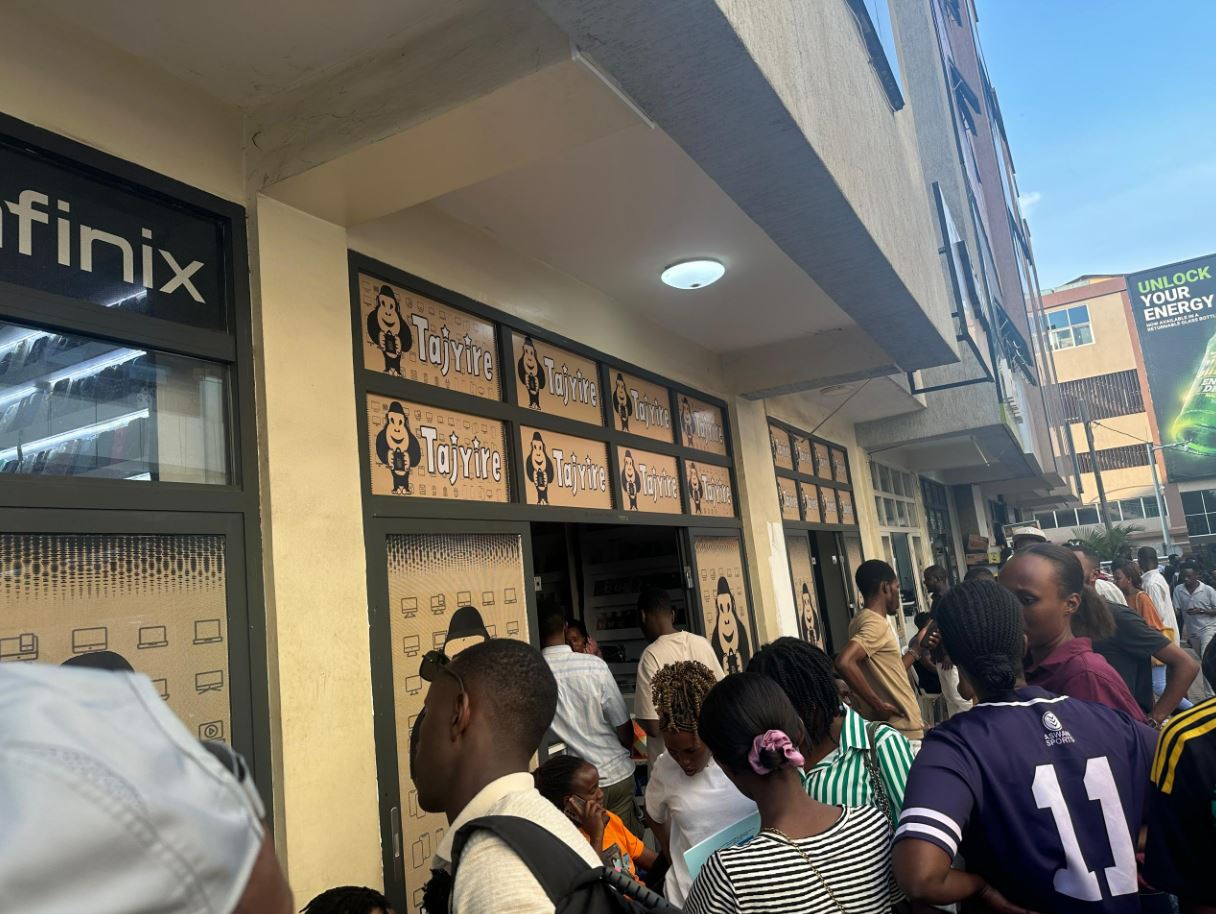
 Matheus House, one of Rwanda’s most iconic commercial buildings, soon to be transformed into the TAJYIRE Electronics Mall and Skills Development Center.





theinspirerpublications@gmail.com



Leave a Reply