

Rwandan authors and publishers urged to tap into global markets
By Elias Hakizimana.
Rwandan authors and publishers have been urged to expand their networks and collaborate with international professionals to position their works in global markets.
The local book industry, still in its early stages, faces significant challenges in translation and market access, making it difficult for Rwandan literature to reach wider audiences abroad.
This call was made during an interactive session on Tuesday, September 17, 2024, with Agnès Debiage, a France-based consultant from adcf Africa, hosted by TESI Foundation, a Rwandan organization dedicated to promoting and advocating for reading.

The session, themed “Expanding Rwandan Literature to Global Markets,” provided a platform for local authors to engage with Agnès on overcoming barriers to international publishing.
One of the main issues raised was the lack of translation capacity.
Jean de Dieu Nsanzabera, a renowned poet, author, and researcher with 144 books to his name, expressed concerns about the limited ability to translate Rwandan works into key foreign languages such as French, English, Arabic, and Swahili.
“The Rwandan book industry is still relatively new, having grown after the 1994 Genocide against the Tutsi. While we have made progress in content creation, illustrations, and editing, translation and publishing remain significant hurdles,” Nsanzabera said.
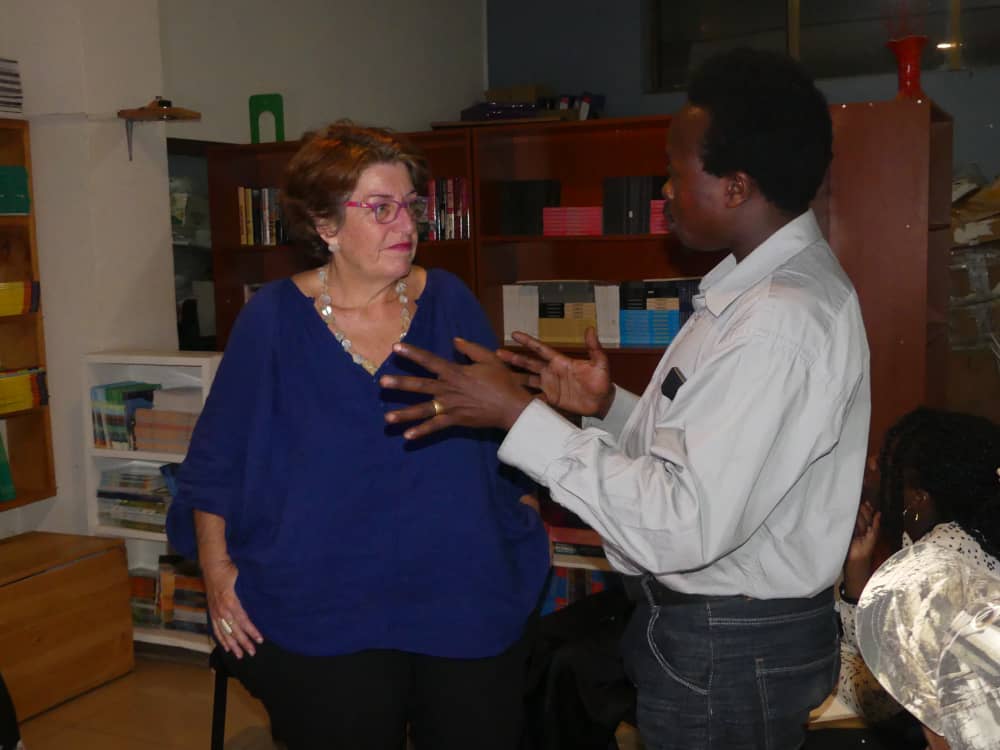
He added that although over 90,000 Rwandan-authored books exist in Kinyarwanda, very few have been translated for international audiences, with most translated works being limited to the education sector.
He called for support from both the government and international organizations to help translate these books and make them accessible to readers worldwide.
TESI Foundation’s Executive Director, Mutesi Gasana, emphasized the importance of addressing the translation gap and improving market access for Rwandan authors.
“This session with Agnès has been invaluable. Many local writers struggle with finding translators and understanding the markets their works can reach. We aim to provide support in building these capacities,” Gasana said.

She advised authors to collaborate with professional translators to ensure that their works maintain cultural integrity and contextual relevance.
“It is critical to work closely with translators to preserve the originality of the content and ensure it resonates with international readers,” she added.
Agnès Debiage, the guest consultant, highlighted the importance of reading in personal and societal growth.
“Reading opens up a world of possibilities. It is extraordinary and meant for everyone. When parents encourage reading, they foster emotional development in their children,” she noted.
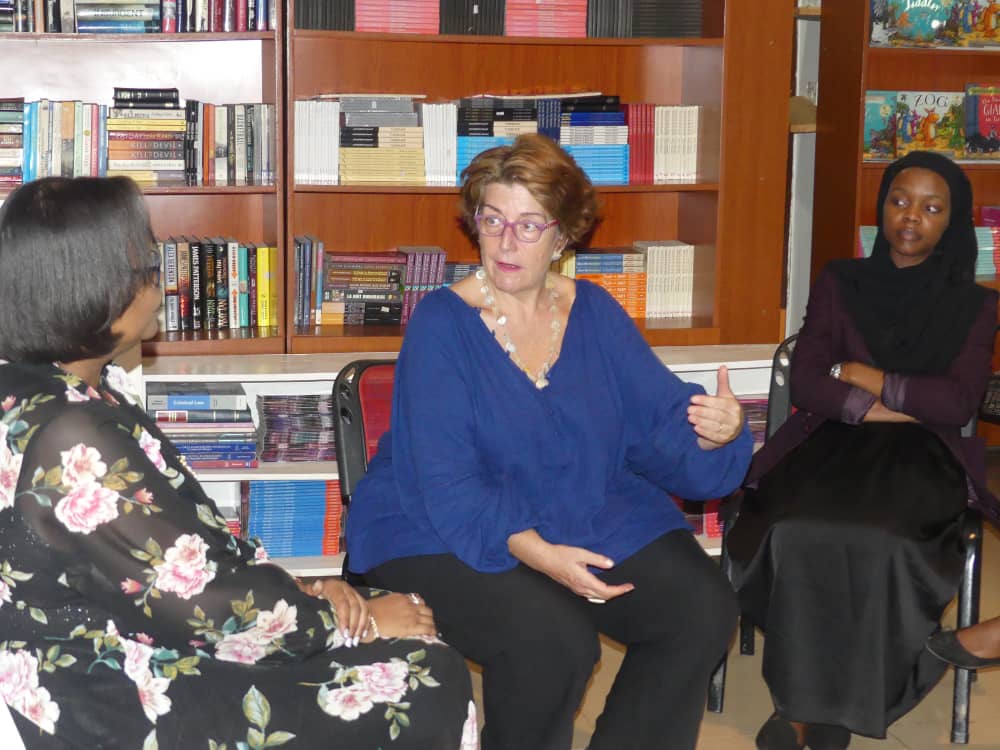
Debiage also expressed concern over the absence of Rwandan literature in international markets. She encouraged Rwandan writers and publishers to create extensive networks with global professionals and to share experiences to better understand international publishing dynamics.
“The issue of translation isn’t unique to Rwanda; it is a challenge across Africa. Writers need to connect with the right professionals who can help them navigate the global market,” Debiage emphasized.
As the Rwandan literary sector continues to grow, building the capacity for translation and expanding market access will be crucial steps in ensuring that Rwandan stories reach audiences beyond its borders.
theinspirerpublications@gmail.com


Leave a Reply