
Rwanda to begin production of nuclear medicine radiochemicals
By The Inspirer.
The Rwanda Utilities Regulatory Authority (RURA) has announced that Rwanda will begin producing radionuclides—radiochemical substances used in advanced nuclear medicine—in 2026.
The announcement was made by Remy Wilson Bana, Acting Director of the Nuclear Energy Safety and Security Unit at RURA.
Speaking to The New Times, Bana said Rwanda has already secured the core requirements needed to start local production of radionuclides.
The project is expected to create about 100 high-skilled jobs and position Rwanda as a regional hub for nuclear medicine. Currently, these radiochemicals are imported mainly from Egypt and Europe.
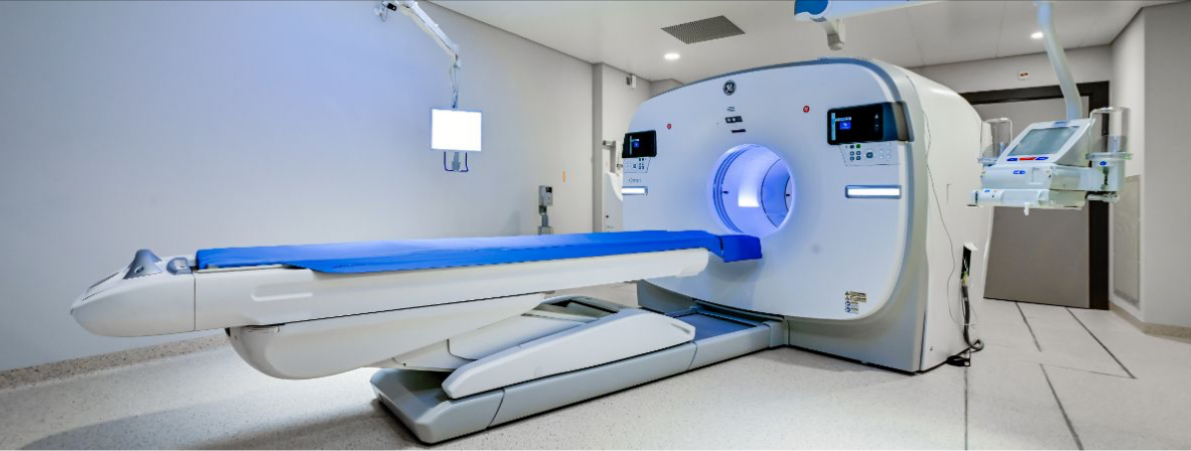
In medical practice, radionuclides are processed into injectable or ingestible tracers that allow doctors to examine internal organs using PET Scan machines, which rely on nuclear technology to generate detailed diagnostic images.
Rwanda has recently indicated its intention to acquire a PET Scan machine as part of efforts to advance nuclear-based healthcare. The machine is expected to be installed at Kanombe Military Hospital, where demand for radionuclides will be particularly high.
Bana said the introduction of PET Scan services will significantly reduce the number of Rwandans seeking diagnosis abroad.
“From an economic perspective, this is a major milestone because many Rwandans have been travelling abroad—especially to Europe or India—for such tests. This will reduce the costs associated with seeking treatment outside the country,” he said.
He added that nuclear medicine is crucial because it enables diagnosis at the cellular level, allowing doctors to detect cancers at an early stage.
The services will initially be offered at Kanombe Military Hospital and King Faisal Hospital.
These advanced machines will complement existing cancer treatment technologies in Rwanda, including MRI, CT scans, radiotherapy, chemotherapy, surgery, and other interventions.
On November 28, 2025, the Cabinet approved cooperation agreements that will pave the way for the introduction of nuclear energy–based medical services in Rwanda.
Nuclear medicine falls under diagnostic imaging and internal body analysis, a field that remains limited in many countries due to the high cost of the required equipment.





Leave a Reply