KIGALI, Rwanda — August 26, 2026 — Rwanda’s reforms on safe abortion care and its decision to remove a court-order requirement have emerged as key lessons for women’s rights advocates from Nigeria, Kenya and Uganda during a three-day learning visit in Kigali.
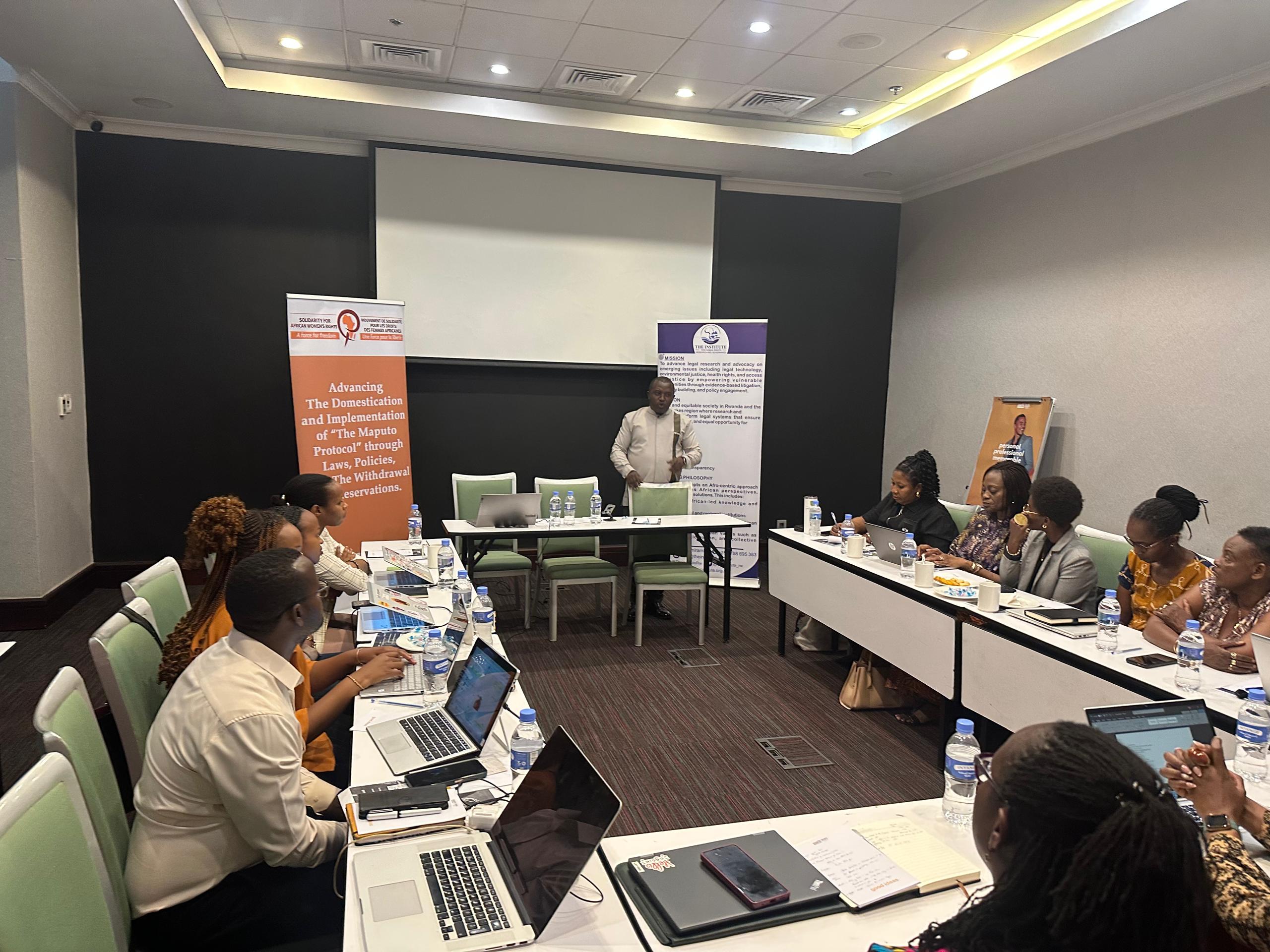
The cross-country exchange, which began on Tuesday, is organised under the Solidarity for African Women’s Rights (SOAWR) Coalition in partnership with Equality Now and hosted by the Institute for Human Rights, Research and Governance in Rwanda (THE INSTITUTE).
The visit is examining Rwanda’s experience in implementing the Maputo Protocol, including the withdrawal of its reservation to Article 14(2)(c) in 2012 and subsequent reforms to the legal and regulatory framework governing reproductive health services.
Dr Athanase Rukundo, Director General of Clinical and Public Health Services Governance at the Ministry of Health, told participants that Rwanda’s reforms were driven by political will, evidence, accountability and sustained engagement between government and civil society.
He said the country’s current framework, under Law Nº68/2018, provides five grounds under which abortion is exempted from criminal liability: pregnancy in a minor, rape, forced marriage, incest up to the second degree, and a risk to the health of the mother or foetus.
A major change, he said, was the removal of the requirement for a court order.
“Since 2018, women no longer need a court order. They are not required to produce evidence of the grounds they invoke,” Rukundo said during his presentation.
The framework was further operationalised through a 2019 ministerial order, which set procedures including a 22-week limit, pre-procedure requirements, consent and confidentiality.
Rwanda also expanded the range of facilities eligible to provide services. Under a 2024 expansion, health centres became eligible to provide services, bringing them closer to communities, while other private clinics can also be authorised by the Ministry of Health.
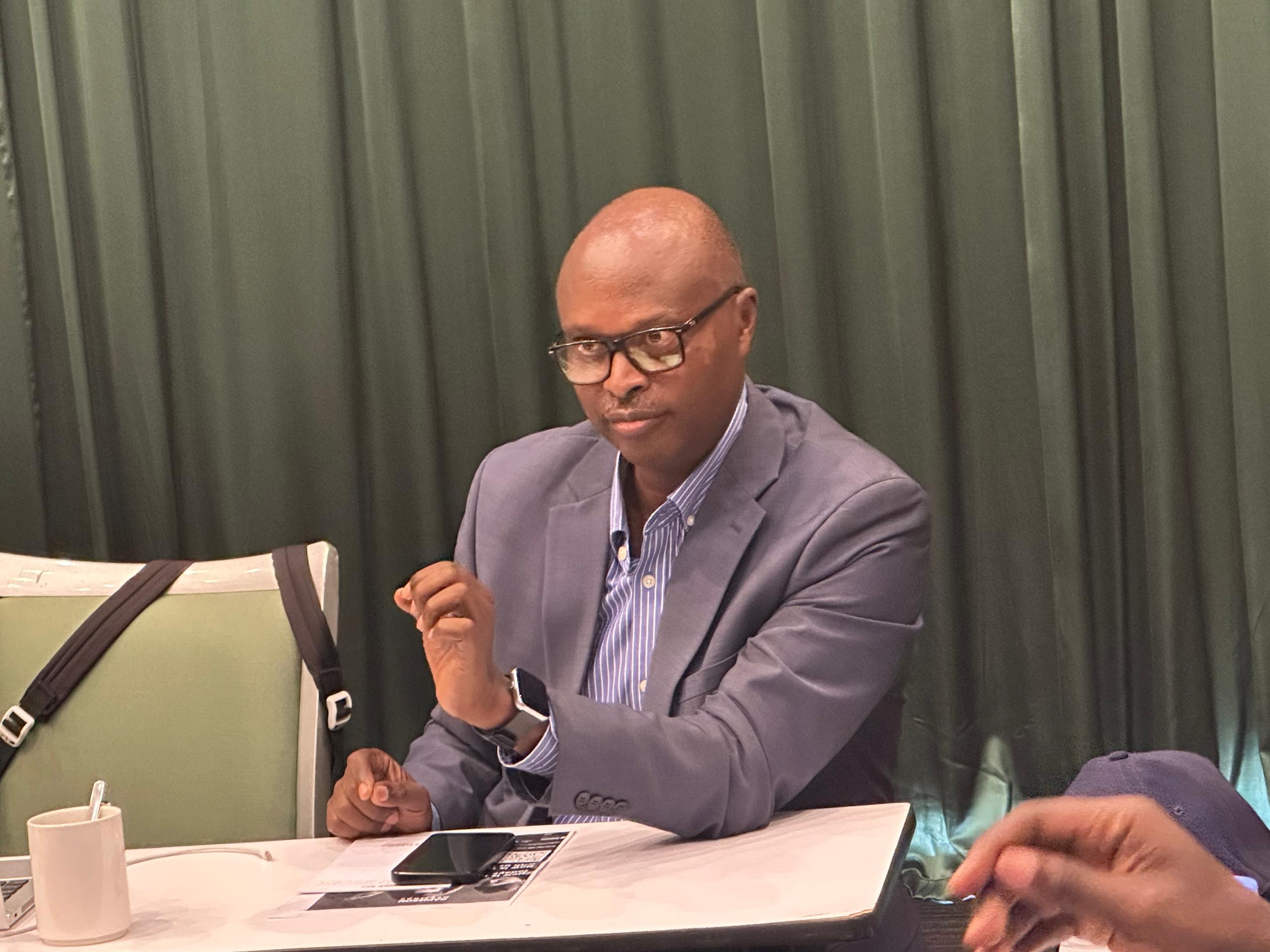
Dr Athanase Rukundo, from right to left, with other officials during a round-table discussion in Kigali on August 26, 2026.
Rukundo said the reforms were the result of years of advocacy and evidence gathering rather than a single intervention.
“There was no single bullet to make these miracles. Rather, it has been a combination of different strategies, using evidence from academia, from health facilities, healthcare providers, society, media and those who have power,” he said.
He cited research documenting women imprisoned over abortion-related cases and recommendations from international human rights treaties as examples of evidence that helped inform policymakers.
Rukundo identified strong political commitment as one of the most important factors behind Rwanda’s reforms.
“When you try to go back in 2000, or even after 2000, we had around 1,000 women per 100,000 who were dying from causes related to pregnancy. The government was very committed to bringing those numbers down,” he said.
A medical doctor-participant speaks during a round-table discussion at the regional learning visit in Kigali on August 26, 2026.
For Uganda, the experience offered lessons on the importance of sustained advocacy.
Grace Namataka, Sexual and Reproductive Health and Rights lead at Akina Mama wa Afrika, said Rwanda’s 2012 decision showed that reforms take time and require evidence and broad coalitions.
“Not all hope is lost. We still have hope that we can touch the hearts of our policy and decision makers to actually take the same position and direction that Rwanda took,” she said.
Yéye Bunmi Dipo-Salami, Executive Director of Baobab for Women’s Human Rights in Nigeria, said Rwanda’s experience demonstrated the importance of political will, legal architecture and collaboration.
“Looking at the Rwanda experience shows us that nothing is impossible. We just have to be determined,” she said.
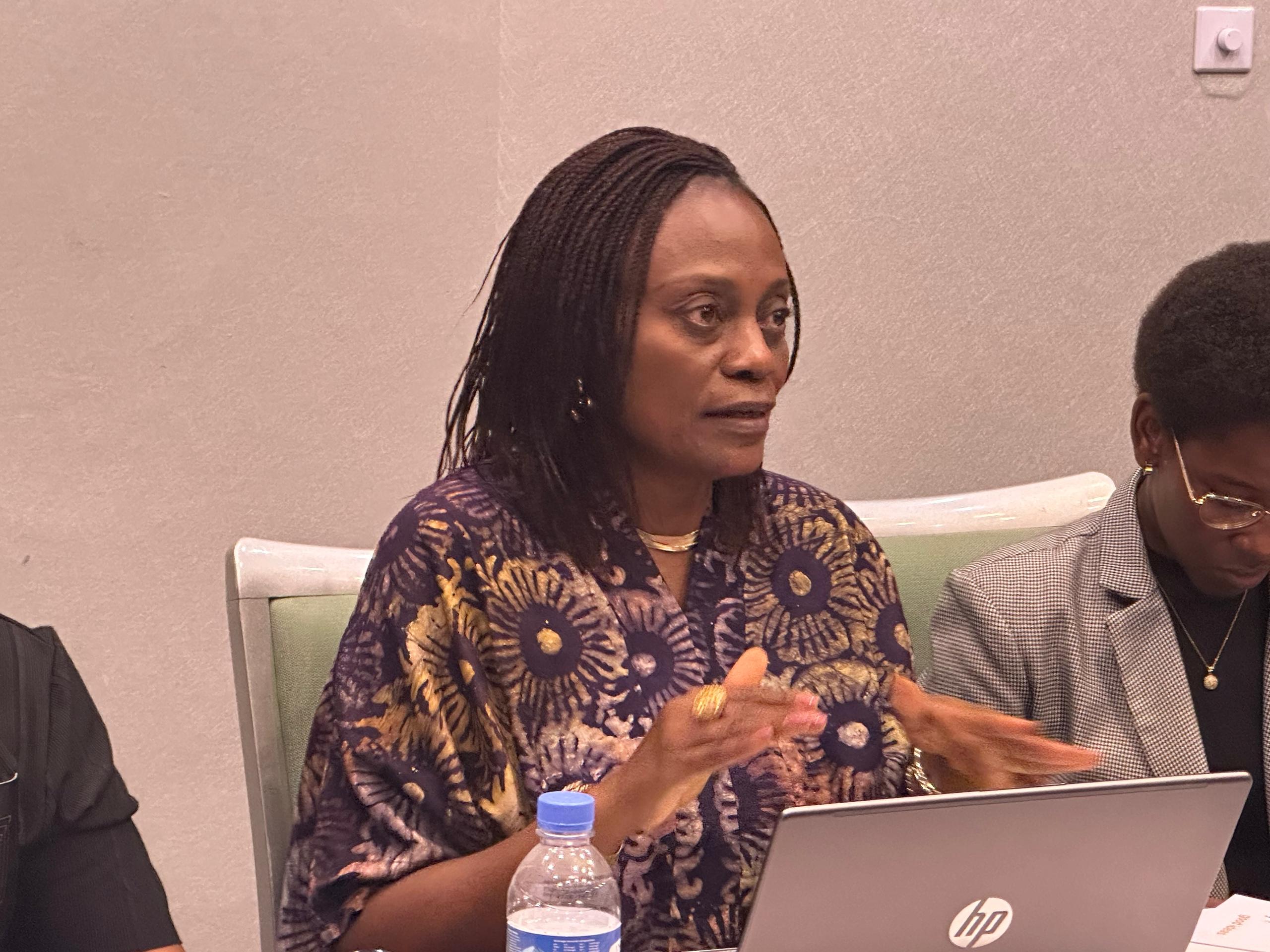
Yéye Bunmi Dipo-Salami, Executive Director of Baobab for Women’s Human Rights in Nigeria, speaks during a round-table discussion in Kigali on August 26, 2026.
Maruwa Umutoniwase, Legal Officer at the Institute for Human Rights, Research and Governance, said the exchange was strengthening regional cooperation and providing practical lessons on implementing the Maputo Protocol.
The programme continues through August 27, with participants engaging government institutions, human rights bodies and other stakeholders, including the Ministry of Health, Ministry of Justice, Judiciary and National Commission for Human Rights.
The visit will also include an Isange One Stop Centre, as participants seek lessons that can be adapted to the Nigerian and Ugandan contexts.
Elias Hakizimana, CEO&Founder of The Inspirer Ltd,(www.rwandainspirer.com) is a professional Rwandan Journalist with Bachelor’s Degree in Journalism and Communication, received from University of Rwanda’s College of Arts and Social Sciences (CASS) in 2014. He served various media houses in Rwanda including Rwanda Broadcasting Agency (RBA) in 2013 and became passionate with English Online and Print Media Publications where he exercised his talent as a Freelance News Reporter for The New Times, The Independent, The Rwanda Focus, Panorama and more before he became a Self-Entrepreneur as the CEO and Founder of The Inspirer Limited in early 2017.





Leave a Reply