

Rwanda Marks International Day of Older Persons with Renewed Call for Inclusive Healthcare
By Elias HAKIZIMANA.
Kigali, October 1, 2025 — Rwanda joined the world in celebrating the International Day of Older Persons, underscoring the vital role of elderly citizens in shaping local and global development while calling for stronger, age-inclusive healthcare services.
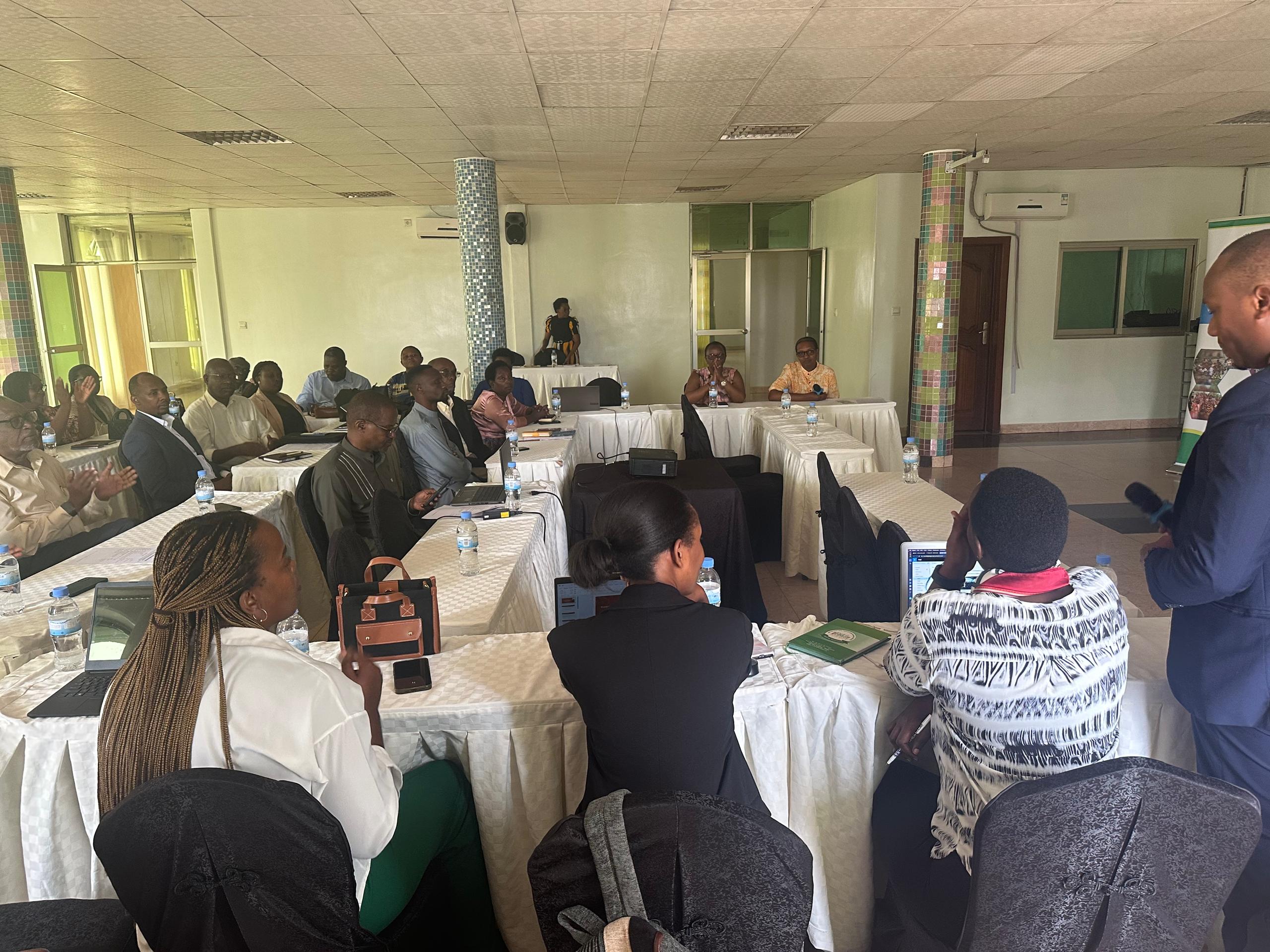
Under this year’s theme, “Older Persons Driving Local and Global Action: Our Aspirations, Our Well-Being and Our Rights,” stakeholders convened at Classic Hotel, Kigali, for a Multi-Stakeholder Workshop on Engaging Older People in Achieving Universal Health Coverage (UHC) Fit for an Ageing World.
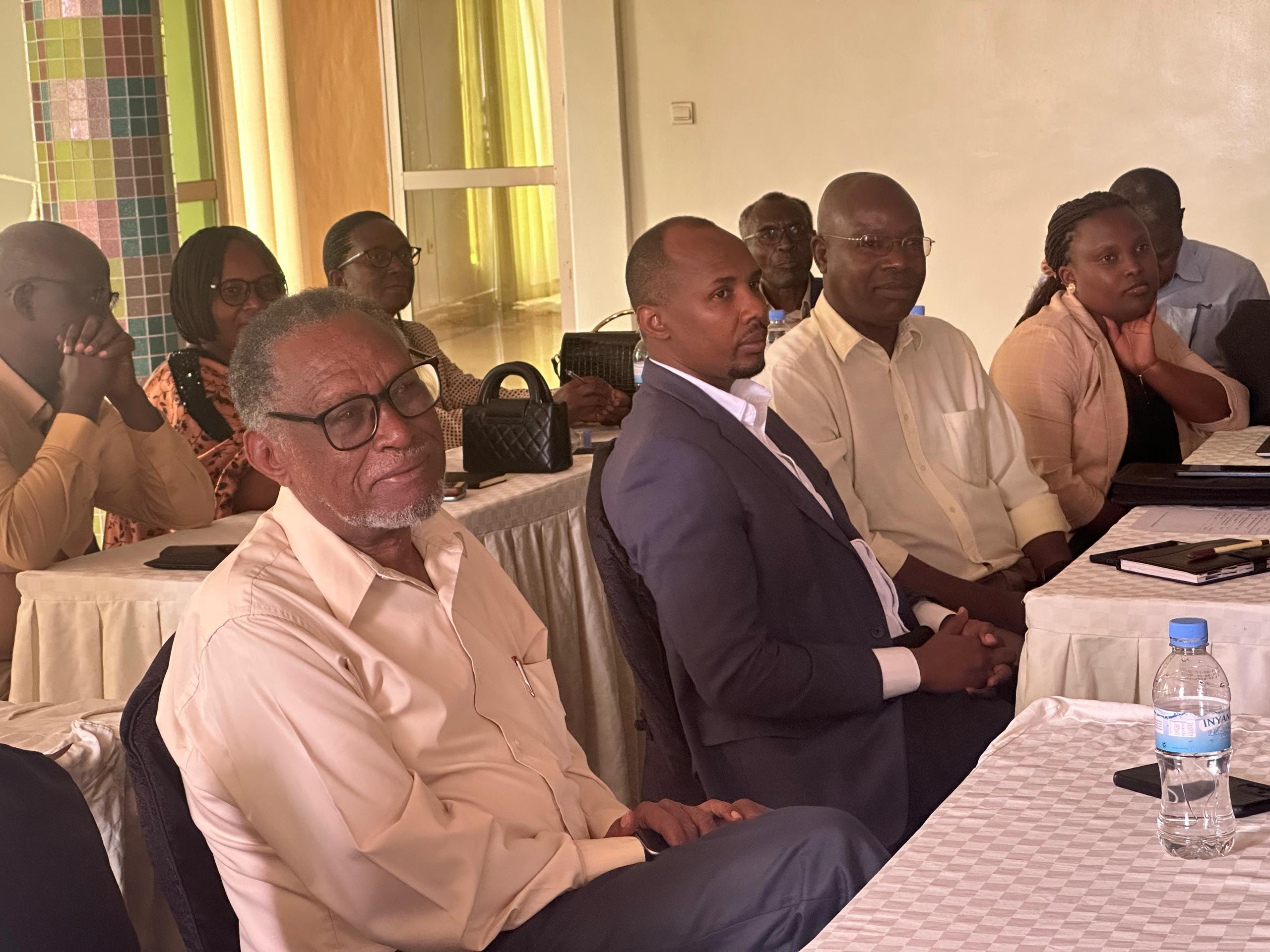
The event, organized by NSINDAGIZA Organization in collaboration with Gwiz’Ineza and partners, brought together government institutions, civil society organizations, human rights advocates, and UN agencies to discuss how Rwanda can make UHC more responsive to the needs of older persons, particularly older women.
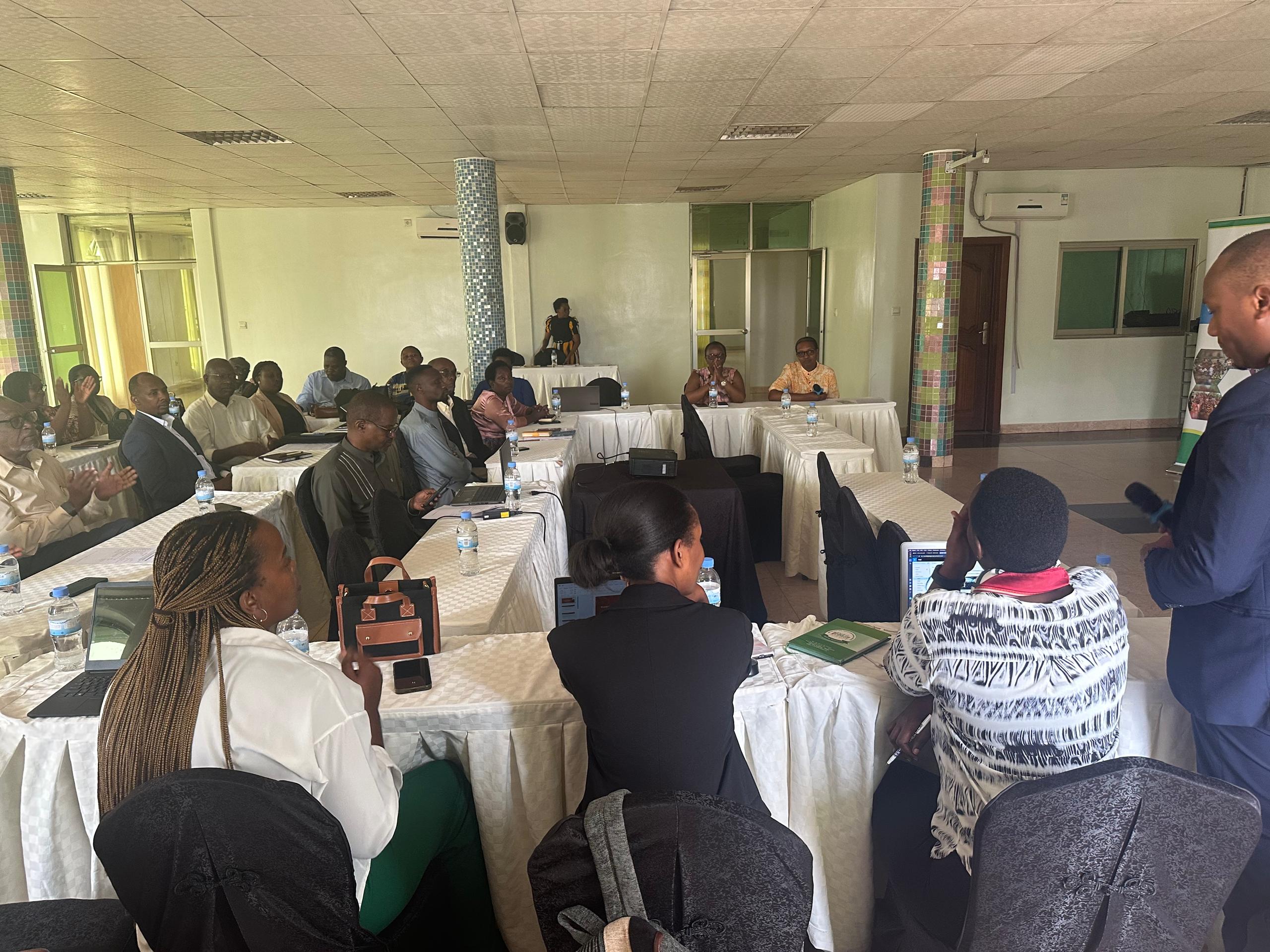
Highlighting achievements and gaps
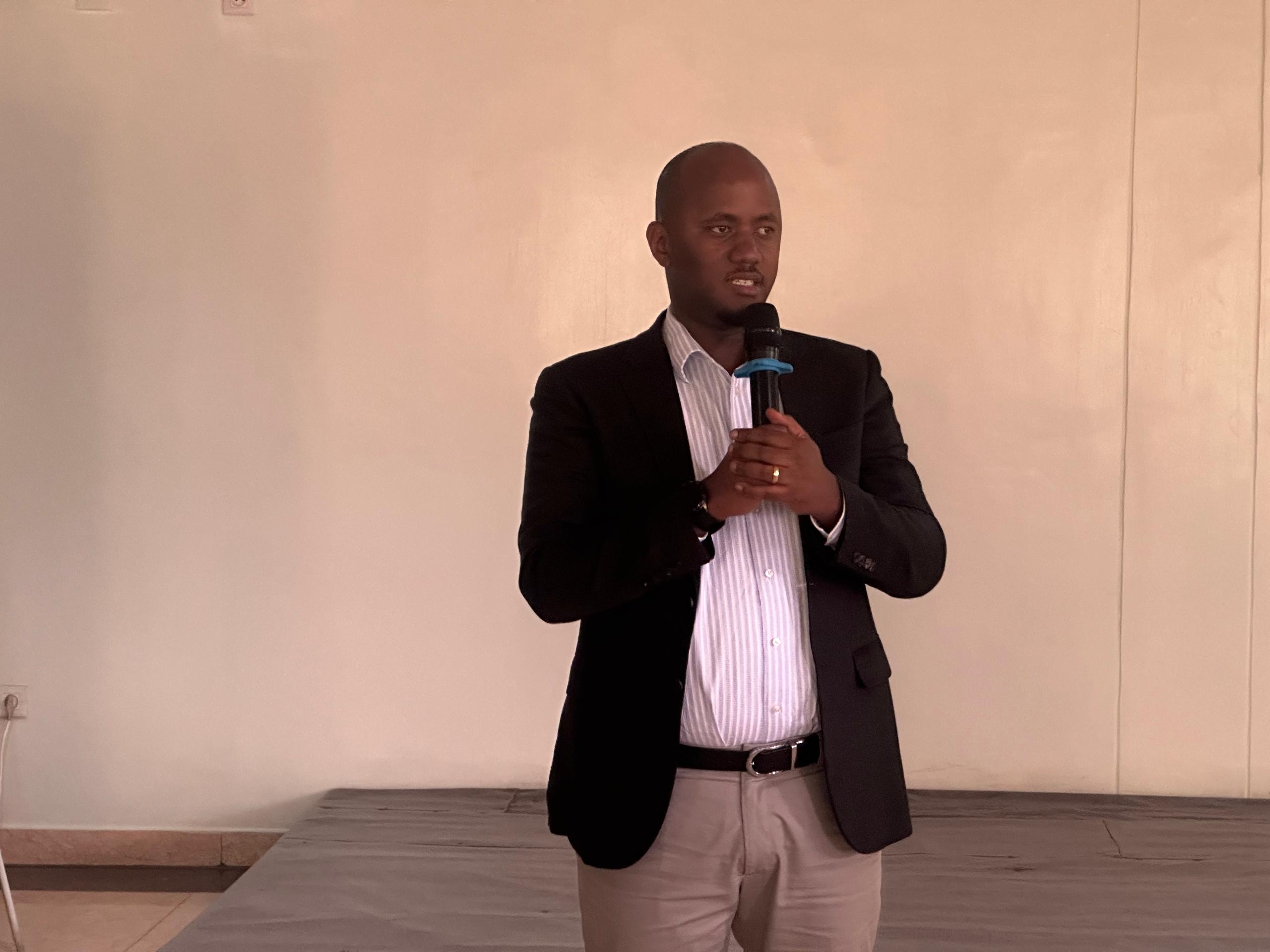
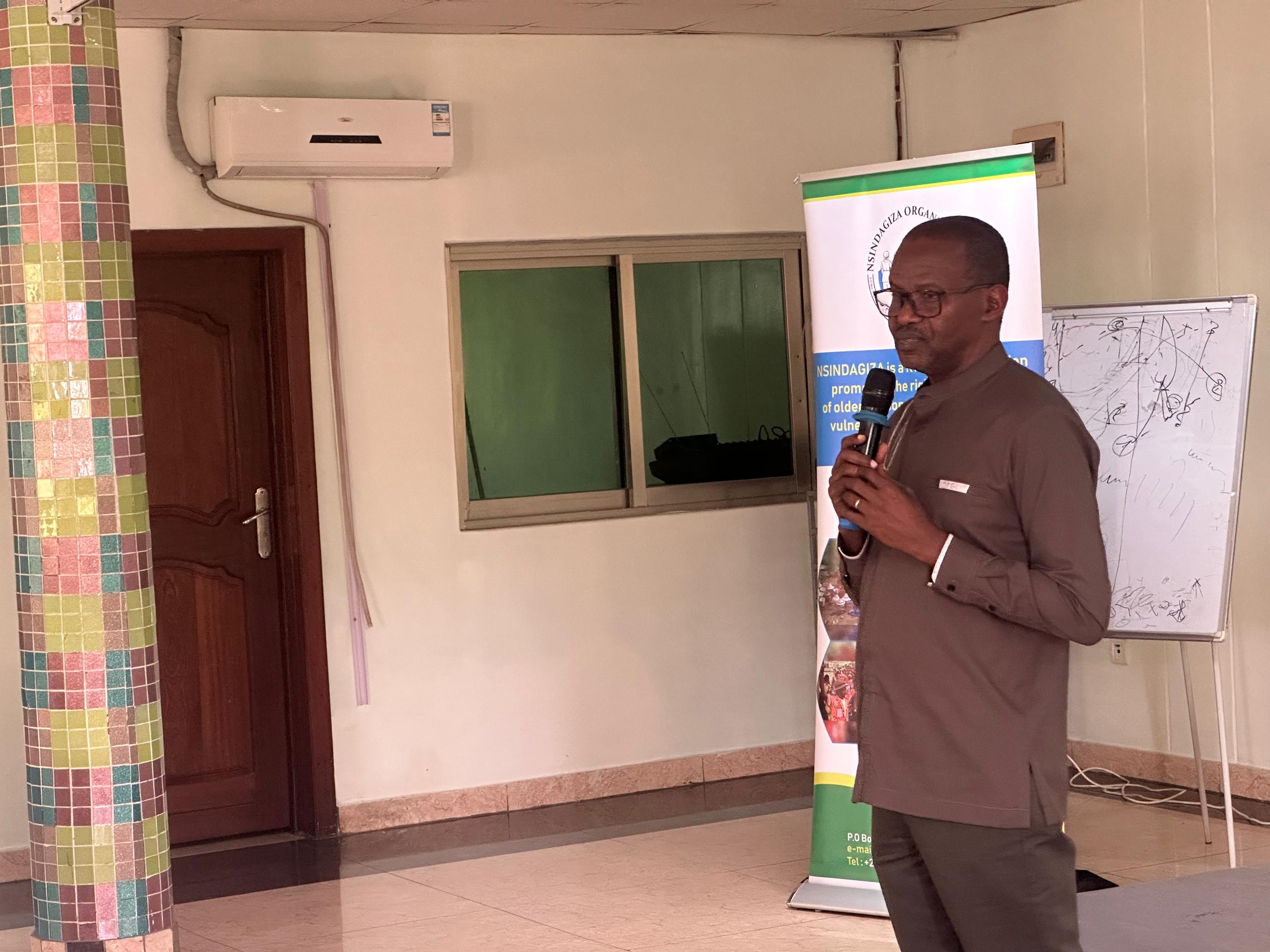
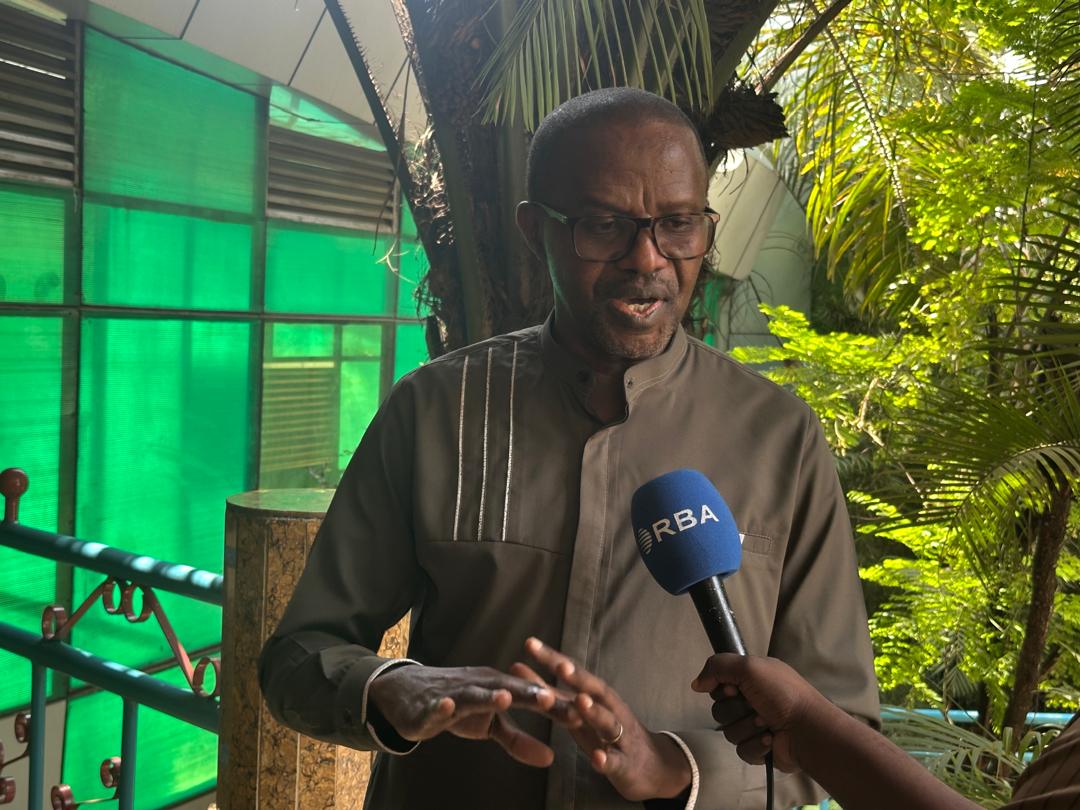
Elie Mugabowishema, President of NSINDAGIZA, commended the government for its efforts to improve elderly welfare through initiatives such as the Community Health Worker program, Mutuelle de Santé (MUSA), and prioritization during the COVID-19 vaccination campaign. He noted, however, that many older persons still face challenges accessing healthcare.
“Older citizens often struggle to queue alongside younger, stronger individuals and sometimes return home without receiving treatment,” Mugabowishema says.
“There is a pressing need for specialized healthcare services for older persons, including training nurses to handle their unique needs and establishing committees to disseminate vital health information within communities.” Mugabowishema adds.
Mugabowishema also urged older persons to engage in regular physical activity and maintain a balanced diet, emphasizing that access to quality healthcare is a right, not a privilege. He encouraged young people to adopt healthy lifestyles early to prepare for healthy aging.
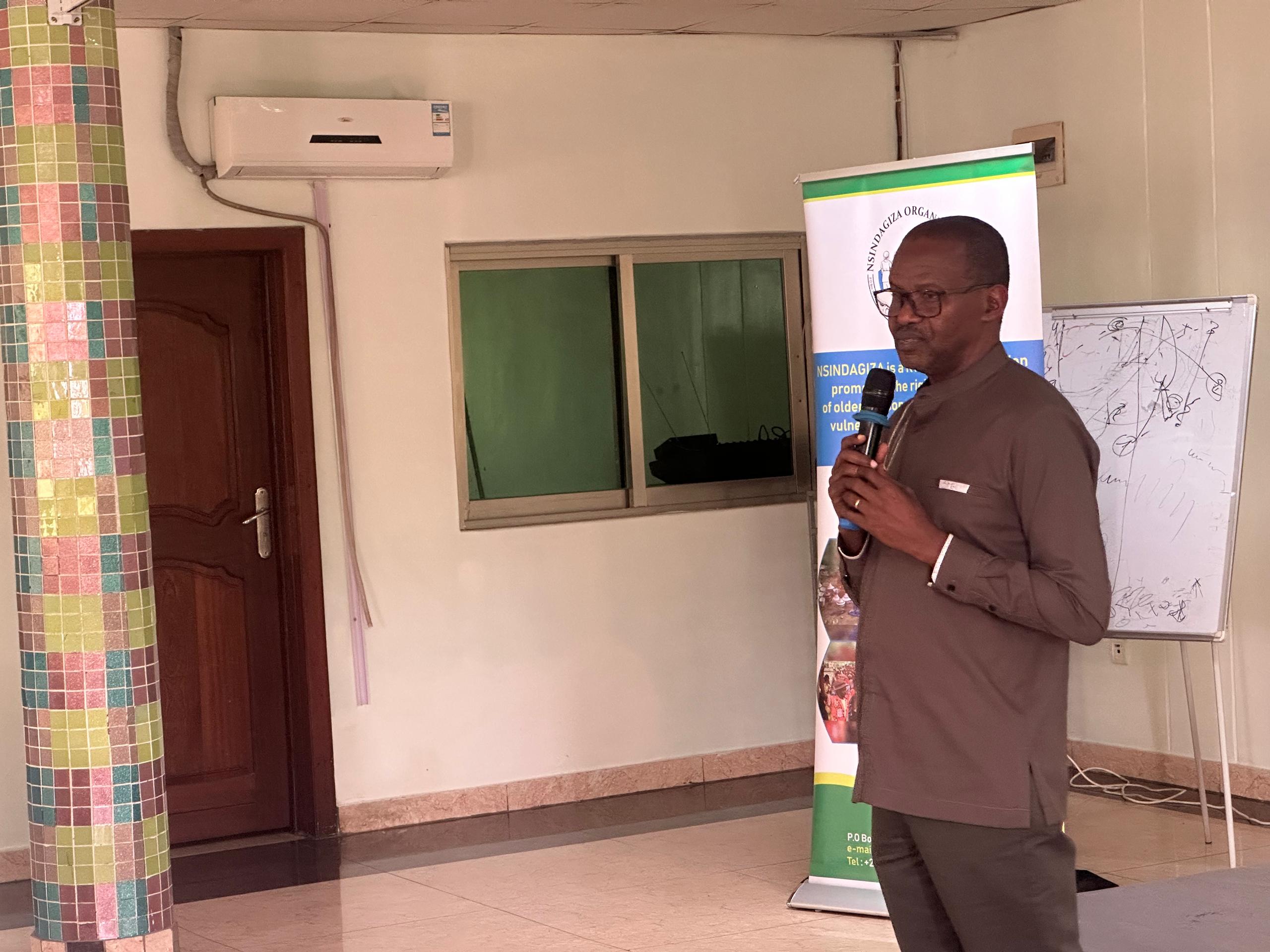
Community voices and personal experiences
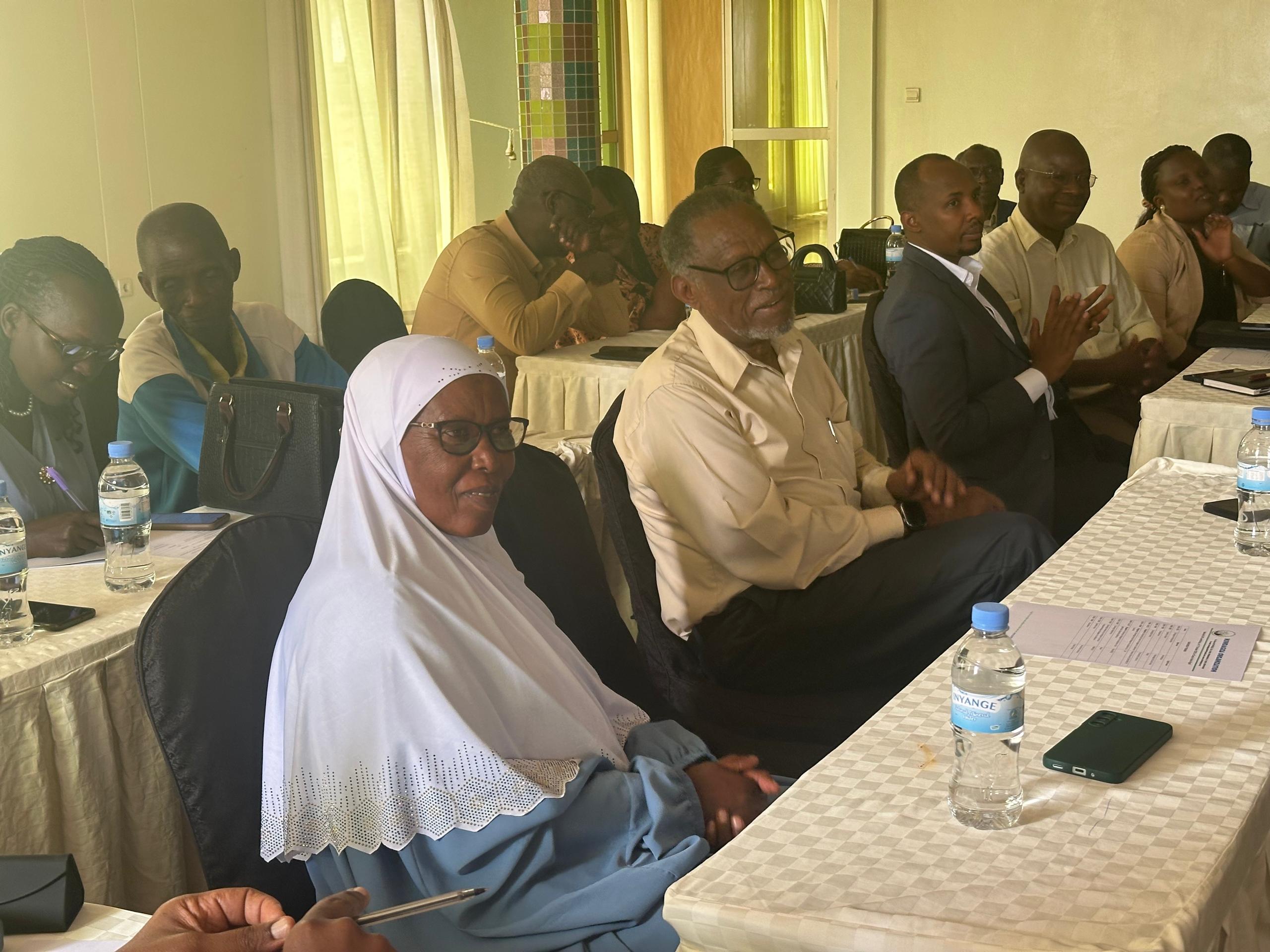
The workshop featured testimonies from elderly citizens and their families, highlighting ongoing barriers to care.
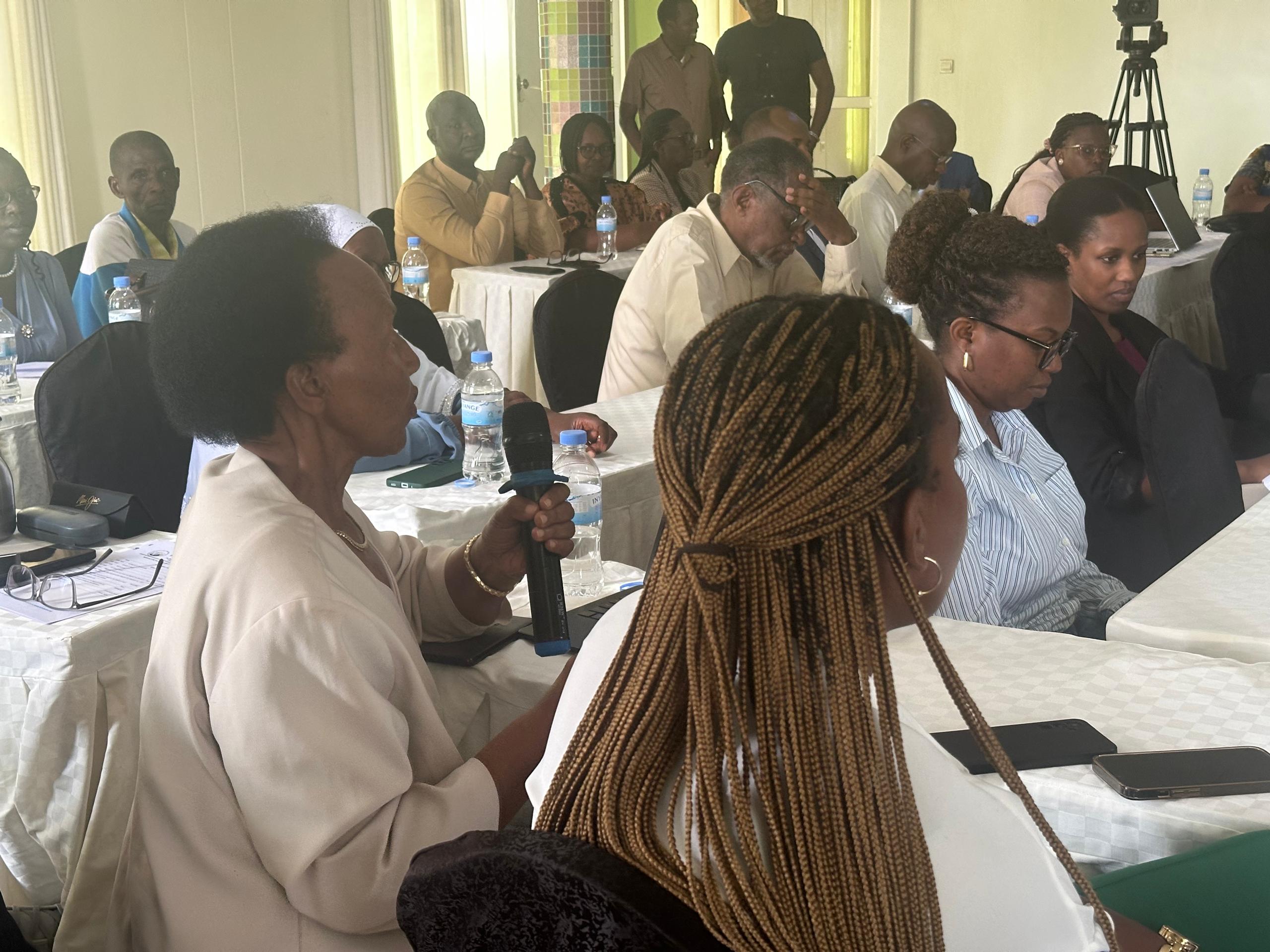
Basengo MUNYABURANGA, an elderly man, spoke of ignorance, lack of information, and negative attitudes toward older persons within communities.
Joyce, a member of NSINDAGIZA, recounted her experience accompanying her 92-year-old mother to a local health center, where they spent hours waiting alongside younger patients, only to receive inadequate attention.
“I expected compassion and priority for my elderly mother, but instead we were told to wait like everyone else,” Joyce said. “She did not get the proper care she deserved, and I left feeling helpless and disappointed.”
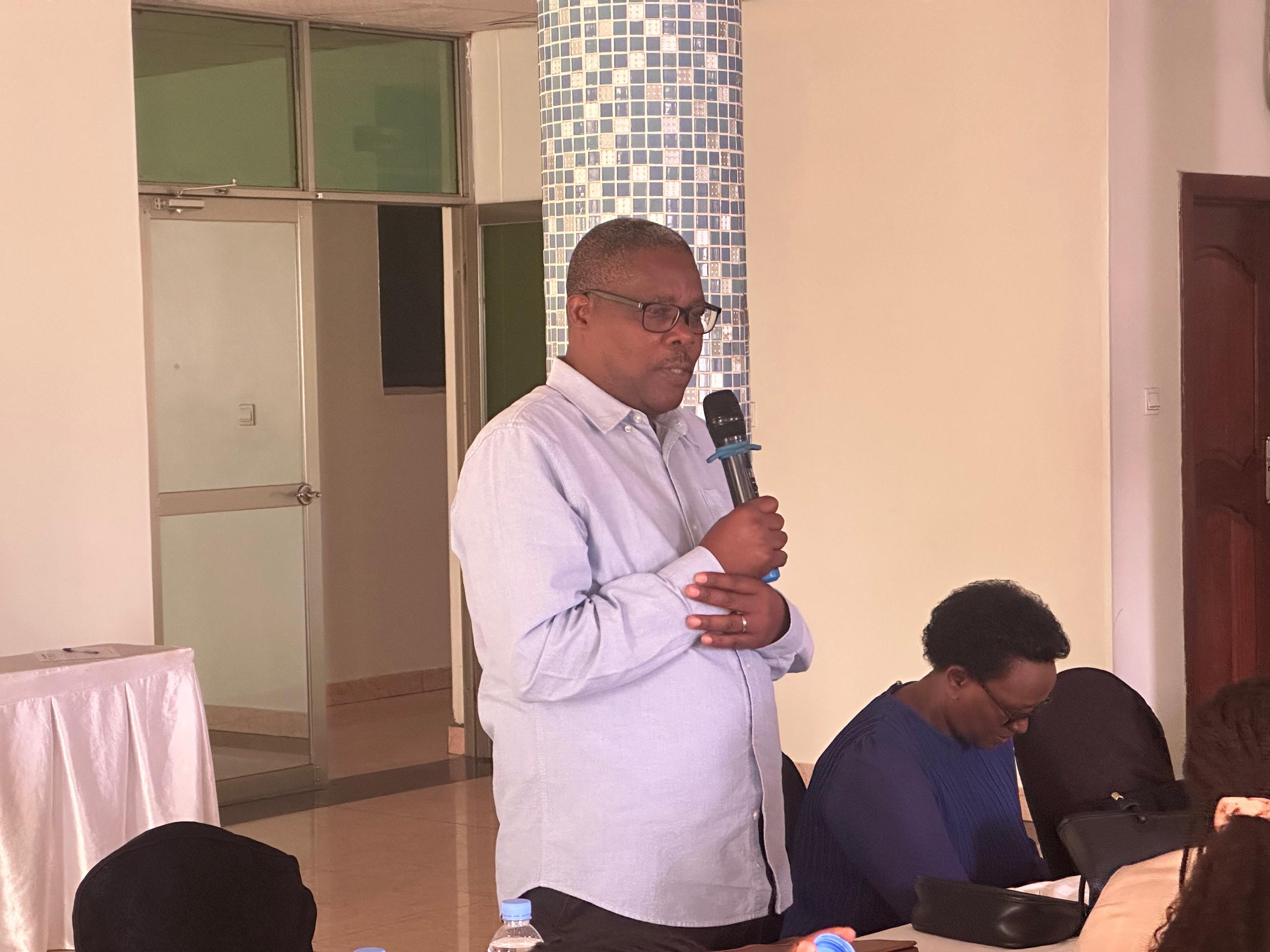
Adding a global perspective, Edouard Sahunkuye, a 65-year-old member of NSINDAGIZA, emphasized the vulnerability of older persons both physically and morally.
“The wish of every person is to reach old age,” he said. “Good health, as defined by the World Health Organization, is central to achieving this aspiration. Universal healthcare for all should be realized between 2025 and 2030. Globally, over 340 million people live in poverty linked to struggling to access and afford healthcare, and in some countries, one in three people prefer not to visit a health facility due to poor services.”
Sahunkuye urged society to recognize healthcare and human rights as inseparable for the elderly, stressing that age-inclusive policies must be a global priority.
Health professionals at the event echoed these concerns, advocating for dedicated service desks for older persons and specialized geriatric training for healthcare workers to ensure dignity and timely care.
Legal rights and protection
Cecilia Rutembesa, a lawyer with the Legal Aid Forum (LAF), highlighted the legal rights of older persons, including access to healthcare, social security, adequate living standards, and protection from violence.
She emphasized that UHC should encompass long-term care, chronic disease management, rehabilitation, palliative care, and financial protection to prevent healthcare costs from pushing older persons into poverty.
Rutembesa called for equity, respect, and informed consent in delivering elder care.

Government and stakeholder actions
Joel Murenzi, Social Protection Technical Advisor at the Ministry of Local Government (MINALOC), highlighted ongoing initiatives to improve the welfare of older persons, including financial support through community health programs.
He reminded families of their essential role in caring for aging members and announced national and district-level celebrations on October 7, 2025, to discuss lasting solutions to challenges facing the elderly.
Speakers stressed that effective implementation of the National Older Persons Policy requires stronger coordination between the Ministry of Health, MINALOC, and community structures, alongside awareness campaigns to shift societal mindsets.
Looking ahead
Rwanda’s observance of the International Day of Older Persons reinforces a national and global commitment to empowering the elderly as active contributors to society, safeguarding their rights, and prioritizing their health and dignity.
As the population ages, inclusive policies, supportive environments, and compassionate service delivery will be critical to ensuring that older persons live with dignity and contribute meaningfully to the nation’s development.
 Basengo, an elderly participant, sharing challenges older persons face in accessing healthcare services.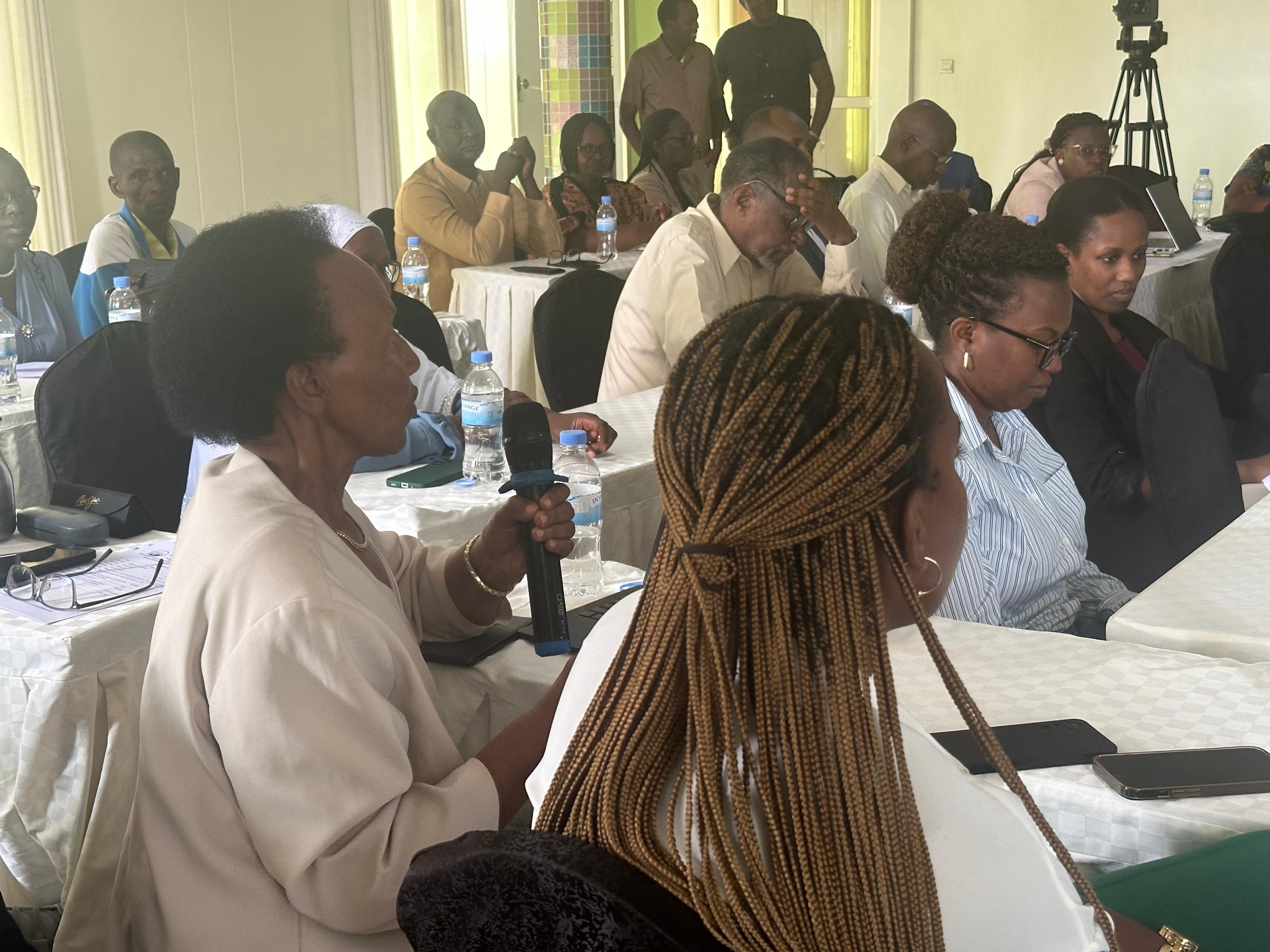




theinspirerpublications@gmail.com



Leave a Reply