
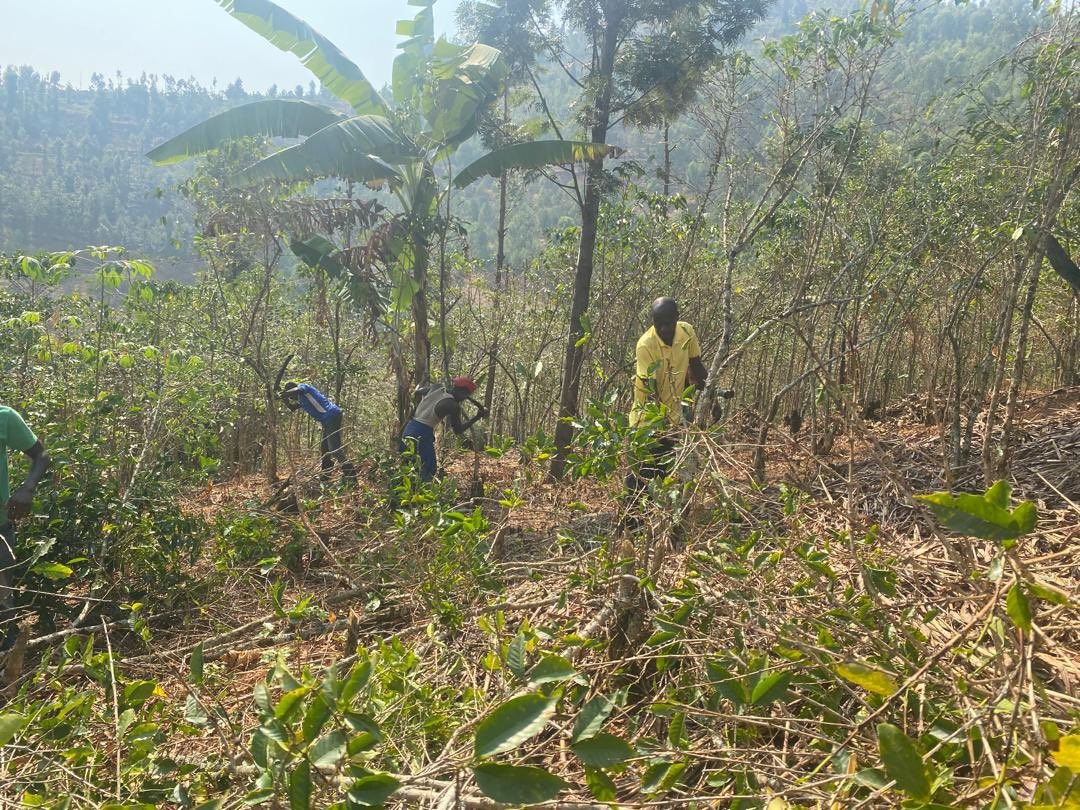
Rwanda Launches Nationwide Coffee Rejuvenation Campaign
By Elias HAKIZIMANA.
The Government of Rwanda has embarked on a comprehensive nationwide campaign to rejuvenate aging coffee plantations and expand the area under coffee cultivation.
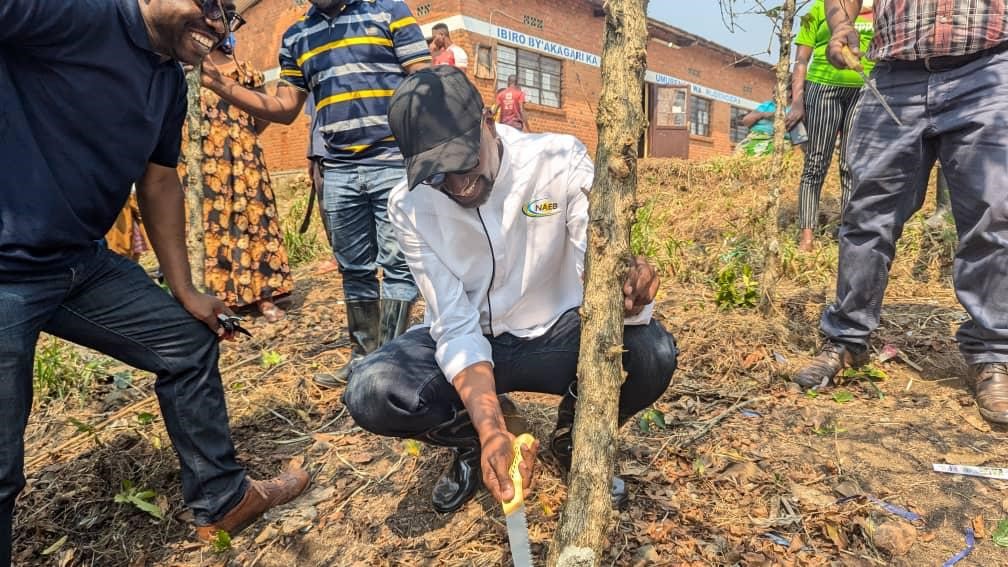
This ambitious initiative is part of the ‘Promoting Smallholder Agro-exports Competitiveness (PSAC)’ project, which is being implemented by the National Agricultural Export Development Board (NAEB).
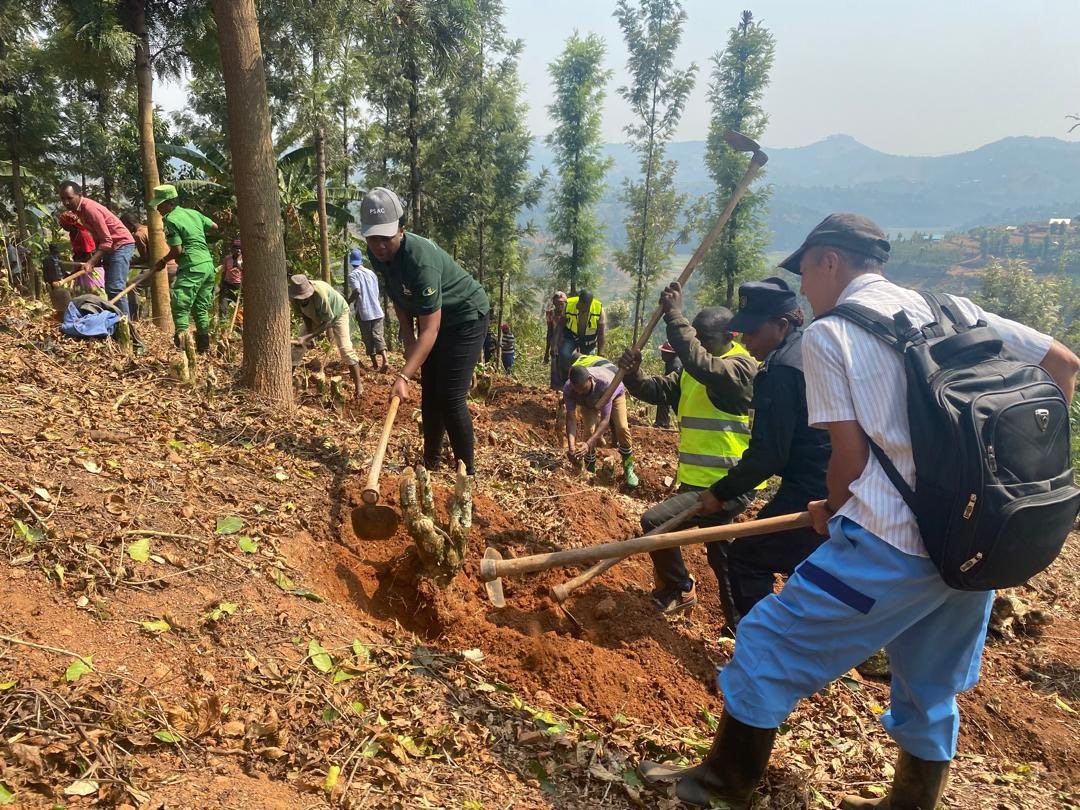
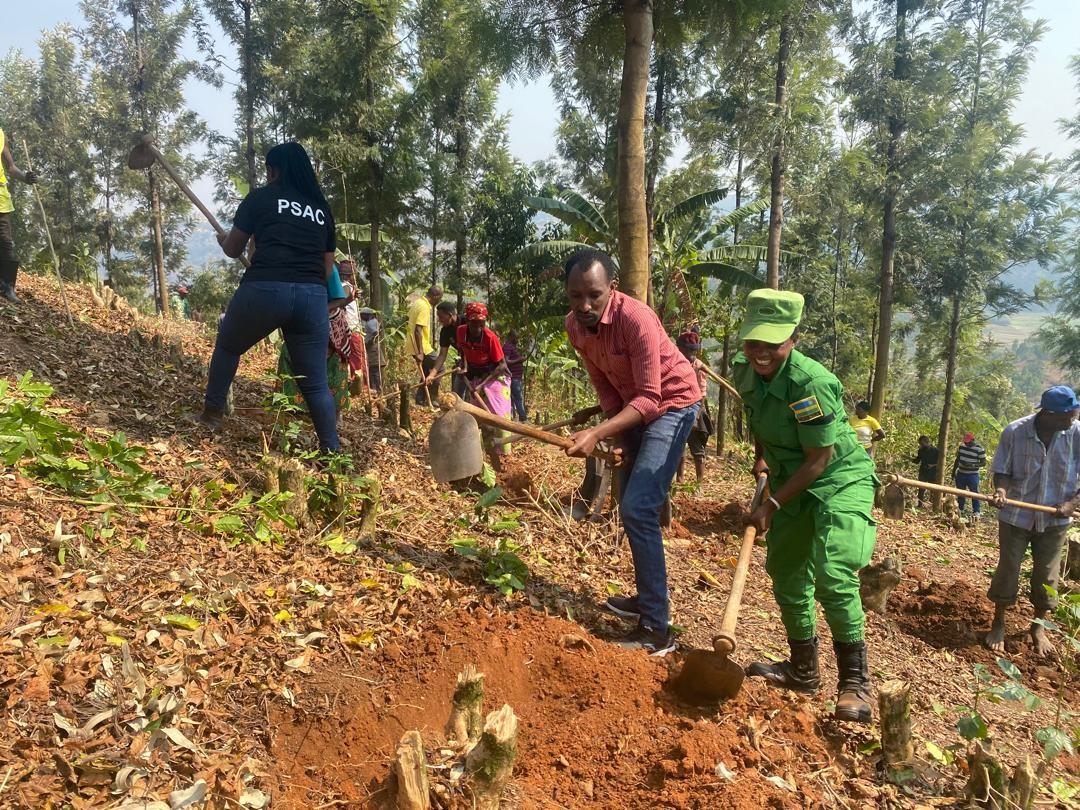
The campaign, which aims to revitalize Rwanda’s coffee industry, was launched in Huye District, Southern Province, and Karongi District, Western Province. It is set to continue in other coffee-growing regions across the country.
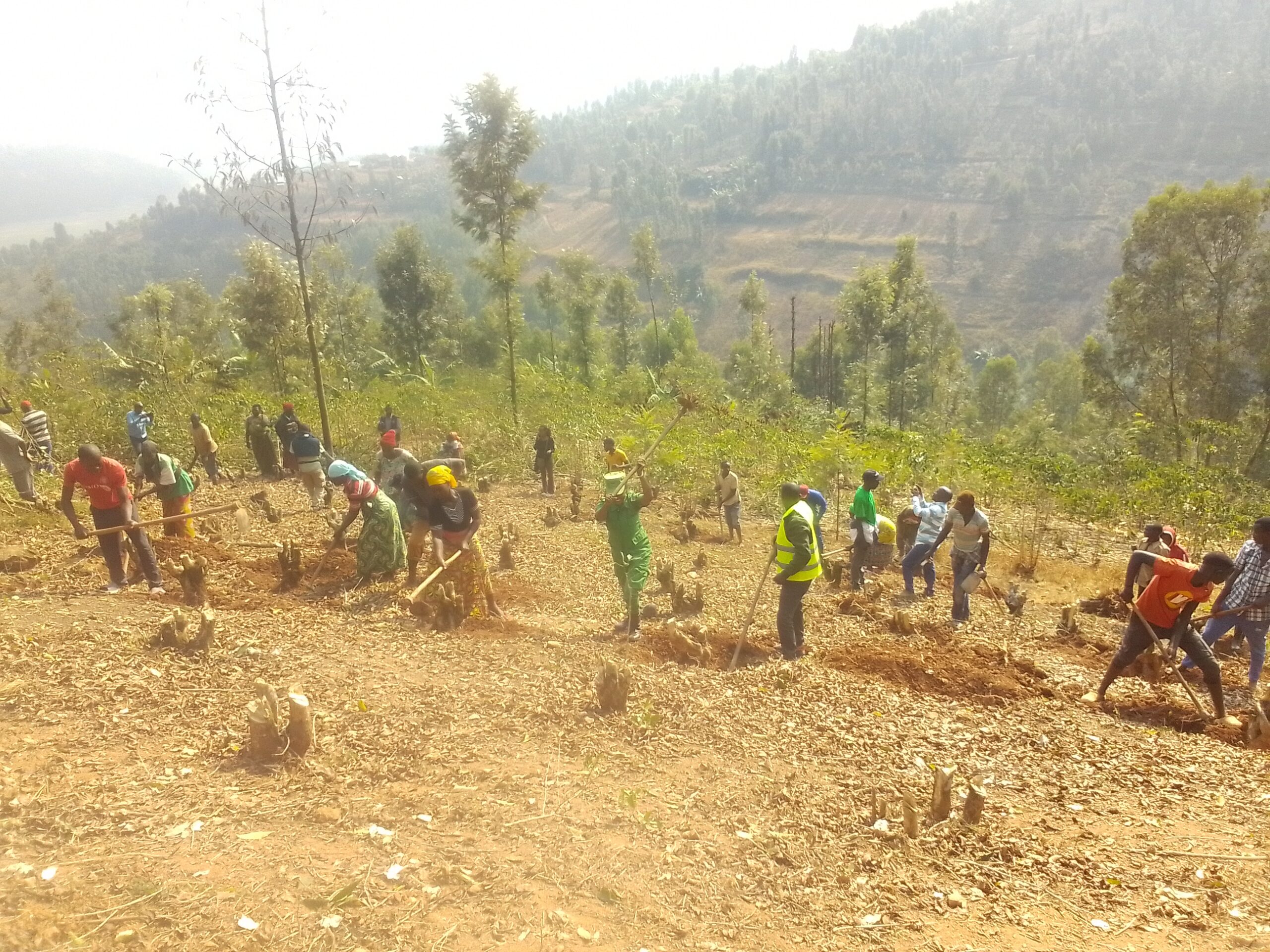
Coffee is one of Rwanda’s most important cash crops, playing a critical role in the country’s economic development. Over the past six years (2017-2023), Rwanda has earned over $452 million from coffee exports, with more than 113,000 tons of coffee sold to international markets.
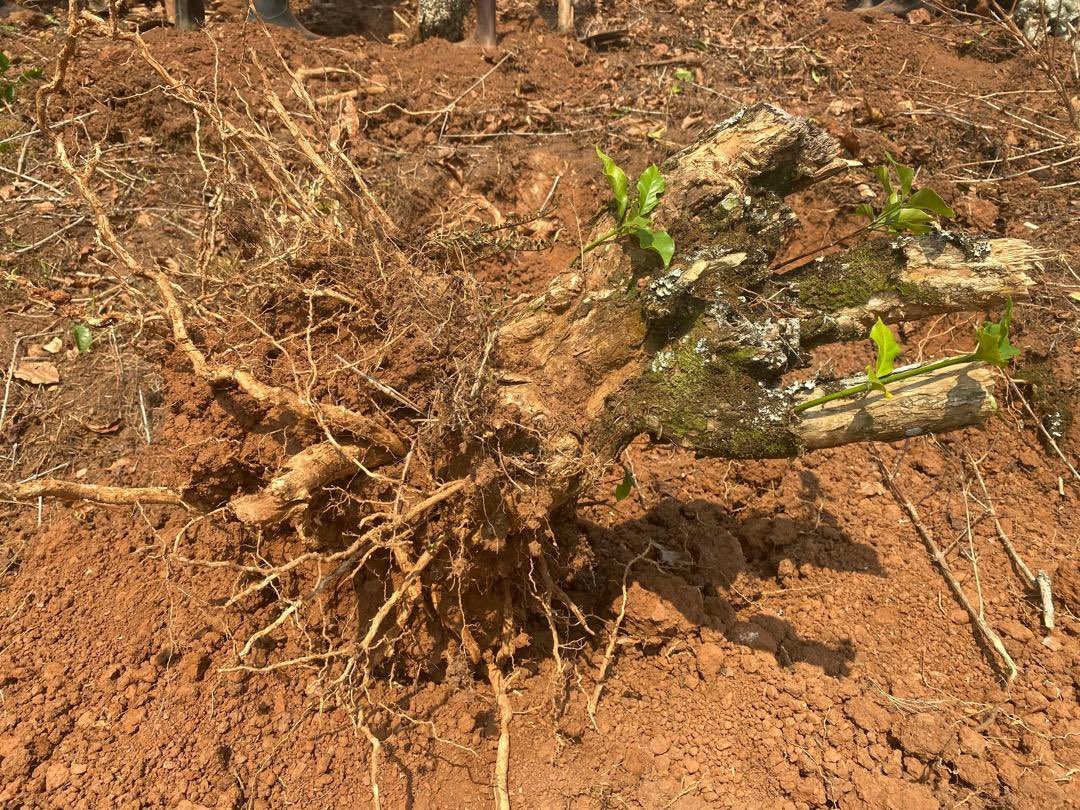
Despite this success, a significant portion of Rwanda’s coffee trees—nearly 30%—are over 30 years old and past their prime. These aging trees have led to a decline in productivity, prompting the need for rejuvenation and expansion of coffee plantations, which currently cover 42,229 hectares.
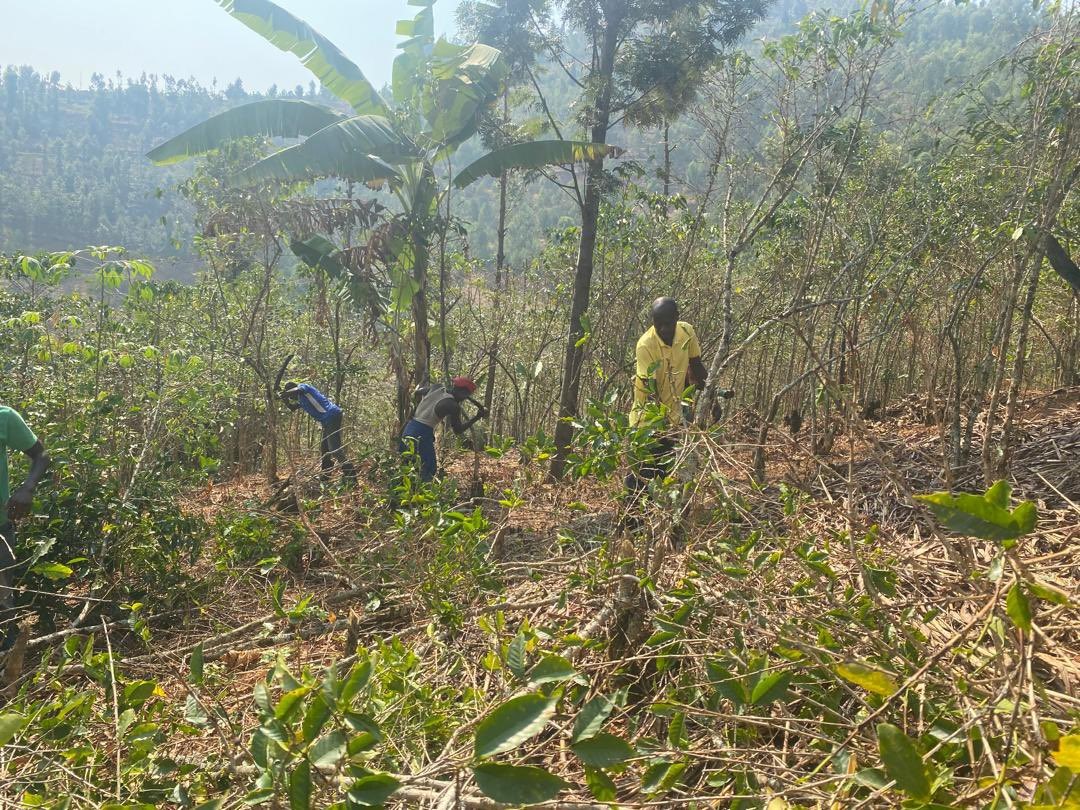
The PSAC project, which is set to last for the next five years, provides a timeline that allows farmers to manage the coffee plantation rejuvenation process effectively. The plan involves gradually uprooting old trees while waiting for newly planted seedlings to mature, a process that takes three to four years.
This approach is designed to minimize disruptions to farmers’ incomes, ensuring that they can continue to rely on coffee farming as a source of livelihood during the transition period.
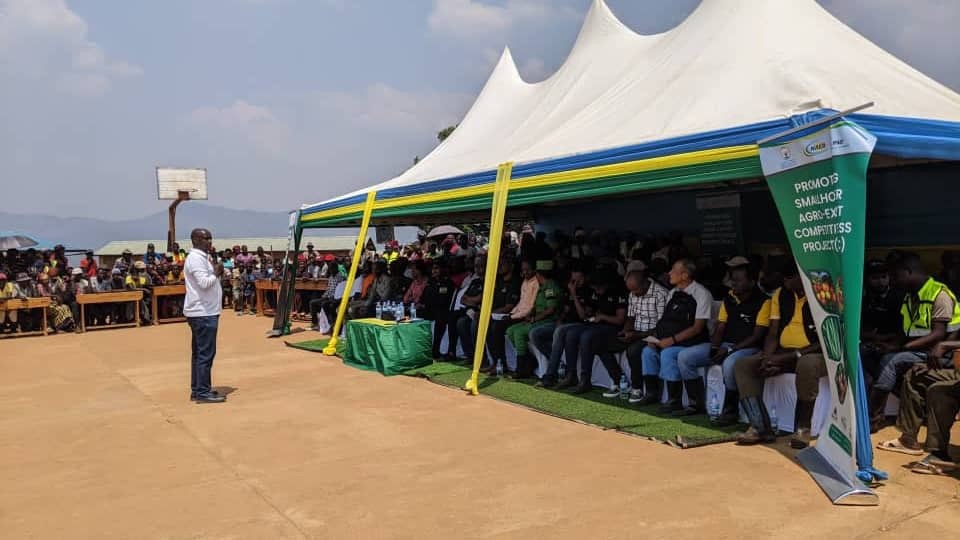
Sandrine Urujeni, the Chief Operations Officer of NAEB, emphasized the importance of rejuvenating Rwanda’s coffee plantations during a media briefing in Kigoma sector, Huye District, on Tuesday, August 13, 2024.
“The campaign aims to establish clean, productive coffee plantations, as approximately 30% of our coffee trees are old and need to be replaced,” Urujeni stated.
“The preliminary campaign activities involved mobilizing citizens to understand the importance of coffee rejuvenation. We explained the coffee farming process to them, including how to recognize when trees are aging and when to rejuvenate them,” she added.
Urujeni also highlighted the campaign’s focus on encouraging greater participation from youth and women in the coffee sector, addressing a key challenge identified by NAEB.
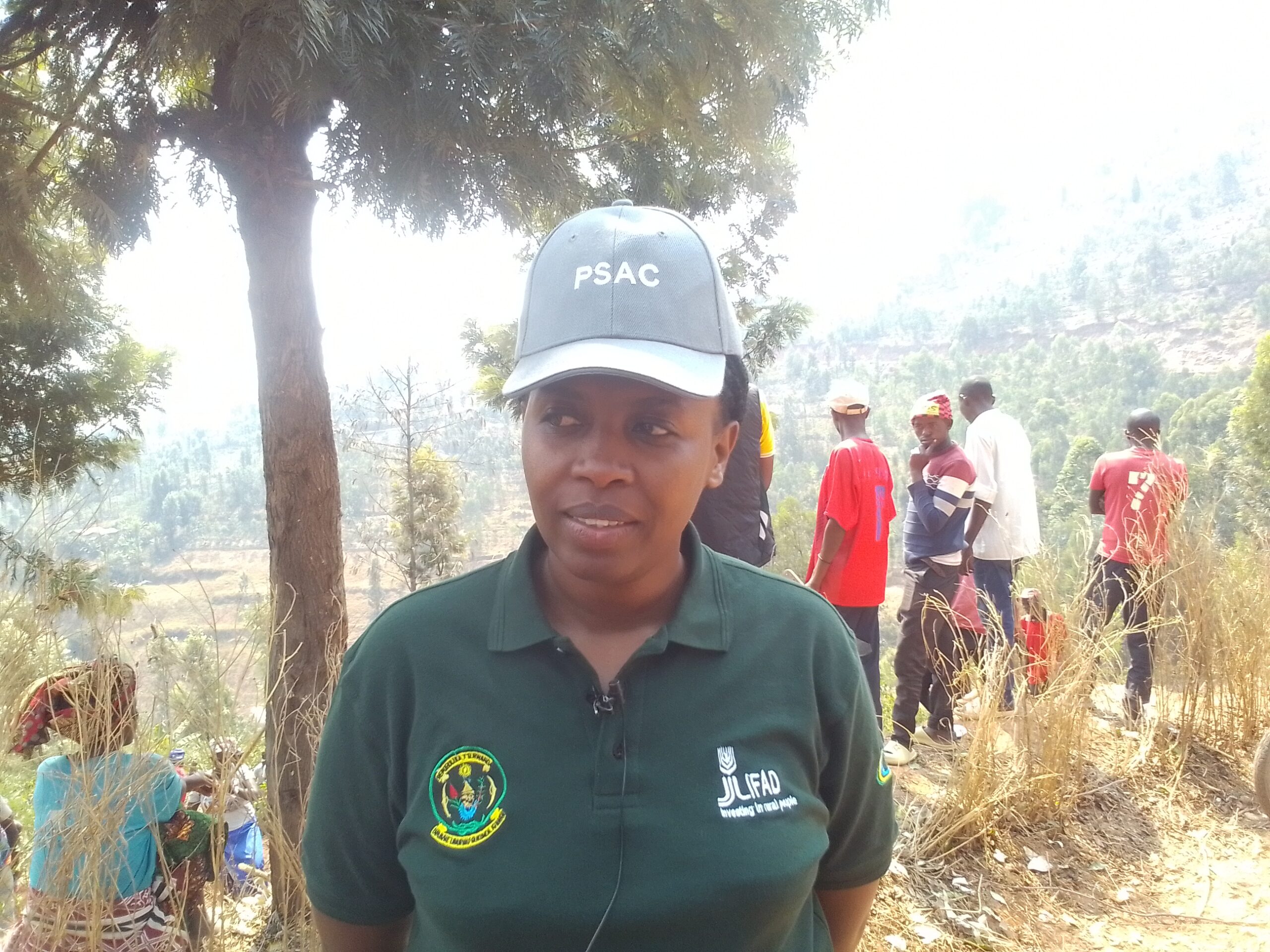
Sandrine Urujeni, the Chief Operations Officer of NAEB.
“One of the existing challenges in the coffee sector is the low participation of youth and women, with the majority of coffee farmers being adults. We hope that this campaign will inspire more young people and women to engage in coffee farming,” she said.
Concerns from farmers
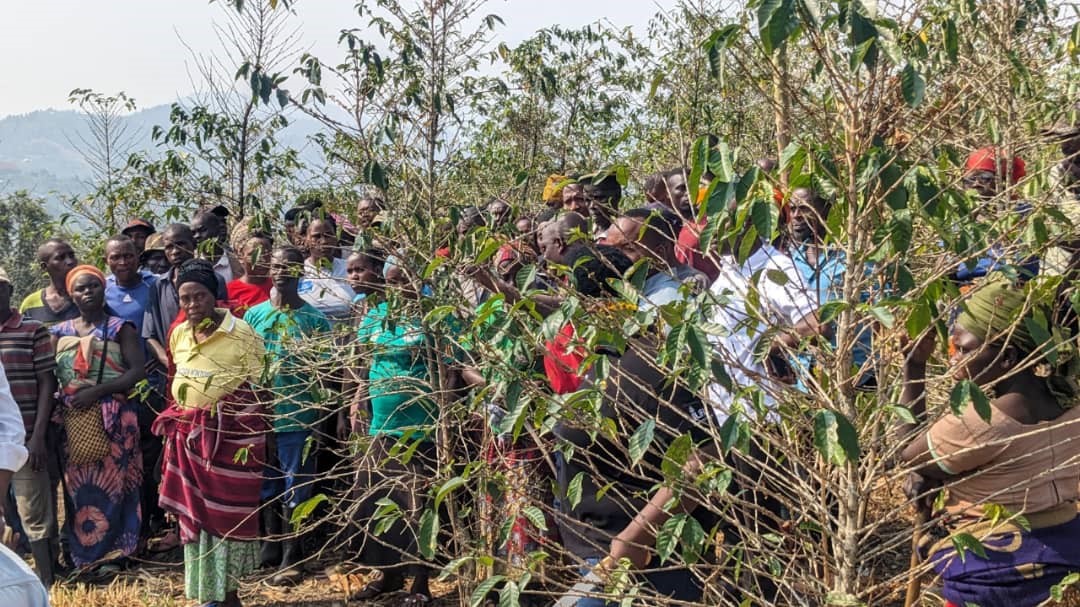
Farmers in Kigoma sector, who participated in the coffee rejuvenation campaign, expressed their support for the initiative but also highlighted several challenges they face.
Kamandwa Canisius, an 85-year-old farmer from Serugenzi village, Shanga cell in Kigoma sector, has been growing coffee all his life and relies solely on his coffee plantation for his livelihood.
“I have 150 old trees, and in the past, we used to cut two and leave one tree on one coffee stem. I had 1,400 trees, but I could not cut them all at once. This campaign is vital. Even though I am old, my children will benefit from the coffee yield in the future. I request support to rejuvenate the old trees,” Kamandwa said.
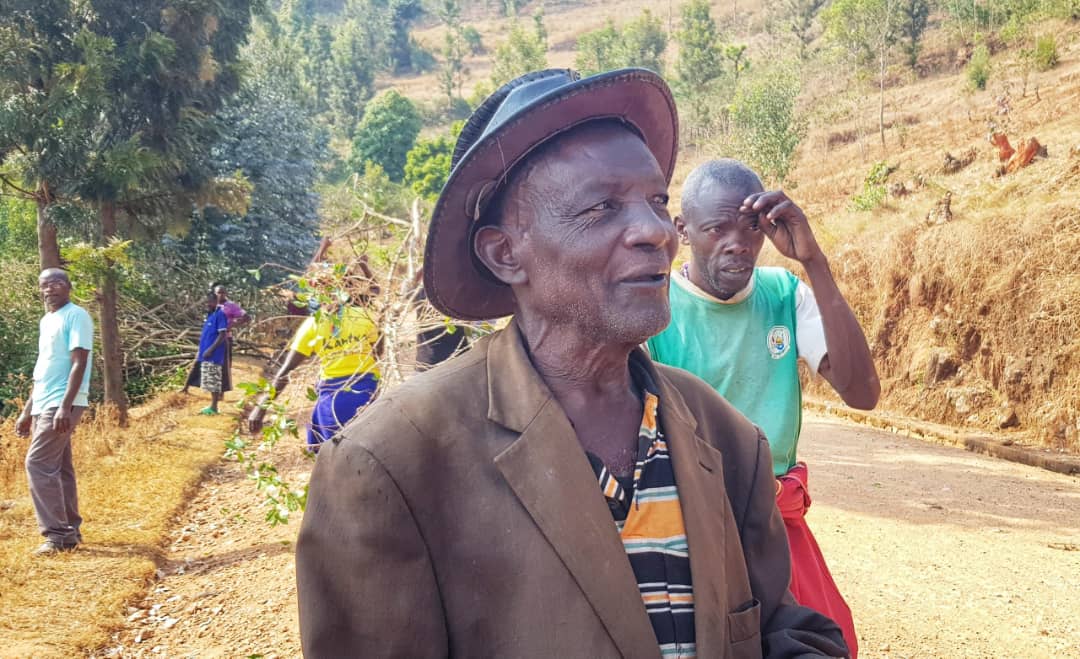
Other farmers in the area pointed out that the lack of specialized cutting tools, such as scies ‘urukero’ and secateurs, remains a significant challenge. Many are currently using machetes, which are not ideal for cutting old trees.
Vestine Murererehe, a 60-year-old farmer, explained, “I have 462 coffee trees, some of which are over 30 years old. Rejuvenation is possible when we work together in groups because it’s tough to do it alone. We are happy that the government has pledged to support us with free seedlings, fertilizers, and training.”
Jean Baptiste Hakuzimana, the Executive Secretary of Kigoma sector, echoed the farmers’ concerns, stating, “We have a major problem in this sector, where 70% of our coffee plantation is old, and these are the trees planted by our ancestors. Fortunately, we have enough nurseries with coffee seedlings to replace the old ones.”
In Huye District, the PSAC Project will cover the replacement of old coffee trees on 529 hectares and the rejuvenation of coffee trees on 187 hectares. For 2024, NAEB has set a target to replace coffee trees on 94 hectares and rejuvenate coffee on 17 hectares.
The rejuvenation and replacement activities will be conducted in the sectors of Gishamvu, Huye, Karama, Kigoma, Kinazi, Maraba, Mbazi, Mukura, Ruhashya, Rusatira, and Simbi.
theinspirerpublications@gmail.com


Leave a Reply