
Rwanda champions disability-inclusive development through global learning exchange
By Prince Boris Cyubahiro & Elias Hakizimana.
As the morning sun rose over Kigali on September 30, 2025, a group of researchers, advocates, and policymakers gathered with a shared vision — to ensure people with disabilities are not just seen, but truly included in every aspect of community life.
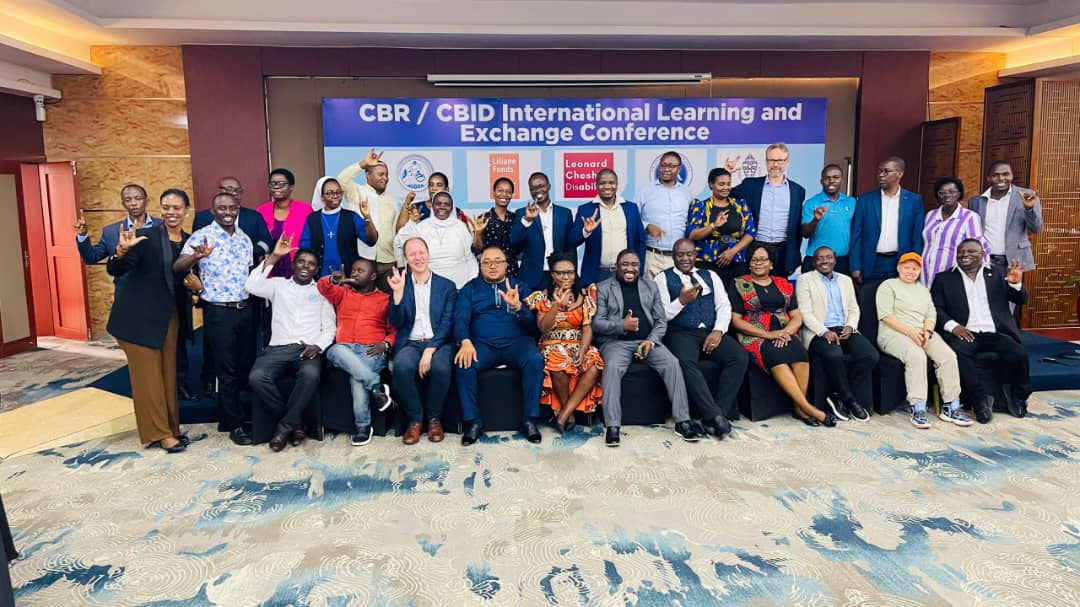
Rwanda this week became the first host of the Cross-Country Learning and Exchange Conference under the Breaking Down Barriers (BdB) project, a global initiative uniting experts from Rwanda, Zambia, and Cameroon to promote Community-Based Inclusive Development (CBID).
The conference, held on September 30, 2025, with follow-up field visits from October 1 to 3, 2025, was organized by the National Union of Disability Organizations of Rwanda (NUDOR) in partnership with Liliane Fonds, Radboud University, and other partner institutions from across Africa.
More than 40 participants, including PhD researchers, government representatives, and development partners, are exchanging insights on how to build inclusive communities that leave no one behind.
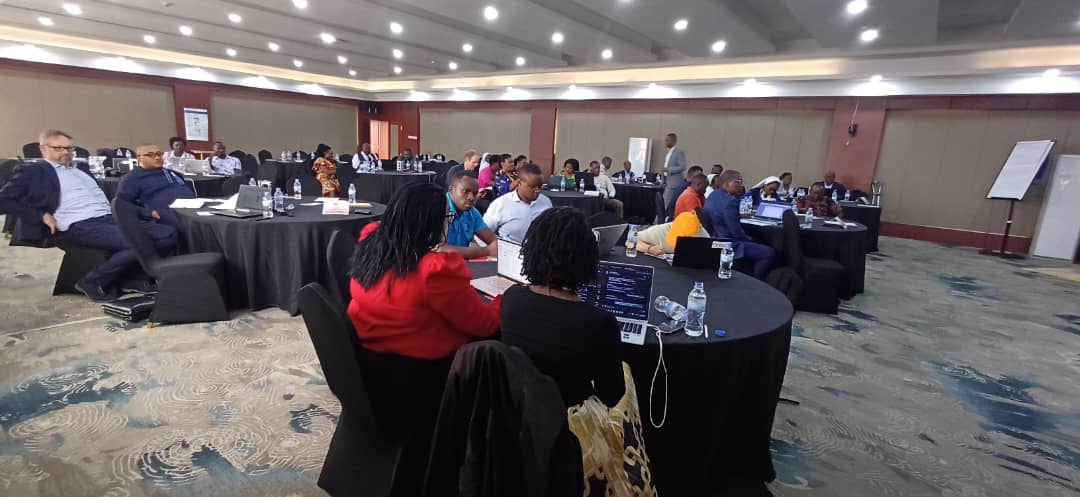
For Jan Apperloo, Learning and Knowledge Development Adviser at Liliane Fonds, the event is a crucial step toward sustainability. “We’re here to learn how CBID can be institutionalized, financed, and carried by the community,” he explained. “It’s not only about policies; it’s about ownership, resources, and collaboration.”
Oswald Tuyizere, the officer in charge of children with disabilities at the National Council of Persons with Disabilities (NCPD), said Rwanda is committed to removing barriers that hinder inclusion.
“We are meeting researchers from the Netherlands, Cameroon, and Zambia to share experiences and learn how to make disability inclusion sustainable,” he said.
Tuyizere added that Rwanda has adopted a national disability policy, enacted protective laws, ratified the UN Convention on the Rights of Persons with Disabilities, and established NCPD to advocate for rights and coordinate efforts across districts.
“In the past, support for people with disabilities was seen as charity, but today it’s recognized as a right,” he emphasized.
Three PhD candidates are leading country-specific research to guide long-term solutions.
In Rwanda, Sagahutu Jean Baptiste, a lecturer at the University of Rwanda’s School of Medicine, is developing a sustainability framework to ensure inclusive development outlives individual projects.
“Many initiatives fade once funding ends,” he said. “Our goal is to create a tool that integrates government, NGOs, and community action to keep progress alive.”
In Cameroon, the research focuses on the role of NGOs in sustaining inclusion, while Zambia examines government participation and policy frameworks. Together, their findings will help shape evidence-based strategies to institutionalize CBID across Africa.
Throughout the week, participants will engage in workshops, field visits, and dialogue sessions to document lessons and co-create strategies for 2026 and beyond. They will visit inclusive community programs in Rwanda to observe how local initiatives are transforming lives and ensuring access to education, health care, and livelihoods for persons with disabilities.
The event is part of a four-year program running through 2028, aiming to build a strong global network committed to ensuring persons with disabilities are empowered, recognized, and included in development processes — not as beneficiaries, but as active agents of change.

theinspirerpublications@gmail.com



Leave a Reply