
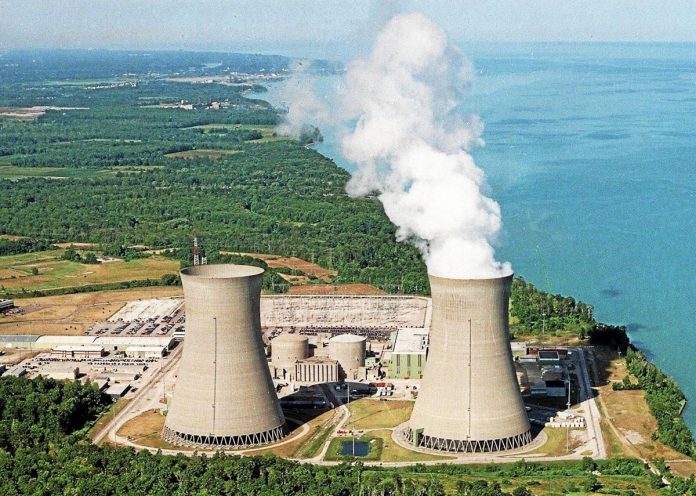
Rwanda advances nuclear energy plans, eyes 2028 construction start of power plant
By The Inspirer.
Rwanda has announced that preparations to construct a nuclear power plant could move into the implementation phase within the next two years, with construction expected to begin around 2028.
The update was provided on May 16, 2026, by the Director General of the Rwanda Atomic Energy Board (RAEB), Dr. Fidele Ndahayo, during a two-day policy dialogue organized in collaboration with the United Nations Economic Commission for Africa (UNECA).
The forum brought together policymakers, experts, and international stakeholders to explore pathways for developing nuclear energy infrastructure and strengthening industrial capacity required for such a large-scale project.
Dr. Ndahayo said the discussions were intended to align technical, financial, and institutional requirements needed to advance Rwanda’s nuclear energy ambitions.
“The objective is to ensure that available domestic resources contribute effectively to the implementation of the nuclear energy project. When properly harnessed, this can significantly support national economic growth,” he said.
He noted that many African countries continue to face financial constraints that make it difficult to implement capital-intensive energy projects. In response, UNECA and partners are exploring financing models that could support long-term infrastructure investments such as nuclear energy.
According to Dr. Ndahayo, international assessments conducted with support from the International Atomic Energy Agency (IAEA) indicate that Rwanda has made significant progress in developing the institutional and technical capacity required to pursue nuclear energy.
He said these findings place the country in a strong position to move forward, although key preparatory steps still remain.
Rwanda’s current roadmap targets 2028 as the period when construction of the nuclear power plant could begin, pending completion of critical requirements such as technology selection, financing arrangements, and identification of implementation partners.
“We aim to have the foundation stone laid in 2028,” he said.
Dr. Ndahayo also revealed that six potential sites have already been identified across the country for the project. The locations were selected based on criteria including water availability, geological stability, low population density, absence of major seismic activity, and limited human settlement.
However, he emphasized that the selection process is not yet final, as detailed feasibility studies and technical evaluations are still underway.
He explained that nuclear infrastructure requires highly rigorous assessments, including deep geological studies, before a final site can be approved.
“It is not enough to identify a site. We must conduct detailed studies, including subsurface evaluations, to ensure full compliance with international safety standards,” he said.
Rwanda is also preparing to host an international conference on civilian nuclear energy from May 18 to 21, 2026. The meeting is expected to bring together global experts and potential partners to support investment and technology collaboration in the sector.
The government has previously outlined plans to develop nuclear energy capacity by 2030 as part of its broader strategy to diversify energy sources, increase electricity generation, and support long-term economic transformation.


Leave a Reply