
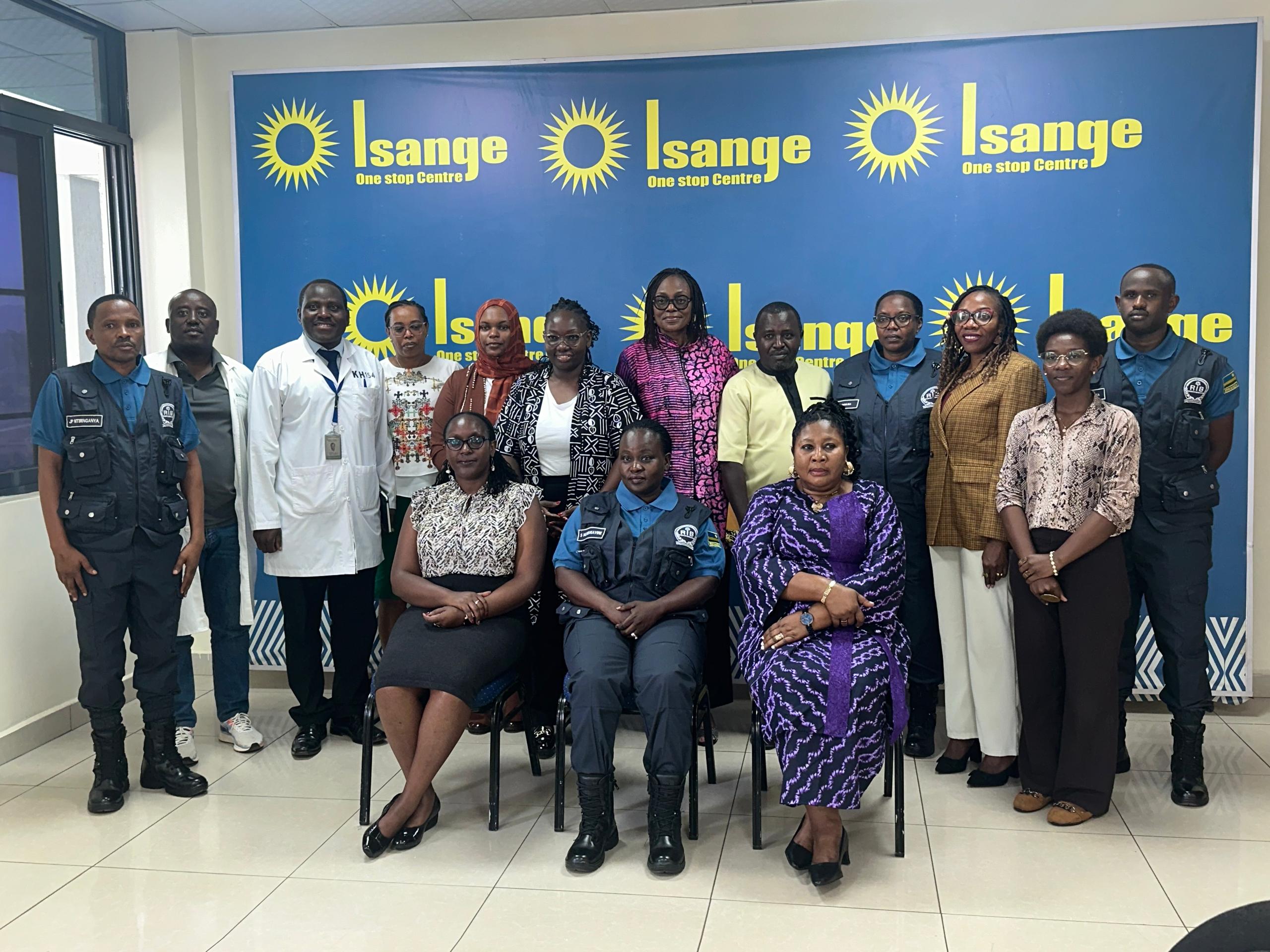
Regional women’s rights advocates study Rwanda’s survivor-centred response to gender-based violence
By Elias HAKIZIMANA.
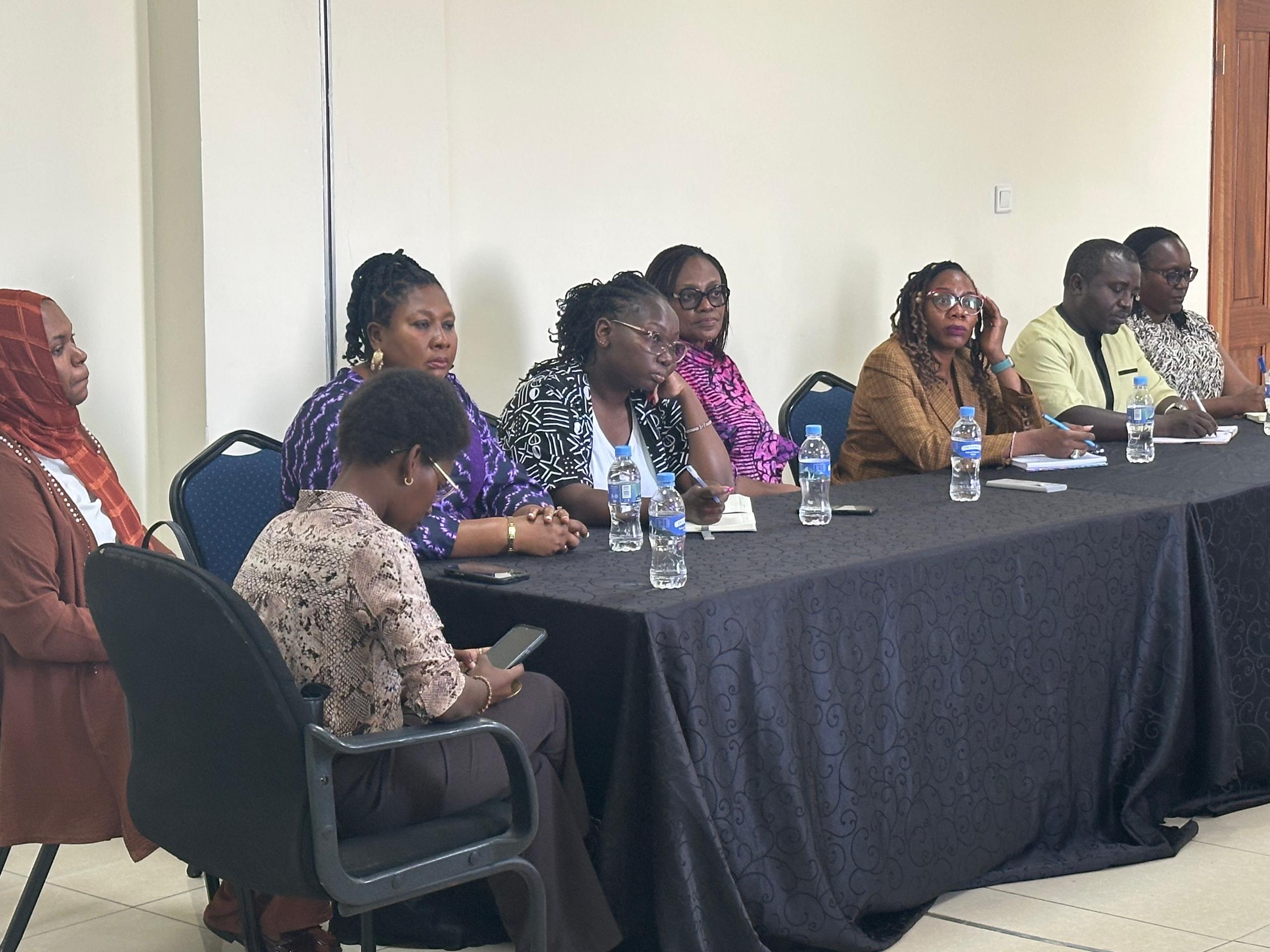
KIGALI, Rwanda — August 26, 2026 — Women’s rights advocates from Nigeria, Uganda and Kenya have gained practical lessons from Rwanda’s integrated response to gender-based violence, as they seek approaches that could strengthen survivor protection and access to services in their own countries.
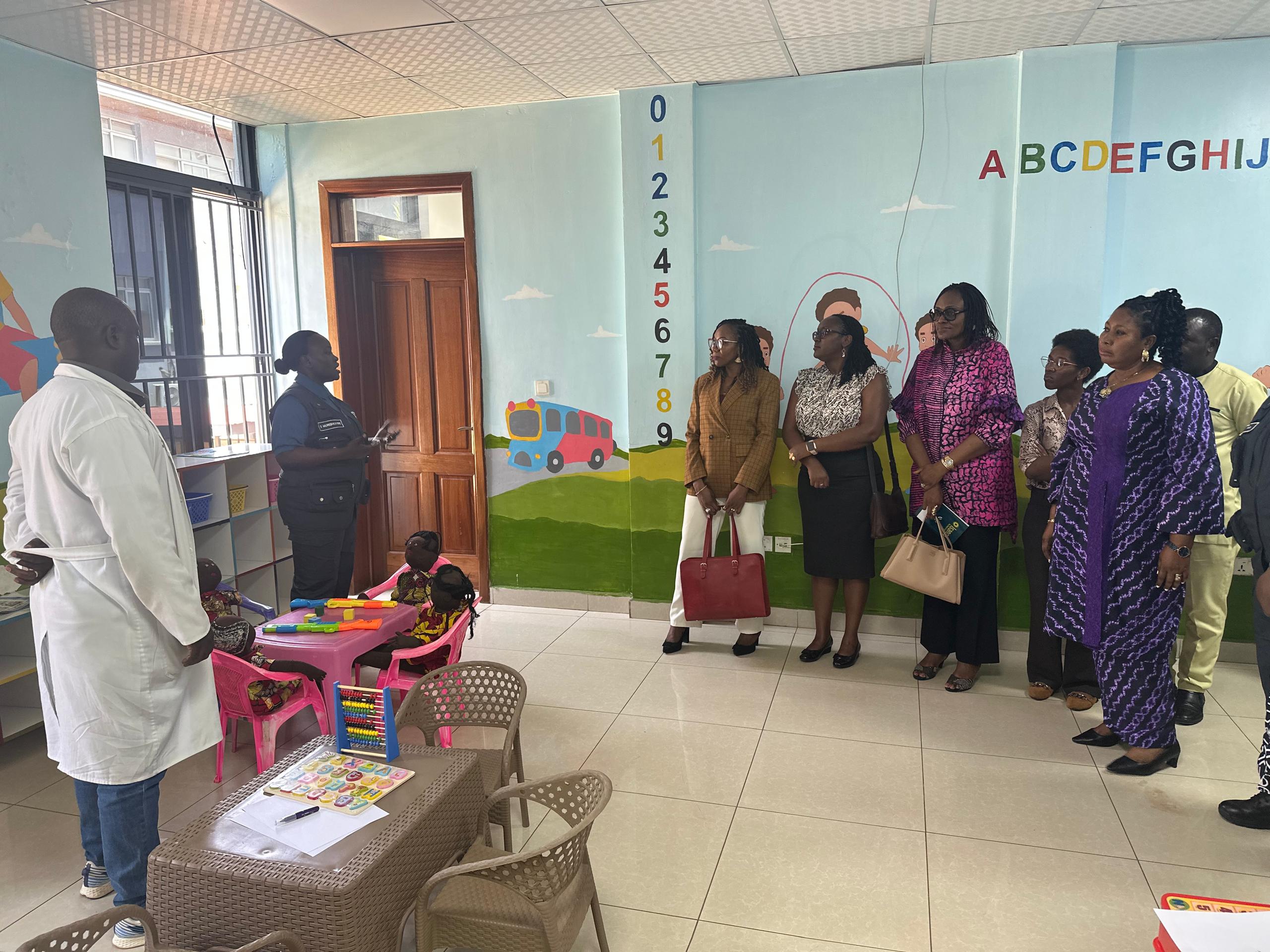
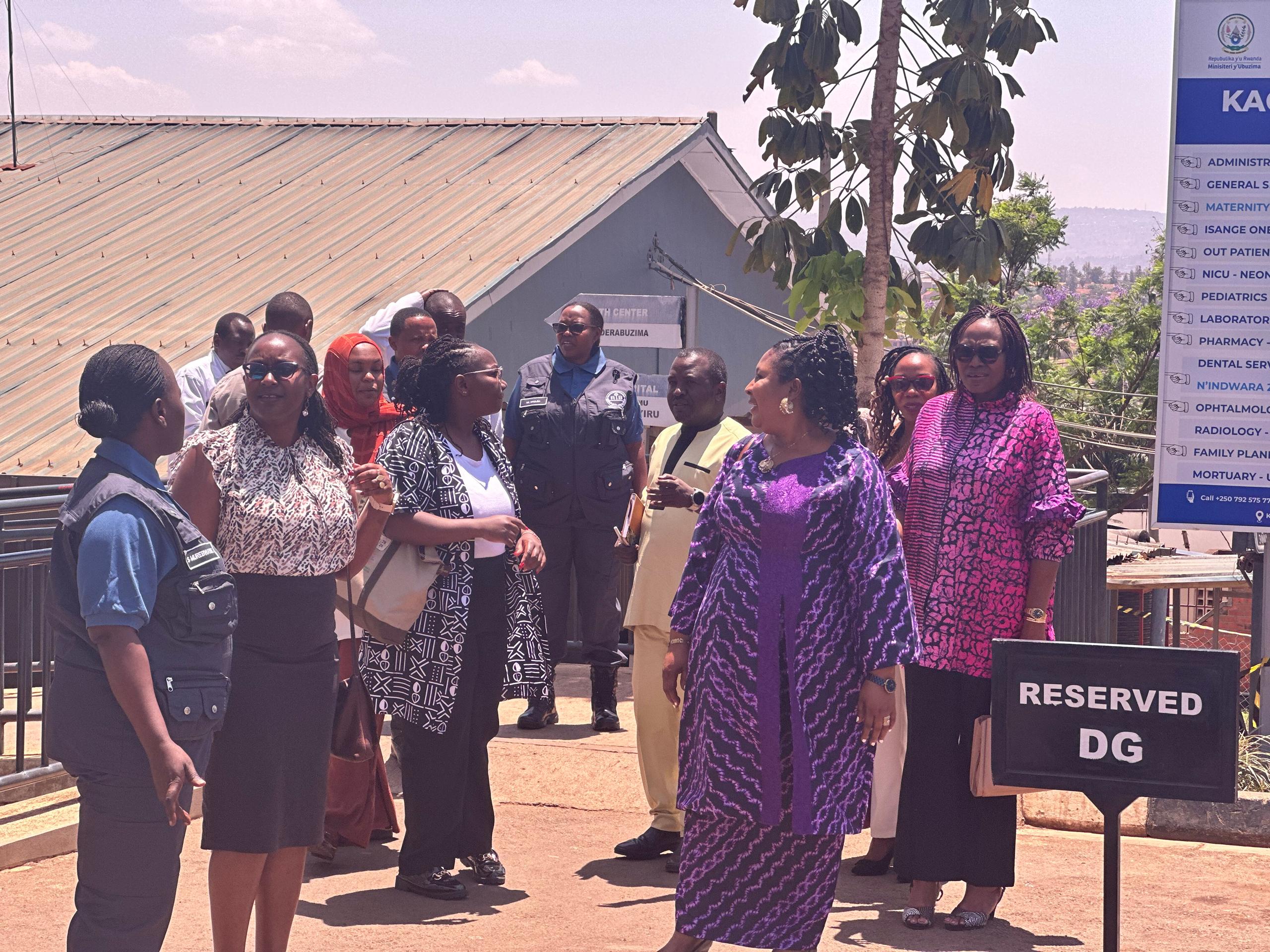
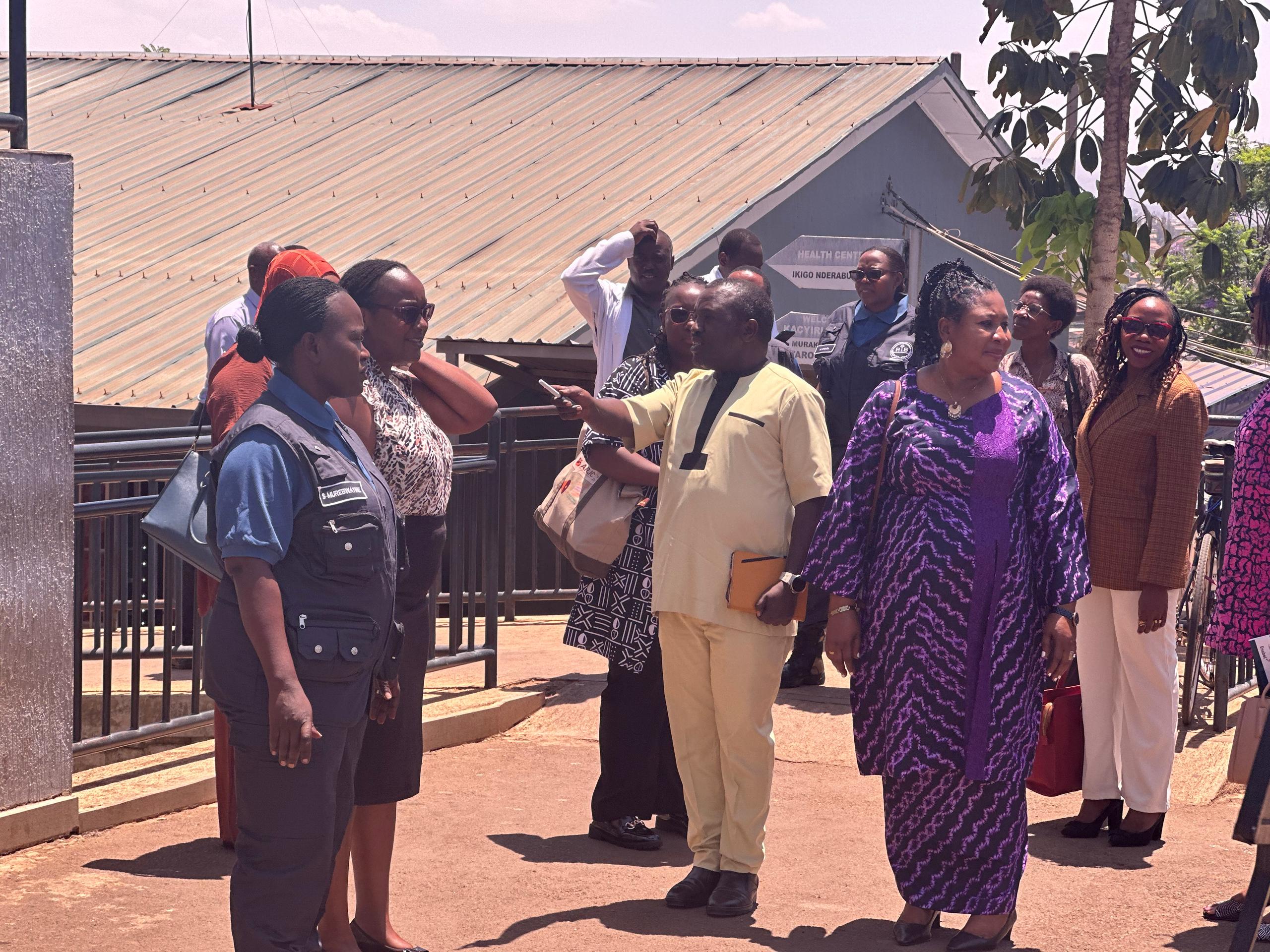
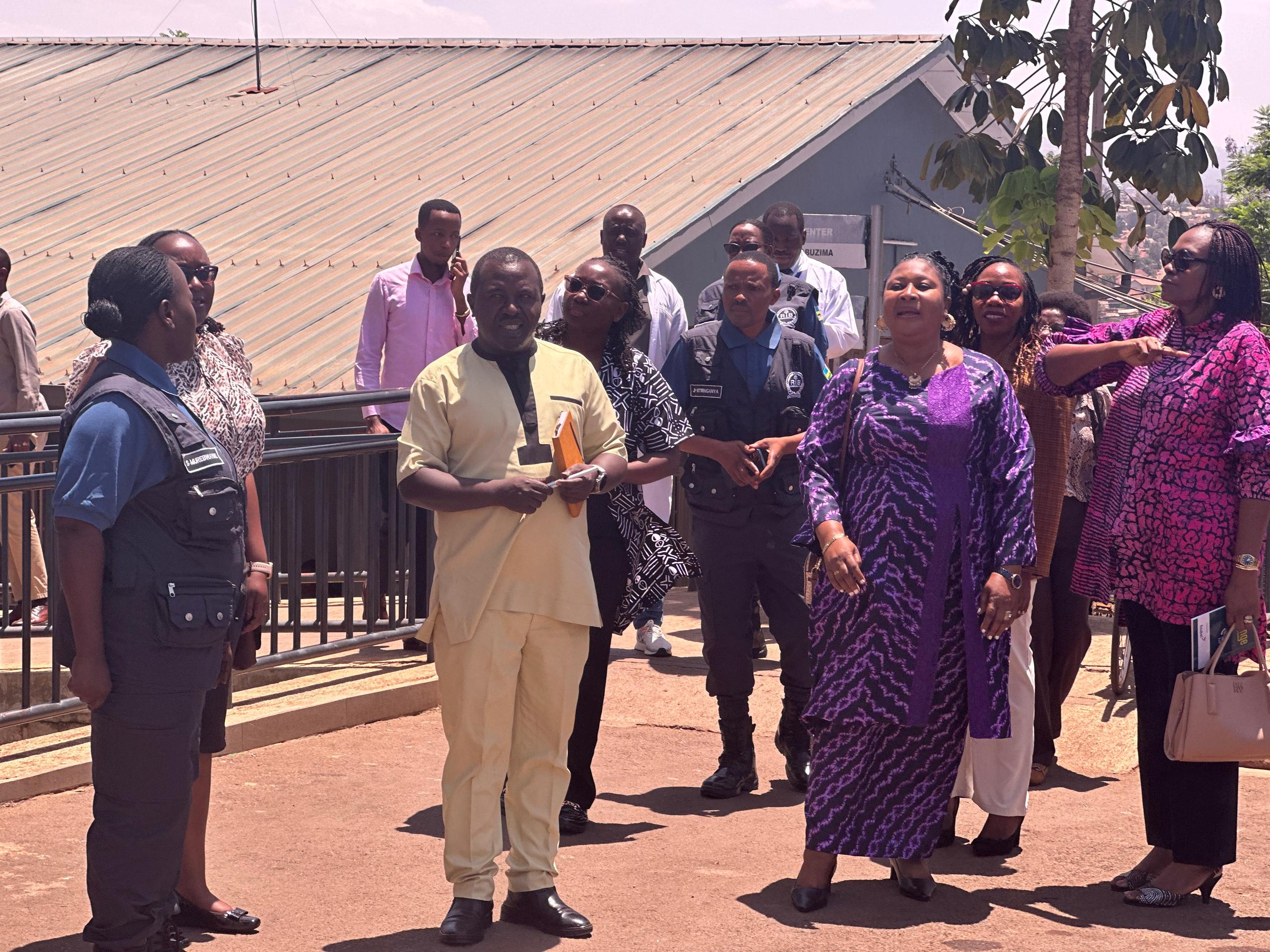
During a visit to an Isange One Stop Centre in Kigali on Wednesday, participants examined how Rwanda brings medical, forensic, investigative and other support services together to respond to survivors, while also addressing barriers that can arise from cultural, religious and institutional attitudes.
The visit was part of a three-day regional learning exchange examining Rwanda’s experience in implementing the Maputo Protocol and reforms aimed at advancing women’s rights and access to sexual and reproductive health services.

The exchange is organised under the Solidarity for African Women’s Rights (SOAWR) Coalition in partnership with Equality Now and hosted by the Institute for Human Rights, Research and Governance in Rwanda (THE INSTITUTE).
For the visiting advocates, the Isange model offered a practical example of how policy commitments can be translated into coordinated services for survivors—and lessons that may be adapted to the realities of Nigeria, Uganda and Kenya.
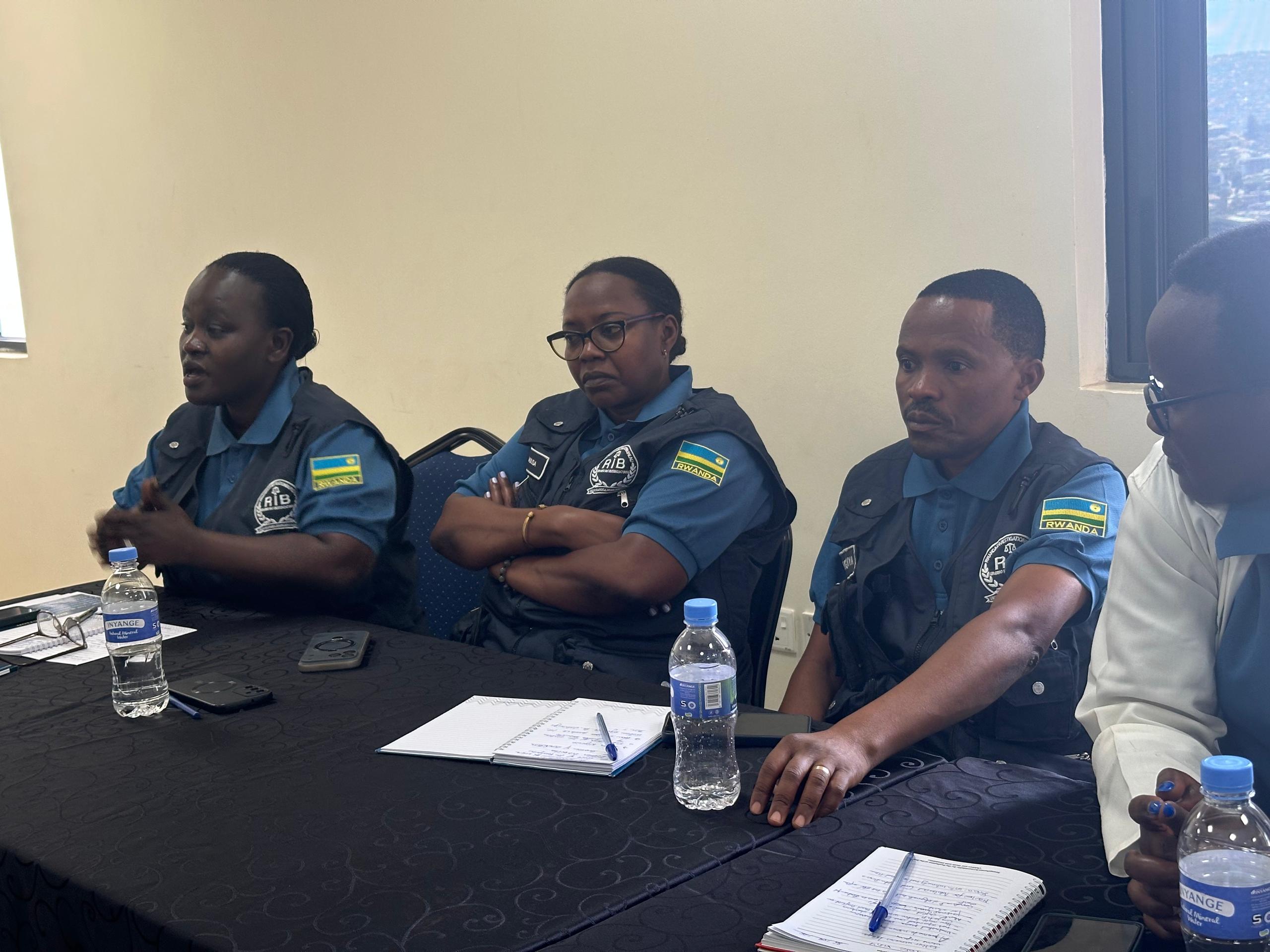
Shaffiga Murebwayire, Anti-Gender Based Violence Division Manager and Isange One Stop Centre Coordinator at the Rwanda Investigation Bureau (RIB), explained how Rwanda has worked to ensure that personal religious or cultural beliefs do not prevent survivors from receiving services.
She said service providers are not allowed to refuse services to survivors because of their religious beliefs, citing instructions from the Ministry of Health and enforcement by health-facility leadership.

Murebwayire also acknowledged that challenges have existed, particularly where some providers did not openly refuse services but instead delayed them, imposed unnecessary requirements or otherwise made access difficult.
Such experiences, she said, showed the importance of ensuring that policies are not only adopted but also enforced at the level where survivors seek assistance.
From medical assessment to judicial evidence
Dr. Hakizimana Francois Xavier, a senior consultant in forensic medicine, took participants through the medical responsibilities of doctors working at the centre.
He explained that doctors work in shifts to ensure that survivors can receive care during the day, at night and over weekends.
The process begins with taking the survivor’s history, which guides the medical assessment and determines what examinations, tests and evidence collection may be required.
Doctors then conduct a physical examination and collect forensic evidence that can support judicial proceedings, including material for DNA, toxicology and other relevant tests.
At the same time, survivors can receive appropriate medical interventions based on their needs, including emergency contraception, post-exposure prophylaxis, treatment for infections and other medicines.

Dr. Hakizimana said doctors may begin some treatments before all laboratory results are available when timely intervention is important.
After the consultation, the doctor prepares a medical report that can be used in court, while follow-up care is arranged where necessary.
“One consultation is not enough,” he told participants, stressing the importance of continued care in supporting survivors’ recovery, rehabilitation and reintegration.
The experience shared at the centre gave the regional delegation a closer look at how Rwanda combines health care, forensic medicine and justice-related processes within a survivor-centred response.
The learning visit continues through August 27, with participants also engaging institutions including the Ministry of Health, Ministry of Justice, Judiciary and National Commission for Human Rights as they assess lessons that could be adapted to their respective national contexts.

theinspirerpublications@gmail.com
Related photos:



Leave a Reply